

Henrik Aulbach ist erfahrener Gesundheitsredakteur mit über 10 Jahren Erfahrung, Experte für pflanzliche Wirkstoffe und Kultivierung, Co-Gründer, Buchautor und selbstständiger Fachtexter im Gesundheitswesen seit 2020.
Erfahren Sie hier mehr über diesen Autor.

Eisenkraut: Wirkung, Anwendung und Dosierung
Eisenkraut: Das Waffen- und Wundkraut
Das Eisenkraut hat seinen Namen daher, dass man früher damit Verletzungen und Wunden durch Eisenwaffen therapiert hat

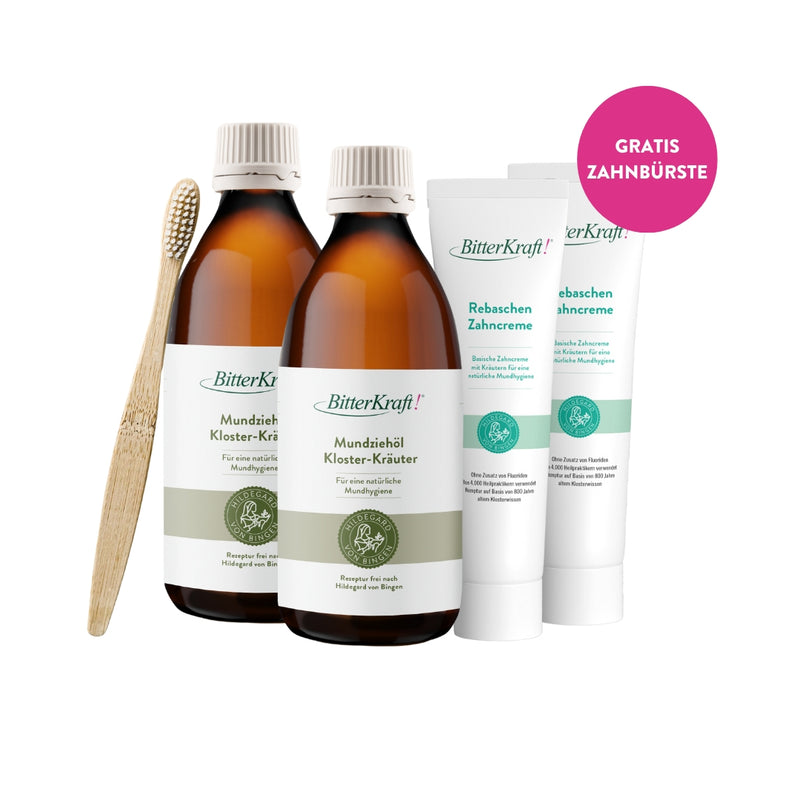
Hildegards Tipp:
- Mundpflege Set mit Zahnbürste aus Holz
- Rezeptur auf Basis von 800 Jahren Klosterwissen
- Bitterkraft – der Pionier seit 1996 von 4.000 Heilpraktikern verwendet!
- Beste Naturheilkunde: Bio & vegan
Eisenkraut: Das Waffen- und Wundkraut
Das Eisenkraut hat seinen Namen daher, dass man früher damit Verletzungen und Wunden durch Eisenwaffen therapiert hat. Auch heute ist das Eisenkraut eine nützliche Pflanze der Naturheilkunde und erfreut sich vieler Gärtner, welche die Pflanze zur reinen Augenweide kultivieren. Wir wollen das Eisenkraut wissenschaftlich betrachten und auf den Prüfstand stellen.
Vorkommen des Eisenkrauts
Eisenkraut säumt hierzulande Wegränder und Böschungen und gedeiht wunderbar auf Wiesen. Es ist relativ anspruchslos. Deshalb wird Verbena officinalis häufig als Unkraut eingestuft. In früheren Jahrhunderten schätzten die Menschen die krautige Pflanze im Gegensatz dazu als Heilpflanze.
Eisenkraut stammt als Gattung ursprünglich aus Südamerika und ist in der ganzen Welt heimisch, in Europa aber haben wir nur Echtes Eisenkraut. Die Pflanze mag es sonnig und geschützt. Am besten gedeiht sie auf leicht sauren Lehm- und Tonböden und wenn sie reichlich Wasser bekommt.
Eisenkraut kaufen Sie als Pflanze, um sie im Garten oder auf dem Balkon anzubauen, als getrocknetes und geschnittenes Produkt oder als fertigen Tee. Weitere Varianten des Eisenkrauts bzw. der Verbena sind:
- Gemeines Eisenkraut
- Zitronenverbene
- Echter Gamander-Eisenhut
- Großblütiges Eisenkraut
Wirkweise des Eisenkrauts: Für Waffen und Wunden
In der Volksmedizin hat Eisenkraut eine lange Tradition, seine antibakteriellen Fähigkeiten sind heute recht gut untersucht. Außerdem soll es entzündungshemmend wirken und Hustenreiz stillen. So bildet es heute auch einen wichtigen Inhaltsstoff von pflanzlichen Präparaten gegen Nasennebenhöhlenentzündungen. Auch eine harntreibende Wirkung wird dem Heilkraut zugeschrieben. Ebenso soll Eisenkraut bei Magen-Darm-Beschwerden und zur Entspannung helfen. Manche Menschen nutzen es immer noch bei schlecht heilenden Wunden, um die Wundheilung ggf. zu fördern. Wie gesagt, ist die Wirksamkeit nicht belegt, bis auf die Anwendung in Präparaten gegen Nasennebenhöhlenentzündungen.
Als Heilmittel wird Echtes Eisenkraut sowohl innerlich als auch äußerlich eingenommen. Einmal wird es als Tee aus den getrockneten oberirdischen Pflanzenteilen zubereitet. Zur äußerlichen Anwendung bei Wunden empfiehlt es sich als Umschlag, hergestellt aus einem mit Wasser angerichteten Kräuterauszug.
Inhaltsstoffe des Eisenkrauts
Schleim-, Gerb- und Bitterstoffe bilden neben dem Verbenalin, von dem die Heilwirkung ausgeht, die wichtigsten Inhaltsstoffe des Eisenkrautes. Verbenalin ist ein Iridoid und fördert die Produktion von Schleim (sekretolytische Eigenschaften). Wichtig sind zudem die sogenannten Kaffeesäure-Abkömmlinge, die Namen wie Verbascosid tragen. Hinzu kommen lediglich kleine Mengen an Flavonoiden und Terpenen bzw. ätherischen Ölen.
Wie wird Eisenkraut eingenommen?
Eisenkraut wird meistens als Tee zubereitet. Hier eine schnelle und einfache Anleitung:
- Nehmen Sie das Kraut (Blätter, Stängel und Blüten) und trocknen es. Je Tasse Tee können etwa 1,5 Gramm Eisenkraut verwendet werden.
- Übergießen Sie das getrocknete Eisenkraut in der Tasse mit kochendem Wasser und lassen Sie es für 10 Minuten ziehen.
- Sieben Sie dann die Pflanzenteile ab. Bis zu drei solcher Tassen können täglich getrunken werden.
Äußerlich können Sie in ähnlicher Manier Umschläge zubereiten. Kochen Sie hierfür einen Liter Tee auf, in den Sie anschließend einen Umschlag geben.
Für eine Aromatherapie kaufen Sie das ätherische Öl aus Eisenkraut. Da dieses jedoch sehr teuer ist, finden Sie es selten in Reinform. Meistens wird es mit anderen ätherischen Ölen vermischt. Anstelle einer Duftlampe können Sie bspw. auch Einreibungen mit dem Öl machen.
Zu guter Letzt können Sie auf Fertigpräparate setzen, so etwa auf Stilltees, Kapseln, Dragees oder dergleichen.
Bedenken Sie bitte, dass naturheilkundliche Hausmittel ihre Grenzen haben. Sollten Ihre Beschwerden bestehen bleiben, suchen Sie bitte ärztlichen Rat auf.
Hat Eisenkraut Nebenwirkungen?
Wenn Sie ein Kombi-Präparat gegen Nasennebenhöhlenentzündungen einnehmen, können in seltenen Fällen Magen-Darm-Beschwerden eintreten. Ansonsten sind keine weiteren Nebenwirkungen bekannt.
Es liegen nicht ausreichend Untersuchungen vor, um Aussagen über die Langzeitanwendung und bspw. den Gebrauch in der Schwangerschaft zu tätigen. Es besteht der Verdacht, dass Eisenkraut bei Schwangeren die Wehen auslösen könnte. Über Gegenanzeigen wissen wir bisher ebenfalls noch nicht Bescheid. Vor der Anwendung sollten Sie also idealerweise Rücksprache mit einem Arzt oder Naturheilpraktiker halten. Vor dem äußerlichen Gebrauch bitte den Armbeugentest durchführen.
Grenzen der Naturheilkunde. Wann ist ärztlicher Rat bei Eisenkraut notwendig
Es ist wichtig, dass Sie die Grenzen der Selbstbehandlung und der Naturheilkunde kennen und sich bei Bedarf fachärztlichen Rat einholen. Prinzipiell sollten Sie immer dann einen Arzt aufsuchen, wenn Beschwerden Schmerzen verursachen und diese nicht mehr abklingen oder sogar stärker werden. Dann sind die Grenzen der Selbstbehandlung erreicht und Sie sollten sich in ärztliche Obhut begeben.
Nehmen Sie bspw. Eisenkraut gegen Magen-Darm-Beschwerden ein, sollten Sie dann einen Arzt aufsuchen, wenn die Beschwerden nach ein oder zwei Tagen nicht abgeklungen sind, wenn zusätzlich Durchfall eintritt oder dergleichen.
Eisenkraut: Heilpflanze und Waffenpflanze in der Eisenverhüttung
Das Eisenkraut hat vermutlich seinen Namen daher, dass man früher Wunden durch Eisenwaffen damit therapiert hat. Interessant ist dabei, dass das Kraut gleichzeitig zur Eisenverhüttung eingesetzt wurde, also zur Herstellung von Waffen. Dabei wurde das Kraut in Schmelzöfen platziert, um die Eisengewinnung zu optimieren.
Die genauen Wirkweisen sind bis heute nicht verstanden worden. Man geht jedoch von einer katalytischen Wirkung aus, welche die Inhaltsstoffe des Eisenkrauts hervorrufen. Hierdurch kam schlussendlich besseres Eisen heraus. Der Wandel von Heilpflanze zu Waffenpflanze zu Zierpflanze ist einfach faszinierend.
Aussehen von Eisenkraut
Echtes Eisenkraut lässt sich an seinem vierkantigen Stängel erkennen, der im unteren Teil oft verholzt ist, während er sich nach oben hin in feingliedrige Ästchen unterteilt. Seine Blätter besitzen raue Einschnitte, die Blüten, meist hellrosa, sind in Form von Ähren angeordnet.
Eisenkraut selber anpflanzen
Eisenkraut stammt ursprünglich aus Südamerika, weshalb es das dortige tropische Wetter gewöhnt ist. Sie brauchen einen warmen und sonnigen Standort, zu viel Hitze gibt es für Eisenkraut kaum, ebenso wie zu viel Wind und Wetter. Ein leicht saures und feuchtes Substrat mit etwas Humus eignet sich ideal. Im Kübel gehört Eisenkraut gen Süden gerichtet.
Eisenkraut muss unbedingt nach Eisheiligen gepflanzt werden. Die Pflanzenabstände sollten zwischen 30 - 50 cm betragen. Etwas Kompost und ein wenig Mulch erleichtern dir die Gärtnerei. Im Beet lohnen sich kleine, dichte Beete mit Eisenkraut.
Mehr als etwas Wasser und Dünger benötigt Eisenkraut nicht. An einem heißen Sommertag kann jedoch gut mal mehr als ein Liter Wasser nötig werden. Im Kübel sollte die Erde nie austrocknen oder Staunässe beherbergen.
Unterhaltsame Fakten über Eisenkraut
Eisenkraut spielte in der Menschheitsgeschichte auch kulturell eine wichtige Rolle. So nutzten viele Kulturen das Kraut für zeremonielle Zwecke. Manche hielten es sogar für ein gutes Mittel, um Verletzungen durch Eisenwaffen zu heilen, wodurch sich auch sein Name erklären lässt. Ebenso wurde Eisenkraut bei der Eisenverhüttung verwendet.
Eisenkraut: Häufig gestellte Fragen
Kannte Hildegard von Bingen bereits Eisenkraut?
Ja, Hildegard von Bingen kannte nicht nur bereits Eisenkraut, sondern auch seine therapeutischen Eigenschaften. So hat sie es bereits für Wundumschläge benutzt, um Infektionen zu vermeiden.
Kann man Eisenkraut als natürliches Insektenmittel verwenden?
Ja, Eisenkraut kann auch als natürliches Insektenmittel verwendet werden. Sein starker Duft kann dafür sorgen, dass Mücken oder Fliegen verschwinden. Prinzipiell gibt es folgende drei Möglichkeiten, Eisenkraut als Insektenmittel zu nutzen:
Pflanzung von Eisenkraut im Garten: Hierdurch könnten Sie Ihren Garten von Mücken befreien.
Insektenschutzspray mit Eisenkraut: Sie können ein solches kaufen oder selbst herstellen. Das Spray kann dann auch mitgenommen und bspw. auf die Haut gesprayt werden.
Räucherstäbchen oder Duftkerzen: Hierdurch haben Sie den Geruch auf Abruf bereit, draußen sowie drinnen.
Wie stark die Wirkung genau ausfallen wird, kann man leider nicht genau sagen. Die Erfahrungen beweisen jedoch, dass chemische Insektenmittel oft effektiver sind, dafür jedoch nicht so gut verträglich.
Gibt es Geschichten oder Legenden über Eisenkraut?
Ja, die gibt es. Bspw. gibt es Eisenkraut-Feen (Verbenas). Sie stammen aus keltischen Überlieferungen und berichten darüber, wie Feen in den zarten Blüten des Eisenkrauts ihren Sitzplatz suchen. Angezogen werden sie dabei vom Duft des Krauts.
Gibt es moderne Anwendungen außerhalb der Naturheilkunde für Eisenkraut?
Ja, die gibt es selbstverständlich. Ein derart vielseitiges Kraut hat natürlich weitere Anwendungsbereiche:
- Kosmetikindustrie: Aufgrund seiner entzündungshemmenden und antibakteriellen Eigenschaften wird es zahlreichen Hautkosmetika beigefügt. Viele Lotions, Cremes, Masken und auch Aknebehandlungen beinhalten Eisenkraut.
- Lebensmittelindustrie: Auch hier wird Eisenkraut Getränken und Tees beigefügt. Es wird meistens eingesetzt, um ein subtiles und angenehmes Aroma zu äußern.
- Aromatherapie: Dieser Fachbereich kann je nach Auffassung noch zur Naturheilkunde gezählt werden. Verwendet wird es hier in Badezusätzen, Einreibungen oder Massageölen.
- Gartenbau und Landschaftsgestaltung: Eisenkraut ist eine hübsche Zierpflanze, die bspw. auch ein idealer Bodendecker in Steingärten ist. In einem Beet zieht Eisenkraut zahlreiche Schmetterlinge und weitere schöne Insekten an.
- Dekoration: Das Eisenkraut ist eine Augenweide, welche gerne auch als Dekoration verwendet wird. So könnten mit den Blüten Speisen garniert oder der Wohnzimmertisch geschmückt werden.

Über den Autor Henrik Aulbach
Weitere Artikel
Magenbitterstoffe vor dem Essen: Warum die Reihenfolge entscheidend ist
Magenbitterstoffe vor dem Essen » Nach Hildegard von Bingen ✓ Ohne Zusatzstoffe ✓ Made in Germany – Jetzt mehr erfahren
Bitterstoffreiche Smoothies: Grüne Rezepte für den Verdauungsstart am Morgen
Bitterstoff-Smoothies für den Morgen » Nach Hildegard von Bingen ✓ Vegan ✓ Ohne Zusatzstoffe – Jetzt Rezepte entdecken!
Hildegard von Bingens Dinkelrezepte für eine gesunde Verdauung
Hildegard von Bingens Dinkelrezepte » Nach Hildegard von Bingen ✓ Ohne Zusatzstoffe ✓ Biozertifiziert – Jetzt entdecken