
Henrik Aulbach ist erfahrener Gesundheitsredakteur mit über 10 Jahren Erfahrung, Experte für pflanzliche Wirkstoffe und Kultivierung, Co-Gründer, Buchautor und selbstständiger Fachtexter im Gesundheitswesen seit 2020.
Erfahren Sie hier mehr über diesen Autor.

Edelkastanie in der Klostermedizin
Vorkommen von Edelkastanie
Obwohl sie sich namentlich ähneln und auch die Früchte leicht verwechselt werden, besteht zwischen Edelkastanie und Rosskastanie keinerlei botanische Verwandtschaft. Vielme...

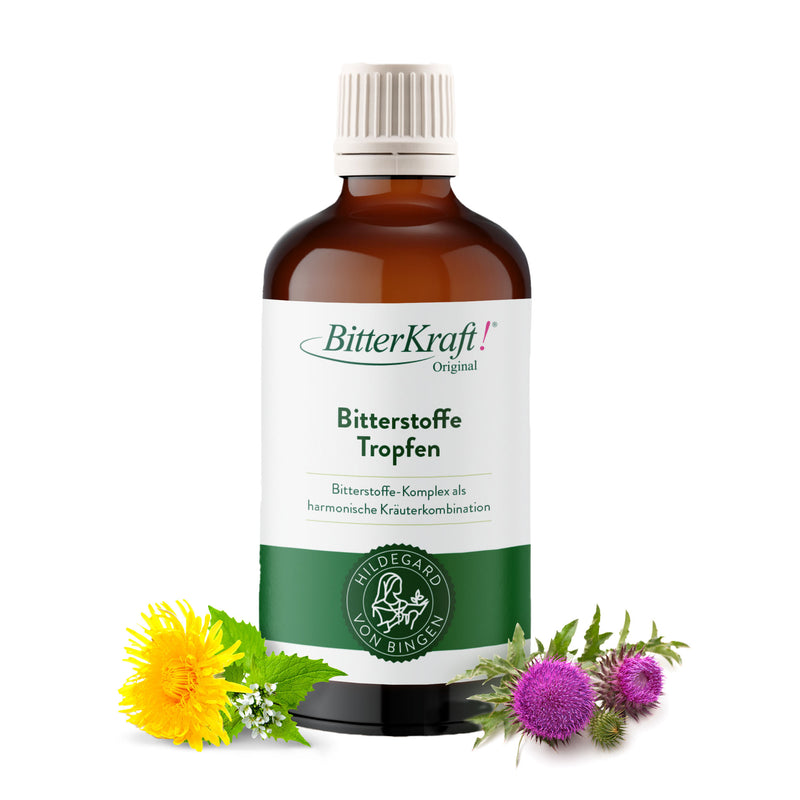
Hildegards Tipp:
- Wertvolle Bitterstoffe nach Hildegard Von Bingen
- Rezeptur auf Basis von 800 Jahren Klosterwissen
- Bitterkraft – der Pionier seit 1996 von 4.000 Heilpraktikern verwendet!
- Beste Naturheilkunde: Bio & vegan
Vorkommen von Edelkastanie
Obwohl sie sich namentlich ähneln und auch die Früchte leicht verwechselt werden, besteht zwischen Edelkastanie und Rosskastanie keinerlei botanische Verwandtschaft. Vielmehr handelt es sich bei der Edelkastanie um den einzigen Vertreter der Gattung Kastanien (Castanea) aus der Familie der Buchengewächse (Fagaceae), der in Europa wächst. Ihr ursprüngliches Heimatgebiet erstreckt sich vom Kaukasus bis nach Armenien.
Ihre Früchte, die sich auch unter der Bezeichnung Maronen finden, eignen sich im Gegensatz zu den Früchten der Rosskastanie zum Verzehr. Aus diesem Grund ist die Pflanze auch als Esskastanie bekannt. Botanisch gesehen, stellen die Maronen eigentlich Nüsse dar. Die weitreichende Verbreitung der Edelkastanie, die bereits weit vor unserer Zeitrechnung begann, geht vermutlich auf die essbaren Früchte zurück. Besonders wohl fühlt sich die wärmeliebende Baumart in milden Weinbauregionen und in Bergtälern, in denen warme Winde herrschen.
Wirkweise von Edelkastanie
Maronen gelten als besonders gesund. So schmecken sie nicht nur köstlich, sondern sind nahrhaft und glutenfrei. Außerdem wirkt die Esskastanie basisch und eignet sich damit auch sehr gut zum Basen-Fasten. Gekocht, gebraten, in der Suppe oder als Füllung für den Braten: Auf die Menge gerechnet, enthält die Edelkastanie nur wenig Kalorien und kaum Fett, stattdessen komplexe Kohlenhydrate, die sogar Heißhungerattacken vorbeugen. Obendrein sind die Früchte leicht verdaulich.
In der Volksmedizin hat die Edelkastanie eine lange Tradition. Schon Hildegard von Bingen empfahl sie im Mittelalter bei Magen-Darm-Beschwerden, Herzschmerz, Konzentrationsstörungen und zur Nervenstärkung.
Inhaltsstoffe von Edelkastanie
Gesund sind Maronen vor allem wegen ihres hohen Anteils an Kalium, der sich sowohl positiv auf den Blutdruck als auch die Muskelfunktionen auswirken soll. Außerdem stecken in der Esskastanie viele Ballaststoffe, die einen wesentlichen Bestandteil der gesunden Ernährung bilden. Ebenso wartet die Frucht der Edelkastanie mit vielen Vitaminen und Mineralstoffen auf. Dazu zählen Vitamin C, B und Magnesium.
Aussehen von Edelkastanie
Die Edelkastanie ist ein sommergrüner Laubbaum, der Höhen von bis zu 300 Metern erreicht. Ihre Krone zeigt sich besonders ausladend, vor allem bei älteren Exemplaren. Die Blätter der Esskastanie wachsen stachelig-spitz und erinnern in ihrer Form an Zungen. Zu blühen beginnt der Baum das erste Mal im Alter von rund 20 Jahren. Im Oktober reifen die Früchte heran, die Esskastanien, aber nur, wenn der Sommer ausreichend Wärme gebracht hat. Sie sind von einem stachligen Fruchtbecher (Cupula) umhüllt, dessen Stacheln sich von Grün zu Braun färben. In einer Cupula befinden sich ein bis drei Esskastanien.
Wissenswertes über Edelkastanie
Früher diente die Esskastanie den ärmeren Bevölkerungsschichten als wichtigstes Nahrungsmittel, indem die Menschen sie zu Mehl verarbeiteten – so wurde sie auch Brot der Armen genannt.

Über den Autor Henrik Aulbach
Weitere Artikel
Magenbitterstoffe vor dem Essen: Warum die Reihenfolge entscheidend ist
Magenbitterstoffe vor dem Essen » Nach Hildegard von Bingen ✓ Ohne Zusatzstoffe ✓ Made in Germany – Jetzt mehr erfahren
Bitterstoffreiche Smoothies: Grüne Rezepte für den Verdauungsstart am Morgen
Bitterstoff-Smoothies für den Morgen » Nach Hildegard von Bingen ✓ Vegan ✓ Ohne Zusatzstoffe – Jetzt Rezepte entdecken!
Hildegard von Bingens Dinkelrezepte für eine gesunde Verdauung
Hildegard von Bingens Dinkelrezepte » Nach Hildegard von Bingen ✓ Ohne Zusatzstoffe ✓ Biozertifiziert – Jetzt entdecken