

Henrik Aulbach ist erfahrener Gesundheitsredakteur mit über 10 Jahren Erfahrung, Experte für pflanzliche Wirkstoffe und Kultivierung, Co-Gründer, Buchautor und selbstständiger Fachtexter im Gesundheitswesen seit 2020.
Erfahren Sie hier mehr über diesen Autor.

Mariendistel: Wirkung, Anwendung und Dosierung
Mariendistel: Die Leber-Pflanze
Die Mariendistel ist unter Fans der Naturheilkunde als Leber-Pflanze bekannt. Der nahe Verwandte von Löwenzahn und Sonnenblumen sieht...

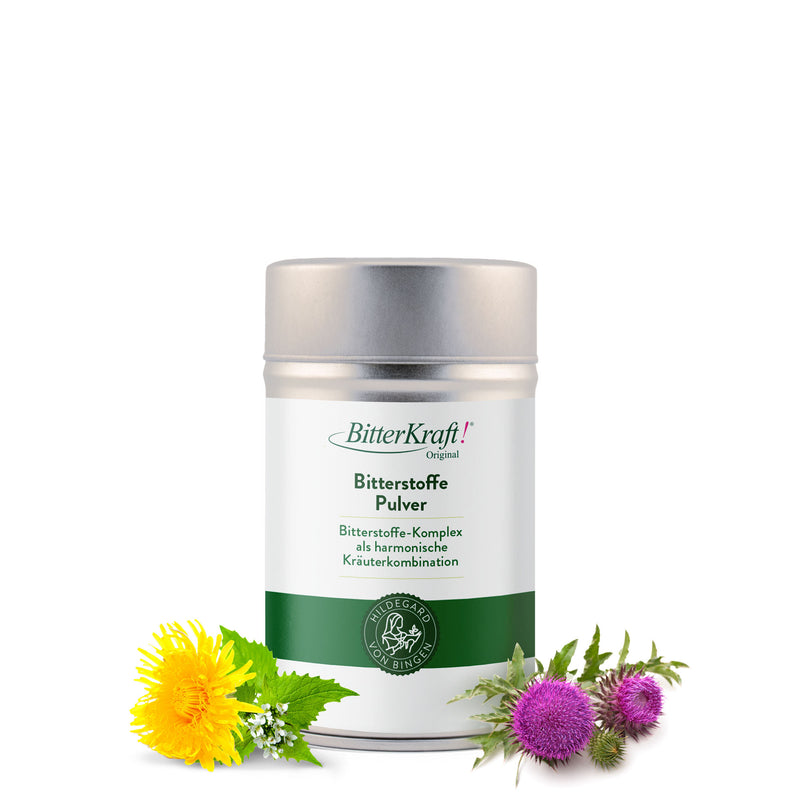
Hildegards Tipp:
- Ausgewählte Bitterkräuter in Pulverform
- Rezeptur auf Basis von 800 Jahren Klosterwissen
- Bitterkraft – der Pionier seit 1996 von 4.000 Heilpraktikern verwendet!
- Beste Naturheilkunde: Bio & vegan
Mariendistel: Die Leber-Pflanze
Die Mariendistel ist unter Fans der Naturheilkunde als Leber-Pflanze bekannt. Der nahe Verwandte von Löwenzahn und Sonnenblumen sieht mit seiner purpur-violetten Distelblüte nicht nur hervorragend aus, er kann ggf. Ihr Leben retten.
Das weltweite Vorkommen der Mariendistel
Bei der Mariendistel (Silybum marianum) handelt es sich um eine seit der Antike als Heilpflanze genutzte Carduoideae-Art. Der Legende nach soll etwas Milch auf eine Distel getropft sein, als die Heilige Maria ihr Kind stillte. So soll die Pflanze zu ihrem Namen gekommen sein. Je nach Region trägt die Mariendistel auch folgende Bezeichnungen:
- Christi Krone
- Heilandsdistel
- Mariendistel
- Donnerdistel
- Fechdistel
- Mariendistel
- Stechkraut
Weit verbreitet ist die Mariendistel rund um das Mittelmeer und im Nahen Osten. Dabei reicht ihr Verbreitungsgebiet bis in den Süden Russlands, den Iran und nach Mitteleuropa. Auf den Kanaren, den Azoren und auf Madeira wächst sie ebenfalls. In Amerika und in Südaustralien wurde sie eingebürgert.
An den Boden stellt die zweijährige Pflanze nur wenig Ansprüche, sodass sie sich auf trockenen, steinigen Untergründen sowie Schuttplätzen und an Wegrändern sehr wohlfühlt.
Die Mariendistel ist ein naher Verwandter vom Löwenzahn und Sonnenblumen. Folglich gehört sie zur Familie der Korbblütler. Ihre Samen verteilt sie wie der Löwenzahn durch die Luft.
Wirkweise der Mariendistel: Für Ihre Leber
Als Heilmittel wird die Mariendistel seit dem Altertum genutzt, allerdings sind uns heute ihre wohltuenden Eigenschaften für die Gesundheit weniger bekannt. Inzwischen gibt es allerdings zahlreiche Produkte aus der Mariendistel zu kaufen.
Ihr Hauptanwendungsgebiet besteht in der Stärkung der Leber. (Wieder-)Entdeckt wurden die positiven Auswirkungen auf die Leber im 19. Jahrhundert vom Arzt Johann Gottfried Rademacher.
Die Wirkstoffe der Mariendistel sollen Giftstoffe am Eindringen in die Leber hindern. Und selbst nach einer Schädigung des Organs sollen sie zu seiner Regeneration beitragen. Bevor Sie zur Behandlung der Leber Mariendistel kaufen, sollten Sie allerdings unbedingt Rücksprache mit Ihren behandelnden Ärzten halten. Am wirksamsten erweisen sich hier Fertigarzneimittel aus Mariendistelextrakt, die es in der Apotheke gibt.
Verantwortlich macht man hierfür zu großen Teilen das Wirkstoffgemisch Silymarin. Dieses kann Studien nach die Zellmembran von Leberzellen stabilisieren, wodurch Toxine schlechter in die Leberzellen eindringen können. Darüber hinaus können wichtige Stoffe wie etwa Enzyme schlechter nach außen gelangen. Zudem besteht der begründete Verdacht, dass durch Silymarin die Leber besser regenerieren kann. Es bestehen etwa Hinweise, dass eine Leberverfettung durch Mariendistelextrakte langsamer vonstattengehen könnte.
Beachten Sie bitte, dass in diesem Fall kein Tee hilft, da die wichtigen Bestandteile nicht bzw. kaum wasserlöslich sind. Darum empfehlen sich Fertigarzneimittel bei Leberbeschwerden, halten Sie jedoch unbedingt Rücksprache mit einem Arzt.
Aus Mariendistel zubereiteter Tee wirkt sich dagegen positiv bei Verdauungsbeschwerden aus. Völlegefühl, Sodbrennen und Blähungen werden schonend gelindert.
Bei Pilzvergiftungen nutzt die Schulmedizin das Kraut oft als Gegenmittel. Der grüne Knollenblätterpilz ist mit für die meisten Pilzvergiftungen mit Todesausgang verantwortlich. Dieser Pilz sieht herkömmlichen Champignons verdächtig ähnlich, weshalb regelmäßig Menschen die beiden Pilzarten verwechseln. Isst man einen grünen Knollenblätterpilz, zerstören dessen Giftstoffe die Leber. Heute verabreicht man Menschen mit einer solchen Pilzvergiftung intravenös gewisse Mariendistelextrakte (Silibinin), um ihr Leben zu retten. Auch bei Lebererkrankungen wie Hepatitis oder Zirrhosen scheint Silymarin helfen zu können.
Früher diente die Heilpflanze unter anderem dem Lösen von Krämpfen und der Anregung des Milchflusses. Hildegard von Bingen verordnete Mariendistel bei entzündlichem Lungen- oder Rippenfell.
Das Wirkstoffgemisch Silymarin: Inhaltsstoffe der Mariendistel
Die leberstärkende Wirkung der Mariendistel geht aus dem Wirkstoffgemisch Silymarin hervor, das aus den Samen der Pflanze gewonnen wird. Die Blätter werden naturheilkundlich nicht verwendet. Außerdem stecken in der Distel Bitterstoffe, Gerbstoffe und Schleimstoffe.
Tatsächlich ist Silymarin ein Flavonoidkomplex. Flavonoide sind sekundäre Pflanzenstoffe, die meistens Blütenfarbstoffe sind. Flavonoide sind darüber hinaus Polyphenole und leiten sich vom chemischen Grundkörper des Flavans ab. Das Silymarin besteht u. a. aus folgenden Flavonoiden:
- Silybin A und B (Silibinine)
- Silychristin
- Silydianin
Die Samen der Mariendistel bestehen zu bis zu 3 % aus dem Flavonoidkomplex Silymarin. Ca. 30 % sind Fett und weitere 30 % Eiweiß. Die Flavonoide werden recht schnell ausgeschieden, weshalb eine regelmäßige Zufuhr empfohlen wird. Darüber hinaus lässt sich Silymarin leider kaum in Wasser lösen, weshalb hochdosierte Fertigpräparate die erste Wahl sind.
Auf die Qualität der Präparate kommt es an
Es sind leider zahlreiche minderwertige und schlechte Präparate mit Mariendistel im Umlauf, weshalb Sie sich klarmachen sollten, woran Sie gute Qualität erkennen. Wichtig ist ein möglichst hoch dosierter Flavonoidkomplex (Silymarin). Hier sind Zusatzstoffe unerwünscht und unnötig. Lesen Sie also Begriffe wie Magnesiumstearat, Talkum, Titanoxid, Lactose, Farbstoffe oder Fette in der Inhaltsangabe, sollten Sie Abstand vom Präparat nehmen.
Es gibt mittlerweile Präparate, welche neben dem Kapselmaterial (Cellulose) lediglich Extrakte der Mariendistel enthalten.
Mögliche Nebenwirkungen
Es können leider durch sehr starke Überdosierungen Nebenwirkungen wie Kopfschmerzen oder eine leicht abführende Wirkung eintreten. Auch können Wechselwirkungen mit anderen Medikamenten entstehen, weil die Mariendistel die Leber beeinflusst, wo Medikamente abgebaut werden. Auch Diabetespatienten sollten Vorsicht walten lassen, da ggf. eine blutzuckersenkende Wirkung von Mariendistel ausgeht.
Dosierungshinweise der Mariendistel
Die hier vorgeschlagenen Dosierungsempfehlungen sind nicht verbindlich. Bitte suchen Sie vor Gebrauch einen Arzt auf, der Ihnen eine Empfehlung aufgrund Ihrer individuellen Lage erteilt.
Nehmen Sie idealerweise mehrmals täglich Präparate mit dem Flavonoidkomplex ein, um einen möglichst ausgeglichenen Spiegel an Flavonoiden zu haben. Kann die Einnahme nur einmal täglich erfolgen, sollte das abends der Fall sein.
Als wirksame Dosen erachtet man tägliche Verzehrsmengen von 200 - 400 mg Silymarin. Achten Sie darauf, keine unterdosierten Präparate zu kaufen. Bei starken Leberbelastungen bzw. Leberschäden werden bis zu 800 mg Silymarin täglich empfohlen. Das ist etwa bei Leberschäden durch Drogen der Fall oder auch bei Leberzirrhose. Vergiftet man sich mit dem grünen Knollenblätterpilz, wird Silibinin injiziert, vom ersten Tag an alle sechs Stunden.
Aussehen der Mariendistel
Bis zu 1,5 Meter in die Höhe ragend, verzweigt sich der Stängel der Mariendistel und trägt die glänzend grünen Blätter mit weißen Flecken, an deren Enden sich Dornen befinden. In ihrer Blütezeit fällt die Pflanze durch ihre purpurfarbenen Blüten auf. Daraus entstehen braun gefleckte Früchte, umgangssprachlich: Samen. Die weißen Streifen bzw. Flecken auf den Blättern sollen die Überreste der Muttermilch der Heiligen Jungfrau Maria sein.
Mariendistel selber pflanzen
Wollen Sie für den eigenen Bedarf Mariendistel im Garten pflanzen, werden die Samen im Frühjahr zwischen März und April eingepflanzt. Wenn Sie kein Frühbeet nutzen oder die Samen auf der Fensterbank gedeihen lassen, erfolgt die Aussaat ins Freiland ab Anfang Mai. Ab Ende Juli gesäte Mariendisteln blühen erst im nächsten Jahr. Der Abstand der eingepflanzten Samen sollte min. 40 cm betragen. Wasser muss Mariendisteln nur bei extremer Trockenheit gegeben werden.
Die Ernte erfolgt im Frühsommer, wenn die Disteln noch Haarkränze tragen und nicht lila verfärbt sind. Dann können Sie die Samen ausklopfen und daraus bspw. einen leckeren Tee zubereiten. Hierfür zermahlen Sie die Samen einfach per Mörser und Stößel, bevor Sie das Pulver mit kochendem Wasser übergießen.
Unterhaltsamte Fakten über Mariendistel
Mariendisteln gehören den Korbblütlern an. Bei bekannten allergischen Reaktionen sollten Sie deshalb lieber auf eine Anwendung verzichten.
Mariendistel: Häufig gestellte Fragen
War Mariendistel Arzneipflanze des Jahres?
Ja, die Mariendistel hat sich den Titel der „Arzneipflanze des Jahres 2021” in Österreich erkämpft. Seit 2017 wird jedes Jahr von der Herbal Medicinal Products Platform Austria eine Heilpflanze zur Arzneipflanze des Jahres erkoren. Grund hierfür war, dass in Österreich viel Mariendistel kultiviert wird und dass sich immer mehr Beweise für Ihre positiven Wirkungen finden lassen.
Kann ich Mariendistelblätter roh essen?
Ja, das können Sie. Wichtig ist nur, zuvor die Dornen auf den Blättern zu entfernen. Natürlich können Sie die Blätter auch gekocht genießen. Die Mariendistelknospen können ebenfalls in der Küche eingesetzt werden, sie erinnern kulinarisch an Artischocken.
Kann ich Mariendisteln während der Schwangerschaft und Stillzeit nehmen?
Prinzipiell gilt, dass Sie vor jeglichem Medikamentengebrauch in der Schwangerschaft und Stillzeit einen Arzt fragen sollten. Bei Mariendisteln liegen nicht ausreichend Untersuchungen vor, als dass die Einnahme empfohlen werden kann.
Gibt es bekannte Wechselwirkungen zwischen Mariendisteln und anderen Medikamenten?
Mariendisteln können die Wirkung von blutzuckersenkenden Medikamenten verstärken. Auch können Medikamente zur Behandlung von HIV-Infektionen durch Mariendistel beeinflusst werden. Es lohnt sich also, vor Gebrauch Rücksprache mit einem Arzt zu halten.
Gibt es wissenschaftliche Forschung und Studien zum Gebrauch der Mariendistel bei Krebserkrankungen?
Es gibt keine festen Beweise für einen Einfluss auf den Verlauf einer Krebserkrankung durch Mariendistel. Einzelne Studien, in denen jedoch nur einfache Zellkulturen untersucht wurden, geben erste Hoffnungen. Eine Studie von Dr. Agarwal und Kollegen zeigte etwa, dass bei einfachen Zellkulturen Silymarin Zellsignale, die mit Krebs in Verbindung stehen, beeinflussen kann. [1]
Eine weitere Untersuchung an Mäusen zeigte, dass die Metastasenbildung und das Wachstumsvermögen von Krebstumoren durch Silymarin gehemmt werden konnte.[2] Wie gesagt, sind diese Studien jedoch in keinster Weise feste Beweise und liefern nur erste Hinweise.
Quellen
[1] https://link.springer.com/article/10.1007/s10555-010-9237-0
[2] https://www.sciencedaily.com/releases/2015/04/150420144350.htm

Über den Autor Henrik Aulbach
Weitere Artikel
Magenbitterstoffe vor dem Essen: Warum die Reihenfolge entscheidend ist
Magenbitterstoffe vor dem Essen » Nach Hildegard von Bingen ✓ Ohne Zusatzstoffe ✓ Made in Germany – Jetzt mehr erfahren
Bitterstoffreiche Smoothies: Grüne Rezepte für den Verdauungsstart am Morgen
Bitterstoff-Smoothies für den Morgen » Nach Hildegard von Bingen ✓ Vegan ✓ Ohne Zusatzstoffe – Jetzt Rezepte entdecken!
Hildegard von Bingens Dinkelrezepte für eine gesunde Verdauung
Hildegard von Bingens Dinkelrezepte » Nach Hildegard von Bingen ✓ Ohne Zusatzstoffe ✓ Biozertifiziert – Jetzt entdecken