

Henrik Aulbach ist erfahrener Gesundheitsredakteur mit über 10 Jahren Erfahrung, Experte für pflanzliche Wirkstoffe und Kultivierung, Co-Gründer, Buchautor und selbstständiger Fachtexter im Gesundheitswesen seit 2020.
Erfahren Sie hier mehr über diesen Autor.

Melisse – Heilwirkung und Anwendung
Vorkommen von Melisse
Bei der Melisse handelt es sich um eine Pflanzengattung, die der Familie der Lippenblütler angehört. Am bekanntesten ist hierzulande die Zitronenmelisse (Meliss...

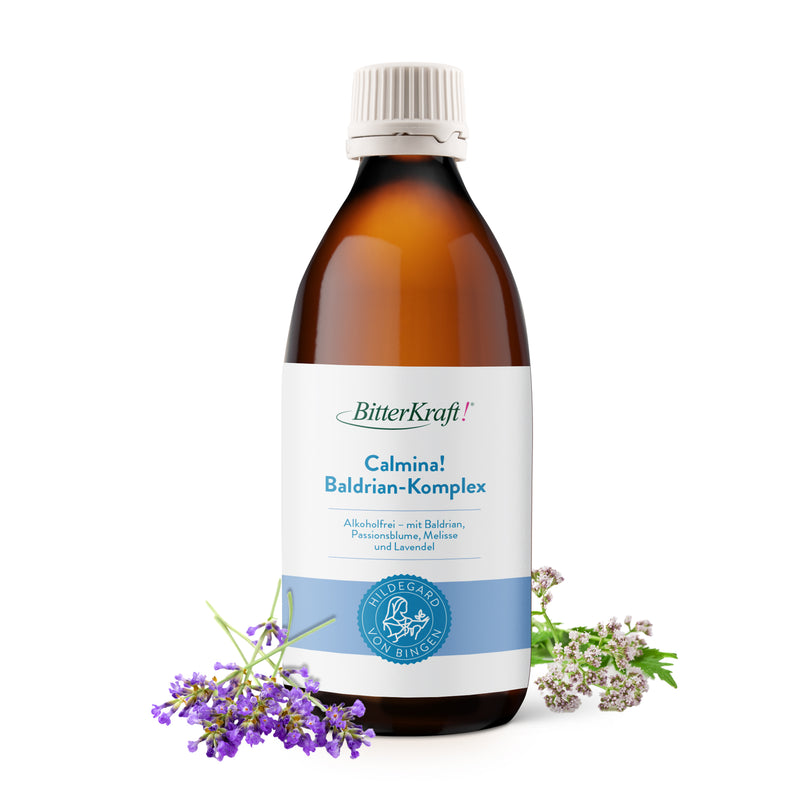
Hildegards Tipp:
- Fein abgestimmtes Nahrungsergänzungsmittel mit Baldrian, Lavendel, Passionsblume & Hopfen
- Rezeptur auf Basis von 800 Jahren Klosterwissen
- Bitterkraft – der Pionier seit 1996 von 4.000 Heilpraktikern verwendet!
- Beste Naturheilkunde: Bio & vegan
Vorkommen von Melisse
Bei der Melisse handelt es sich um eine Pflanzengattung, die der Familie der Lippenblütler angehört. Am bekanntesten ist hierzulande die Zitronenmelisse (Melissa officinalis), deren Name sich auf ihren Duft nach Zitrone zurückführen lässt.
Vom östlichen Mittelmeerraum und Westasien aus verbreitete sie sich allmählich in allen gemäßigten und warmen Gebieten der Welt. An sonnigen und nährstoffreichen Standorten gedeiht die wärmeliebende Melisse besonders gut. Als Wildpflanze findet sich das ausdauernde Kraut vor allem an Forststraßen und auf Waldschlägen.
Inhaltsstoffe von Melisse
Als Heilpflanze wurde die Melisse schon lange verwendet – sogar schon, bevor sie im Mittelalter zahlreiche Klostergärten bereicherte, teilweise sogar per Verordnung. Das Kraut ist reich an ätherischem Öl. Dieses besteht aus den Substanzen Citral, Geranial, Neral und Citronellal, die der Zitronenmelisse ihren unverkennbaren Duft verleihen. Beta-Caryophyllen und Lamiaceengerbstoffe, unter anderem Rosmarinsäure und Kaffeesäure, bilden weitere wichtige Inhaltsstoffe.
Wirkweise von Melisse
Die Zitronenmelisse verströmt nicht nur einen zitronenartigen Duft, auch ihre Blätter weisen ein Zitronenaroma auf. Deshalb eignet sie sich als Gewürzkraut in der Küche ebenfalls wunderbar. Frisch peppt Melisse jeden Salat und Quark auf, verfeinert aber auch Fisch, Geflügel und Wild. In Getränken stellen frisch gezupfte Blätter allein eine hübsche Garnierung dar. Beim Kochen verliert die Melisse dagegen ihre leicht fruchtige, aber gleichzeitig angenehm würzige Note.
Der schon früh belegten Nutzung als Bienenweide verdankt das Kraut seinen Namen: Melisse geht auf Melitta zurück, Griechisch für Honigbiene. Und auch heute locken die Pflanzen Bienen und weitere Insekten in den Garten.
Auch als Heilpflanze blickt die Zitronenmelisse auf eine lange Tradition in der Menschheitsgeschichte zurück. Hierfür war sie bereits im Altertum gefragt. Hildegard von Bingen, die Kräuterkundige des Mittelalters, empfahl ihre Verwendung als Stimmungsaufheller. Damit griff die Heilige ihrer Zeit voraus: Heute ist die beruhigende und schlaffördernde Wirkung der Melisse belegt. Auch bei nervöser Unruhe kann sie auf diese Weise helfen.
Innerlich angewendet vermag die Pflanze, zum Beispiel zubereitet als Tee, auch Magen-Darm-Beschwerden lindern, vor allem, wenn sie mit Bauchkrämpfen oder Blähungen einhergehen. Äußerlich eignen sich Cremes mit Melisse zur Behandlung von Lippenherpes.
Aussehen von Melisse
Als ausdauerndes Kraut kann Melisse richtig alt werden – bis zu 30 Jahre – und zwischen 20 und 90 Zentimeter in die Höhe sprießen. Aus ihrem kräftigen Wurzelstock geht der vierkantige Stängel hervor, der sich weit verzweigt. Die gezähnten Blätter der Melisse werden von einer groben Aderung durchsetzt, an deren Enden sich kleine Öldrüsen befinden. Im zweiten Jahr steht die Melisse erstmals in Blüte.

Über den Autor Henrik Aulbach
Weitere Artikel
Magenbitterstoffe vor dem Essen: Warum die Reihenfolge entscheidend ist
Magenbitterstoffe vor dem Essen » Nach Hildegard von Bingen ✓ Ohne Zusatzstoffe ✓ Made in Germany – Jetzt mehr erfahren
Bitterstoffreiche Smoothies: Grüne Rezepte für den Verdauungsstart am Morgen
Bitterstoff-Smoothies für den Morgen » Nach Hildegard von Bingen ✓ Vegan ✓ Ohne Zusatzstoffe – Jetzt Rezepte entdecken!
Hildegard von Bingens Dinkelrezepte für eine gesunde Verdauung
Hildegard von Bingens Dinkelrezepte » Nach Hildegard von Bingen ✓ Ohne Zusatzstoffe ✓ Biozertifiziert – Jetzt entdecken