

Henrik Aulbach ist erfahrener Gesundheitsredakteur mit über 10 Jahren Erfahrung, Experte für pflanzliche Wirkstoffe und Kultivierung, Co-Gründer, Buchautor und selbstständiger Fachtexter im Gesundheitswesen seit 2020.
Erfahren Sie hier mehr über diesen Autor.

Fenchel – Heilwirkung und Anwendung
Vorkommen von Fenchel
Bei der Pflanze, die wir heute unter der Bezeichnung Fenchel kennen, handelt es sich um eine spezielle Zuchtform, die sich rund um den Globus verbreitet hat. Di...

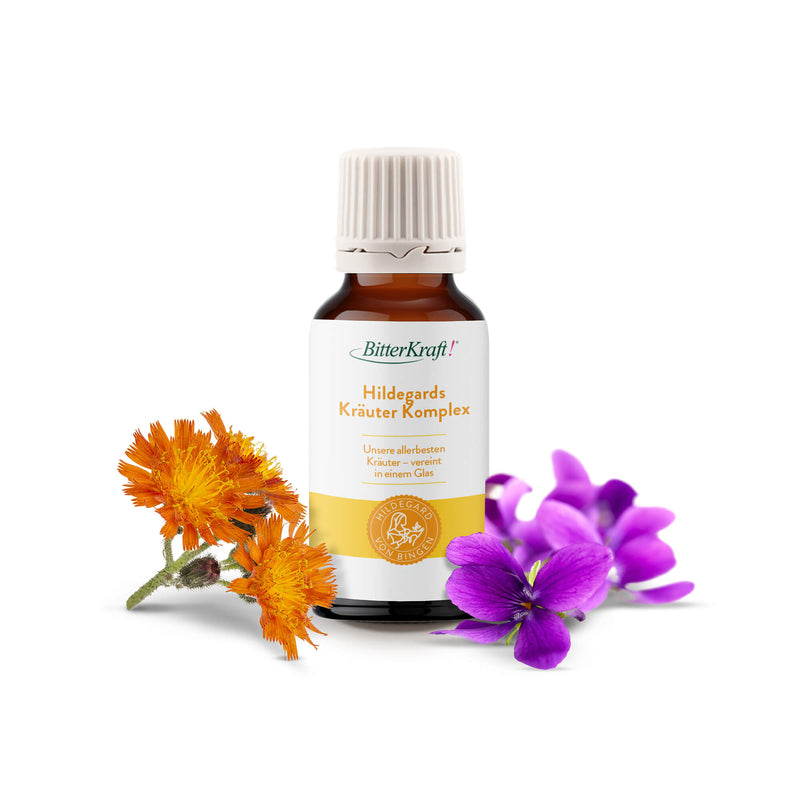
Hildegards Tipp:
- Milder Kräutergeist mit 5 Hildegard-Heilpflanzen für die Seele
- Rezeptur auf Basis von 800 Jahren Klosterwissen
- Bitterkraft – der Pionier seit 1996 von 4.000 Heilpraktikern verwendet!
- Beste Naturheilkunde: Bio & vegan
Vorkommen von Fenchel
Bei der Pflanze, die wir heute unter der Bezeichnung Fenchel kennen, handelt es sich um eine spezielle Zuchtform, die sich rund um den Globus verbreitet hat. Die Heimat von Fenchel liegt im Mittelmeerraum und in Vorderasien, wo er seine bevorzugt trockenen Böden vorfindet und wo es bis in den Herbst hinein warm-sonnig ist. Genau genommen lässt sich die uns heute wohlbekannte Knolle in drei Varietäten unterteilen, deren Unterschiede im Wuchs und in der Verwendung liegen:
Wilder Fenchel, auch Bitterfenchel genannt, (Foeniculum vulgare subsp. vulgare var. vulgare), der sich durch seinen bitteren Geschmack auszeichnet
Gewürzfenchel, auch als Süßfenchel bekannt, (Foeniculum vulgare subsp. vulgare var. dulce)
Gemüsefenchel Knollenfenchel (Foeniculum vulgare subsp. vulgare var. azoricum), bei dem die Knolle besonders üppig ausfällt
Schon die alten Ägypter kultivierten und nutzten die Pflanze für verschiedene Zwecke. Im Mittelalter war er in jedem Kräuterbuch aufgeführt. Verwildert trifft man ihn heute in Mitteleuropa auch zuweilen an. Innerhalb der Pflanzenfamilie der Doldenblüter bildet Fenchel die einzige Pflanzenart, die der Gattung Foeniculum zugerechnet wird.
Inhaltsstoffe von Fenchel
Fenchel besitzt einen hohen Anteil an ätherischem Öl, das sich aus unter anderem aus Anethol, Menthol und Fenchon zusammensetzt. Diese Stoffe verantworten auch den typischen Anisgeschmack, der der Knolle eigen ist. Außerdem ist er reich an Eisen, Kalium, Vitamin A und C – von Letzterem enthält er sogar mehr als so manche Frucht.
Wirkweise von Fenchel
Aus mediterranen Gerichten ist das kalorienarme Gemüse kaum wegzudenken. Dabei werden in der Küche vom Fenchel neben der Knolle auch die Samen verwendet. Er lässt sich dabei einerseits in Salaten – besonders lecker in Kombination mit Nüssen – oder als Snack roh zubereiten. Andererseits kann Fenchel auch gegart, gedünstet, gebraten und geschmort werden. Traditionell wird er zu Fisch gereicht.
Bitterfenchel, der keine oberirdische, essbare Knolle ausbildet, lässt sich ebenfalls kulinarisch aufbereiten. Hier sind die Blätter von Interesse, die roh Gemüsegerichte, Suppen, Salate und Käse verfeinern.
Die Nutzung von Fenchel als Heilpflanze hat eine lange Tradition. Das enthaltene ätherische Öl wirkt sich vor allem auf die Verdauung positiv aus – so wird selbst schwere Kost leicht verdaulich. Ebenso soll er Menstruationsbeschwerden lindern. Bei Husten wird er ebenfalls seit jeher gern eingesetzt – zugutekommen ihm hierbei seine schleimlösenden Eigenschaften. Äußerlich verwendet, kann Fenchel bei Hautproblemen helfen.
Aussehen von Fenchel
Fenchel wächst als zweijährige krautige Pflanze und erreicht dabei Höhen von bis zu zwei Metern. Die Speicherblätter sind beim Gemüsefenchel zu einer Knolle ausgeformt. An dem kahlen Stängel wachsen zwischen sechs bis 29 Döldchen, die sich aus bis zu 42 kleinen gelben Blüten zusammensetzen.

Über den Autor Henrik Aulbach
Weitere Artikel
Magenbitterstoffe vor dem Essen: Warum die Reihenfolge entscheidend ist
Magenbitterstoffe vor dem Essen » Nach Hildegard von Bingen ✓ Ohne Zusatzstoffe ✓ Made in Germany – Jetzt mehr erfahren
Bitterstoffreiche Smoothies: Grüne Rezepte für den Verdauungsstart am Morgen
Bitterstoff-Smoothies für den Morgen » Nach Hildegard von Bingen ✓ Vegan ✓ Ohne Zusatzstoffe – Jetzt Rezepte entdecken!
Hildegard von Bingens Dinkelrezepte für eine gesunde Verdauung
Hildegard von Bingens Dinkelrezepte » Nach Hildegard von Bingen ✓ Ohne Zusatzstoffe ✓ Biozertifiziert – Jetzt entdecken