

Henrik Aulbach ist erfahrener Gesundheitsredakteur mit über 10 Jahren Erfahrung, Experte für pflanzliche Wirkstoffe und Kultivierung, Co-Gründer, Buchautor und selbstständiger Fachtexter im Gesundheitswesen seit 2020.
Erfahren Sie hier mehr über diesen Autor.

Dinkelspelze – Heilwirkung und Anwendung
Als Dinkelspelze werden die Hüllen der Dinkelgetreidekörner bezeichnet. Dinkel, den schon Hildegard von Bingen als sehr wertvoll erachtete und der heute noch einen wichtigen Bestandteil der H...
Als Dinkelspelze werden die Hüllen der Dinkelgetreidekörner bezeichnet. Dinkel, den schon Hildegard von Bingen als sehr wertvoll erachtete und der heute noch einen wichtigen Bestandteil der Hildegard-Medizin ausmacht, gehört den Spelzgetreidesorten an. Getreidesorten mit Spelzen stehen Nacktgetreide gegenüber, wozu Weizen und Roggen zählen.

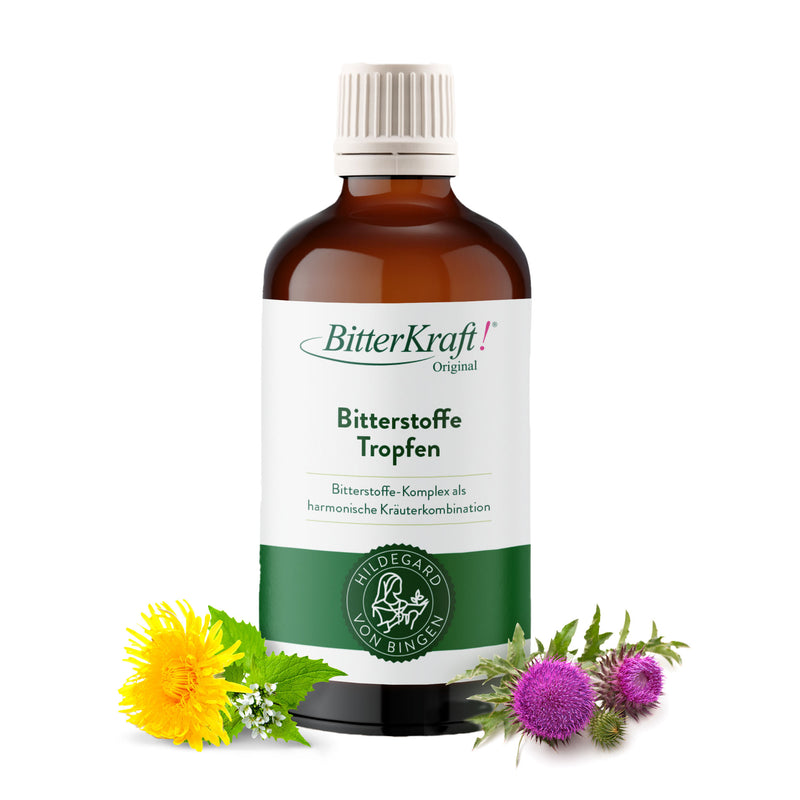
Hildegards Tipp:
- Wertvolle Bitterstoffe nach Hildegard Von Bingen
- Rezeptur auf Basis von 800 Jahren Klosterwissen
- Bitterkraft – der Pionier seit 1996 von 4.000 Heilpraktikern verwendet!
- Beste Naturheilkunde: Bio & vegan
Funktion
Dinkelspelze umschließen das Korn fest. Vor- und Deckspelze sind dabei mit der Frucht verwachsen. Die Spelze bieten dem Getreide Schutz, sodass die Körner auf dem Feld nicht der Witterung ausgesetzt sind. Sonne, Wind und Regen, aber auch Schnee und Kälte können dem Dinkel durch die schützenden Hüllen weniger anhaben. Auch andere Umwelteinflüsse lassen sich durch die Dinkelspelze abwehren. Dazu zählen Schädlinge, die dem Korn Schaden zufügen, auf der einen Seite und Getreidekrankheiten auf der anderen Seite. Spelzgetreide wie Dinkel verhält sich dadurch deutlich unempfindlicher gegenüber Einflüssen der Umwelt als Nacktgetreide und eignet sich deshalb besonders gut für den Bio-Anbau.
Besonderheit
So praktisch sich die Spelze beim Anbau erweisen, so umständlich wirken sie sich nach der Ernte aus. Die Dinkelspelze selbst sind ungenießbar. Sie müssen, bevor das Getreide zu Mehl oder Schrot weiterverarbeitet wird, in einem aufwendigen Prozess von den Körnern entfernt werden – dem Entspelzen. In der Getreidemühle wird der Dinkel in einem extra Mahlgang von den Spelzen befreit. Dies erfolgt durch einen größeren Abstand zwischen den Mahlsteinen. In modernen Betrieben trennen Gummiwalzenschäler bzw. Vertikalschleifer die Dinkelspelze vom Korn.
Wegen des zusätzlichen Arbeitsschritts in der Getreidemühle gilt Dinkel als weniger ergiebig und wurde von anderen Getreidesorten zunehmend verdrängt. Erst in der letzten Zeit erlebte das Spelzgetreide durch ein stärkeres Bewusstsein für eine gesunde Ernährung eine Renaissance und kehrte wieder vermehrt auf unsere Äcker zurück.
Inhaltsstoffe
Dinkelspelze weisen einen geringen Nährwert auf. Dafür ist ihr Gehalt an Rohfasern recht hoch. Deshalb sind sie schlecht zu verdauen. Als Futtermittel lassen sich die Spelze dadurch eher nicht verwerten.
Die Inhaltsstoffe des Dinkels selbst sind dagegen mit denen des verwandten Weizens vergleichbar. Durch das ausreichend in Dinkel vorkommende Klebeeiweiß lässt sich mit Dinkel genauso gut backen wie mit anderen Getreidesorten.
Verwendung
Dinkelspelze sind luftdurchlässig und fallen locker. Deshalb eignen sie sich ideal als natürliche Füllung von Kissen und Nackenrollen. Auch als Zusätze für Duft- und Kräuterkissen lassen sich die Hüllen des Korns verwenden.

Über den Autor Henrik Aulbach
Weitere Artikel
Magenbitterstoffe vor dem Essen: Warum die Reihenfolge entscheidend ist
Magenbitterstoffe vor dem Essen » Nach Hildegard von Bingen ✓ Ohne Zusatzstoffe ✓ Made in Germany – Jetzt mehr erfahren
Bitterstoffreiche Smoothies: Grüne Rezepte für den Verdauungsstart am Morgen
Bitterstoff-Smoothies für den Morgen » Nach Hildegard von Bingen ✓ Vegan ✓ Ohne Zusatzstoffe – Jetzt Rezepte entdecken!
Hildegard von Bingens Dinkelrezepte für eine gesunde Verdauung
Hildegard von Bingens Dinkelrezepte » Nach Hildegard von Bingen ✓ Ohne Zusatzstoffe ✓ Biozertifiziert – Jetzt entdecken