

Es gibt kaum eine Pflanze, die so tief in der europäischen Kräutertradition verwurzelt ist wie der Wermut (Artemisia absinthium). Seit Jahrtausenden begleitet dieses silbrig schimmernde Kraut mit seinem unnachahmlich intensiven Bittergeschmack die Menschen – als Ritualpflanze, als geschätztes Kulturgut in Klostergärten und als fester Bestandteil der traditionellen Naturheilkunde. Wer sich einmal mit dem Wermut beschäftigt hat, stößt unweigerlich auf eine Welt voller Geschichte, Symbolik und faszinierender Pflanzenkraft. Dieser Artikel nimmt dich mit auf eine Reise durch die Welt des Wermuts – von seinen botanischen Besonderheiten über historische Quellen bis hin zu praktischen Anwendungshinweisen für den Alltag.
Was ist Wermut? Botanik, Geschichte und der unverwechselbare Bittergeschmack
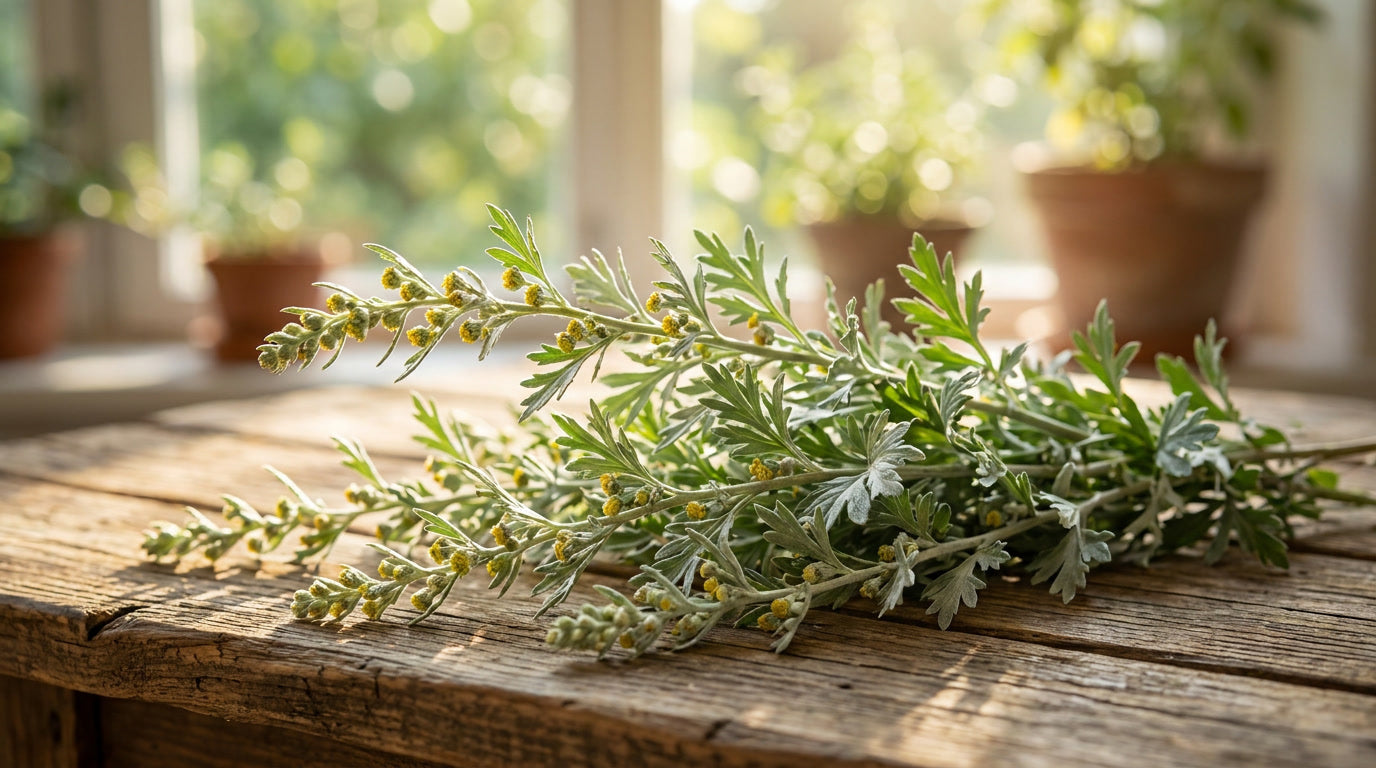
Wermut gehört zur Gattung Artemisia und ist damit eng verwandt mit anderen bedeutenden Heilpflanzen wie Beifuß und Estragon. Die Pflanze wächst bevorzugt auf kargen, sonnigen Böden – an Wegrändern, Böschungen und steinigen Hängen – und kann eine Höhe von bis zu einem Meter erreichen. Charakteristisch sind ihre silbrig-grünen, fein gefiederten Blätter, die beim Zerreiben einen intensiven, aromatisch-bitteren Duft verströmen. Die kleinen, gelblichen Blütenköpfchen erscheinen zwischen Juli und September und machen die Pflanze zu einem unverwechselbaren Anblick in der freien Natur. In Deutschland, Österreich und der Schweiz ist Wermut heimisch und kann in manchen Regionen regelrecht wild wuchernd angetroffen werden.
Die Geschichte des Wermuts reicht weit in die Antike zurück. Bereits im alten Ägypten findet sich Wermut als Bestandteil von Papyrus-Rezepten, und im antiken Griechenland war die Pflanze der Göttin Artemis geweiht – daher auch der wissenschaftliche Gattungsname Artemisia. Im Mittelalter erlebte Wermut seine vielleicht bedeutendste Blütezeit in den Klostergärten Mitteleuropas, wo Mönche und Nonnen das Kraut kultivierten und sein Wissen in Kräuterbüchern festhielten. Besonders bekannt ist Wermut aus der Welt der Spirituosen: Der legendäre Absinth des 19. Jahrhunderts verdankt seinen Namen direkt dem lateinischen Artnamem absinthium, und auch Wermut-Wein (Vermouth) – der Name ist eine klangliche Ableitung vom deutschen Wort „Wermut" – ist bis heute ein weltbekanntes Getränk.
Was den Wermut so besonders macht, ist sein außergewöhnlich hoher Bitterwert. Er gilt als eine der bittersten Pflanzen der Welt – verantwortlich dafür ist vor allem der Bitterstoff Absinthin, der zusammen mit weiteren Bitterstoffen wie Artabsin und Anabsinthin ein komplexes Profil ergibt. Hinzu kommen ätherische Öle (darunter Thujon, Cineol und Azulen), Flavonoide, Gerbstoffe und organische Säuren. Diese Kombination macht Wermut zu einem der interessantesten Vertreter der BitterKraft Original Pflanzenwelt und erklärt, warum er seit Jahrhunderten in der Naturheilkunde einen so herausragenden Platz einnimmt.
Die wichtigsten Inhaltsstoffe des Wermuts im Überblick:
- Absinthin & Artabsin: Charakteristische Sesquiterpenlactone, die für den intensiven Bittergeschmack des Wermuts verantwortlich sind – zu den konzentriertesten Bitterstoffen im Pflanzenreich.
- Thujon: Dominantes ätherisches Öl, das dem Wermut sein typisches, herb-würziges Aroma verleiht; historisch vieldiskutierter Inhaltsstoff im Zusammenhang mit Absinth.
- Flavonoide: Sekundäre Pflanzenstoffe wie Artemetin und Casticin, die in der traditionellen Pflanzenheilkunde geschätzt werden.
- Gerbstoffe: Verleihen dem Wermut eine adstringierende Komponente und tragen zu seinem komplexen Geschmacksprofil bei.
- Azulen: Entsteht bei der Dampfdestillation des ätherischen Öls und ist für die charakteristisch bläuliche Farbe des Wermutöls verantwortlich.
Hildegard von Bingen und die Klostermedizin: Wermut als heilige Bitternispflanze
Kaum jemand hat das Bild des Wermuts in der europäischen Heilkunde so nachhaltig geprägt wie Hildegard von Bingen (1098–1179). Die Benediktinerin, Mystikerin und Naturkundlerin widmete dem Wermut in ihrem Werk Physica besondere Aufmerksamkeit und beschrieb ihn als eine der bedeutsamsten Pflanzen überhaupt. Für Hildegard war Wermut kein gewöhnliches Kraut – er verkörperte eine Art heilige Bitterkeit, die dem Körper helfe, das innere Gleichgewicht zu finden. Sie sah in der intensiven Bitternote keine unangenehme Eigenschaft, sondern eine Tugend: die Fähigkeit der Pflanze, den Menschen zu erden und zu stärken.
„Wermut ist warm und trocken… und was auch immer im Menschen fault und krank ist, das reinigt der Wermut wie ein guter Koch das Schmutzige vom Guten scheidet."
— Hildegard von Bingen, Physica (12. Jahrhundert)
Hildegards Kräuterwissen war tief in einem ganzheitlichen Weltbild verwurzelt, das den Menschen als Teil eines kosmischen Gleichgewichts verstand. Wermut nahm in diesem System eine besondere Stellung ein, weil er nach Hildegards Überzeugung gleich mehrere Aspekte des menschlichen Wohlbefindens anspreche. Sie empfahl ihn in verschiedenen Zubereitungsformen – als Tee, als Wein-Auszug und als äußerliche Anwendung – und betonte stets, dass die Bitterkeit der Pflanze ihr eigentliches Wesen sei. Diese Ansicht steht in perfektem Einklang mit der modernen Sichtweise der Hildegard von Bingen Produkte Medizin, die Bitterstoffe als fundamentalen Bestandteil einer gesunden Ernährung und Lebensweise betrachtet.
Das Wissen Hildegards war jedoch nicht isoliert, sondern eingebettet in eine breitere Tradition der Klostermedizin. In den Kräutergärten der Benediktinerklöster, der Zisterzienser und anderer Orden gehörte Wermut zu den unverzichtbaren Pflanzen. Klosterbrüder stellten aus ihm Wermutbier, Wermutessig und alkoholische Auszüge her, die als wertvolle Ergänzung im Klosterleben galten. Diese Tradition des bewussten Umgangs mit Bitterstoffen lebt heute in modernen Konzepten der Naturheilkunde weiter und erfährt durch das wachsende Interesse an traditionellen Heilpflanzensystemen eine bemerkenswerte Renaissance. Wer sich für diese reiche Tradition interessiert, findet im Bereich BitterKraft Original eine Welt voller faszinierender Pflanzen und Wissensschätze.
Hildegard von Bingen widmete dem Wermut in ihrer Physica besondere Aufmerksamkeit und bezeichnete ihn sinngemäß als Pflanze, die das Unreine vom Reinen scheide – ein Bild, das die Bedeutung von Bitterstoffen in der mittelalterlichen Heilkunde treffend zusammenfasst.
Traditionelle Anwendung und Erfahrungen: So wird Wermutkraut seit Jahrhunderten verwendet
Die traditionelle Anwendung des Wermuts ist so vielfältig wie seine Geschichte lang. Am bekanntesten ist sicher der Wermuttee, der aus getrockneten Blättern und Blütenspitzen des Krauts zubereitet wird. In der volksheilkundlichen Überlieferung wird dieser Tee traditionell vor den Mahlzeiten getrunken – ein Ritual, das sich bis in die Gegenwart erhalten hat und von vielen Menschen als bewusste, achtsame Vorbereitung auf das Essen verstanden wird. Die intensive Bitternote des Tees ist gewöhnungsbedürftig, doch viele Naturheilkunde-Begeisterte berichten, dass genau diese Intensität Teil der Erfahrung ist – ein Wachruf der Sinne, der den Übergang zum Essen bewusst macht.
Neben dem klassischen Tee hat Wermut eine lange Tradition als Zutat in Bittertinkturen und Kräuterlikören. Sogenannte Magenbitter, die in vielen europäischen Ländern eine jahrhundertelange Tradition haben, enthalten häufig Wermut als eine ihrer zentralen Zutaten. Im Rahmen von Fasten-Produkte-Kuren wird Wermut traditionell eingesetzt, um den Körper beim Übergang in eine neue Ernährungsphase zu begleiten. Auch als Gewürzkraut hat Wermut historische Bedeutung: Vor der Verbreitung des Hopfens war Wermut eine der wichtigsten Bitterpflanzen in der Bierbrauerei, und in manchen regionalen Küchen Europas wird er bis heute sparsam als Würzkraut eingesetzt.
Erfahrungsberichte aus der Naturheilkunde-Community zeichnen ein konsistentes Bild: Besonders Menschen, die sich intensiv mit der Bitterstoffe-Tradition beschäftigen – etwa im Rahmen der Hildegard-Medizin oder ayurvedisch inspirierter Ansätze – berichten von einem gesteigerten Bewusstsein für ihren Körper und ihr Essverhalten. Viele schätzen das morgendliche oder vorbereitende Ritual mit Wermutkraut als Anker in ihrem Alltag, als bewussten Moment der Stille und Verbindung zur Natur. Diese rituellen und kulturellen Dimensionen der Wermut-Anwendung sind es, die das Kraut weit über eine rein funktionale Betrachtung hinaus interessant machen.
Wermut wird in der europäischen Volksmedizin seit Jahrhunderten traditionell als Bestandteil von Bittertinkturen, Kräutertees und vor dem Essen eingenommenen Ritualen verwendet – diese Tradition erlebt heute eine bemerkenswerte Wiederentdeckung.
Traditionelle Zubereitungsformen von Wermut im Überblick:
- Wermuttee: Klassische Zubereitung aus ca. 1 TL getrockneten Wermutblättern auf 250 ml heißem Wasser; traditionell 5–10 Minuten ziehen lassen und vor der Mahlzeit genießen.
- Bittertinktur: Alkoholischer Auszug, bei dem Wermut oft mit anderen Bitterpflanzen wie Enzian, Artischocke oder Ingwer kombiniert wird; historisch weit verbreitet in der Klostermedizin.
- Wermutessig: Maceration von Wermut in gutem Apfelessig; in der Volksmedizin traditionell für äußerliche Anwendungen überliefert.
- Wermutpulver: Getrocknete und gemahlene Wermutkraut-Blätter, die sich als Zutat in modernen Bitterstoffe-Präparaten wiederfinden.
- Wermut-Kräuterwein: Historische Zubereitung nach Hildegard'schem Vorbild; Wermut in trockenem Weißwein angesetzt und traditionell in kleinen Mengen vor dem Essen gereicht.
Wermutkraut im modernen Alltag: Rituale, Kombination mit anderen Bitterpflanzen und Hinweise zur Verwendung
In einer Zeit, in der das Interesse an traditionellen Heilpflanzen und bewusster Ernährung stark wächst, erlebt Wermut eine echte Renaissance. Immer mehr Menschen entdecken die Faszination von Bitterstoffen neu – nicht als Medizin im pharmakologischen Sinne, sondern als Teil eines bewussten, an der Natur orientierten Lebensstils. Wermut passt dabei perfekt in das Konzept des „Hinzufügens statt Weglassens": Es geht nicht darum, etwas aus dem Leben zu eliminieren, sondern vielmehr darum, wertvolle traditionelle Praktiken wieder in den Alltag zu integrieren und damit das allgemeine Wohlbefinden zu bereichern. Wer sich neben Bitterstoffen auch für weitere Bereiche der Naturheilkunde interessiert, findet bei Bitterkraft ein breites Sortiment – von Kräutertees bis hin zu traditionellen Pflanzenpräparaten.
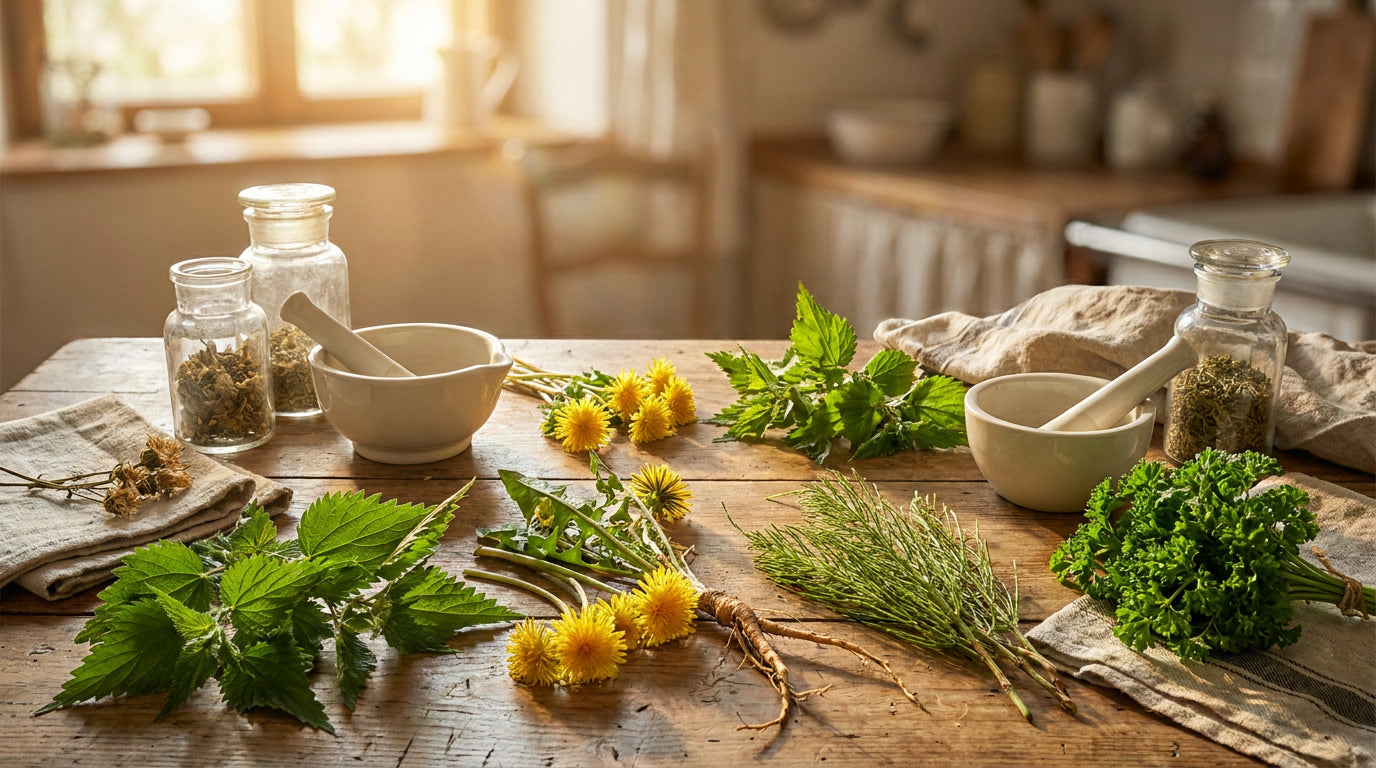
Besonders spannend ist die Kombination von Wermut mit anderen traditionellen Bitterpflanzen. In der Naturheilkunde gilt das Prinzip der Synergien: Verschiedene Bitterpflanzen mit unterschiedlichen Inhaltsstoff-Profilen ergänzen sich gegenseitig und ergeben ein vielschichtigeres Gesamtbild. Wermut harmoniert traditionell besonders gut mit Enzian (einer der kräftigsten Bitterstoffe überhaupt), Artischocke, Löwenzahn und Mariendistel. Solche Kombinationspräparate sind heute als hochwertige Tinkturen oder Kapseln erhältlich und ermöglichen einen komfortablen Einstieg in die Welt der Bitterstoffe – auch für Menschen, denen der pure Wermuttee zunächst zu intensiv erscheint.
Wermut in Kombination: Traditionelle Bitterpflanzen-Partner
In der Klostermedizin und der europäischen Volksmedizin wurde Wermut selten allein, sondern häufig in Kombination mit anderen Bitterpflanzen verwendet. Typische Begleiter sind:
- Enzian (Gentiana lutea): Der „König der Alpenkräuter" mit einem der höchsten Bitterwerte im Pflanzenreich; seit der Antike in der Naturheilkunde traditionell geschätzt und häufig Partner von Wermut in klassischen Bitterrezepturen.
- Artischocke (Cynara scolymus): Reich an Cynarin und weiteren Bitterstoffen; seit der Antike bekannt und traditionell in südeuropäischen Kulturen als Bestandteil von Mahlzeiten und Kräuterpräparaten verwendet.
- Mariendistel (Silybum marianum): Mit dem Wirkstoffkomplex Silymarin; seit Jahrhunderten in der europäischen Kräutertradition geschätzt und heute eine der bekanntesten Heilpflanzen Europas.
- Löwenzahn (Taraxacum officinale): Enthält Taraxacin und Taraxacerin als charakteristische Bitterstoffe; in der Volksmedizin von Frühjahr bis Herbst traditionell als Kur verwendet und bis heute eine der beliebtesten Heilpflanzen Europas.
Wer mit Wermut beginnen möchte, dem empfiehlt die Tradition eine sanfte Heranführung. Ein guter Einstieg ist ein schwach aufgebrühter Wermuttee, der zunächst mit milderen Bitterpflanzen wie Pfefferminze oder Fenchel gemischt werden kann, um den intensiven Geschmack abzumildern. Mit der Zeit kann die Intensität gesteigert werden – viele Anwender berichten, dass sie die Bitternote mit zunehmender Erfahrung nicht nur tolerieren, sondern regelrecht genießen lernen. Dieser Prozess der Geschmacksschulung ist selbst ein Teil der Tradition: In vielen Kulturen gilt die Fähigkeit, Bitterkeit zu schätzen, als Zeichen von Reife und Bewusstheit. Wer sich für ein umfassendes Konzept rund um Bitterstoffe interessiert, findet bei BitterKraft Original eine reiche Auswahl an Produkten und weiterführenden Informationen.
Wichtig zu wissen: Wermut gehört aufgrund seines hohen Thujon-Gehalts zu den Kräutern, die traditionell nur in kleinen Mengen und nicht über längere Zeiträume ohne Pause verwendet werden. Schwangere, Stillende sowie Menschen mit bestimmten Vorerkrankungen sollten vor der Anwendung ärztlichen Rat einholen.
Wermut kaufen und lagern: Qualität erkennen und richtig aufbewahren
Wer Wermutkraut in seine tägliche Routine integrieren möchte, sollte auf Qualität achten. Beim Kauf von getrocknetem Wermut ist eine Bio-Zertifizierung ein wichtiges Qualitätsmerkmal, da das Kraut als Wildpflanze oder Kulturpflanze anfällig für Pestizid-Rückstände sein kann. Hochwertiges Wermutkraut erkennt man an seiner silbrig-grünen Farbe, dem intensiven, aromatischen Geruch und einem klar bitteren Geschmack – blasses, geruchloses Kraut ist meist ein Zeichen für mindere Qualität oder unsachgemäße Lagerung. Spezialisierte Anbieter wie alle Bitterkraft Produkte führen in der Regel Produkte, bei denen Herkunft und Verarbeitung transparent dokumentiert sind.
Für die Lagerung gilt: Getrocknetes Wermutkraut gehört in ein luftdichtes, dunkles Gefäß – am besten ein Glas- oder Keramikbehälter – und sollte vor Licht, Feuchtigkeit und Wärme geschützt aufbewahrt werden. Unter optimalen Bedingungen behält das Kraut seine typischen Inhaltsstoffe für ein bis zwei Jahre. Tinkturen und alkoholische Auszüge sind in der Regel deutlich länger haltbar, sofern sie korrekt gelagert werden. Wer selbst Wermut im Garten anbaut – was problemlos möglich ist, da die Pflanze sehr anspruchslos ist –, sollte das Kraut kurz vor der Blüte ernten, da dann der Bitterstoffgehalt am höchsten ist. Nach der Ernte empfiehlt sich ein schonende Trocknung bei maximal 40 Grad Celsius, um die flüchtigen ätherischen Öle zu erhalten.
Neben dem reinen Kraut sind heute viele weitere Darreichungsformen von Wermut erhältlich: Tinkturen, Kapseln mit standardisiertem Extrakt, Teemischungen und kombinierte Bitterstoffe-Komplexe. Jede dieser Formen hat ihre eigene Qualität und passt zu unterschiedlichen Lebenssituationen. Die Tinktur eignet sich für Menschen, die eine dosierbare, schnell verfügbare Form schätzen; der Tee ist ideal für diejenigen, die das Ritual der Zubereitung bewusst erleben möchten; Kapseln bieten eine praktische Option für unterwegs. Wer sich im Rahmen einer ganzheitlichen Wellness-Routine auch mit den Themen Immunsystem-Produkte oder Produkte für Frauengesundheit beschäftigt, wird feststellen, dass Wermut in vielen traditionellen Rezepturen als ergänzende Pflanze auftaucht – ein Zeichen für seine historische Vielseitigkeit.
„Artemisia absinthium ist eine der am besten dokumentierten Arzneipflanzen der europäischen Geschichte – von den Papyri des alten Ägypten über Dioskurides' De Materia Medica bis hin zu den Kräuterbüchern des Mittelalters taucht sie in nahezu jeder bedeutenden Quelle auf."
— Aus: European Medicines Agency, Assessment Report on Artemisia absinthium L., herba (2012)
Am Ende steht eine einfache Erkenntnis, die durch Jahrtausende der Überlieferung bestätigt wird: Wermut ist weit mehr als ein Kraut. Er ist ein Kulturzeuge, ein Bindeglied zwischen moderner Naturheilkunde und uraltem Pflanzenwissen, und für viele Menschen ein täglicher Begleiter auf dem Weg zu einem bewussteren, naturverbundenen Leben. In der Welt der BitterKraft Original Pflanzen nimmt der Wermut zurecht seinen Platz als König ein – herb, intensiv, unverwechselbar und von zeitloser Faszination.

Hinterlasse einen Kommentar
Diese Website ist durch hCaptcha geschützt und es gelten die allgemeinen Geschäftsbedingungen und Datenschutzbestimmungen von hCaptcha.