

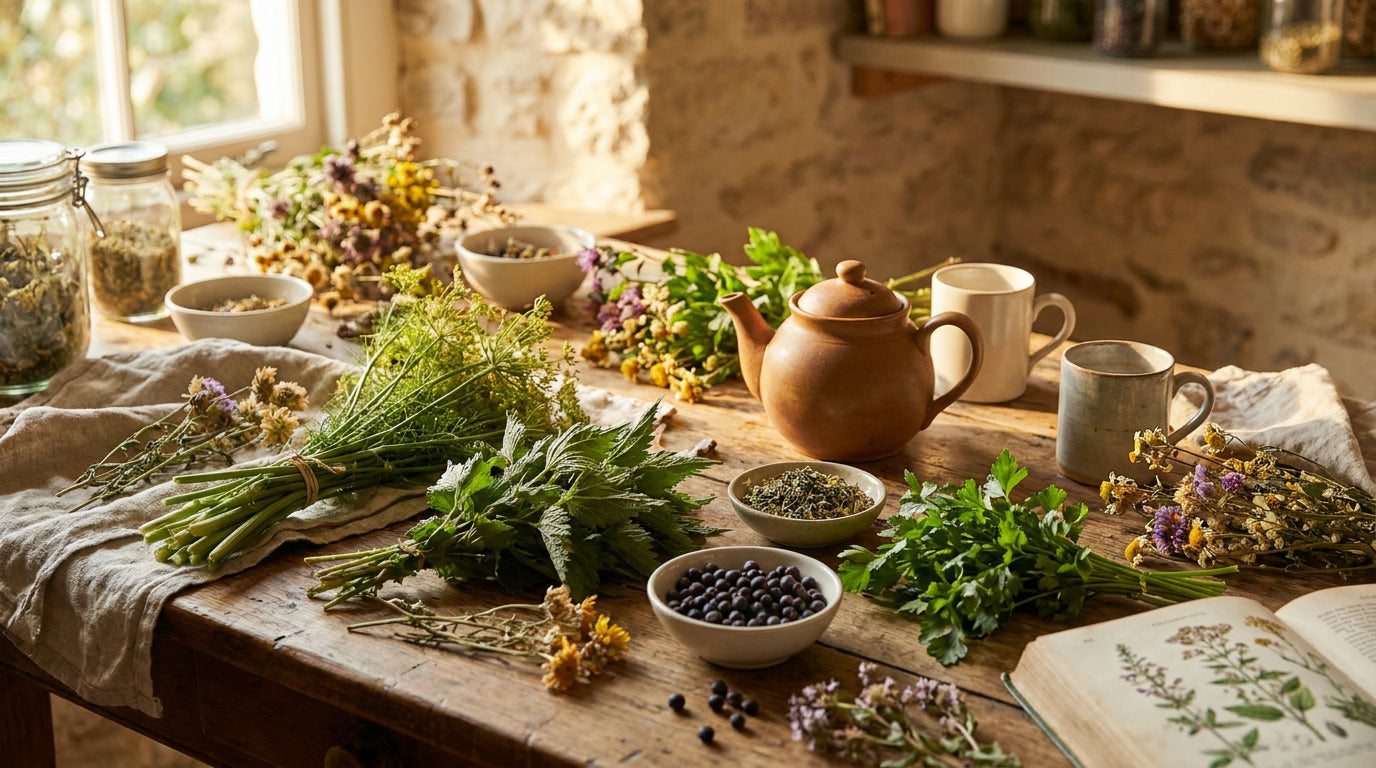
Schwere Beine am Abend, geschwollene Knöchel oder ein aufgedunsenes Gesicht am Morgen – viele Menschen kennen dieses unangenehme Gefühl, das oft mit Wassereinlagerungen im Gewebe zusammenhängt. In der modernen Hektik greifen viele schnell zu chemischen Mitteln, ohne sich bewusst zu sein, dass die Klostermedizin seit über 800 Jahren ein beeindruckendes Repertoire an pflanzlichem Wissen bereithält. Die Hildegard von Bingen, Benediktineräbtissin und eine der bedeutendsten Naturheilerinnen des Mittelalters, beschrieb in ihren Schriften zahlreiche Pflanzen, Gewürze und Lebensgewohnheiten, die bis heute in der ganzheitlichen Naturheilkunde geschätzt werden. Dieser Artikel nimmt Sie mit auf eine Reise in das Kräuterwissen der Hildegard-Medizin und zeigt, welche traditionellen Ansätze Menschen seit Jahrhunderten begleiten, wenn es darum geht, das körperliche Gleichgewicht und das allgemeine Wohlbefinden zu unterstützen. Hildegard von Bingen Produkte
Was steckt hinter dem Gefühl von Schwere und Fülle?
Wassereinlagerungen – medizinisch als Ödeme bezeichnet – entstehen, wenn Flüssigkeit aus den Blutgefäßen ins umliegende Gewebe austritt und dort verbleibt. Dies ist ein natürlicher Vorgang, der in gewissem Maß zum Leben gehört. Problematisch wird es, wenn das Gleichgewicht dauerhaft gestört erscheint und das Wohlbefinden spürbar beeinträchtigt wird. Langes Sitzen oder Stehen, warme Temperaturen, hormonelle Schwankungen, eine einseitige Ernährung oder ein Mangel an Bewegung gelten als häufige alltägliche Faktoren, die dieses Gefühl begünstigen können. Wichtig ist dabei: Anhaltende oder starke Schwellungen sollten stets ärztlich abgeklärt werden, da sie auf ernsthafte Erkrankungen hinweisen können.
In der Hildegard-Medizin wurde das Phänomen der Wasseransammlungen im Körper vor allem durch das Konzept der „Viersäftelehre" betrachtet. Nach dieser alten Vorstellung, die auf Hippokrates zurückgeht und von Hildegard spirituell-theologisch weiterentwickelt wurde, sind alle Körpervorgänge im Gleichgewicht der vier Körpersäfte – Blut, Schleim, gelbe Galle und schwarze Galle – begründet. Ein Übermaß an „Schleim" (Phlegma) galt als Ursache für Schwere, Trägheit und eben auch für überschüssige Feuchtigkeit im Gewebe. Dieses Konzept mag aus moderner Sicht metaphorisch klingen, doch der praktische Ansatz dahinter – das Gleichgewicht durch Ernährung, Kräuter und Lebensrhythmus zu fördern – ist bemerkenswert zeitgemäß.
Hildegard von Bingen beschrieb in ihrem Hauptwerk „Physica" und in den „Causae et Curae" eine Vielzahl von Pflanzen und Gewürzen, die traditionell im Zusammenhang mit Leichtigkeit, Wärme und innerer Balance standen. Die mittelalterliche Vorstellung, dass Wärme und Trockenheit dem Körper helfen, Überflüssiges loszulassen, findet heute in manchen Naturheilkunde-Traditionen noch ihren Widerhall. Wer die Hildegard-Medizin als lebendige Quelle betrachtet, entdeckt darin einen ganzheitlichen Lebensstil – weit mehr als nur die Anwendung einzelner Kräuter. Hildegard von Bingen Produkte
Die Hildegard-Medizin versteht den menschlichen Körper als Einheit von Körper, Seele und Geist – und betrachtet das Gleichgewicht der inneren „Säfte" als Grundlage für das allgemeine Wohlbefinden. Dieses Prinzip begleitet die Klostermedizin seit über 800 Jahren.
Hildegards Pflanzenwissen: Traditionell geschätzte Kräuter rund um Leichtigkeit und Balance
Das Kräuterwissen Hildegards ist ein Schatz, der bis heute von Heilpraktikern, Naturmedizinern und Kräuterpädagogen weltweit genutzt wird. Hildegard beschrieb Pflanzen nicht nur nach ihren äußeren Merkmalen, sondern ordnete ihnen Qualitäten wie Wärme, Kälte, Trockenheit und Feuchtigkeit zu – ein Klassifikationssystem, das aus der antiken Humoralpathologie stammte und von ihr spirituell ergänzt wurde. Pflanzen, die als „warm und trocken" galten, wurden traditionell mit dem Ziel eingesetzt, überschüssige Feuchtigkeit im Körper auszugleichen und ein Gefühl von Leichtigkeit zu fördern. Diese Überlieferungen sind heute zwar keine medizinischen Handlungsempfehlungen, aber als kulturhistorisches Erbe außerordentlich wertvoll.
Besonders interessant ist, dass viele der von Hildegard beschriebenen Pflanzen und Gewürze heute in der modernen Phytotherapie weiterhin eine Rolle spielen – natürlich ohne die alten Heilsversprechen zu übernehmen, sondern im Rahmen ihrer traditionellen Verwendung. Die Verwendung von Fenchel, Liebstöckel, Petersilie oder Wacholder findet sich sowohl in mittelalterlichen Klosterrezepten als auch in modernen Kräutertees und Naturpräparaten. Diese Kontinuität zeigt, dass empirisches Pflanzenwissen über Generationen weitergegeben wird und seinen festen Platz in der Naturheilkunde behauptet. BitterKraft Original
Hildegard selbst schrieb über viele Pflanzen in einer Sprache voller Bildhaftigkeit und spiritueller Tiefe. Sie empfahl nicht nur die Pflanze an sich, sondern auch den richtigen Zeitpunkt, die richtige Zubereitung und den inneren Zustand des Menschen. Diese Ganzheitlichkeit ist vielleicht das wertvollste Erbe ihres Denkens: Kräuter entfalten ihr Potenzial nicht im Vakuum, sondern im Kontext eines bewussten, maßvollen Lebens.
„Der Fenchel, gleich auf welche Weise er gegessen wird, macht den Menschen fröhlich und gibt ihm angenehme Wärme und bringt guten Schweiß und gute Verdauung." – Hildegard von Bingen, Physica (12. Jahrhundert), Kapitel über Fenchel
Traditionell geschätzte Heilpflanzen bei Gefühlen von Schwere und Fülle:
- Liebstöckel (Levisticum officinale): Eine der zentralen Pflanzen in der Hildegard-Medizin, die seit Jahrhunderten traditionell in Klostergärten kultiviert wird. In der Volksmedizin wird Liebstöckel seit altersher mit dem Ziel eingesetzt, das Wohlbefinden bei Schwere und Völlegefühl zu begleiten.
- Fenchel (Foeniculum vulgare): Von Hildegard besonders geschätzt und als „warm und trocken" klassifiziert. Fenchel wird seit Jahrhunderten traditionell als Tee oder Gewürz verwendet und ist in der Klostermedizin für seine wärmenden Qualitäten bekannt.
- Petersilie (Petroselinum crispum): Im Mittelalter weit verbreitet und in der Hildegard-Überlieferung als kräftigendes Küchenkraut beschrieben. Petersilienwurzel und -samen wurden historisch im Zusammenhang mit Leichtigkeit und dem Gefühl innerer Balance erwähnt.
- Wacholder (Juniperus communis): Hildegard schrieb dem Wacholder besondere Wärme zu. Die Beeren und das Holz des Wacholders fanden in der Klostermedizin traditionell Verwendung und gelten als klassisches Kraut der europäischen Naturheilkunde.
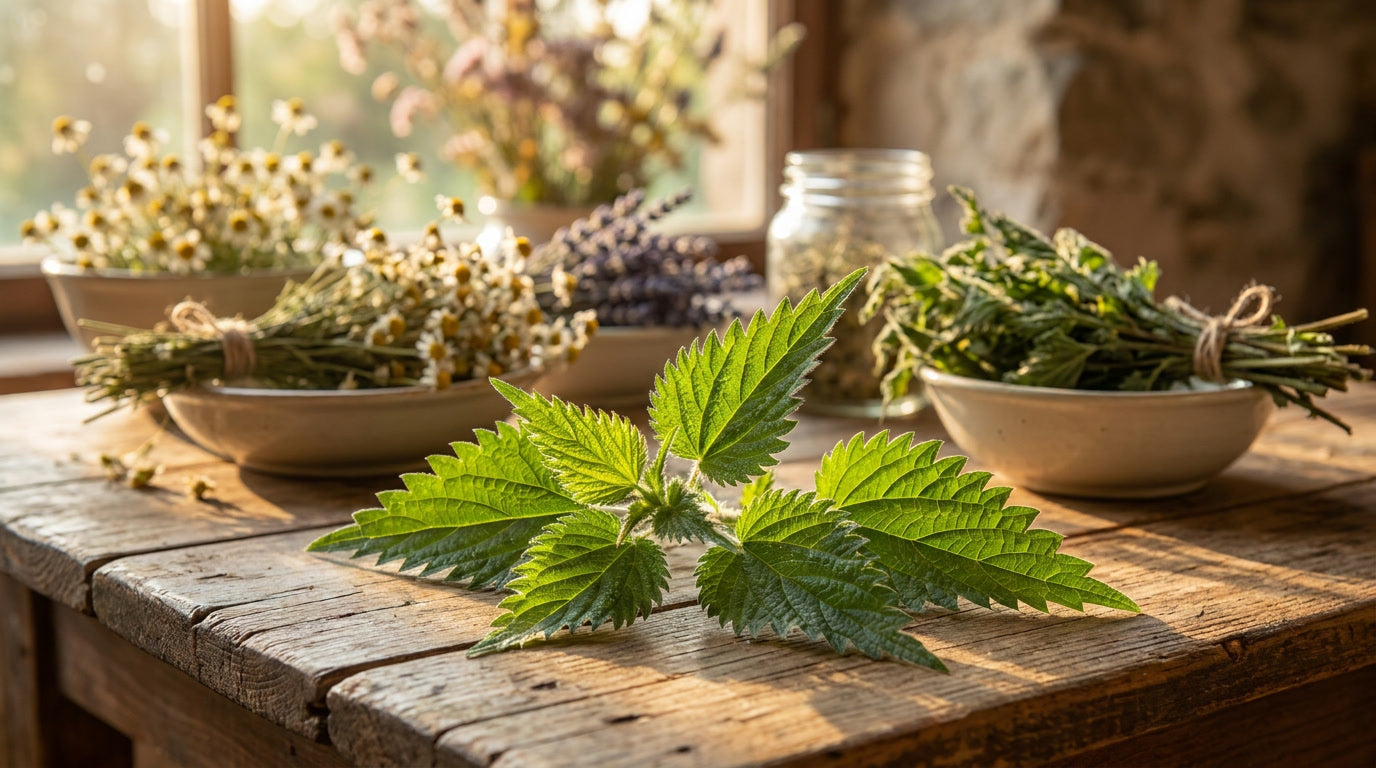
- Brennnessel (Urtica dioica): Obwohl Hildegard die Brennnessel weniger explizit beschreibt als andere Pflanzen, ist sie seit Jahrhunderten ein fester Bestandteil des europäischen Kräuterwissens. Traditionell wird sie mit Frische und dem Streben nach innerer Reinheit verbunden. Darm- und Verdauungsprodukte
- Galgant (Alpinia officinarum): Das „Lieblingsgewürz" Hildegards – von ihr in zahlreichen Rezepturen verwendet und als äußerst wertvolle Heilpflanze beschrieben. Galgant galt in der mittelalterlichen Klostermedizin als universal einsetzbares Herzmittel und Wärmeträger.
Was steckt hinter dem Liebstöckel?
Liebstöckel – auch „Maggikraut" genannt – ist eine der ältesten Nutzpflanzen Mitteleuropas und ein Symbol der Klostergartenkultur. Die Pflanze enthält ätherische Öle, die ihr das charakteristische, würzige Aroma verleihen. In der traditionellen Volksmedizin und in historischen Kräuterbüchern findet sie sich regelmäßig im Zusammenhang mit dem Wunsch nach Leichtigkeit und innerem Gleichgewicht. In der Hildegard-Medizin wird Liebstöckel sowohl als Tee als auch als Gewürz in der Küche eingesetzt – ganz im Sinne der Hildegard'schen Überzeugung, dass Ernährung und Kräuter untrennbar zusammengehören.
Ernährung und Lebensrhythmus nach Hildegard: Mehr als nur Kräuter
Hildegard von Bingens Ansatz war nie auf einzelne Kräuter reduziert. Im Gegenteil: Das Herzstück ihrer Medizin war die „Viriditas" – die göttliche Lebenskraft, die durch einen maßvollen, bewussten Lebensstil genährt wird. Ihre Ernährungsempfehlungen, die sie in „Causae et Curae" detailliert beschrieb, umfassen bestimmte Getreidesorten, Gemüse, Gewürze und die Art der Speisenzubereitung. Dinkel nahm dabei eine besondere Stellung ein: Hildegard pries ihn als das nahrhafteste und verträglichste Getreide, das den Menschen innerlich stärke. Aus moderner Sicht kann eine ballaststoffreiche, vollwertige Ernährung tatsächlich dazu beitragen, das allgemeine Wohlbefinden zu unterstützen. Fasten-Produkte
Besonders interessant im Kontext von Wassereinlagerungen ist Hildegards Empfehlung zu bestimmten entwässernden Gemüsesorten und Kräutern in der täglichen Küche. Zwiebeln, Lauch und Knoblauch finden sich in ihren Schriften ebenso wie Empfehlungen zu wärmenden Gewürzen wie Zimt, Ingwer und dem bereits erwähnten Galgant. Die Idee dahinter: Wer täglich wärmende, belebende Lebensmittel zu sich nimmt, unterstützt das innere Gleichgewicht – ein Gedanke, der sich auch in der ayurvedischen Medizin und der Traditionellen Chinesischen Medizin findet. Diese kulturübergreifende Parallelität macht deutlich, dass ganzheitliche Ernährungsweisheiten zu universellen menschlichen Erfahrungen zählen.
Hildegard betonte auch die Bedeutung von Maß und Rhythmus: zu viel Essen, zu wenig Bewegung, Schlafmangel oder übermäßiger Stress – all das störte nach ihrer Überzeugung das innere Gleichgewicht und förderte den Aufbau von „schlechten Säften". Moderne Lebensstilmedizin würde dem in weiten Teilen zustimmen: Regelmäßige Bewegung, ausreichend Schlaf und eine bewusste Ernährung gelten heute als Grundpfeiler des Wohlbefindens. Die Hildegard-Medizin formulierte diese Erkenntnisse in ihrer eigenen, mittelalterlich-spirituellen Sprache – und trifft damit einen Nerv, der bis heute lebendig ist. Schlaf- und Entspannungsprodukte
Hildegard von Bingen verstand Ernährung nie als bloßes Mittel zur Sättigung, sondern als tägliche Pflege der inneren Lebenskraft – ein Gedanke, der in der modernen Ernährungsmedizin als ganzheitlicher Ansatz seine Entsprechung findet.
Hildegards Dinkelküche und das Prinzip der Wärme:
In der Hildegard-Medizin spielt die sogenannte „Wärmetherapie" durch Lebensmittel eine zentrale Rolle. Wärmende Gewürze wie Galgant, Zimt, Muskat und Ingwer sollen die innere Körperwärme unterstützen und damit die natürlichen Regulationsprozesse des Organismus begleiten. Kombiniert mit Dinkel als Basisgetreide und viel frischem Gemüse entsteht eine Ernährungsweise, die in der Klostermedizin als besonders ausgewogen galt. Diese Küche lässt sich heute einfach in den Alltag integrieren – als bewusste Ergänzung, nicht als Ersatz für medizinische Maßnahmen.
Praktische Rituale und Anwendungen aus der Klostermedizin
Die Hildegard-Medizin ist reich an konkreten Ritualen, die weit über die bloße Einnahme von Kräutern hinausgehen. Hildegard empfahl unter anderem regelmäßige Heilfastenphasen – die sogenannte „Hildegard-Kur" – als Möglichkeit, den Körper innerlich zu erneuern und das Gleichgewicht der Säfte wiederherzustellen. Diese mehrtägigen Fastenphasen wurden traditionell mit bestimmten Kräutertees, Wein-Kräuter-Aufgüssen und leichter körperlicher Betätigung kombiniert. Der Gedanke dahinter: Durch gezielte Nahrungsreduktion und die begleitende Kräuteranwendung soll der Körper die Möglichkeit erhalten, sich selbst zu reinigen und zu regulieren. Fasten-Produkte
Ein besonderes Element der Hildegard-Praxis sind die Kräutertees und Aufgüsse, die gezielt nach der Tageszeit und dem Beschwerdebild zusammengestellt wurden. So empfahl Hildegard beispielsweise Fencheltee am Morgen zur Belebung, Melissentee am Abend zur Beruhigung und Wacholderaufgüsse zur Unterstützung der inneren Wärme. Diese Ritualisierung des Teetrinkens hat einen eigenen Wert: Sie schafft bewusste Pausen im Alltag, fördert die Achtsamkeit und erinnert uns daran, dass Naturheilkunde immer auch eine Einladung zur Selbstfürsorge ist. Viele Menschen berichten, dass allein die Einbindung solcher Rituale in den Tagesablauf ihr allgemeines Wohlbefinden positiv beeinflusst. Hildegard von Bingen Produkte
Darüber hinaus spielten in der Hildegard-Medizin äußerliche Anwendungen eine wichtige Rolle: Kräuterbäder, feuchte Umschläge mit Kräuteressenzen und sanfte Massagen mit aromatischen Ölen galten als Ergänzung zur inneren Kräuteranwendung. Im Zusammenhang mit dem Gefühl von Schwere und Wassereinlagerungen wurden traditionell Wickel mit abschwellend geltenden Kräutern wie Arnika oder Schachtelhalm eingesetzt. Schachtelhalm (Equisetum arvense) ist ein Klassiker der europäischen Volksmedizin, der seit Jahrhunderten traditionell verwendet wird und in vielen Klosterapotheken zu finden war. Diese äußerlichen Anwendungen kombinieren Pflanzenwissen mit Körperwahrnehmung und schaffen eine tiefe Verbindung zur eigenen körperlichen Erfahrung. alle Bitterkraft Produkte
Traditionelle Kloster-Rituale zur Unterstützung des Wohlbefindens:
- Morgentee nach Hildegard: Ein wärmender Kräutertee aus Fenchel, Galgant und Ingwer wird in der Hildegard-Tradition traditionell als belebendes Morgenritual geschätzt, das den Tag mit innerer Wärme beginnen lässt.
- Schachtelhalm-Tee: Schachtelhalm (Zinnkraut) ist seit Jahrhunderten in der europäischen Klostermedizin bekannt und wird traditionell als mineralreicher Kräutertee getrunken. Er gehört zu den am häufigsten überlieferten Pflanzen in mittelalterlichen Klosterapotheken.
- Brennnessel-Aufguss: Als Frühjahrsritual seit altersher bekannt – ein Brennnessel-Tee wird in der Volksheilkunde traditionell mit der Idee innerer Erneuerung und Frische verbunden. Darm- und Verdauungsprodukte
- Kräuterbäder: Hildegard empfahl Bäder mit aromatischen Kräutern wie Rosmarin, Wacholder oder Thymian als äußerliche Ergänzung zur inneren Kräuteranwendung – ein sinnliches Ritual, das bis heute in Wellnessbädern fortlebt.
- Hildegard-Fastenküche: Leichte Dinkelsuppen, gedünstetes Gemüse und wärmende Gewürze bilden die Basis der Hildegard-Fastenküche, die in Klöstern seit dem Mittelalter gepflegt wird und heute in modernen Fastenkonzepten ihre Entsprechung findet.
„Der Schachtelhalm ist warm und etwas trocken. Wer ihn als Tee bereitet und trinkt, dem nimmt er die feuchten Übel des Magens und macht ihn leicht." – Sinngemäß nach Hildegard von Bingen, Physica, 12. Jahrhundert (historische Quelle, keine medizinische Aussage)
Rituale sind das Herzstück der Hildegard-Medizin: Nicht der einzelne Wirkstoff, sondern der bewusste, regelmäßige Umgang mit Kräutern, Ernährung und Körper schafft nach Hildegards Überzeugung die Grundlage für dauerhaftes Wohlbefinden – ein Gedanke, der in der modernen Gesundheitswissenschaft als „lifestyle medicine" wiederentdeckt wird.
Hildegard-Medizin heute: Zwischen Tradition und modernem Wohlbefinden
Das Wissen Hildegard von Bingens erlebt seit den 1980er Jahren eine bemerkenswerte Renaissance. Heilpraktiker, Ärzte mit naturheilkundlichem Schwerpunkt und Kräuterpädagogen haben ihr Werk neu erschlossen und in die moderne Praxis übersetzt. Heute gibt es zahlreiche Hildegard-Zentren, Fastenkurse und Naturprodukte, die sich auf ihr Erbe beziehen – und dies tun zu Recht, solange sie die Grenzen zwischen traditionellem Erfahrungswissen und moderner Medizin klar kommunizieren. Die Hildegard-Medizin erhebt keinen Anspruch darauf, Erkrankungen zu heilen oder zu behandeln; sie versteht sich als kulturhistorisch gewachsenes System der Lebensführung und des bewussten Umgangs mit Pflanzen und Nahrung. Hildegard von Bingen Produkte
Für Menschen, die an Wassereinlagerungen leiden, bietet die Hildegard-Medizin vor allem eine Perspektive: den Blick auf den ganzen Menschen und seinen Lebensstil. Die Frage „Was esse ich täglich?", „Wie viel bewege ich mich?", „Nehme ich mir Zeit für Rituale der Selbstfürsorge?" – diese Fragen stellen sich in der Hildegard-Tradition mindestens so wichtig wie die Frage nach dem richtigen Kräutertee. In diesem Sinne ist die Hildegard-Medizin eine Einladung zur Reflexion und zur bewussten Lebensgestaltung. Natürlich gilt dabei immer: Wer unter anhaltenden oder ausgeprägten Beschwerden leidet, sollte eine ärztliche Abklärung nicht scheuen. Naturheilkunde ergänzt – sie ersetzt keine medizinische Diagnose oder Behandlung. Immunsystem-Produkte
Die Produkte und Kräuter, die auf Bitterkraft.com angeboten werden, verstehen sich ganz in diesem Geist: als Ergänzung zu einem bewussten, natürlichen Lebensstil, inspiriert von jahrhundertealtem Kräuterwissen und getragen von dem Wunsch, das allgemeine Wohlbefinden auf natürlichem Weg zu unterstützen. Ob ein Tee aus Fenchel und Liebstöckel, ein Bittertonikum nach Klosterrezeptur oder ein Hildegard-Gewürzmischung für die tägliche Küche – all diese Produkte sind Ausdruck desselben Gedankens: dass die Natur uns vieles bietet, wenn wir ihr zuhören und mit ihr im Einklang leben. BitterKraft Original
Warum Hildegard heute noch relevant ist:
In einer Zeit, in der viele Menschen nach Orientierung in Gesundheitsfragen suchen, bietet die Hildegard-Medizin etwas Seltenes: ein kohärentes, ganzheitliches Weltbild, das Körper, Geist und Seele verbindet. Ihre Pflanzenrezepturen sind nicht isolierte Einzelmaßnahmen, sondern Teil eines größeren Lebensstils – mit bewusster Ernährung, Rhythmus, Bewegung und spiritueller Achtsamkeit. Dieses Prinzip der Integration macht die Hildegard-Medizin zu einem zeitlosen Begleiter für alle, die ihren Weg zu mehr Wohlbefinden auf natürlichem Weg gehen möchten. Produkte aus diesem Erfahrungsschatz findet ihr in unserem Shop unter der Kategorie Hildegard von Bingen Produkte.

Hinterlasse einen Kommentar
Diese Website ist durch hCaptcha geschützt und es gelten die allgemeinen Geschäftsbedingungen und Datenschutzbestimmungen von hCaptcha.