

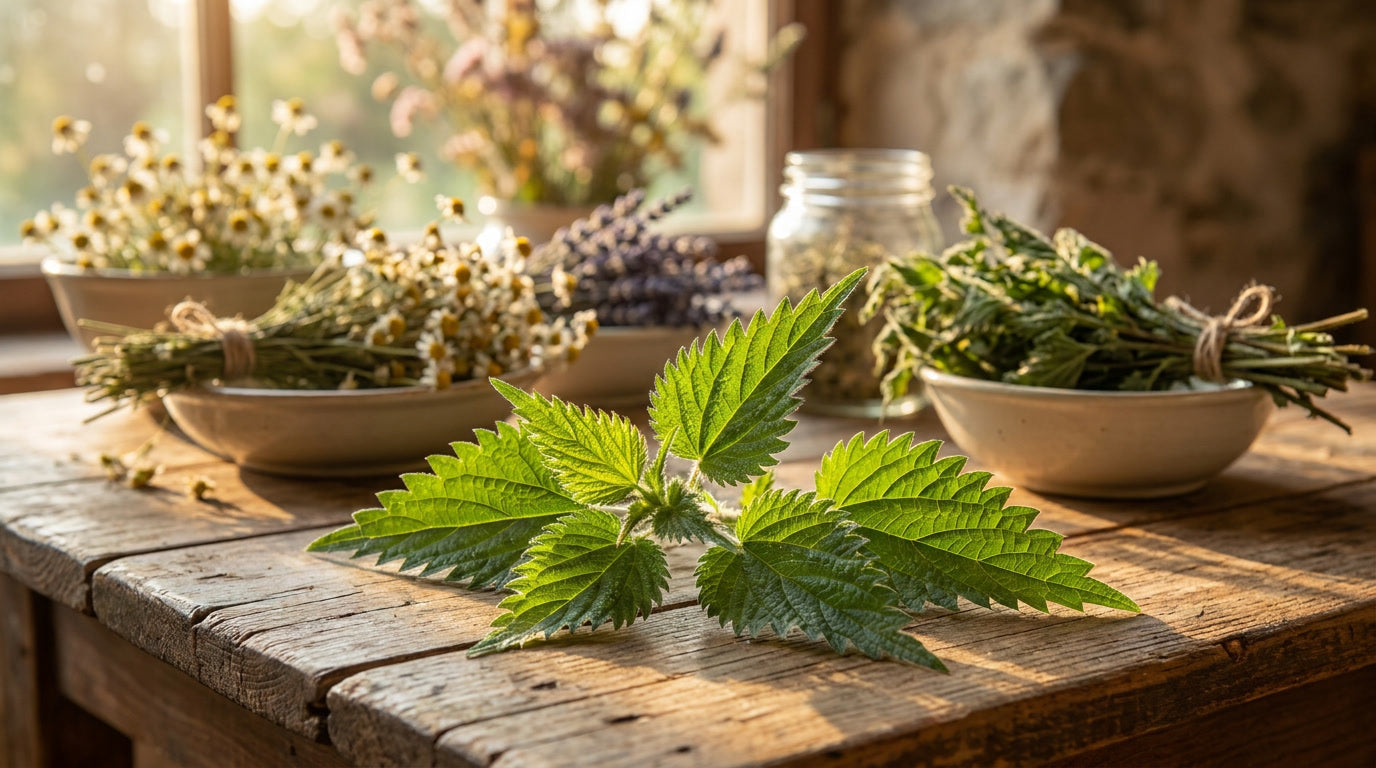
Wer kennt sie nicht – die Brennnessel, die beim Vorbeigehen unangenehm auf der Haut brennt und für manchen eher eine lästige Wildpflanze als ein wertvolles Kraut ist. Dabei gehört Urtica dioica, die Große Brennnessel, seit Jahrhunderten zu den am meisten geschätzten Heilpflanzen Mitteleuropas. Besonders in der Naturheilkunde und in der traditionellen Klostermedizin gilt sie als vielseitiges Kraut, das seit alters her zur Unterstützung des allgemeinen Wohlbefindens verwendet wird. Ihr Ruf als natürliches Entwässerungsmittel hat sie bis heute nicht verloren – ganz im Gegenteil: In einer Zeit, in der viele Menschen nach sanften, pflanzlichen Alternativen suchen, erlebt die Brennnessel eine echte Renaissance. In diesem Artikel erfährst du, was traditionell über die entwässernden Eigenschaften der Brennnessel bekannt ist, wie Hildegard von Bingen sie beschrieb, welche Inhaltsstoffe in ihr stecken und wie du sie sinnvoll in deinen Alltag integrieren kannst.
Die Brennnessel in der Klostermedizin: Ein Kraut mit langer Geschichte
Die Geschichte der Brennnessel als Heilpflanze reicht weit in die Antike zurück. Schon die Griechen und Römer schätzten das stachelige Kraut – sowohl als Nahrungsmittel als auch als Pflanzenheilmittel. Im Mittelalter war es vor allem die Klostermedizin, die das Wissen um die Brennnessel systematisch pflegte und weitergab. Klostergärten galten als Wissenszentren der damaligen Zeit, und die Brennnessel durfte in keinem von ihnen fehlen. Mönche und Nonnen sammelten, trockneten und verarbeiteten das Kraut nach überlieferten Rezepturen und gaben ihr Wissen über Generationen weiter.
Hildegard von Bingen, die bedeutende Äbtissin, Mystikerin und Naturkundige des 12. Jahrhunderts, widmete der Brennnessel in ihrem Werk besondere Aufmerksamkeit. In ihren Schriften, insbesondere in der Physica, beschreibt sie die Brennnessel als ein Kraut mit reinigender Qualität, das den Körper von Überflüssigem befreien kann. Hildegard verstand Gesundheit als Gleichgewicht der Kräfte im Körper – und die Brennnessel sah sie als ein Mittel, das helfen könne, dieses Gleichgewicht wiederherzustellen. Ihre Sichtweise war dabei stets ganzheitlich: Pflanze, Mensch und Kosmos standen für sie in einem untrennbaren Zusammenhang.
Hildegard von Bingen schrieb in ihrer Physica (12. Jh.) sinngemäß: „Die Brennnessel ist heiß und trocken. Sie reinigt den Menschen und nimmt ihm das Überflüssige." Diese historische Zuschreibung spiegelt das traditionelle Verständnis der Brennnessel als reinigendes und entwässerndes Kraut wider, das sich durch die Jahrhunderte erhalten hat.
Das Wissen Hildegards beeinflusste die Kräutermedizin weit über das Mittelalter hinaus. Kräuterbücher des 15. und 16. Jahrhunderts, darunter die Werke von Leonhart Fuchs und Hieronymus Bock, griffen die Überlieferungen zur Brennnessel auf und beschrieben sie als ein Kraut, das traditionell bei Wasseransammlungen im Körper und zur Unterstützung der Ausscheidungsorgane eingesetzt wurde. Diese historische Verwurzelung macht die Brennnessel zu einem besonders gut dokumentierten Heilkraut der abendländischen Pflanzenheilkunde. Hildegard von Bingen Produkte
Inhaltsstoffe der Brennnessel: Was steckt hinter der Wirkung?
Die Brennnessel ist eine bemerkenswert nährstoffreiche Pflanze. Ihre Blätter, Stängel und Wurzeln enthalten ein vielfältiges Spektrum an natürlichen Inhaltsstoffen, die im Zusammenspiel das charakteristische Profil dieses Krauts ausmachen. Besonders hervorzuheben sind die Flavonoide, eine Gruppe sekundärer Pflanzenstoffe, die in der Brennnessel in besonders hoher Konzentration vorkommen. Dazu zählen unter anderem Quercetin und Kämpferol, die seit langem im Fokus der Pflanzenheilkunde stehen. Daneben liefert die Brennnessel organische Säuren, darunter Kieselsäure und Kaffeesäure, sowie Mineralstoffe wie Kalium, Kalzium und Eisen.
Was steckt in der Brennnessel?
Die Brennnessel (Urtica dioica) enthält eine beeindruckende Vielfalt natürlicher Substanzen:
Flavonoide (Quercetin, Kämpferol): Sekundäre Pflanzenstoffe, die in der traditionellen Kräutermedizin eine wichtige Rolle spielen und historisch mit der entwässernden Eigenschaft der Pflanze in Verbindung gebracht werden.
Kalium: Ein Mineralstoff, der in der Brennnessel in beachtlicher Menge vorkommt. Kalium ist traditionell bekannt als Gegenspieler von Natrium und wird mit der natürlichen Wasserausscheidung des Körpers assoziiert.
Kieselsäure: Eine organische Siliziumverbindung, die insbesondere in der volksheilkundlichen Anwendung für Haut, Haare und Bindegewebe geschätzt wird.
Chlorophyll: Der grüne Pflanzenfarbstoff, der der Brennnessel ihre intensive Farbe verleiht und in der Naturheilkunde traditionell als „reinigend" gilt.
Sitosterole (in der Wurzel): Pflanzliche Sterole, die vor allem in Brennnesselwurzel-Präparaten eingesetzt werden und in der modernen Phytotherapie Beachtung finden.
Besonders interessant ist der vergleichsweise hohe Kaliumgehalt der Brennnessel. Kalium gilt in der Ernährungsphysiologie als wichtiger Gegenspieler von Natrium und spielt eine anerkannte Rolle im Wasserhaushalt des Körpers. Ein kaliumreiches Kraut wie die Brennnessel wurde daher in der Volksmedizin seit jeher eingesetzt, wenn es darum ging, überschüssiges Wasser auf natürlichem Weg aus dem Körper zu leiten. In Kombination mit dem hohen Wassergehalt eines Brennnesseltees unterstützt dies die tägliche Flüssigkeitszufuhr auf wohltuende Weise. alle Bitterkraft Produkte
Die Brennnessel gehört zu den kaliumreichsten Wildkräutern Mitteleuropas – ein Mineralstoff, der traditionell eng mit dem natürlichen Wasserhaushalt des Körpers in Verbindung gebracht wird.
Die entwässernden Eigenschaften der Brennnessel sind in der Phytotherapie gut dokumentiert. Das Europäische Arzneibuch (Ph. Eur.) führt Brennnesselblätter als Droge auf, und die Europäische Arzneimittelbehörde (EMA) hat die traditionelle Verwendung von Brennnesselkraut zur Durchspülung der Harnwege anerkannt – eine Aussage, die im Rahmen der traditionellen pflanzlichen Verwendung gilt. Das bedeutet: Die Brennnessel hat sich über Jahrhunderte einen festen Platz in der europäischen Phytotherapie erarbeitet, der nicht auf kurzlebigen Modetrends beruht, sondern auf tiefem, überliefertem Erfahrungswissen.
Brennnessel traditionell anwenden: Tee, Tinktur und mehr
Die beliebteste und zugänglichste Form der Brennnessel-Anwendung ist der Kräutertee. Für einen Brennnesseltee übergießt man etwa zwei Teelöffel getrocknete Brennnesselblätter mit einer Tasse heißem – nicht kochendem – Wasser und lässt den Aufguss fünf bis zehn Minuten ziehen. Traditionell empfiehlt die Kräutermedizin, während einer Anwendungsphase ausreichend zu trinken, da der Brennnesseltee seine entwässernde Wirkung nur dann voll entfalten kann, wenn dem Körper insgesamt genügend Flüssigkeit zur Verfügung steht. Mehrere Tassen täglich über einen Zeitraum von einigen Wochen gelten in der Volksmedizin als bewährte Praxis.
Neben dem klassischen Tee hat die Brennnessel aber noch weitere Anwendungsformen zu bieten, die in der modernen Naturheilkunde zunehmend Beachtung finden. Brennnessel-Tinkturen – also alkoholische Auszüge der Pflanze – konzentrieren die Inhaltsstoffe und lassen sich bequem dosieren. Besonders verbreitet sind heute auch hochwertige Brennnessel-Kapseln und -Extrakte, die eine standardisierte Menge der Inhaltsstoffe liefern und sich gut in den modernen Alltag integrieren lassen. Die Wurzel der Brennnessel, die sich in ihrer Zusammensetzung von den Blättern unterscheidet, wird in der Phytotherapie traditionell für andere Zwecke eingesetzt und ist in vielen Präparaten separat erhältlich.
Diese Anwendungsformen der Brennnessel sind traditionell bekannt:
- Brennnesseltee (Blätter): Der Klassiker der Naturheilkunde – seit Jahrhunderten als tägliches Kräutergetränk zur Unterstützung der Nierenfunktion und des allgemeinen Wohlbefindens verwendet.
- Brennnessel-Tinktur: Alkoholischer Auszug aus frischen oder getrockneten Brennnesselblättern; konzentrierte Form, die in der Klostermedizin und Volksmedizin traditionell eingesetzt wurde.
- Brennnessel-Kapseln / Trockenextrakt: Moderne Darreichungsform mit standardisierten Inhaltsstoffen; ideal für eine bequeme und gleichmäßige tägliche Anwendung.
- Frische Brennnessel (Wildkräuterküche): Junge Brennnesselblätter können blanchiert oder zu Suppe, Pesto oder Smoothie verarbeitet werden – eine traditionelle Frühlingspraxis in vielen europäischen Kulturen.
- Brennnesselwurzel-Präparate: Die Wurzel enthält andere Inhaltsstoffe als die Blätter und wird in der Naturheilkunde traditionell für spezifische Anwendungszwecke verwendet.
Gerade in der Frühjahrskur hat die Brennnessel traditionell einen festen Platz. In der Naturheilkunde gilt der Frühling als ideale Zeit, um den Körper nach dem Winter zu „beleben" und zu „reinigen" – ein Konzept, das sich durch nahezu alle europäischen Heiltraditionen zieht. Die Brennnessel, die als eines der ersten Wildkräuter nach dem Winter austreibt, war und ist ein Symbol dieses saisonalen Erneuerungsgedankens. Hildegard von Bingen beschrieb das Frühjahr als eine Zeit, in der die Natur selbst dem Menschen die Kräuter schenkt, die er gerade benötigt – und die Brennnessel steht dabei an vorderster Stelle. Fasten-Produkte
In der traditionellen Kräutermedizin gilt die Brennnessel als eines der wertvollsten Frühjahrskräuter – gesammelt an sonnigen Standorten, bevor die Pflanze in Blüte geht, hat sie die höchste Konzentration an natürlichen Inhaltsstoffen.
Brennnessel im ganzheitlichen Kontext: Verbündete für Niere, Darm und Wohlbefinden
Die Brennnessel wird in der Naturheilkunde selten isoliert betrachtet. Traditionell wurde sie häufig in Kombination mit anderen Heilpflanzen eingesetzt, um ein harmonisches Gesamtbild zu erzeugen. Besonders beliebt ist die Kombination mit Birkenblättern und Goldrute – zwei weiteren Kräutern, die in der europäischen Volksmedizin seit Jahrhunderten für ihre harntreibenden Eigenschaften bekannt sind. Solche Kräutermischungen finden sich in historischen Klosterrezepturen ebenso wie in modernen Naturheilkunde-Präparaten. Der synergistische Gedanke – dass Pflanzen gemeinsam mehr sind als die Summe ihrer Einzelteile – ist ein Grundprinzip der ganzheitlichen Kräutermedizin.
Im Kontext einer ganzheitlichen Lebensweise kann die Brennnessel sinnvoll in ein umfassenderes Konzept zur Pflege des eigenen Wohlbefindens eingebettet werden. Wer auf eine ausreichende Flüssigkeitszufuhr, eine ausgewogene Ernährung und regelmäßige Bewegung achtet, schafft die beste Grundlage dafür, dass pflanzliche Begleiter wie die Brennnessel ihre traditionellen Stärken voll ausspielen können. Besonders in Kombination mit einer bewussten Ernährungsweise – etwa im Rahmen einer saisonalen Fastenkur oder einer pflanzenbasierten Ernährung – hat die Brennnessel traditionell einen hohen Stellenwert. Darm- und Verdauungsprodukte
Die Europäische Arzneimittelagentur (EMA) hat Brennnesselblätter (Urtica dioica folium) als traditionelles pflanzliches Arzneimittel anerkannt. In der entsprechenden Monographie heißt es, dass die traditionelle Verwendung zur Durchspülung der Harnwege als unterstützende Maßnahme historisch belegt und plausibel ist. Diese Anerkennung basiert auf einem mindestens 30-jährigen Erfahrungszeitraum in der Europäischen Union.
Die Verbindung zwischen Wasserhaushalt und allgemeinem Wohlbefinden ist ein Thema, das auch aus moderner Sicht zunehmend Beachtung findet. Ein gut funktionierender Wasserhaushalt – bei dem Flüssigkeit und Elektrolyte im Gleichgewicht sind – trägt wesentlich dazu bei, dass man sich leicht, vital und ausgeglichen fühlt. Wer das Gefühl von Schwere oder Müdigkeit kennt, das manchmal mit einem gestörten Wasserhaushalt assoziiert wird, versteht intuitiv, warum entwässernde Kräuter in so vielen Kulturen einen so hohen Stellenwert haben. Die Brennnessel bietet hier eine sanfte, traditionell bewährte Möglichkeit, den Körper auf natürliche Weise zu unterstützen – ohne scharfe Eingriffe, sondern im Sinne des „Hinzufügens statt Weglassens". Leber-Produkte von Bitterkraft
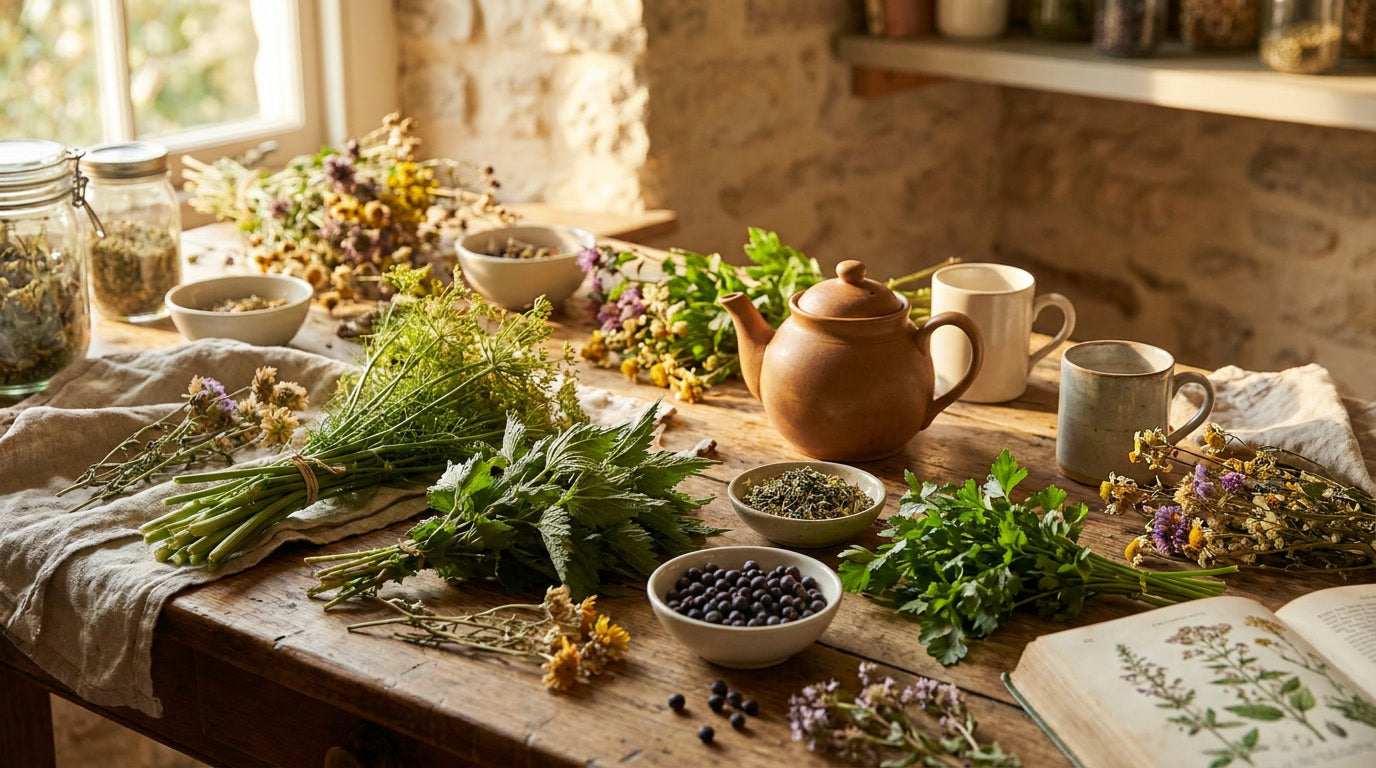
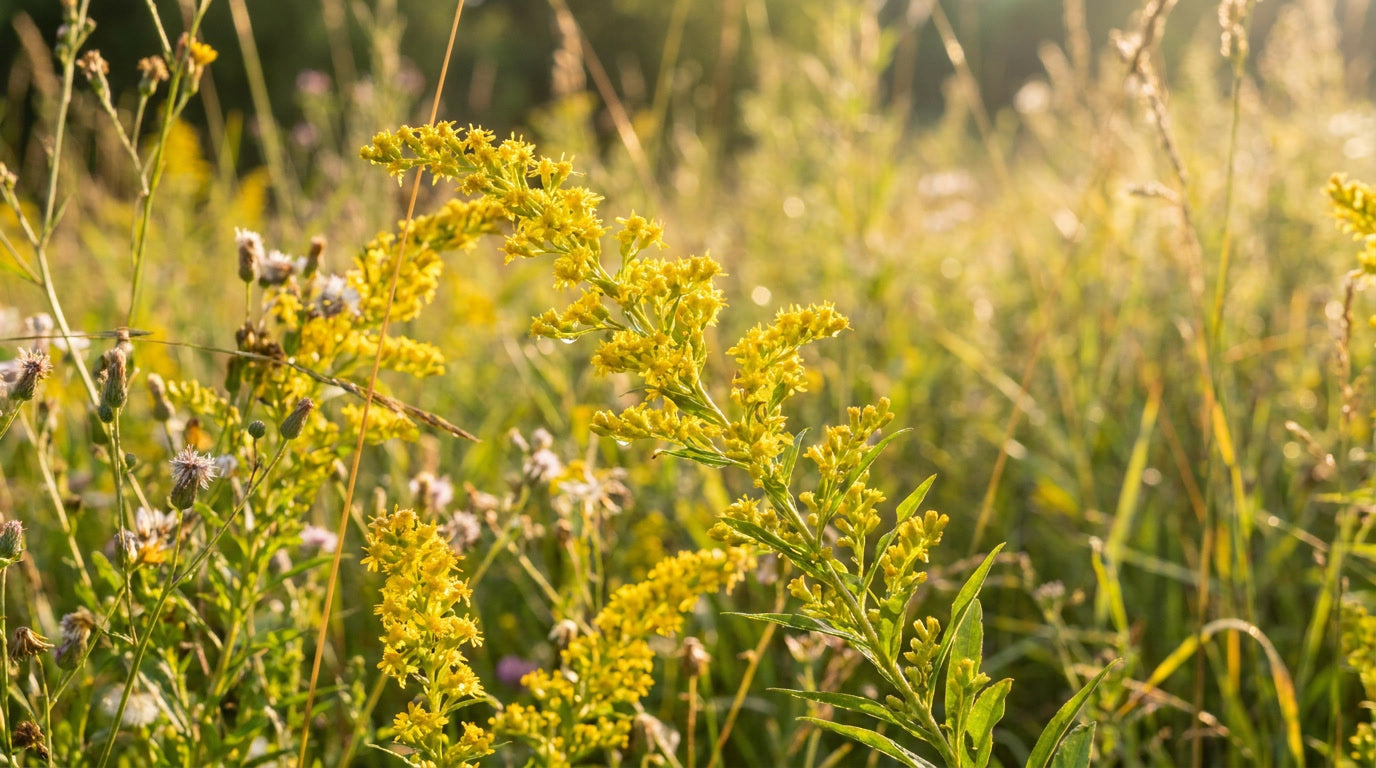
Brennnessel, Birkenblätter und Goldrute – diese traditionelle Kräuterkombination ist seit Jahrhunderten in der europäischen Volksmedizin als natürliche Unterstützung für den Wasserhaushalt bekannt und wird bis heute in der modernen Phytotherapie eingesetzt.
Qualität, Kauf und Anwendungshinweise: Worauf du achten solltest
Nicht alle Brennnessel-Produkte sind gleich. Wer die traditionellen Qualitäten der Pflanze nutzen möchte, sollte auf einige wichtige Punkte achten. Bei losen Brennnesselblättern für den Tee ist Bioqualität aus kontrolliertem Anbau oder zertifizierter Wildsammlung der Goldstandard. Wildes Sammeln ist zwar möglich und hat eine lange Tradition – allerdings sollte man dabei wissen, wie man die Brennnessel sicher identifiziert, und Standorte meiden, die in der Nähe von befahrenen Straßen oder landwirtschaftlich intensiv genutzten Flächen liegen, da Schadstoffe und Düngemittelrückstände die Qualität des Krauts beeinträchtigen können. Die Sammelsaison für Brennnesselblätter ist das Frühjahr, idealerweise von März bis Mai, bevor die Pflanze zu blühen beginnt.
Bei der Auswahl von Fertigpräparaten – Kapseln, Tinkturen, Extrakten – lohnt es sich, auf die Herkunft der Rohmaterialien und die Verarbeitungsqualität zu achten. Hochwertige Produkte geben Auskunft über den verwendeten Pflanzenanteil, das Extraktionsverhältnis und mögliche Standardisierungen auf bestimmte Inhaltsstoffe. Seriöse Hersteller aus dem Naturheilkunde-Bereich legen Wert auf Transparenz und bieten häufig Produkte an, die ohne unnötige Zusatzstoffe, Füllstoffe oder künstliche Aromen auskommen. Im Sinne der Klostermedizin-Philosophie gilt: weniger ist oft mehr – die Pflanze selbst, in möglichst reiner und schonend verarbeiteter Form, ist das Wertvollste.
Worauf du bei Brennnessel-Produkten achten solltest:
- Zertifizierte Bioqualität: Kräuter aus biologischem Anbau oder kontrollierter Wildsammlung garantieren, dass das Produkt frei von Pestizid- und Düngemittelrückständen ist.
- Verarbeitungsqualität: Schonende Trocknung bei niedrigen Temperaturen erhält die natürlichen Inhaltsstoffe der Brennnessel besser als aggressive Verfahren.
- Transparente Herkunftsangaben: Seriöse Hersteller geben an, woher die Rohmaterialien stammen und wie das Produkt verarbeitet wurde.
- Keine unnötigen Zusatzstoffe: Hochwertige Naturheilkunde-Produkte kommen ohne künstliche Aromen, Konservierungsstoffe oder synthetische Füllstoffe aus.
- Passende Darreichungsform: Je nach persönlichem Bedarf und Lebensstil kann Tee, Tinktur oder Kapsel die sinnvollste Wahl sein – alle haben ihre Berechtigung.
Ein weiterer Aspekt, der im Kontext der Brennnessel oft übersehen wird: die traditionelle Bedeutung des bewussten Umgangs mit Heilpflanzen. In der Klostermedizin war die Zubereitung eines Kräutertees kein mechanischer Vorgang, sondern ein Ritual – eine bewusste Handlung, bei der man inne hielt, die Pflanze wahrnahm und die Zubereitung mit Absicht verband. Diese Haltung – das bewusste „Sich-Zeit-Nehmen" für den eigenen Körper und seine Bedürfnisse – ist vielleicht das wertvollste Erbe der Klostermedizin überhaupt. Ein täglich bereiteter Brennnesseltee kann so zu einem kleinen Ritual der Selbstfürsorge werden, das weit über die Inhaltsstoffe der Pflanze hinausgeht. Hildegard von Bingen Produkte
Wer die Brennnessel als Teil eines ganzheitlichen Lebensstils entdecken möchte, findet in ihr eine treue Begleiterin – wild, anspruchslos, reich an Geschichte und reich an Natur. Sie wächst vor unserer Haustür, war in den Klostergärten des Mittelalters ebenso zu Hause wie in modernen Naturheilkunde-Produkten, und sie verbindet uns mit einem Jahrtausende alten Wissen, das in unserer schnelllebigen Zeit nichts von seiner Tiefe verloren hat. In diesem Sinne ist die Brennnessel mehr als ein Entwässerungsmittel – sie ist ein Symbol für die Kraft der Natur und die Weisheit der Pflanzenmedizin. alle Bitterkraft Produkte

Hinterlasse einen Kommentar
Diese Website ist durch hCaptcha geschützt und es gelten die allgemeinen Geschäftsbedingungen und Datenschutzbestimmungen von hCaptcha.