


Verdauungsprobleme entwirren: Ursachen, Lösungen und Geschichten
Jeder von uns hat schon einmal das unangenehme Gefühl von Blähungen, Durchfall oder Sodbrennen erlebt. Verdauungsprobleme sind weit verbreitet und doch oft tabuisiert, obwohl sie entscheidend für u...
Jeder von uns hat schon einmal das unangenehme Gefühl von Blähungen, Durchfall oder Sodbrennen erlebt. Verdauungsprobleme sind weit verbreitet und doch oft tabuisiert, obwohl sie entscheidend für unser tägliches Wohlbefinden sind. Aber was steckt eigentlich hinter diesen Beschwerden, und wie beeinflussen sie das Leben der Betroffenen?
Lena, eine 32-jährige Grafikdesignerin aus München, kann ein Lied davon singen. "Es begann vor einigen Jahren mit gelegentlichem Sodbrennen nach dem Essen", erinnert sie sich. "Doch über die Zeit wurden die Symptome häufiger und intensiver. Es ging soweit, dass ich Angst vor dem Essen hatte und soziale Veranstaltungen mied, nur um den unvorhersehbaren Beschwerden zu entkommen." Ihre Geschichte ist nur eine von vielen, und mit dieser Reportage wollen wir tiefer in das Thema Verdauungsprobleme eintauchen, um Licht ins Dunkel dieser oft missverstandenen Beschwerden zu bringen.

Hildegards Tipp:
- Kräuter-Komplex mit Vitamin C, Flohsamenschalen und Mariendistel
- Rezeptur auf Basis von 800 Jahren Klosterwissen
- Von 4.000 Heilpraktikern verwendet
- Beste Naturheilkunde: Bio & vegan

Grundlagen der Verdauung
Die Verdauung ist ein komplexer und fein abgestimmter Vorgang, der tief in unserem Körper verborgen liegt. Sie beginnt im Mund, wo die Nahrung durch das Kauen und den Speichel mechanisch und enzymatisch vorbereitet wird, und erstreckt sich über einen mehrere Meter langen Kanal bis zum Ende des Dickdarms.
Das Verdauungssystem, oft auch als Gastrointestinaltrakt bezeichnet, hat die essenzielle Aufgabe, die Nahrung in nutzbare Bestandteile zu zerlegen. Hierbei werden Vitamine, Mineralstoffe, Proteine, Fette und Kohlenhydrate extrahiert und in den Körper aufgenommen, während Unverdauliches ausgeschieden wird. Doch dieser Prozess ist nicht das Werk eines einzelnen Organs. Stattdessen arbeiten verschiedene Organe Hand in Hand, um die Verdauung effizient zu gestalten.
Nach dem Mund folgt die Speiseröhre, die den Bolus, wie den zerkleinerten Nahrungsbrei genannt wird, in den Magen befördert. Hier beginnt ein saures Milieu die Nahrung weiter aufzuspalten, insbesondere Proteine. Anschließend gelangt die Nahrung in den Dünndarm, das Zentrum der Nährstoffaufnahme. Die Bauchspeicheldrüse und die Gallenblase geben hier ihre Verdauungsenzyme und -säfte ab, um Fette, Kohlenhydrate und Proteine weiter zu zerlegen. Schließlich erreicht der Nahrungsbrei den Dickdarm, wo Wasser und Elektrolyte resorbiert werden und die verbleibenden Reste schließlich aus dem Körper ausgeschieden werden.
Jedes dieser Organe hat seine eigene, spezifische Rolle im Verdauungsprozess. Störungen in einem Bereich können daher weitreichende Auswirkungen auf das gesamte System haben.
Hauptursachen von Verdauungsproblemen
Verdauungsprobleme können vielfältige Ursachen haben, die sich oft in unserem täglichen Leben widerspiegeln. Unsere Ernährung spielt dabei eine zentrale Rolle. Eine ballaststoffarme Kost, die in vielen westlichen Ernährungsweisen üblich ist, kann zu Verstopfung führen. Ebenso können fettreiche und stark verarbeitete Lebensmittel, wie sie oft in Fast-Food-Restaurants zu finden sind, unser Verdauungssystem belasten und zu Beschwerden wie Sodbrennen oder Blähungen beitragen.
Doch nicht nur die Ernährung, auch andere Lebensstilfaktoren können sich auf unsere Verdauung auswirken. Chronischer Stress, der sich in einer Überlastung im Beruf oder persönlichen Konflikten manifestieren kann, beeinträchtigt die Magen-Darm-Funktion. Wenig Bewegung hingegen kann die Darmtätigkeit verlangsamen und so zu Verstopfung führen.
Medizinische Faktoren sollten ebenfalls nicht unterschätzt werden. Einige Medikamente, insbesondere Antibiotika, können die Darmflora stören, was zu Durchfall oder anderen Verdauungsbeschwerden führen kann. Zudem gibt es eine Reihe von Erkrankungen, von einfachen Magen-Darm-Infektionen bis hin zu chronisch-entzündlichen Darmerkrankungen, die zu erheblichen Verdauungsproblemen führen können.
Schließlich gibt es auch Faktoren, die außerhalb unserer Kontrolle liegen, wie genetische Veranlagung und Alter. Einige Menschen sind genetisch anfälliger für bestimmte Verdauungsstörungen, während andere im Laufe des Alters aufgrund von Veränderungen in ihrem Verdauungssystem anfälliger für Probleme werden.
Insgesamt gibt es ein breites Spektrum an Ursachen für Verdauungsprobleme, und oft überlappen sie sich oder wirken gemeinsam, um das komplexe System unserer Verdauung aus dem Gleichgewicht zu bringen.
Typische Verdauungsprobleme
In der facettenreichen Welt der Verdauungsbeschwerden gibt es einige typische Probleme, die vielen Menschen bekannt sind und die Lebensqualität erheblich beeinträchtigen können.
Eines der am häufigsten auftretenden Probleme ist das Sodbrennen, welches oft Hand in Hand mit Reflux geht. Dabei fließt Magensäure in die Speiseröhre zurück, was ein brennendes Gefühl hinter dem Brustbein verursacht – ein unangenehmes Erlebnis, das insbesondere nach dem Essen oder im Liegen auftreten kann.
Viele von uns haben auch schon einmal einen Magen-Darm-Infekt erlebt. Durch Viren oder Bakterien ausgelöst, kann er Übelkeit, Erbrechen und Durchfall mit sich bringen und ist oft mit einem allgemeinen Krankheitsgefühl verbunden.
Verstopfung und Durchfall, obwohl gegensätzliche Symptome, sind beides häufige Verdauungsprobleme. Während Verstopfung durch eine langsame Darmbewegung und harten Stuhl gekennzeichnet ist, manifestiert sich Durchfall in losen, wässrigen Stuhlgängen.
Das Reizdarmsyndrom ist eine weitere häufige Erkrankung, die Bauchschmerzen, Blähungen und veränderte Stuhlgewohnheiten verursacht. Trotz intensiver Forschung ist die genaue Ursache noch nicht vollständig geklärt, aber es wird angenommen, dass Stress und Ernährung eine Rolle spielen.
Magen- und Darmkrebs gehören zu den schwerwiegenderen Erkrankungen des Verdauungssystems. Sie entwickeln sich oft schleichend und können durch verschiedene Symptome, einschließlich Gewichtsverlust und Blut im Stuhl, erkennbar sein.
Zuletzt gibt es auch Erkrankungen der Gallenblase und der Bauchspeicheldrüse, die die Verdauung beeinflussen können. Gallensteine oder Entzündungen in diesen Organen können starke Schmerzen und Verdauungsstörungen verursachen.
Jeder dieser Zustände unterstreicht die Komplexität und Empfindlichkeit unseres Verdauungssystems und die Notwendigkeit, auf seine Gesundheit zu achten.
Diagnose und Untersuchungsmethoden
Die Diagnose von Verdauungsproblemen ist ein mehrstufiger Prozess, der oft mit einer sorgfältigen Anamnese beginnt. Dabei erfasst der Arzt die Krankheitsgeschichte des Patienten, fragt nach spezifischen Symptomen, Ernährungsgewohnheiten und möglichen Risikofaktoren. Dieser erste Schritt gibt oft schon wertvolle Hinweise auf die zugrunde liegende Ursache der Beschwerden. Eine körperliche Untersuchung, bei der der Bauch abgetastet und nach Anzeichen von Schwellungen, Schmerzen oder anderen Auffälligkeiten gesucht wird, ergänzt die Anamnese.
Für eine genauere Diagnose kommen oft bildgebende Verfahren zum Einsatz. Der Ultraschall, auch Sonographie genannt, ermöglicht es, Organe wie die Leber, Gallenblase oder Bauchspeicheldrüse in Echtzeit zu betrachten. Ein MRT (Magnetresonanztomographie) hingegen bietet detaillierte Schnittbilder des Inneren und kann beispielsweise bei Verdacht auf Tumoren oder Entzündungen hilfreich sein.
Endoskopische Untersuchungen bieten Ärzten die Möglichkeit, direkt ins Innere des Verdauungstrakts zu schauen. Bei einer Gastroskopie wird ein flexibles Rohr mit einer Kamera durch den Mund in den Magen eingeführt, um die Schleimhäute von Speiseröhre und Magen zu untersuchen. Die Koloskopie wiederum erlaubt die Inspektion des Dickdarms und wird oft zur Früherkennung von Darmkrebs eingesetzt.
Stuhluntersuchungen bieten wertvolle Informationen über die Darmgesundheit. Sie können Hinweise auf Infektionen, Blutungen oder bestimmte Erkrankungen wie entzündliche Darmerkrankungen geben. Darüber hinaus können sie auch zur Analyse der Darmflora herangezogen werden.
In Kombination ermöglichen diese Diagnose- und Untersuchungsmethoden ein umfassendes Verständnis der Verdauungsprobleme eines Patienten und sind entscheidend für die Planung einer wirksamen Behandlung.
Therapie und Behandlungsansätze
Die Behandlung von Verdauungsproblemen kann ebenso vielfältig sein wie ihre Ursachen. Dabei wird die Therapie stets individuell auf den Patienten und die spezifischen Beschwerden abgestimmt.
Eine Ernährungsumstellung oder spezielle Diäten sind oft der erste Schritt zur Linderung von Beschwerden. Je nach Problem kann dies beispielsweise eine ballaststoffreiche Kost, eine laktose- oder glutenfreie Ernährung oder das Meiden von bestimmten Nahrungsmitteln bedeuten. Individuelle Ernährungsberatungen können hierbei wertvolle Unterstützung bieten.
In vielen Fällen können Medikamente helfen, die Symptome zu lindern oder die Ursache der Verdauungsprobleme zu bekämpfen. Sei es durch Säureblocker bei Sodbrennen, krampflösende Mittel bei einem Reizdarm oder Antibiotika bei bakteriellen Infektionen – die medikamentöse Therapie kann in zahlreichen Fällen Abhilfe schaffen.
Neben den klassischen Behandlungsmethoden gibt es auch eine Reihe von alternativen und komplementären Therapien. Akupunktur, eine Methode aus der traditionellen chinesischen Medizin, kann bei manchen Patienten dazu beitragen, Schmerzen oder Übelkeit zu reduzieren. Probiotika, also lebende Mikroorganismen, können das Gleichgewicht der Darmflora wiederherstellen und somit bei verschiedenen Verdauungsproblemen unterstützend wirken.
In schweren Fällen oder bei bestimmten Erkrankungen, wie etwa Tumoren, können operative Eingriffe notwendig werden. Diese reichen von minimal-invasiven Laparoskopien bis hin zu größeren Operationen, bei denen Teile des Verdauungstrakts entfernt oder repariert werden.
Egal welche Therapie gewählt wird, das oberste Ziel ist stets die Wiederherstellung der Lebensqualität und das Wohlbefinden des Patienten. Ein offener Dialog zwischen Arzt und Patient ist hierbei essentiell, um den besten Behandlungsansatz zu finden und die Therapie stetig anzupassen.
Prävention und Lebensstiltipps
Prävention ist oft der Schlüssel, um gesundheitlichen Problemen vorzubeugen, und das gilt insbesondere für den Bereich der Verdauung. Zahlreiche Verdauungsprobleme können durch einfache Änderungen im Lebensstil und durch vorbeugende Maßnahmen vermindert oder gar vermieden werden.
Die Grundlage für eine gesunde Verdauung ist eine ausgewogene Ernährung. Eine vielfältige Kost, reich an Ballaststoffen, Obst, Gemüse und Vollkornprodukten, fördert nicht nur die Darmgesundheit, sondern stärkt den gesamten Körper. Zudem ist es ratsam, stark verarbeitete Lebensmittel und jene mit hohem Fett- oder Zuckergehalt zu minimieren.
Doch nicht nur die Ernährung spielt eine Rolle. Regelmäßige Bewegung ist ein weiterer Baustein für eine gesunde Verdauung. Sie fördert die Darmbewegung, hilft bei der Vorbeugung von Verstopfung und unterstützt das allgemeine Wohlbefinden.
In unserer heutigen, oft hektischen Zeit ist Stress für viele Menschen ein ständiger Begleiter, und dieser kann sich negativ auf die Verdauung auswirken. Daher sind Stressmanagement und Entspannungstechniken, wie Meditation, Tiefenatmung oder Yoga, von unschätzbarem Wert. Sie helfen nicht nur, den Geist zu beruhigen, sondern können auch dazu beitragen, körperliche Beschwerden zu lindern.
Schließlich sollte die Wichtigkeit von regelmäßigen Arztbesuchen und Vorsorgeuntersuchungen nicht unterschätzt werden. Früherkennung ist oft entscheidend für den Behandlungserfolg von Erkrankungen des Verdauungssystems. Durch regelmäßige Check-ups und Untersuchungen können Probleme frühzeitig erkannt und adressiert werden, bevor sie ernster werden.
Zusammengefasst lässt sich sagen, dass Prävention und ein bewusster Lebensstil entscheidende Faktoren sind, um die Gesundheit unseres Verdauungssystems zu fördern und zu erhalten.
Bilderquelle: Junge müde Frau liegt auf Sofa mit Wärmbeutel gegen Bauchschmerzen im heimischen Wohnzimmer.

Magenbitterstoffe vor dem Essen: Warum die Reihenfolge entscheidend ist
Magenbitterstoffe vor dem Essen » Nach Hildegard von Bingen ✓ Ohne Zusatzstoffe ✓ Made in Germany – Jetzt mehr erfahren

Bitterstoffreiche Smoothies: Grüne Rezepte für den Verdauungsstart am Morgen
Bitterstoff-Smoothies für den Morgen » Nach Hildegard von Bingen ✓ Vegan ✓ Ohne Zusatzstoffe – Jetzt Rezepte entdecken!
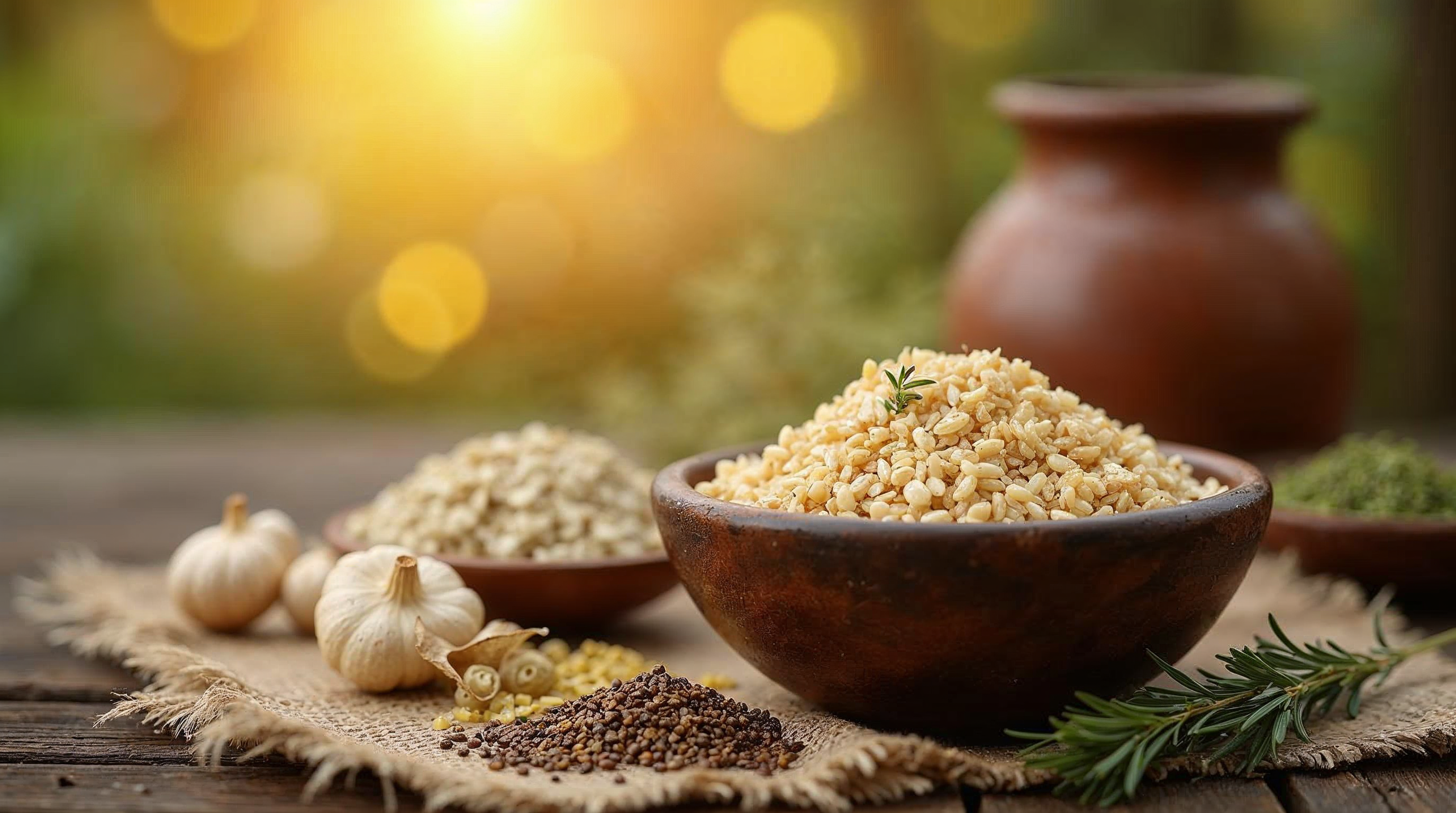
Hildegard von Bingens Dinkelrezepte für eine gesunde Verdauung
Hildegard von Bingens Dinkelrezepte » Nach Hildegard von Bingen ✓ Ohne Zusatzstoffe ✓ Biozertifiziert – Jetzt entdecken