

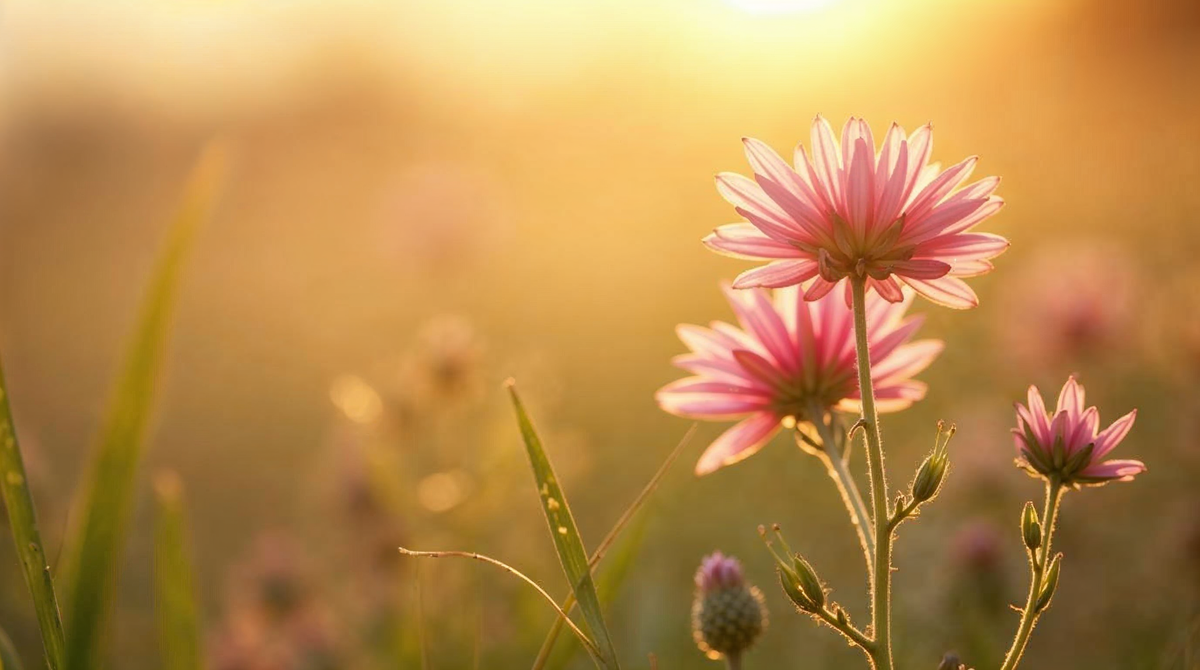
Es gibt Heilpflanzen, die einst in jedem Kräutergarten standen und in der Volksmedizin wie selbstverständlich zur Hand waren – und die heute kaum noch jemand kennt. Das Tausendgüldenkraut (Centaurium erythraea) gehört ohne Zweifel dazu. Sein Name klingt nach alchemistischem Gold, und tatsächlich wurde ihm in der Klostermedizin und der traditionellen europäischen Heilkunde ein außerordentlicher Ruf zuteil. Mit seinem charakteristisch bitteren Geschmack, den zarten rosaroten Blüten und einer Jahrtausende alten Geschichte als Begleiter der Menschen in Zeiten körperlicher Schwäche verdient dieses unscheinbare Kraut einen neuen Platz im Bewusstsein all jener, die Naturheilkunde als ganzheitlichen Lebensweg verstehen. Dieser Artikel lädt dich ein, das Tausendgüldenkraut neu zu entdecken – seine Geschichte, seine Besonderheiten und seine Bedeutung in einer modernen Lebensweise, die auf überliefertes Pflanzenwissen setzt.
Eine Pflanze mit Geschichte: Tausendgüldenkraut in der Klostermedizin und bei Hildegard von Bingen
Die Geschichte des Tausendgüldenkrauts reicht weit zurück in die Antike. Bereits griechische und römische Gelehrte beschrieben die Pflanze als wertvolle Begleiterin bei allerlei Beschwerden des Leibes. Ihr lateinischer Gattungsname Centaurium verweist auf den Kentauren Chiron der griechischen Mythologie – jenen sagenhaften Halbmenschen, der als weiser Lehrer und Heiler galt und dem man die Entdeckung dieser Pflanze zuschrieb. Diese mythologische Verankerung zeigt, welch hohen Stellenwert das Tausendgüldenkraut in der antiken Heilkultur einnahm: Es war nicht irgendein Kraut, sondern eines der Götter und Helden.
Im Mittelalter erlebte das Wissen um Heilpflanzen seine Blütezeit in den Klostergärten Europas. Mönche und Nonnen pflegten das überlieferte Kräuterwissen mit großer Sorgfalt und ergänzten es durch eigene Beobachtungen. Hildegard von Bingen (1098–1179), die bedeutende Benediktinerin, Mystikerin und Naturkundige, erwähnt das Tausendgüldenkraut in ihren Schriften und schätzte es als Teil der klösterlichen Hausapotheke. Hildegard von Bingen Produkte Für Hildegard war die Natur Ausdruck göttlicher Ordnung, und bittere Kräuter nahmen in ihrer Lehre von der Viriditas – der heilenden Lebenskraft der Natur – einen besonderen Platz ein. Sie sah im bitteren Geschmack keinen Mangel, sondern eine Eigenschaft, die den Menschen in seiner inneren Balance stärken könne.
Auch in der Volksmedizin der nachfolgenden Jahrhunderte blieb das Tausendgüldenkraut präsent. In deutschsprachigen Kräuterbüchern des 16. und 17. Jahrhunderts, etwa bei Hieronymus Bock oder Leonhart Fuchs, findet sich das Kraut unter verschiedenen Volksnamen wie „Erdgalle", „Fieberkraut" oder „Tausendguldenkraut" – ein Name, der auf seinen legendären Wert hindeutet, als sei er tausend Gulden wert. BitterKraft Original Diese volksmedizinische Tradition ist kein Zufall: Über Generationen hinweg wurde beobachtet, was überliefert und weiterentwickelt wurde – und das Tausendgüldenkraut blieb Teil dieser lebendigen Wissenstradition.
„Das Tausendgüldenkraut wird in der europäischen Volksmedizin seit der Antike traditionell verwendet und ist in zahlreichen historischen Kräuterbüchern des deutschen Sprachraums dokumentiert. Die Europäische Arzneimittelagentur (EMA) führt es als pflanzliches Arzneimittel mit langer Tradition auf."
— Europäische Arzneimittelagentur (EMA), Community Herbal Monograph on Centaurium erythraea
Das Tausendgüldenkraut blickt auf eine über 2000 Jahre alte Verwendungstradition zurück – von der griechischen Antike über mittelalterliche Klostergärten bis in die heutige Naturheilkunde.
Was steckt im Tausendgüldenkraut? Die Bitterstoffe und ihre traditionelle Bedeutung
Wer das Tausendgüldenkraut zum ersten Mal auf der Zunge hat, wird sofort verstehen, weshalb es über Jahrhunderte als bedeutsam galt: Der Geschmack ist intensiv bitter, klar und anhaltend. Dieser Bittergeschmack ist kein Zufall, sondern das Resultat einer einzigartigen Zusammensetzung sekundärer Pflanzenstoffe, die das Kraut zu einem der bittersten heimischen Heilkräuter überhaupt macht. BitterKraft Original In der Naturheilkunde und der traditionellen Kräutermedizin gelten Bitterstoffe seit jeher als besonders wertvoll – sie gehören zu den ältesten Phytotherapeutika, die der Mensch kennt.
Was steckt im Tausendgüldenkraut?
Das Tausendgüldenkraut enthält eine Reihe charakteristischer Inhaltsstoffe, die es botanisch und phytochemisch einzigartig machen:
- Secoiridoid-Bitterstoffe (v. a. Swertiamarin, Gentiopicrosid): Dies sind die prägenden Bitterstoffe der Pflanze, die ihr den intensiven Geschmack verleihen und zu ihrer traditionellen Bedeutung beigetragen haben.
- Xanthone (u. a. Mangiferin): Seltene phenolische Verbindungen, die in der Pflanzenwelt nicht weit verbreitet sind und dem Tausendgüldenkraut eine besondere phytochemische Stellung geben.
- Alkaloide (Gentianin): In geringen Mengen vorhanden, typisch für die Familie der Enziangewächse, zu denen das Tausendgüldenkraut botanisch gehört.
- Phenolsäuren und Flavonoide: Sekundäre Pflanzenstoffe, die in vielen traditionell verwendeten Heilpflanzen vorkommen.
- Ätherische Öle: In kleinen Mengen enthalten, tragen zum aromatischen Profil der Pflanze bei.
In der Tradition der Kräutermedizin, wie sie Hildegard von Bingen und die Mönchsapotheker pflegten, waren es genau diese Bitterstoffe, denen besondere Aufmerksamkeit galt. Bittere Kräuter wurden nicht als unangenehm empfunden, sondern als eine Form von Stärke der Natur – ein Signal, dass eine Pflanze etwas Wertvolles in sich trägt. Die Klostermedizin unterschied ausdrücklich zwischen süßen, aromatischen und bitteren Kräutern und wies letzteren eine eigene Qualität zu, die den inneren Menschen in seiner Mitte stärken solle. Hildegard von Bingen Produkte Diese Sichtweise ist heute in der modernen Phytotherapie wieder aktueller denn je, da das Interesse an Bitterpflanzen und ihrer traditionellen Verwendung deutlich zunimmt.
Was das Tausendgüldenkraut dabei besonders macht: Es zählt zu den wenigen heimischen Wildpflanzen, die gleich mehrere Bitterstoffklassen in sich vereinen. Während Löwenzahn oder Chicorée eher mild bitter sind, gehört das Tausendgüldenkraut zur Kategorie der ausgesprochen intensiven Bitterkräuter – vergleichbar mit dem Enzian, der ebenfalls zur gleichen botanischen Familie (Gentianaceae) gehört. Dieser intensive Charakter war es, der die Pflanze historisch so bedeutsam machte und ihr den klangvollen Namen einbrachte, der ihren Wert wie pures Gold beschreiben sollte.
Das Tausendgüldenkraut gehört zur Familie der Enziangewächse und zählt zu den intensivsten Bitterkräutern der heimischen Flora – ein Umstand, der es seit der Antike zu einem geschätzten Bestandteil der europäischen Kräutertradition gemacht hat.
Tausendgüldenkraut und die Tradition der Bitterkräuter für Magen und Galle
Wenn man sich durch die Heilkräuterliteratur der vergangenen Jahrhunderte liest, fällt auf: Kaum ein Kraut wurde so konsistent im Zusammenhang mit dem Verdauungssystem erwähnt wie das Tausendgüldenkraut. In der traditionellen europäischen Pflanzenheilkunde – von den Klosterschriften des Mittelalters über die Kräuterbücher der Renaissance bis hin zu den Überlieferungen der Volksmedizin des 19. Jahrhunderts – wird es immer wieder im Kontext von Magen, Galle und dem gesamten oberen Verdauungstrakt genannt. Diese historische Kontinuität ist bemerkenswert und gibt uns heute einen wertvollen Hinweis, weshalb das Kraut in einer modernen, naturorientierten Lebensweise wieder Beachtung verdient. Darm- und Verdauungsprodukte
In der Lehre Hildegards von Bingen spielte das Gleichgewicht der inneren Organe eine zentrale Rolle. Sie beschrieb die Galle als Ort der Leidenschaft und des Lebensfeuers – und Kräuter, die traditionell mit ihr in Verbindung gebracht wurden, galten als Mittel zur inneren Ordnung und Mitte. Das Tausendgüldenkraut war in dieser Vorstellung ein Kraut, das helfen sollte, den Menschen in seiner natürlichen Balance zu halten. Diese ganzheitliche Sichtweise ist charakteristisch für die Klostermedizin: Nicht das einzelne Organ stand im Vordergrund, sondern der Mensch als Gesamtheit aus Körper, Seele und Geist. Hildegard von Bingen Produkte
Traditionell verwendete Bitterkräuter für Magen und Galle im Überblick:
- Tausendgüldenkraut: Wird seit der Antike traditionell im Zusammenhang mit dem Wohlbefinden nach den Mahlzeiten verwendet und zählt zu den intensivsten heimischen Bitterkräutern Europas.
- Enzian (Gentiana lutea): Eng verwandt mit dem Tausendgüldenkraut, historisch bekannt als eines der stärksten Bitterkräuter überhaupt – traditionell in Klosterapotheken und der alpinen Volksmedizin genutzt.
- Schafgarbe: Klassisches Kräutlein der Wiesen, das in der europäischen Volksmedizin seit Jahrhunderten im Kontext der Verdauungsgesundheit Verwendung findet.
- Artischocke: Bereits im antiken Mittelmeerraum bekannt, wird traditionell als Bitterkraut im Zusammenhang mit dem Wohlbefinden nach fettreichen Mahlzeiten erwähnt. Leber-Produkte von Bitterkraft
- Löwenzahn: Das „Unkraut" unter den Heilpflanzen – in der Volksmedizin von der Wurzel bis zur Blüte traditionell genutzt, besonders im Frühling als Bitterkur. Fasten-Produkte
- Wermut: Bekannt aus der alpinen Kräutertradition und historisch als einer der bittersten Kräuter Europas, traditionell in Bittertinkturen und Digestifs verarbeitet.
Die Kombination dieser Bitterkräuter hat in der Naturheilkunde eine lange Tradition. So wurden in der Klostermedizin häufig Kräutermischungen zusammengestellt, die mehrere Bitterpflanzen vereinten – nicht als medizinische Behandlung, sondern als Teil eines bewussten Lebensrhythmus, der die innere Ordnung des Menschen stärken sollte. Tees, Tinkturen und Kräuterweine aus bitteren Pflanzen gehörten in vielen Regionen Europas zum festen Bestandteil der saisonalen Körperpflege, insbesondere im Frühling und Herbst. Das Tausendgüldenkraut nahm dabei oft eine Hauptrolle ein – als eines der zugänglichsten und gleichzeitig wirkungsvollsten Bitterkräuter der heimischen Flora.
Wie du Tausendgüldenkraut heute in deinen Alltag integrieren kannst
Das Schöne am Tausendgüldenkraut ist seine Vielseitigkeit in der Anwendung. Wie viele der klassischen Heilkräuter lässt es sich auf verschiedene Weisen in den Alltag einbinden – als Tee, als Tinktur, als Teil einer Bitterkräutermischung oder in Form von Fertigpräparaten aus dem Naturkunde-Fachhandel. Wichtig ist dabei das Bewusstsein, mit dem man es einnimmt: In der klösterlichen Tradition war die Einnahme von Kräutern kein rein mechanischer Vorgang, sondern ein Moment der Achtsamkeit und inneren Einkehr. Dieses Ritual hat bis heute seinen Wert behalten. Hildegard von Bingen Produkte
Traditionelle Zubereitungsformen für Tausendgüldenkraut:
Als Tee (Aufguss): Ca. 1–2 Teelöffel des getrockneten Krauts mit heißem (nicht kochendem) Wasser übergießen, 5–10 Minuten ziehen lassen. Der Tee schmeckt ausgeprägt bitter und sollte ohne Süßungsmittel genossen werden, um den vollen Charakter der Pflanze zu erleben. Traditionell wird er vor den Mahlzeiten getrunken.
Als Tinktur: Alkoholischer Auszug, der im Naturkunde-Fachhandel erhältlich ist. Einige Tropfen in Wasser – eine Zubereitungsform, die bereits in mittelalterlichen Klosterrezepturen beschrieben wird.
In Bitterkräutermischungen: Das Tausendgüldenkraut harmoniert traditionell mit Enzian, Wermut, Schafgarbe und anderen Bitterkräutern. Solche Mischungen werden im Naturkunde-Bereich als „Bitterelixiere" oder „Digestifs" angeboten.
Als Frischpflanze: In der Wildkräuterküche werden die jungen Blätter gelegentlich verwendet – ein bitterer Akzent in Salaten oder Kräuterquark, der an die Tradition erinnert, Heilpflanzen als Teil der täglichen Ernährung zu verstehen.
Wer sich für die Tradition der Bitterkräuter interessiert, für den ist das Tausendgüldenkraut ein wunderbarer Einstieg. BitterKraft Original Es ist eine der Pflanzen, die einen direkt und unmittelbar in Kontakt mit einer uralten Naturerfahrung bringen: dem Erleben von Bitterkeit als etwas Wertvollem, Stärkendem, Erdendem. In unserer modernen Ernährungskultur, die weitgehend auf süße, salzige und fettige Geschmackserlebnisse ausgerichtet ist, hat der bittere Geschmack fast vollständig aus dem Speiseplan verschwunden – obwohl er physiologisch und kulturhistorisch eine tiefe Bedeutung hat. Das bewusste Einbinden von Bitterkräutern wie dem Tausendgüldenkraut in den Alltag ist daher auch eine Form der kulinarischen Rückbesinnung.
Für Menschen, die sich intensiver mit der Klostermedizin und dem Hildegard'schen Heilwissen beschäftigen, kann das Tausendgüldenkraut Teil einer umfassenderen saisonalen Praxis werden – etwa als Element einer Frühjahrskur, bei der traditionell Bitterkräuter eingesetzt werden, um den Körper nach dem Winter zu erfrischen. Fasten-Produkte Die klösterliche Tradition kennt solche Rhythmen gut: Der Wechsel der Jahreszeiten wurde als Einladung verstanden, die eigene Lebensweise anzupassen und den Körper durch gezielte Pflanzenanwendungen in seiner natürlichen Ordnung zu unterstützen. Das Tausendgüldenkraut ist in diesem Kontext ein treuer und verlässlicher Begleiter – unscheinbar in seiner Erscheinung, aber reich in seiner Geschichte.
Wer Tausendgüldenkraut bewusst und regelmäßig als Teil seiner Ernährungs- und Wellnessroutine einsetzt, knüpft an eine jahrtausendealte Tradition der europäischen Bitterkräuterkultur an – und bringt einen nahezu vergessenen Geschmack zurück in den modernen Alltag.
Tausendgüldenkraut nachhaltig sammeln, kaufen und aufbewahren
Das Tausendgüldenkraut wächst wild in weiten Teilen Europas – auf trockenen, nährstoffarmen Wiesen, an Wegrändern und lichten Hängen. Es ist eine zweijährige Pflanze: Im ersten Jahr bildet sie eine flache Blattrosette, im zweiten Jahr schießt der Stängel empor, der sich in eine Dolde aus intensiv rosaroten, sternförmigen Blüten verwandelt. Diese Blütezeit – von Juni bis August – ist die klassische Zeit der Ernte, wenn Blätter, Stängel und Blüten gemeinsam geerntet werden. Wer die Pflanze aus der Natur kennenlernt, entwickelt unweigerlich eine besondere Verbindung zu ihr: Sie ist klein, unscheinbar und doch unvergesslich.
Beim Wildsammeln gilt die Regel der Nachhaltigkeit: Nur so viel ernten, wie man wirklich benötigt, nie alle Pflanzen eines Standorts, immer genug stehen lassen für die Bestäuber und die nächste Generation. Da das Tausendgüldenkraut in manchen Regionen Deutschlands und Europas als selten oder gefährdet eingestuft ist, empfiehlt sich die Rücksprache mit lokalen Naturschutzbehörden, bevor man auf Sammeltour geht. Eine verantwortungsvolle Alternative ist der Kauf von qualitativ hochwertigem, biologisch zertifiziertem Tausendgüldenkraut aus kontrolliertem Anbau oder vom zertifizierten Wildsammler – wie es etwa in gut sortierten Naturheilkunde-Fachgeschäften und Online-Shops angeboten wird.
Bei der Aufbewahrung sollte das getrocknete Kraut in einem dunklen, trockenen und luftdichten Behälter gelagert werden – idealerweise in einem Glasgefäß mit Schraubverschluss, fern von Wärme und direktem Sonnenlicht. So behält es seinen charakteristischen Bittergeschmack und seine phytochemische Qualität über Monate. Ein frisch zubereiteter Aufguss aus gut gelagertem Tausendgüldenkraut unterscheidet sich deutlich in seiner Intensität von einem schlecht gelagerten Kraut – ein Hinweis darauf, wie wichtig Qualität bei Heilpflanzen ist. Wer sein Kräuterlager mit Sorgfalt pflegt, folgt damit einer weiteren alten Tradition: der klösterlichen Kunst des Konservierens und Hütens von Pflanzenwissen über die Jahreszeiten hinweg. alle Bitterkraft Produkte
„Centaurium erythraea Rafn. ist in der europäischen Phytotherapie-Tradition eine der am besten dokumentierten Bitterpflanzen. Die Droge (das getrocknete Kraut) wird im Europäischen Arzneibuch (Ph. Eur.) monografiert und findet in verschiedenen phytotherapeutischen Zubereitungen Verwendung."
— Europäisches Arzneibuch (Ph. Eur.), Monografie Centaurii herba
Das Tausendgüldenkraut ist eine Pflanze, die Geduld belohnt – Geduld beim Suchen in der Natur, Geduld beim Trocknen und Aufbewahren, Geduld beim Kennenlernen seines intensiven Geschmacks. Wer sich dieser Geduld hingibt, wird reich belohnt: mit einer der eindrücklichsten Naturerfahrungen, die die heimische Pflanzenwelt zu bieten hat, und mit dem Bewusstsein, Teil einer langen Linie von Menschen zu sein, die dieses Kraut geschätzt, genutzt und weitergegeben haben. Das Tausendgüldenkraut ist kein Trend, kein Superfood aus fernen Ländern – es ist ein stilles, tiefes Stück europäischer Naturkultur, das darauf wartet, wiederentdeckt zu werden.


Hinterlasse einen Kommentar
Diese Website ist durch hCaptcha geschützt und es gelten die allgemeinen Geschäftsbedingungen und Datenschutzbestimmungen von hCaptcha.