

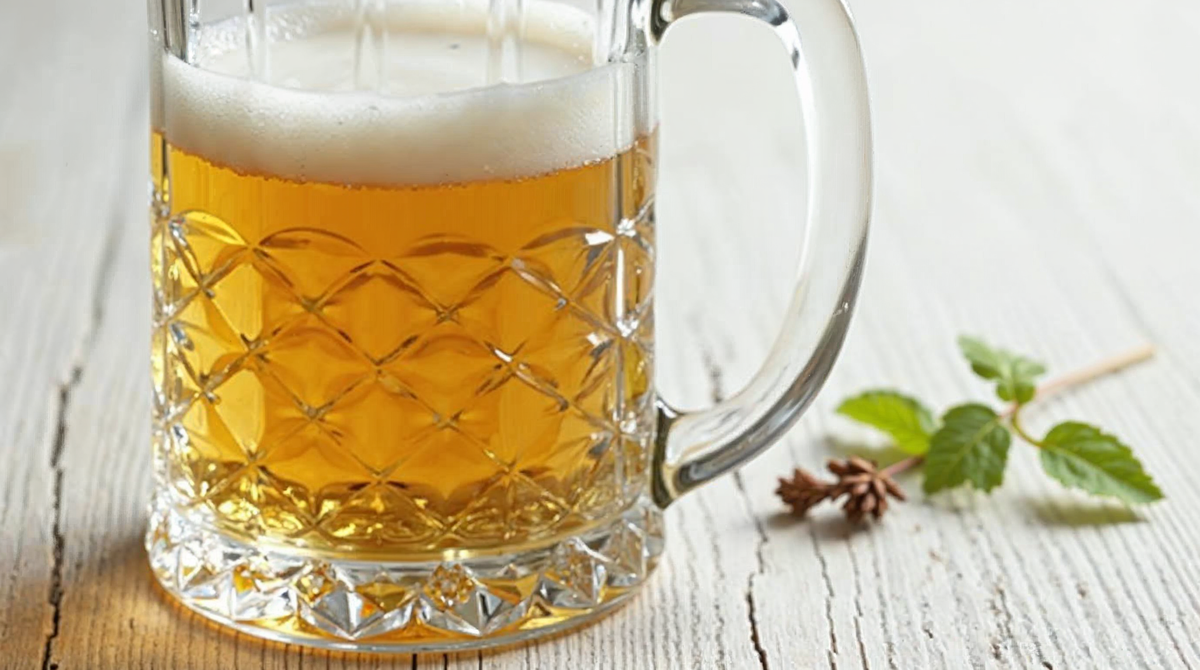
Viele Menschen kennen das Phänomen: Nach einem Glas Rotwein, einem reifen Käse oder einer Portion Thunfisch beginnt der Kopf zu hämmern, die Haut rötet sich, der Bauch rebelliert. Was dahinter stecken kann, ist eine Histaminintoleranz – ein Thema, das in der Naturheilkunde zunehmend Beachtung findet und das eng mit dem Zustand unseres Darms zusammenhängt. Wer verstehen möchte, warum manche Menschen auf bestimmte Lebensmittel so empfindlich reagieren und welche traditionellen Kräuter seit Jahrhunderten im Umgang mit solchen Unverträglichkeiten geschätzt werden, findet in der Pflanzenheilkunde und der Klostermedizin faszinierende Antworten. Dieser Artikel beleuchtet die Zusammenhänge zwischen Darmgesundheit und Histamin und stellt bewährte natürliche Ansätze vor, die das allgemeine Wohlbefinden im Alltag ergänzen können.
Was ist Histaminintoleranz – und warum spielt der Darm eine zentrale Rolle?
Histamin ist eine körpereigene Substanz, die in vielen Lebensmitteln vorkommt und auch im menschlichen Körper produziert wird. Es gehört zu den biogenen Aminen und ist an zahlreichen natürlichen Körperprozessen beteiligt. Unter normalen Umständen wird Histamin durch bestimmte Enzyme – vor allem durch das Enzym Diaminoxidase (DAO) – in der Darmschleimhaut abgebaut. Bei einer Histaminintoleranz ist diese Fähigkeit eingeschränkt: Das Histamin aus der Nahrung kann nicht vollständig verarbeitet werden und gelangt in größeren Mengen in den Blutkreislauf.
Die Verbindung zwischen Darm und Histaminintoleranz ist dabei keine Einbahnstraße. Ein gesunder, intakter Darm mit einer stabilen Schleimhaut bildet die Grundlage für einen reibungslosen Umgang mit Histamin. Ist die Darmflora aus dem Gleichgewicht geraten – etwa durch Stress, eine einseitige Ernährung, Antibiotikaeinnahme oder chronische Entzündungen – kann auch die Fähigkeit des Darms, Histamin zu verarbeiten, beeinträchtigt sein. Bestimmte Darmbakterien produzieren zudem selbst Histamin, was die Gesamtbelastung weiter erhöhen kann. Es entsteht ein Kreislauf, den viele Betroffene aus eigener Erfahrung kennen: Je unruhiger der Darm, desto empfindlicher die Reaktion auf histaminreiche Speisen.
Der Darm ist nicht nur Verdauungsorgan – er ist das Fundament des gesamten Wohlbefindens. Eine gestörte Darmflora kann die körpereigene Fähigkeit, Histamin zu verarbeiten, erheblich beeinflussen.
Interessant ist auch, dass Histaminintoleranz häufig keine angeborene Störung ist, sondern sich im Laufe des Lebens entwickelt. Stress, hormonelle Veränderungen, bestimmte Medikamente sowie eine dauerhaft belastende Ernährung gelten als typische Auslöser. Frauen sind statistisch häufiger betroffen als Männer, was Fachleute auf hormonelle Wechselwirkungen zurückführen. Das Verständnis dieser Zusammenhänge ist der erste Schritt auf dem Weg zu einem bewussteren Umgang mit dem eigenen Körper – und zur gezielten Ergänzung des Alltags mit traditionellen Naturmitteln. Darm- und Verdauungsprodukte
Hildegard von Bingen und das Wissen der Klostermedizin über Darm und Unverträglichkeiten
Hildegard von Bingen (1098–1179) gilt als eine der bedeutendsten Naturheilerinnen des Mittelalters. Die Benediktinerin und Universalgelehrte verfasste umfangreiche Schriften über Heilpflanzen, Ernährung und das Gleichgewicht der menschlichen Natur. Ihr bekanntestes Werk, die „Physica", beschreibt Hunderte von Pflanzen und Lebensmitteln – und ihren traditionellen Nutzen für das menschliche Wohlbefinden. Obwohl Hildegard den Begriff „Histaminintoleranz" natürlich nicht kannte, beschäftigte sie sich intensiv mit dem, was sie „Fäulnisstoffe" nannte – Substanzen, die den Körper nach ihrer Überzeugung belasten und die Verdauung aus dem Gleichgewicht bringen können.
„Der Mensch soll mit Mäßigung essen und trinken, damit er gesund bleibt und nicht durch Übermaß krank wird." – Hildegard von Bingen, Physica (12. Jahrhundert)
Besonders aufschlussreich ist Hildegards Sicht auf fermentierte und gelagerte Lebensmittel, die sie für bestimmte Menschen als schwer verträglich beschrieb. Gereifter Käse, altes Fleisch und gegorene Getränke sollten laut ihrer Lehre mit Bedacht genossen werden – Erkenntnisse, die aus heutiger Sicht mit dem Histamingehalt dieser Nahrungsmittel in Verbindung gebracht werden können. Hildegard empfahl stattdessen frische, mild zubereitete Speisen und den Einsatz von Gewürzkräutern wie Fenchel, Bertram und Galgant, um das innere Gleichgewicht zu fördern. Hildegard von Bingen Produkte
Die Klostermedizin insgesamt war ein Ort des gepflegten Kräuterwissens: In den Klostergärten wurden Heilpflanzen kultiviert, deren Anwendung über Generationen weitergegeben wurde. Dieses überlieferte Wissen bildet bis heute die Grundlage vieler naturheilkundlicher Ansätze. Gerade im Kontext der Darmgesundheit zeigt sich, wie zeitlos dieses Wissen ist: Bitterstoffe, entblähende Kräuter und sanfte Beruhiger für den Verdauungstrakt – sie alle haben ihren festen Platz in der europäischen Heilpflanzentradition und werden von Naturheilkunde-Interessierten bis heute geschätzt.
Es ist diese Verbindung aus jahrhundertealter Erfahrung und modernem Verständnis der Darmgesundheit, die den Ansatz der Naturheilkunde so reizvoll macht. Wer sich auf die Suche nach natürlichen Wegen begibt, tritt in einen Dialog mit einer langen Tradition – und findet darin Orientierung für den eigenen Alltag. BitterKraft Original
Bewährte Heilkräuter aus der Tradition: Was die Natur bei Histaminempfindlichkeit bereitstellt
Die Pflanzenheilkunde kennt eine Vielzahl von Kräutern, die seit Jahrhunderten traditionell verwendet werden, wenn es darum geht, den Darm zu pflegen, das allgemeine Wohlbefinden zu unterstützen und den Körper in seiner natürlichen Balance zu stärken. Gerade für Menschen mit Histaminempfindlichkeit ist es wichtig, dass die eingesetzten Pflanzen selbst möglichst histaminarm sind und den Körper nicht zusätzlich belasten. Die folgenden Kräuter gelten in der Tradition als gut verträglich und wurden historisch für ihre ausgleichenden Eigenschaften auf den Verdauungstrakt geschätzt.
Diese traditionellen Heilkräuter werden bei Darm und Histaminempfindlichkeit geschätzt:
- Kamille (Matricaria chamomilla): In der europäischen Kräuterheilkunde seit der Antike bekannt, wird Kamille traditionell als sanftes Kraut für einen unruhigen Bauch geschätzt. Hildegard von Bingen beschrieb sie als wohltuend und ausgleichend.
- Ingwer (Zingiber officinale): In der asiatischen und europäischen Heilkunde seit Jahrhunderten verwendet, gilt Ingwer als eines der vielseitigsten Gewürzkräuter. Er wird traditionell als wärmend und belebend für den Bauchraum beschrieben und ist in vielen Klosterapotheken überliefert.
- Fenchel (Foeniculum vulgare): Hildegard von Bingen schätzte Fenchel besonders und widmete ihm ausführliche Passagen in ihrer Physica. Er wird seit Jahrhunderten traditionell bei einem unruhigen, blähungsgeneigten Bauch verwendet und gilt als angenehm mild.
- Brennnessel (Urtica dioica): Historisch als kräftigendes und reinigendes Frühjahrskraut bekannt, wird Brennnessel in der Volksheilkunde seit Generationen als natürliche Ergänzung bei Überempfindlichkeitsreaktionen geschätzt. Sie gilt als histaminarm und gleichzeitig reich an wertvollen Pflanzenstoffen.
- Schwarzkümmel (Nigella sativa): Im Mittelmeerraum und in der arabischen Heilkunde seit über 3000 Jahren traditionell genutzt, wird Schwarzkümmel als stärkendes Gewürz beschrieben, das das allgemeine Wohlbefinden ergänzen kann. In der islamischen Medizin heißt es, er sei ein Heilmittel für alles außer dem Tod.
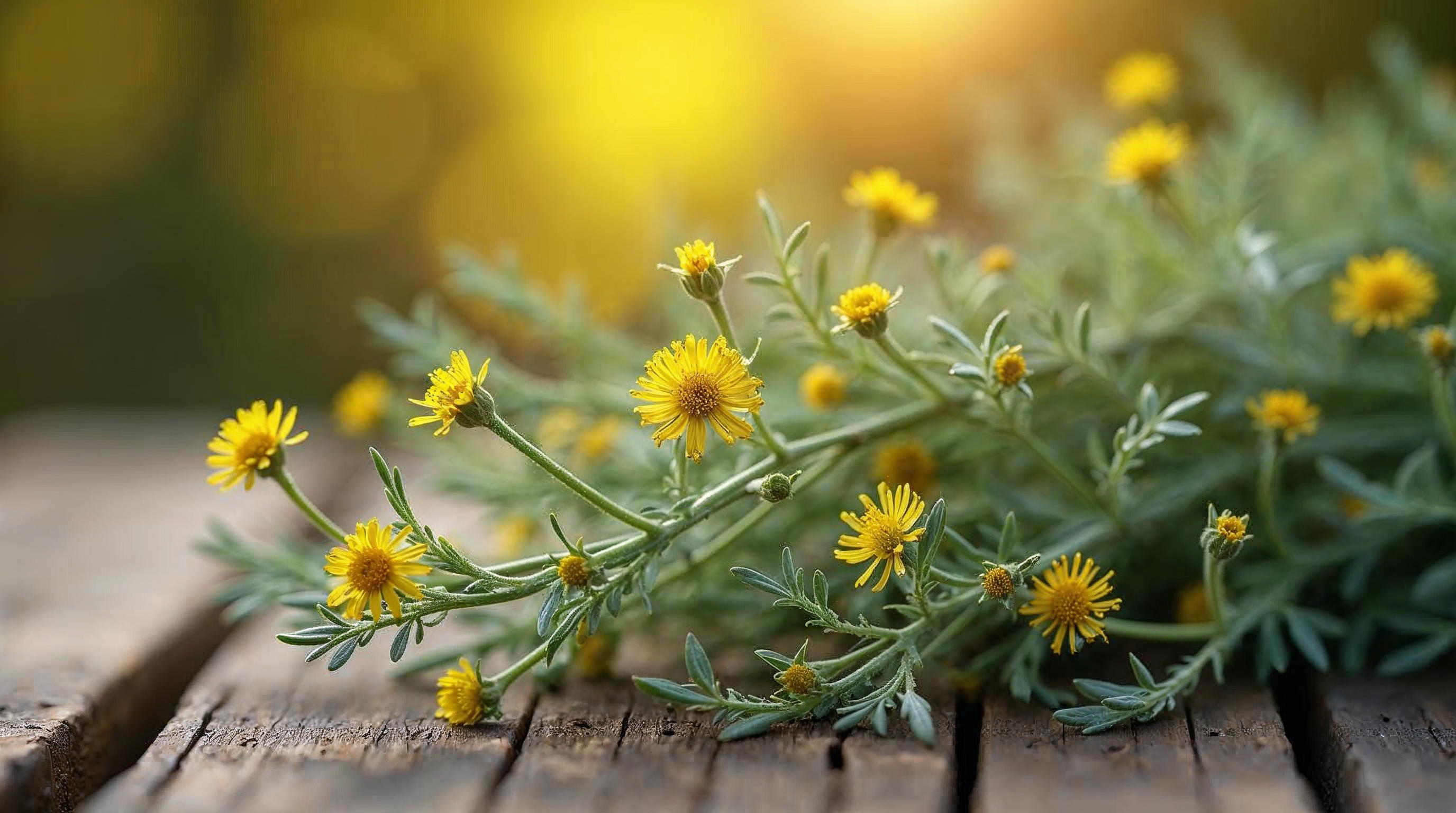
- Wermut (Artemisia absinthium): Als klassisches Bitterkraut in der Klostermedizin fest verwurzelt, wurde Wermut von Hildegard von Bingen als eines ihrer Lieblingskräuter beschrieben. Er ist traditionell bekannt für seine Rolle im Kontext der Verdauungspflege und Bitterstoffversorgung.
- Galgant (Alpinia officinarum): Hildegards Lieblingspflanze schlechthin – sie empfahl Galgant für nahezu alle Unwohlseinszustände. Als aromatisches Wärme- und Balancekraut wird er in der Klostermedizin bis heute geschätzt und gilt als histaminarm.
Wer diese Kräuter in seinen Alltag integrieren möchte, hat viele Möglichkeiten: als Tee, als Gewürz in der Küche, als Tinktur oder als Teil eines Kräuterelixiers. Entscheidend ist dabei die regelmäßige, bewusste Anwendung – nicht als schnelle Lösung, sondern als langfristige Ergänzung eines naturheilkundlich orientierten Lebensstils. Immunsystem-Produkte
Was steckt hinter Bitterstoffen?
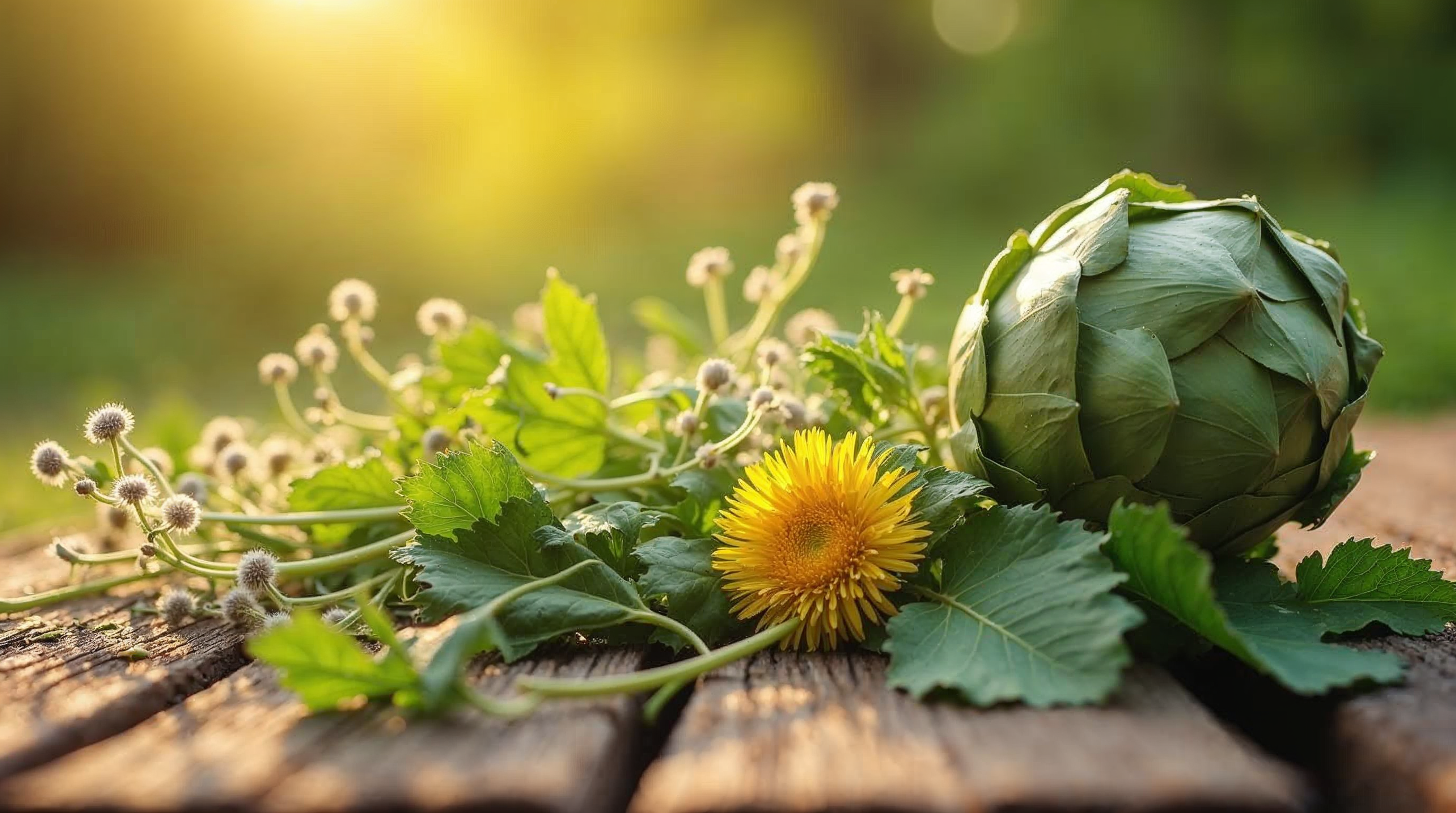
Viele der genannten Kräuter enthalten sogenannte Bitterstoffe – sekundäre Pflanzenstoffe, die in der modernen Ernährung kaum noch vorkommen, da Züchtung und Verarbeitung bittere Geschmacksnoten systematisch reduziert haben. In der Klostermedizin galten Bitterstoffe als besonders wertvoll für den Bauch und die innere Balance. Hildegard von Bingen setzte Bitterkräuter gezielt ein, um das Gleichgewicht im Körper zu pflegen. Wermut, Enzian und Schafgarbe zählen zu den bittersten heimischen Pflanzen und haben eine lange Tradition in der europäischen Kräuterküche. Ihre Wiederentdeckung im Kontext moderner Darmgesundheit spiegelt das wachsende Interesse an Naturheilkunde und traditionellem Pflanzenwissen wider.
Ernährung und Lebensstil: Natürliche Alltagsstrategien aus der Naturheilkunde
Neben der gezielten Kräuterergänzung spielt die Ernährung eine entscheidende Rolle im naturheilkundlichen Umgang mit Histaminempfindlichkeit. Dabei geht es nicht primär um Verbote und Einschränkungen, sondern um das bewusste Hinzufügen von histaminarmen, darmfreundlichen Lebensmitteln und Ritualen, die aus der Tradition überliefert sind. Das Prinzip „Hinzufügen statt Weglassen" ist dabei zentral: Wer seinen Alltag mit bewussten Gewohnheiten anreichert, schafft langfristig eine stabilere Grundlage für sein Wohlbefinden.
Das Prinzip der Klostermedizin war nie das strikte Verbot, sondern die bewusste Auswahl: frische, schonend zubereitete Lebensmittel, Kräuter als tägliche Begleiter und Mäßigung als Lebenshaltung.
Aus der Tradition der Klostermedizin lassen sich konkrete Alltagsempfehlungen ableiten: Hildegard von Bingen betonte die Bedeutung von frisch zubereitetem Essen gegenüber Lagerware und Gärgut. Frisch gekochte Mahlzeiten sind histaminärmer als aufgewärmte Speisen, da Histamin sich bei längerem Lagern bildet und durch Erhitzen nicht zerstört wird. Diese Erkenntnis, die Hildegard intuitiv in ihre Ernährungslehre einbaute, deckt sich mit modernen ernährungswissenschaftlichen Empfehlungen. Dinkel, der Hildegard-Klassiker schlechthin, gilt als gut verträgliches Getreide und war das Herzstück ihrer Ernährungslehre – eine Überlieferung, die viele Naturheilkunde-Begeisterte noch heute in ihrer Küche pflegen. Fasten-Produkte
Laut einer im Jahr 2019 im „Journal of Nutritional Science" veröffentlichten Übersichtsarbeit besteht ein enger Zusammenhang zwischen der Diversität der Darmflora und der Fähigkeit des Körpers, biogene Amine wie Histamin zu verarbeiten. Eine pflanzenreiche, ballaststoffreiche Ernährung wird dabei als förderlich für eine stabile Darmflora beschrieben.
Ein weiterer traditioneller Ansatz ist das Fasten oder die bewusste Essenspause. Perioden der Nahrungskarenz galten in Klöstern nicht nur als spirituelle Praxis, sondern auch als körperliche Reinigung. Aus naturheilkundlicher Perspektive kann eine vorübergehende Entlastung des Verdauungstrakts dem Darm die Möglichkeit geben, sich zu regenerieren. Ob in Form eines Fastentages, eines milden Entlastungstages mit leichten Suppen und Kräutertees oder einer längeren Fastenphase – die Tradition des bewussten Nicht-Essens ist ein fester Bestandteil ganzheitlicher Naturheilkunde. Wer sich für Fastenansätze interessiert, findet im Bitterkraft-Blog dazu ausführliche Informationen. Fasten-Produkte
Nicht zuletzt spielt Stress als Auslöser für Histaminreaktionen eine unterschätzte Rolle. Chronischer Stress beeinflusst die Darmflora nachweislich und kann die Schleimhautbarriere schwächen. Entspannungsrituale – ob in Form eines abendlichen Kräutertees, einer Meditation, einer Klosterübung oder eines Spaziergangs in der Natur – sind deshalb aus naturheilkundlicher Sicht genauso wichtig wie die Ernährungsanpassung. Diese ganzheitliche Betrachtung des Menschen, in der Körper, Geist und Seele als Einheit verstanden werden, war das Herzstück von Hildegards Medizin und ist es bis heute in der Naturheilkunde. Schlaf- und Entspannungsprodukte
Den Darm pflegen: Ein ganzheitlicher Blick auf Histamin, Mikrobiom und Kräutertradition
Die Verbindung zwischen einem gesunden Darm-Mikrobiom und dem Umgang des Körpers mit Histamin ist eines der spannendsten Felder der modernen Forschung – und gleichzeitig ein Bereich, in dem traditionelles Kräuterwissen eine erstaunliche Aktualität beweist. Das Mikrobiom, die Gemeinschaft von Billionen von Mikroorganismen im Darm, beeinflusst nicht nur die Verdauung, sondern auch das Immunsystem, die Stimmung und die Reaktionsfähigkeit auf verschiedene Nahrungsstoffe. Eine vielfältige, stabile Darmflora gilt als wichtige Grundlage für das allgemeine Wohlbefinden.
Ein ausgeglichenes Darm-Mikrobiom ist kein Luxus – es ist die Basis, auf der unser gesamtes Wohlbefinden aufbaut. Traditionelle Kräuter können als tägliche Begleiter dazu beitragen, dieses Gleichgewicht zu pflegen.
Was die Klostermedizin intuitiv wusste, bestätigt die moderne Mikrobiomforschung: Fermentierte Lebensmittel wie Joghurt, Sauerkraut oder Kefir können die Darmflora bereichern – allerdings sind sie für Histaminempfindliche eine zweischneidige Angelegenheit, da Fermentation den Histamingehalt erhöht. Hier empfiehlt die Naturheilkunde, behutsam vorzugehen und individuelle Verträglichkeiten auszuloten. Stattdessen können prebiotische Lebensmittel wie Topinambur, Chicorée, Lauch und Knoblauch – allesamt in der Klosterheilkunde bekannte Pflanzen – die Darmflora auf schonende Weise nähren.
Prebiotika und Kräuter: Ein bewährtes Duo
Prebiotika sind Pflanzenfasern, die als Nahrung für nützliche Darmbakterien dienen. Kombiniert mit traditionellen Kräutern wie Fenchel, Kamille oder Schafgarbe ergibt sich ein in der Naturheilkunde geschätztes Konzept der Darmpflege: nähren und beruhigen zugleich. Diese Kombination wurde in Klostergärten intuitiv gepflegt – die Küchenpflanzen und die Heilpflanzen wuchsen oft Seite an Seite. Wer diesen Ansatz in seinen Alltag integrieren möchte, kann damit beginnen, regelmäßig prebiotisches Gemüse in die Ernährung aufzunehmen und parallel einen Kräutertee aus einer oder mehrerer der genannten Pflanzen zu sich zu nehmen.
Es lohnt sich, den Darm als das zu sehen, was er aus naturheilkundlicher Perspektive ist: nicht nur ein Verdauungsorgan, sondern ein zentrales Regulationssystem des Körpers. Menschen, die unter Histaminempfindlichkeit leiden, tragen oft eine Geschichte mit sich, in der der Darm lange unter Druck stand – durch Ernährung, Stress, Medikamente oder andere Einflüsse. Die naturheilkundliche Antwort darauf ist keine schnelle Lösung, sondern eine behutsame, kontinuierliche Pflege: mit traditionellen Kräutern, bewusster Ernährung und einem Lebensstil, der die Signale des Körpers ernst nimmt. Darm- und Verdauungsprodukte
Abschließend sei betont, dass Histaminintoleranz ein individuelles Geschehen ist. Was einem Menschen hilft, kann für den anderen weniger geeignet sein. Die Naturheilkunde empfiehlt deshalb stets die persönliche Beobachtung – ein Ernährungs- und Beschwerdetagebuch kann helfen, Muster zu erkennen und die eigene Verträglichkeit besser einzuschätzen. Wer einen Heilpraktiker oder naturmedizinisch orientierten Arzt hinzuzieht, erhält darüber hinaus persönliche Begleitung auf dem Weg zu mehr Wohlbefinden. Die Tradition der Kräuterheilkunde bietet dabei einen reichen Schatz an Wissen, das darauf wartet, in den modernen Alltag integriert zu werden – nicht als Ersatz für ärztliche Begleitung, sondern als wertvolle Ergänzung auf dem Weg zu einem bewussteren Leben. alle Bitterkraft Produkte

Hinterlasse einen Kommentar
Diese Website ist durch hCaptcha geschützt und es gelten die allgemeinen Geschäftsbedingungen und Datenschutzbestimmungen von hCaptcha.