

Wer eine Antibiotikabehandlung hinter sich hat, kennt das Gefühl oft nur zu gut: Der Bauch fühlt sich unruhig an, die Verdauung spielt verrückt, und das allgemeine Wohlbefinden lässt zu wünschen übrig. Antibiotika gehören zu den wirksamsten Errungenschaften der modernen Medizin – doch sie unterscheiden nicht zwischen schädlichen und nützlichen Bakterien. Was in unserem Darm über Jahre herangewachsen ist, ein fein austariertes Ökosystem aus Billionen von Mikroorganismen, kann durch eine einzige Behandlung empfindlich aus dem Gleichgewicht geraten. Umso wichtiger ist es, diesem inneren Garten nach einer Antibiotikabehandlung mit Sorgfalt und dem richtigen Pflanzenwissen wieder auf die Beine zu helfen. Die Naturheilkunde – und insbesondere das Kräuterwissen der Hildegard von Bingen – hält dafür seit Jahrhunderten bewährte Schätze bereit.
Was Antibiotika mit dem Darm machen – und warum der Wiederaufbau so wichtig ist
Das Mikrobiom des menschlichen Darms ist ein faszinierendes, hochkomplexes Ökosystem. Es besteht aus schätzungsweise 100 Billionen Mikroorganismen – Bakterien, Pilze, Viren und andere Kleinstlebewesen –, die in einem ständigen Wechselspiel miteinander und mit unserem Körper stehen. Dieses Gleichgewicht, das sogenannte Eubiose, ist das Ergebnis jahrelanger gemeinsamer Geschichte zwischen Mensch und Mikrobe. Es entsteht durch Geburt, Ernährung, Lebensweise und Umwelt. Eine Antibiotikakur greift tief in diese Gemeinschaft ein: Breitbandantibiotika insbesondere treffen nicht nur die unerwünschten Erreger, sondern dezimieren gleichzeitig einen erheblichen Teil der schützenden Darmflora.
Die Folgen dieser Dysbiose – also des Ungleichgewichts – können sich auf vielfältige Weise bemerkbar machen. Blähungen, ein verändertes Stuhlbild, ein Gefühl der Schwere oder allgemeine Unlust sind häufige Begleiterscheinungen, über die Menschen nach einer Antibiotikabehandlung berichten. Was dabei oft vergessen wird: Das Darmmikrobiom steht in enger Verbindung mit dem gesamten Organismus. In der Naturheilkunde gilt der Darm seit jeher als Zentrum des Wohlbefindens – eine Überzeugung, die auch in der modernen Mikrobiomforschung zunehmend Beachtung findet.
Ein gesundes Darmmikrobiom kann sich nach einer kurzen Antibiotikabehandlung zwar grundsätzlich wieder erholen – doch dieser Prozess braucht Zeit, die richtige Ernährung und gezielte pflanzliche Begleitung. Wer aktiv etwas für seinen Darm tut, gibt dem inneren Ökosystem die beste Grundlage für einen stabilen Neuanfang.
Besonders interessant ist, dass verschiedene Antibiotika unterschiedlich starke Auswirkungen auf das Mikrobiom haben. Manche Stämme kehren nach wenigen Wochen zurück, andere benötigen Monate – und einige erholen sich ohne gezielte Unterstützung nur unvollständig. Genau hier setzt die Naturheilkunde an: nicht als Ersatz für die medizinisch notwendige Behandlung, sondern als wertvolle Ergänzung im Anschluss. Darm- und Verdauungsprodukte
Bitterstoffe: Das alte Wissen der Klostermedizin neu entdeckt
In der Klostermedizin des Mittelalters waren Bitterstoffe aus Kräutern und Wurzeln ein selbstverständlicher Bestandteil des täglichen Lebens. Hildegard von Bingen, die visionäre Äbtissin und Naturkundige des 12. Jahrhunderts, schrieb in ihrem Werk „Physica" ausführlich über die Bedeutung bitterer Pflanzen für das menschliche Wohlbefinden. Sie kannte keine Trennung zwischen Küche, Klostergarten und Heilkunde – für sie war die bittere Pflanze ein Geschenk der Natur, das dem Menschen Ordnung und innere Balance schenkt.
„Was bitter ist, reinigt; was süß ist, tröstet – doch die Bitterkeit gibt dem Körper seine Ordnung zurück." – sinngemäß überliefert aus der Schule der Hildegard von Bingen, 12. Jahrhundert
Bitterstoffe – chemisch als Iridoide, Sesquiterpenlactone oder Alkaloide bekannt – kommen in einer Vielzahl von Heilpflanzen vor. Sie waren bis ins 19. Jahrhundert hinein ein zentraler Bestandteil der europäischen Volksmedizin und sind in vielen Kulturen der Welt bis heute unverzichtbar. In der industrialisierten Ernährung der Gegenwart jedoch sind sie weitgehend verschwunden: Bittere Gemüse wurden durch Züchtung immer milder gemacht, bittere Kräutertees durch süße Getränke verdrängt. Diese Entwicklung hat dazu geführt, dass viele Menschen den Bittergeschmack kaum noch kennen – und seinem traditionellen Nutzen für das Wohlbefinden entfremdet sind.
Für den Darmfloraaufbau nach Antibiotika sind Bitterstoffe aus naturheilkundlicher Sicht aus einem besonderen Grund interessant: Sie werden in der Tradition seit Jahrhunderten eingesetzt, um das innere Milieu zu pflegen und das allgemeine Wohlbefinden zu unterstützen. Das Bittere gilt in der Klostermedizin als das, was den Körper „wach hält" – es aktiviert die Sinne, fordert zur Auseinandersetzung auf und schafft Raum für Erneuerung. Kein Wunder also, dass Bitterkräuter in vielen traditionellen Rezepturen zur Unterstützung nach belastenden Phasen zu finden sind. BitterKraft Original
Bitterstoffe gelten in der Naturheilkunde und Klostermedizin seit Jahrhunderten als das traditionelle Mittel der Wahl, wenn es darum geht, den Körper nach einer Belastungsphase wieder ins Gleichgewicht zu bringen – auch und gerade den Verdauungstrakt.
Diese Bitterkräuter werden traditionell für den Darm geschätzt:
- Enzian (Gentiana lutea): Enzianwurzel zählt zu den bittersten Pflanzen Europas und wird in der alpinen Kräutertradition seit Jahrhunderten bei Beschwerden nach schweren Phasen eingesetzt. Hildegard von Bingen erwähnte ihn ausdrücklich als Kraut der inneren Ordnung.
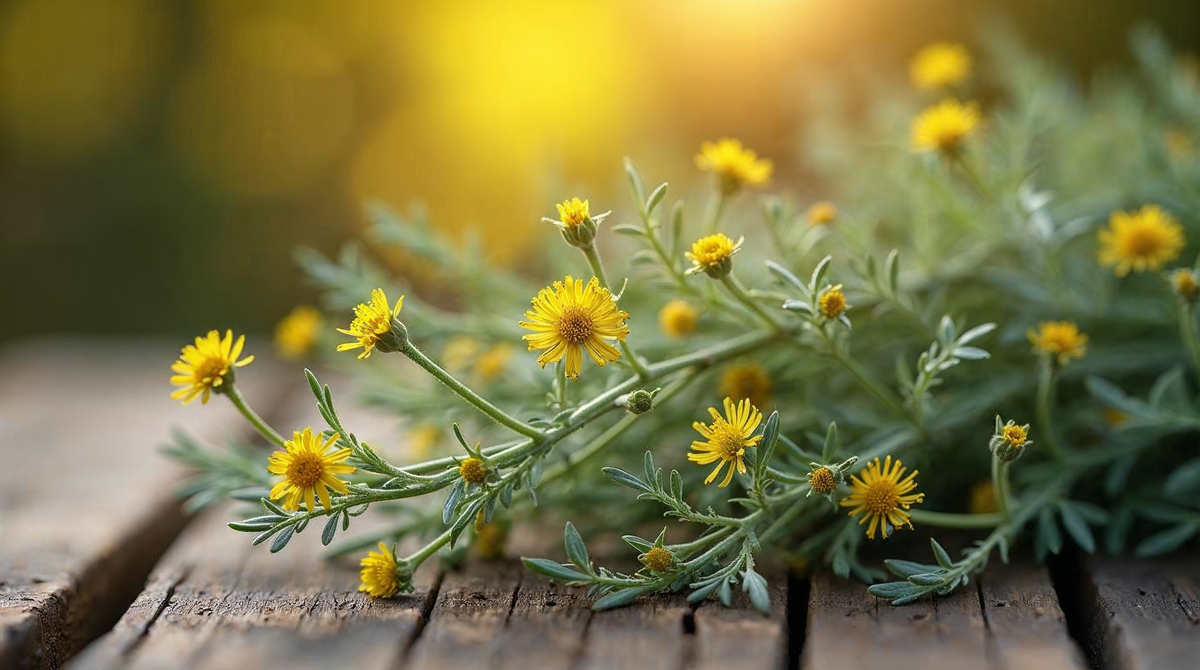
- Wermut (Artemisia absinthium): Der Wermut ist ein klassisches Bitterkraut der Klostermedizin, das historisch in Klostergärten kultiviert und in Kräuterbitter-Rezepturen eingearbeitet wurde. Er wird traditionell verwendet, wenn das Wohlbefinden im Bauchraum gestört erscheint.
- Schafgarbe (Achillea millefolium): Die Schafgarbe ist eine der meistverwendeten Heilpflanzen Mitteleuropas und war in keinem Klostergarten des Mittelalters wegzudenken. Sie wird traditionell bei Unruhe im Verdauungsbereich geschätzt.
- Tausendgüldenkraut (Centaurium erythraea): Sein Name sagt alles – dieses Kraut galt in der Volksmedizin als so wertvoll, dass man es symbolisch mit Gold aufwog. Es wird seit Jahrhunderten traditionell bei Beschwerden nach zehrenden Phasen verwendet.
- Löwenzahn (Taraxacum officinale): Löwenzahn ist eine der bekanntesten Bitterpflanzen und kann problemlos in der Küche integriert werden. Junge Blätter im Frühling als Salat sind ein altes Ritual zur Unterstützung des allgemeinen Wohlbefindens nach dem Winter.
Probiotika, Präbiotika und fermentierte Lebensmittel – der natürliche Dreiklang
Neben den Bitterstoffen sind es vor allem drei Säulen, auf die die Naturheilkunde beim Darmfloraaufbau setzt: probiotische Lebensmittel, die lebende Mikroorganismen in den Darm bringen; präbiotische Lebensmittel, die als Nahrung für bereits vorhandene nützliche Bakterien dienen; und fermentierte Lebensmittel, die beide Qualitäten in sich vereinen. Diese Dreiheit ist keine moderne Erfindung – sie spiegelt ein Ernährungswissen wider, das über Jahrtausende in verschiedenen Kulturen weltweit entstanden ist.
Fermentierte Lebensmittel wie Sauerkraut, Kimchi, Kefir, Joghurt, Miso oder Kombucha gehören in vielen traditionellen Küchen zum Alltag. Sie entstehen durch den natürlichen Prozess der Fermentation, bei dem Mikroorganismen Zucker und Stärke umwandeln und dabei nützliche Verbindungen sowie lebende Kulturen erzeugen. Besonders nach einer Antibiotikabehandlung kann die regelmäßige Aufnahme solcher Lebensmittel dazu beitragen, den Darm langsam wieder mit einer Vielfalt an Mikroorganismen zu bevölkern. Dabei gilt: Vielfalt ist der Schlüssel. Wer jeden Tag das gleiche fermentierte Lebensmittel zu sich nimmt, erhält weniger mikrobielle Abwechslung als jemand, der verschiedene Quellen rotiert.
Präbiotische Ballaststoffe – also unverdauliche Pflanzenfasern, die als Nahrungsgrundlage für Darmbakterien dienen – finden sich in Lebensmitteln wie Topinambur, Chicorée, Knoblauch, Zwiebeln, Hafer, unreifen Bananen und Hülsenfrüchten. Sie sind gleichsam der Humus, auf dem das mikrobielle Gartenbeet gedeiht. In der Hildegard-Küche spielen Dinkel, Kräuter und Wurzelgemüse eine besondere Rolle – und auch sie sind reich an Ballaststoffen, die dem Darm zugutekommen. Die Botschaft der Klostermedizin war nie „nimm diesen einen Wirkstoff", sondern stets: Lebe im Einklang mit den Rhythmen der Natur und ernähre dich von dem, was die Erde im rechten Maß hervorbringt.
Was steckt hinter Präbiotika?
Präbiotische Ballaststoffe wie Inulin und Fructooligosaccharide (FOS) werden im Dünndarm nicht verdaut und gelangen unverdaut in den Dickdarm. Dort dienen sie bestimmten Bakterienstämmen als bevorzugte Nahrungsquelle. Besonders reich an Inulin sind: Topinambur (bis zu 20 g pro 100 g), Chicorée-Wurzel, Knoblauch und Lauch. Eine bewusste Integration dieser Lebensmittel in den Alltag gilt in der Naturheilkunde als klassische Methode zur Pflege des inneren Milieus.
Ein oft übersehener Aspekt ist die Bedeutung von Polyphenolen – also pflanzlichen Farbstoffen und Antioxidantien, die in Beeren, dunkler Schokolade, grünem Tee und Rotwein vorkommen. Sie werden von bestimmten Darmbakterien als Nahrung verwendet und können so zur Vielfalt des Mikrobioms beitragen. Auch hier zeigt sich: Eine bunte, abwechslungsreiche Pflanzenkost ist das traditionsreichste und wirkungsvollste Mittel für eine gesunde innere Welt. Hildegard von Bingen Produkte
Hildegards Pflanzenwissen praktisch anwenden: Rituale und Hausmittel für den Darm
Das Besondere an Hildegard von Bingens Kräuterwissen ist seine Ganzheitlichkeit. Sie betrachtete den Menschen nie als isoliertes Wesen, sondern immer im Zusammenspiel mit seiner Umgebung, seiner Ernährung, seinem Rhythmus des Tages und seiner inneren Haltung. Wer nach einer Antibiotikabehandlung seinen Darm aufbauen möchte, tut gut daran, diesen ganzheitlichen Ansatz zu übernehmen: Es geht nicht nur darum, das Richtige zu essen, sondern auch darum, wie, wann und in welcher Verfassung man es tut.
Ein zentrales Ritual aus der Klostermedizin ist die tägliche Einnahme kleiner Bittermengen vor den Mahlzeiten – etwa in Form eines Kräutertees oder einiger Tropfen eines Kräuterbitters. Diese Praxis wurde in Klöstern über Jahrhunderte gepflegt und ist bis heute in der traditionellen europäischen Kräutermedizin lebendig. Der Bitterstoff wird dabei nicht als Medizin betrachtet, sondern als Begleitung der Mahlzeit – als ein Signal an den Körper, dass Nahrung kommt und Aufmerksamkeit gefragt ist. Im Alltag lässt sich dies einfach integrieren: ein kleines Glas Kräuterbitter, ein Löffeltee aus Enzian und Schafgarbe oder ein Glas Wasser mit einem Spritzer Zitrone und frischer Ingwerwurzel können als bewusstes Ritual in den Tagesablauf eingefügt werden.
Hildegards Dinkelsuppe für den Darm – ein klassisches Hausrezept:
In der Hildegard-Küche nimmt Dinkel eine Sonderstellung ein – sie nannte ihn das „beste Getreide". Eine einfache Dinkelschleimsuppe aus Dinkelvollkorn, Wasser, etwas Salz und Kräutern wie Fenchel, Kümmel und Liebstöckel gilt als traditionelles Hausmittel zur Pflege des Darms nach belastenden Phasen. Sie ist leicht verdaulich, schonend und bietet dem Darm eine nährende Grundlage für den Wiederaufbau.
Neben der Ernährung betonte Hildegard auch die Bedeutung von Ruhe, Schlaf und Mäßigung. Ein gereizter, gestresster Organismus kann sich nur schwer regenerieren – das gilt auch für die Darmflora. Chronischer Stress beeinflusst das Gleichgewicht der Darmbakterien nachweislich; umgekehrt kann Entspannung diesen Wiederherstellungsprozess unterstützen. Rituale wie ein abendlicher Kräutertee, bewusstes Essen ohne Ablenkung oder ein Spaziergang in der Natur sind aus Hildegards Sicht keine Nebensächlichkeiten, sondern wesentliche Bausteine eines gesunden Lebens. Schlaf- und Entspannungsprodukte
Das Wissen Hildegard von Bingens lehrt uns: Darmgesundheit ist keine isolierte Frage der Ernährung, sondern das Ergebnis eines gelebten Gleichgewichts – aus Kräutern, Rhythmus, Ruhe und Freude am natürlichen Leben.
Schritt für Schritt: Ein praktischer Plan für den Darmfloraaufbau nach Antibiotika
Nach einer Antibiotikabehandlung braucht der Körper vor allem eines: Zeit und Kontinuität. Der Wiederaufbau der Darmflora ist kein Sprint, sondern ein behutsamer Prozess, der Wochen oder sogar Monate in Anspruch nehmen kann. Ein strukturierter Ansatz hilft dabei, diesen Prozess bewusst zu begleiten, ohne in Aktionismus zu verfallen. Die Naturheilkunde empfiehlt dabei, in Phasen zu denken: zunächst stabilisieren und schonen, dann aktiv aufbauen, und schließlich langfristig erhalten.
In der ersten Phase – den ersten Tagen nach dem Ende der Antibiotikabehandlung – steht Schonung im Vordergrund. Leicht verdauliche Kost wie Schleimsuppen, gedünstetes Gemüse, gekochter Reis und milde Kräutertees geben dem Darm eine Ruhepause. Gleichzeitig können erste probiotische Lebensmittel wie milder Naturjoghurt oder Kefir in kleinen Mengen eingeführt werden. Bitterkräutertees – etwa aus Fenchel, Kümmel und einem Hauch Schafgarbe – begleiten die Mahlzeiten als pflanzliches Ritual.
In der zweiten Phase – ab der zweiten Woche – können fermentierte Lebensmittel schrittweise gesteigert, präbiotische Gemüse eingeführt und Bitterstoffpräparate als tägliche Routine etabliert werden. Wer mit Bitterstoffen noch wenig Erfahrung hat, beginnt am besten mit kleinen Mengen und steigert langsam – denn der Bittergeschmack will erst wieder erlernt werden. Parallel dazu lohnt es sich, Stress zu reduzieren, ausreichend zu schlafen und sich regelmäßig an der frischen Luft zu bewegen. Fasten-Produkte
Eine Übersichtsarbeit im Fachjournal „Cell" (2021) zeigte, dass eine fermentierte Lebensmitteldiät über zehn Wochen die mikrobielle Diversität des Darms steigern und Entzündungsmarker im Blut senken konnte – während eine ballaststoffreiche Ernährung die Diversität eher stabilisierte. Die Kombination beider Ansätze gilt als besonders vielversprechend.
In der dritten Phase – dem langfristigen Erhalt – geht es darum, die neu gewonnenen Gewohnheiten in den Alltag zu integrieren. Bitterstoffe als tägliches Ritual vor dem Essen, eine bunte Pflanzenküche mit viel Vielfalt, regelmäßige fermentierte Lebensmittel und ab und an eine bewusste Kräuterpause: Das sind die Bausteine einer Darmflora, die sich nachhaltig regeneriert und stabilisiert. Die Klostermedizin kannte keine einmaligen Kuren – sie kannte einen Lebensstil, der in sich selbst heilsam war. Immunsystem-Produkte
Diese Naturmittel werden traditionell beim Darmfloraaufbau geschätzt:
- Flohsamenschalen (Psyllium): Flohsamenschalen sind reich an löslichen Ballaststoffen und werden in der Naturheilkunde seit Jahrhunderten bei empfindlicher Verdauung eingesetzt. Sie quellen im Darm auf und schaffen so eine schützende, nährende Umgebung für Darmbakterien.
- Ingwer (Zingiber officinale): Ingwer ist eine der meistgebrauchten Heilwurzeln der Welt und wird in der asiatischen wie auch europäischen Volksmedizin traditionell bei Beschwerden im Verdauungsbereich geschätzt. Frisch gerieben im Tee oder in der Küche ist er ein alltagstaugliches Ritual.
- Kurkuma (Curcuma longa): In der ayurvedischen und traditionellen chinesischen Medizin wird Kurkuma seit Jahrtausenden als goldenes Gewürz für das innere Gleichgewicht genutzt. Zusammen mit Pfeffer in der täglichen Küche kann es als Teil einer bewussten Ernährungsroutine dienen.
- Mariendistel (Silybum marianum): Die Mariendistel ist vor allem für ihre traditionelle Verwendung im Bereich der Leber bekannt, steht aber in der Naturheilkunde auch für die Pflege des gesamten Verdauungssystems – denn Leber und Darm sind in der ganzheitlichen Betrachtung eng verbunden. Leber-Produkte von Bitterkraft
- Fenchel (Foeniculum vulgare): Fenchelsamen werden in der europäischen Kräutertradition seit der Antike bei Unruhe im Bauchbereich geschätzt. Als milder Tee besonders empfehlenswert für die erste, schonende Phase nach einer Antibiotikabehandlung.
- Kamille (Matricaria chamomilla): Die Kamille ist eines der bekanntesten Heilkräuter Europas und war in keinem mittelalterlichen Klostergarten abwesend. Sie wird traditionell bei Empfindlichkeit im Bauchraum eingesetzt und kann beruhigend auf das allgemeine Wohlbefinden wirken.
Was all diese Pflanzen verbindet, ist ihre lange Geschichte im Dienst des Menschen – ein Wissen, das über Generationen weitergegeben, in Klostergärten kultiviert und in tausend kleinen Ritualen lebendig gehalten wurde. Die moderne Naturheilkunde tut gut daran, diesen Schatz nicht als romantischen Rückblick zu betrachten, sondern als lebendige Quelle, aus der wir heute noch schöpfen können. Wer nach einer Antibiotikabehandlung seinen Darm aufbauen möchte, findet in diesem Pflanzenwissen eine Fülle an Möglichkeiten – geduldig angewendet, täglich gelebt und mit Freude am natürlichen Leben verbunden.

Hinterlasse einen Kommentar
Diese Website ist durch hCaptcha geschützt und es gelten die allgemeinen Geschäftsbedingungen und Datenschutzbestimmungen von hCaptcha.