

Haben Sie sich schon einmal gefragt, warum manche Menschen Rosenkohl lieben, während andere ihn kategorisch ablehnen? Die Antwort liegt in unseren Genen – genauer gesagt im T2R38-Rezeptor. Dieser kleine genetische Unterschied bestimmt maßgeblich, wie intensiv wir Bitterstoffe wahrnehmen und welche Auswirkungen dies auf unsere Geschmackswahrnehmung haben kann. Schon Hildegard von Bingen erkannte die besondere Bedeutung bitterer Pflanzen für das Wohlbefinden, ohne zu wissen, welche komplexen genetischen Mechanismen dahinterstehen.
📋 Inhaltsverzeichnis
Was sind T2R38-Rezeptoren und wie funktionieren sie?
T2R38-Rezeptoren sind spezialisierte Geschmacksrezeptoren auf unserer Zunge, die für die Wahrnehmung bestimmter Bitterstoffe verantwortlich sind. Diese Proteine befinden sich in den Geschmacksknospen und reagieren besonders empfindlich auf schwefelhaltige Verbindungen wie Glucosinolate, die in Kreuzblütlern wie Brokkoli, Kohl und Senf vorkommen. Je nach genetischer Ausstattung können Menschen diese Bitterstoffe sehr intensiv, mäßig oder kaum schmecken.
Die genetischen Varianten des T2R38-Gens entstehen durch kleine Unterschiede in der DNA-Sequenz, sogenannte Polymorphismen. Diese winzigen Veränderungen führen dazu, dass der Rezeptor unterschiedlich geformt ist und somit verschieden stark auf bittere Moleküle reagiert. Wissenschaftler unterscheiden hauptsächlich zwischen drei Typen: den "Superschmeckern", den "mittleren Schmeckern" und den "Nichtschmeckern" – wobei letztere nicht völlig geschmacksblind für Bitterstoffe sind, sondern diese einfach weniger intensiv wahrnehmen.
Interessant ist, dass diese Rezeptoren nicht nur auf der Zunge zu finden sind, sondern auch im gesamten Verdauungstrakt, in den Atemwegen und sogar im Herz-Kreislauf-System. Dies deutet darauf hin, dass sie weit mehr Funktionen haben als nur die reine Geschmackswahrnehmung. Die wissenschaftliche Erforschung dieser Mechanismen zeigt die komplexe Rolle von Bitterstoffen im Körper auf, was unabhängig davon zu betrachten ist, dass BitterKraft Original die traditionelle Verwendung bitterer Kräuter in der Naturheilkunde widerspiegelt.
Die drei Geschmackstypen: Superschmecker, Normalschmecker und Nichtschmecker
Superschmecker machen etwa 25% der Bevölkerung aus und besitzen zwei funktionsfähige Kopien des T2R38-Gens. Sie nehmen bittere Geschmäcker extrem intensiv wahr, was dazu führt, dass sie häufig bitteres Gemüse wie Rosenkohl oder Grünkohl meiden. Diese Empfindlichkeit bedeutet, dass sie bereits geringe Mengen intensiv schmecken und somit oft kleine Dosierungen bevorzugen. Unabhängig von diesen physiologischen Gegebenheiten wird BitterKraft Original traditionell in der Naturheilkunde geschätzt.
Normalschmecker bilden mit etwa 50% die größte Gruppe und haben eine gemischte genetische Ausstattung – eine funktionsfähige und eine weniger aktive Variante des Gens. Sie empfinden Bitterstoffe als wahrnehmbar, aber nicht überwältigend. Diese Gruppe kann sich oft an bittere Geschmäcker gewöhnen und lernen, sie zu schätzen, besonders wenn sie um die traditionelle Verwendung wissen, für die Hildegard von Bingen Produkte und andere Heilkundige bittere Kräuter jahrhundertelang verwendet haben.
Nichtschmecker, die restlichen 25% der Bevölkerung, besitzen zwei weniger aktive Varianten des T2R38-Gens. Sie empfinden viele Bitterstoffe als mild oder kaum wahrnehmbar und können daher problemlos größere Mengen bitterer Pflanzen zu sich nehmen. Dies kann sowohl Vor- als auch Nachteile haben: Während sie leichter eine vielfältige, pflanzenreiche Ernährung befolgen können, nehmen sie möglicherweise auch schädliche Bitterstoffe weniger gut wahr.
Auswirkungen auf die Ernährung und das Wohlbefinden
Die unterschiedliche Wahrnehmung von Bitterstoffen hat weitreichende Konsequenzen für unsere Ernährungsgewohnheiten. Superschmecker neigen dazu, weniger Gemüse aus der Familie der Kreuzblütler zu konsumieren, was sich langfristig auf ihre Nährstoffversorgung auswirken kann. Studien zeigen, dass sie häufiger zu süßen und salzigen Speisen greifen, um die intensive Bitterkeit zu kompensieren. Gleichzeitig reagieren sie aber sehr sensitiv auf kleine Mengen bitterer Kräuter, was ihre individuelle Geschmackswahrnehmung prägt.
Nichtschmecker hingegen können problemlos große Mengen an traditionell geschätzten bitteren Pflanzen wie Löwenzahn, Wermut oder Enzian zu sich nehmen, ohne von der Intensität des Geschmacks abgeschreckt zu werden. Dies ermöglicht es ihnen, die traditionelle Verwendung dieser Pflanzen in der Naturheilkunde zu erkunden. Allerdings müssen sie möglicherweise höhere Konzentrationen verwenden, um die gleichen Geschmackserlebnisse zu haben wie empfindlichere Geschmackstypen.
Besonders interessant ist der Zusammenhang zwischen T2R38-Varianten und der Reaktion des Verdauungssystems auf Bitterstoffe. Wissenschaftliche Untersuchungen zeigen, dass Rezeptoren in Magen und Darm auf Bitterstoffe mit der Ausschüttung verschiedener Hormone und Enzyme reagieren. Menschen mit unterschiedlichen Rezeptorvarianten zeigen dabei verschiedene Reaktionsmuster, weshalb Geschmackswahrnehmung individuell variiert. Getrennt davon werden Darm- und Verdauungsprodukte traditionell in der Kräuterheilkunde geschätzt.
Praktische Bedeutung für die moderne Naturheilkunde
Das Verständnis der T2R38-Genetik eröffnet neue Perspektiven für die individualisierte Anwendung von Bitterstoffen in der modernen Naturheilkunde. Während Hildegard von Bingen und andere traditionelle Heilkundige intuitiv verschiedene Dosierungen und Zubereitungen empfahlen, können wir heute verstehen, warum diese Individualisierung so wichtig war. Die genetische Veranlagung erklärt die unterschiedlichen Geschmackswahrnehmungen und warum manche Menschen bereits geringe Mengen bitterer Tees intensiv schmecken, während andere stärkere Zubereitungen bevorzugen.
Für Superschmecker kann es hilfreich sein, mit sehr milden Konzentrationen zu beginnen und diese allmählich zu steigern, um sich an den Geschmack zu gewöhnen. Kräutermischungen mit süßlichen oder aromatischen Komponenten können dabei helfen, die Akzeptanz zu erhöhen. Die traditionell in der Hildegard von Bingen Produkte Medizin verwendeten Kombinationen von bitteren und süßen Kräutern erscheinen vor diesem Hintergrund besonders durchdacht.
Nichtschmecker profitieren hingegen oft von konzentrierteren Zubereitungen und können experimentierfreudiger mit verschiedenen bitteren Pflanzen umgehen. Sie können die volle Bandbreite traditioneller Bitterkräuter erkunden, von mildem Löwenzahn bis hin zu intensivem Wermut, ohne von der Geschmacksintensität überwältigt zu werden. Wichtig ist dabei, dass auch sie die traditionellen Anwendungsrichtlinien beachten und nicht automatisch annehmen, dass "mehr" immer "besser" bedeutet. Die jahrhundertealte Erfahrung der Kräuterheilkunde bleibt auch im Zeitalter der Genetik ein wertvoller Leitfaden für die sinnvolle Nutzung der Pflanzenkraft.
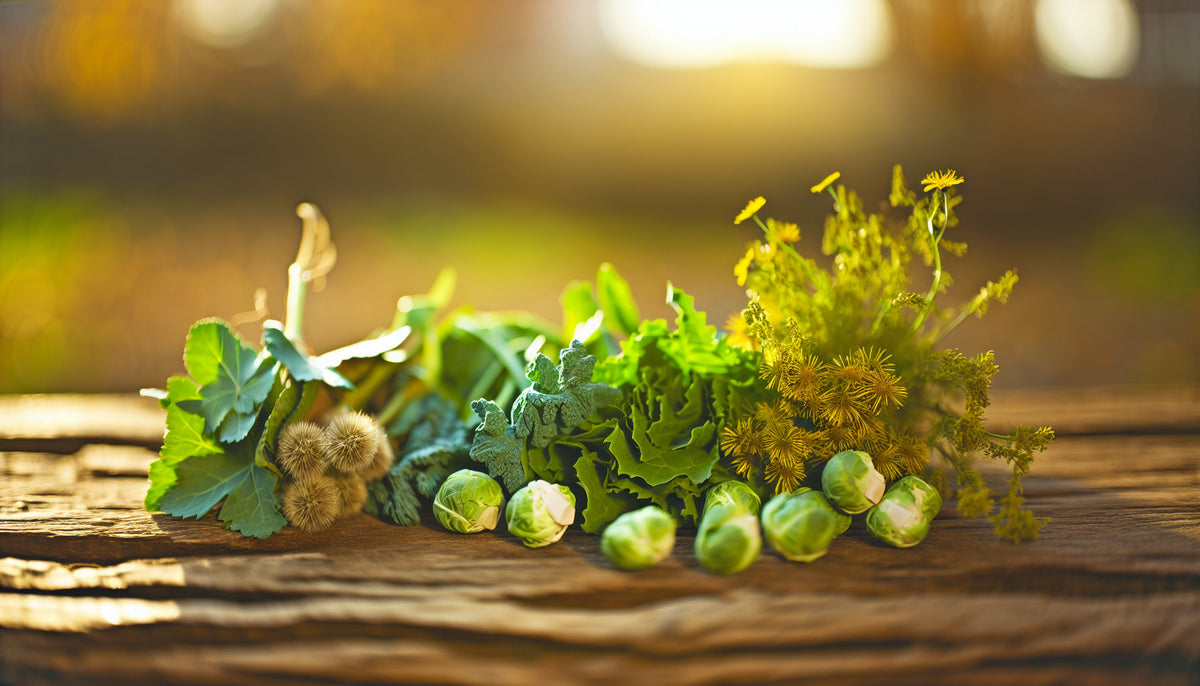
🤖 Das Beitragsbild dieses Artikels wurde mit DALL·E 3 (OpenAI) mithilfe von Künstlicher Intelligenz generiert (gemäß EU AI Act Art. 50 gekennzeichnet).


Hinterlasse einen Kommentar
Diese Website ist durch hCaptcha geschützt und es gelten die allgemeinen Geschäftsbedingungen und Datenschutzbestimmungen von hCaptcha.