

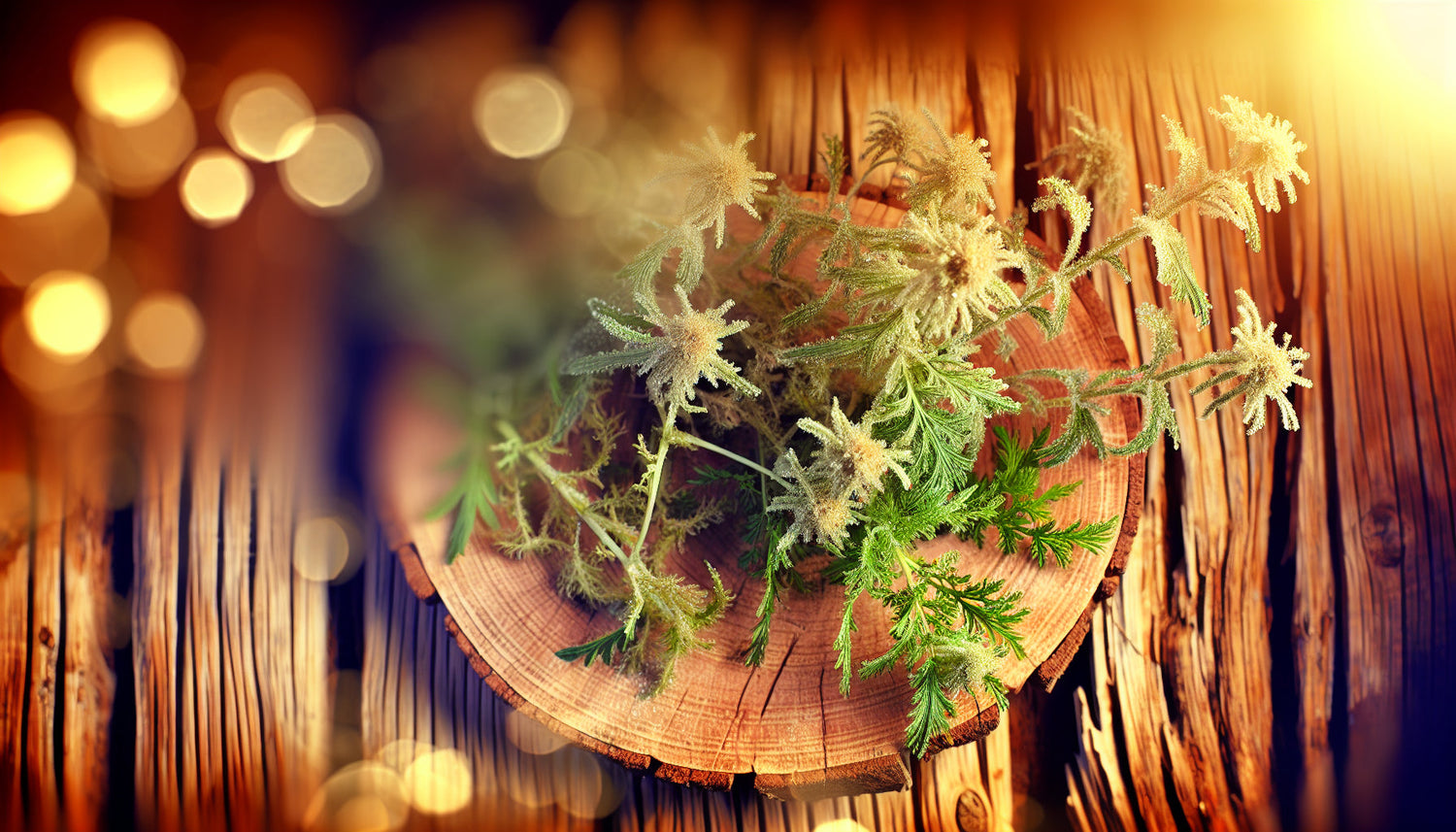
Wenn die kalten Wintermonate Einzug halten, zeigt die Haut oft Veränderungen wie Spannungsgefühl oder Rauheit. Heizungsluft, niedrige Temperaturen und geringe Luftfeuchtigkeit beeinflussen das natürliche Hautgleichgewicht. Während die moderne Kosmetikindustrie zahlreiche Produkte anbietet, sind bittere Heilpflanzen seit Jahrhunderten in der traditionellen Pflanzenheilkunde für die Hautpflege geschätzt und können eine wertvolle Ergänzung zur winterlichen Körperpflege darstellen.
📋 Inhaltsverzeichnis
Warum verändert sich die Haut im Winter?
Der Winter bringt besondere Bedingungen für unsere Haut mit sich. Die kalte Außenluft kann nur wenig Feuchtigkeit aufnehmen, während beheizte Innenräume oft eine Luftfeuchtigkeit von unter 30 Prozent aufweisen. Diese extremen Bedingungen führen dazu, dass die Haut verstärkt Feuchtigkeit an die Umgebung abgibt, ohne ausreichend nachversorgt zu werden.
Gleichzeitig verlangsamt sich bei niedrigen Temperaturen die Talgproduktion der Haut. Der natürliche Schutzfilm, der normalerweise die Haut geschmeidig hält, wird dünner und durchlässiger. Häufiges Händewaschen mit warmem Wasser und die Verwendung von alkoholhaltigen Desinfektionsmitteln verstärken diesen Effekt zusätzlich.
Die Folgen zeigen sich oft als Spannungsgefühl, Rötungen, schuppige Stellen oder Rauheit der Haut. Besonders betroffen sind häufig Hände, Gesicht und andere exponierte Körperstellen. Hier kann die traditionelle Pflanzenheilkunde wertvolle Unterstützung bieten, um das allgemeine Wohlbefinden zu fördern.
Hildegards Wissen um bittere Heilpflanzen für die Hautpflege
Die heilige Hildegard von Bingen erkannte bereits im 12. Jahrhundert die besondere Bedeutung bitterer Pflanzen für die Gesundheit und das Wohlbefinden. In ihren Schriften beschreibt sie detailliert, wie bestimmte BitterKraft Original Heilkräuter nicht nur innerlich angewendet werden können, sondern auch äußerlich zur Körperpflege traditionell geschätzt wurden.
Nach Hildegard von Bingen Produkte Verständnis werden bittere Substanzen seit Jahrhunderten für ihre traditionellen Anwendungen geschätzt. Sie betrachtete die Haut als Spiegel der inneren Gesundheit und betonte die Wichtigkeit einer ganzheitlichen Herangehensweise. Bittere Heilpflanzen wie Wermut, Schafgarbe oder Enzian fanden in ihren Rezepturen sowohl für innerliche Anwendungen als auch für äußerliche Zubereitungen Verwendung.
Besonders interessant ist Hildegards Ansatz, dass die Beschaffenheit der Haut eng mit der allgemeinen Gesundheit verknüpft ist. Bittere Pflanzen werden traditionell für das Wohlbefinden geschätzt und können dadurch indirekt auch zur ganzheitlichen Körperpflege beitragen. Diese ganzheitliche Sichtweise macht deutlich, warum eine ausgewogene Pflege von innen und außen so wertvoll sein kann.
Traditionell geschätzte bittere Heilpflanzen für die Winterhaut
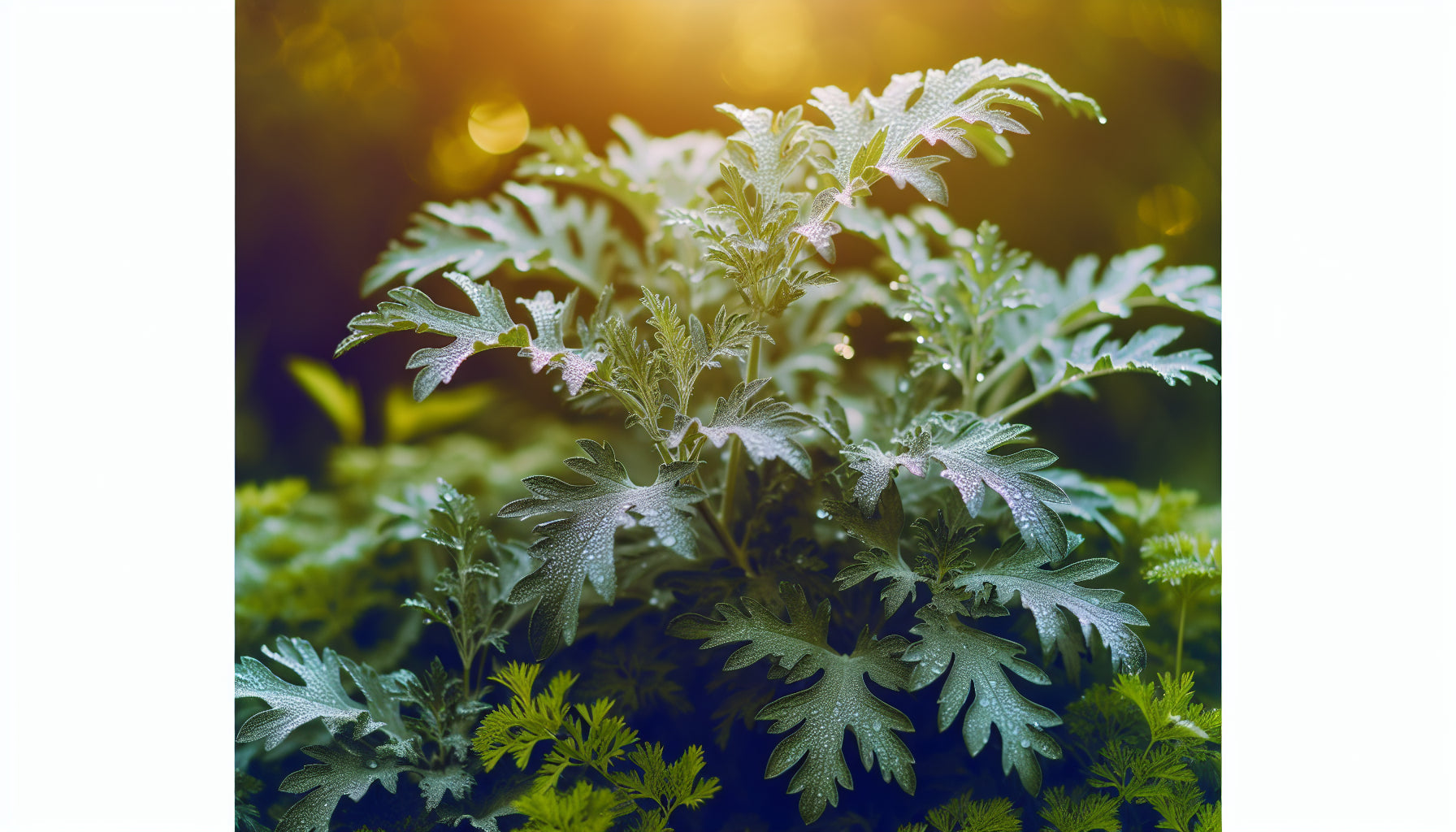
Wermut gilt seit jeher als eine der kraftvollsten bitteren Heilpflanzen und wird traditionell in der Volksheilkunde geschätzt. In der traditionellen Anwendung wurden Wermut-Aufgüsse äußerlich für die Körperpflege verwendet. Die Pflanze enthält verschiedene Bitterstoffe und ätherische Öle, die ihr den charakteristischen intensiven Geschmack verleihen.
Schafgarbe ist eine weitere geschätzte Heilpflanze, die traditionell sowohl innerlich als auch äußerlich verwendet wird. Sie wurde in der Volksheilkunde in Form von Waschungen oder Umschlägen für die traditionelle Körperpflege eingesetzt. Ihre zarten weißen oder rosafarbenen Blüten und die fein gefiederten Blätter machen sie zu einer der bekanntesten einheimischen Heilpflanzen. In der traditionellen Heilkunde ist sie seit Jahrhunderten für ihre vielfältigen Anwendungsmöglichkeiten bekannt.
Enzian, mit seinen charakteristischen blauen Blüten, ist vor allem für seine intensiv bitteren Wurzeln bekannt. Diese werden traditionell nicht nur innerlich verwendet, sondern fanden auch in äußerlichen Anwendungen der Volksheilkunde Platz. Die Bitterstoffe des Enzians sind so konzentriert, dass bereits kleinste Mengen einen deutlich bitteren Geschmack erzeugen. Diese Intensität macht die Pflanze zu einem besonderen Schatz der traditionellen Pflanzenheilkunde.
Traditionelle Anwendungsmöglichkeiten für die winterliche Körperpflege
Traditionelle Kräutertees aus bitteren Heilpflanzen können nicht nur innerlich genossen, sondern auch äußerlich für die traditionelle Körperpflege verwendet werden. Ein lauwarmer Aufguss aus Schafgarbe wird beispielsweise traditionell für sanfte Waschungen verwendet. Dabei sollte der Tee vollständig abgekühlt sein, um die Haut im Winter schonend zu pflegen.
Kräuterbäder mit bitteren Heilpflanzen sind eine weitere bewährte traditionelle Anwendungsform. Ein Vollbad mit einem starken Aufguss aus Wermut oder einer Mischung verschiedener Bitterkräuter wird traditionell als wohltuende Ergänzung zur winterlichen Körperpflege geschätzt. Die Badedauer sollte 15-20 Minuten nicht überschreiten, und die Wassertemperatur sollte angenehm warm, aber nicht heiß sein.
Für die tägliche Anwendung können auch traditionell hergestellte Gesichtswasser oder Körperlotionen mit Kräuterauszügen eine natürliche Ergänzung zur Körperpflege darstellen. Dabei ist wichtig zu beachten, dass selbstgemachte Zubereitungen nur begrenzt haltbar sind und kühl gelagert werden sollten. Bei empfindlicher Haut empfiehlt sich immer ein Verträglichkeitstest an einer kleinen Hautstelle, bevor größere Bereiche gepflegt werden. Die regelmäßige traditionelle Anwendung und die Kombination mit einer alle Bitterkraft Produkte gesunden Lebensweise können das allgemeine Wohlbefinden unterstützen.
🤖 Das Beitragsbild dieses Artikels wurde mit DALL·E 3 (OpenAI) mithilfe von Künstlicher Intelligenz generiert (gemäß EU AI Act Art. 50 gekennzeichnet).

Hinterlasse einen Kommentar
Diese Website ist durch hCaptcha geschützt und es gelten die allgemeinen Geschäftsbedingungen und Datenschutzbestimmungen von hCaptcha.