

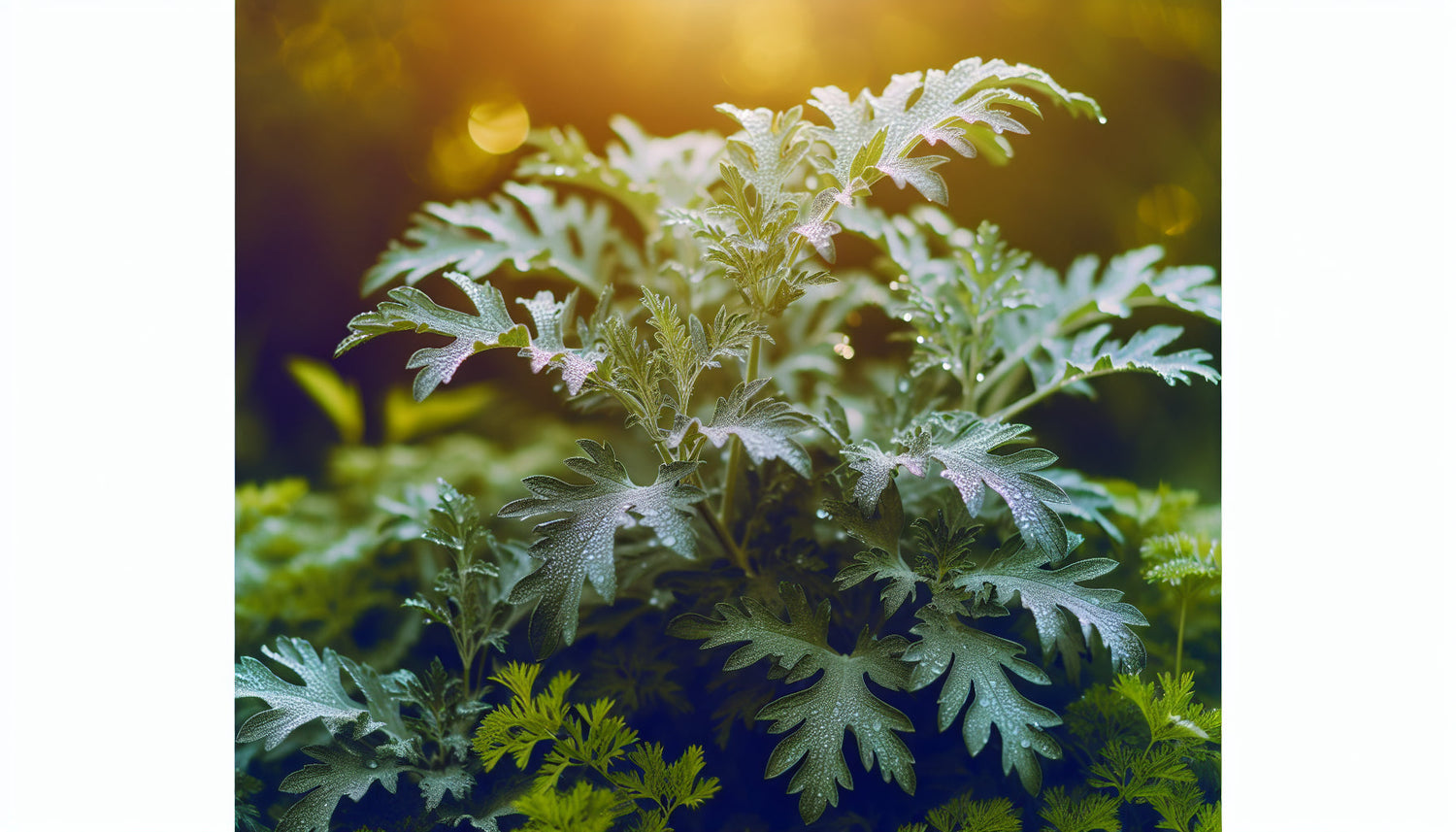
Die Entdeckung von Bitterrezeptoren außerhalb der Zunge hat die Wissenschaft überrascht: T2R-Rezeptoren finden sich nicht nur im Mund, sondern auch in verschiedenen Organen – darunter unserer Haut. Diese faszinierenden Rezeptoren reagieren auf Bitterstoffe und werden traditionell mit dem Wohlbefinden der Haut in Verbindung gebracht. BitterKraft Original basiert auf jahrhundertealtem Wissen um die geschätzten Eigenschaften von Bitterstoffen. Schon Hildegard von Bingen wusste um die wohltuenden Eigenschaften bitterer Pflanzen für die Haut und verwendete Kräuter wie Wermut und Enzian in ihren Rezepturen.
📋 Inhaltsverzeichnis
- 1Was sind T2R-Rezeptoren und wo kommen sie in der Haut vor?
- 2Wie Bitterstoffe traditionell mit der natürlichen Schutzfunktion der Haut in Verbindung gebracht werden
- 3Hildegards Kräuterwissen: Traditionelle Anwendung bitterer Heilpflanzen für die Haut
- 4Traditionelle Verwendung: Bitterstoffe in der historischen Hautpflege
Was sind T2R-Rezeptoren und wo kommen sie in der Haut vor?
T2R-Rezeptoren, auch als Taste-2-Rezeptoren bekannt, wurden ursprünglich als Geschmacksrezeptoren für Bitteres identifiziert. Mittlerweile haben Forscher jedoch entdeckt, dass diese Rezeptoren weit über die Geschmackswahrnehmung hinaus funktionieren. In der Haut befinden sich T2R-Rezeptoren hauptsächlich in den Keratinozyten – den Zellen, die den Großteil unserer äußeren Hautschicht bilden.
Diese Hautrezeptoren reagieren auf verschiedene Bitterstoffe aus der Natur, darunter Alkaloide, Flavonoide und andere sekundäre Pflanzenstoffe. Besonders interessant ist, dass die T2R-Rezeptoren in der Haut offenbar eine Art Frühwarnsystem darstellen können. Sie erkennen potenzielle Schadstoffe und können theoretisch zelluläre Schutzreaktionen auslösen.
Die Verteilung der T2R-Rezeptoren variiert je nach Hautregion und scheint mit der jeweiligen Schutzfunktion zusammenzuhängen. Bereiche, die häufiger Umweltbelastungen ausgesetzt sind, weisen tendenziell eine höhere Dichte dieser Rezeptoren auf – ein weiterer Hinweis auf ihre mögliche Schutzfunktion für unsere Hautbarriere.
Wie Bitterstoffe traditionell mit der natürlichen Schutzfunktion der Haut in Verbindung gebracht werden
Wenn Bitterstoffe an die T2R-Rezeptoren in der Haut binden, wird theoretisch eine Kaskade zellulärer Reaktionen ausgelöst. Diese könnten möglicherweise zur Unterstützung der natürlichen Hautbarriere beitragen, indem sie die Produktion wichtiger Schutzproteine anregen. Studien zeigen, dass aktivierte T2R-Rezeptoren theoretisch die Bildung von antimikrobiellen Peptiden beeinflussen könnten – körpereigene Substanzen, die als erste Verteidigungslinie gegen schädliche Mikroorganismen dienen.
Darüber hinaus werden Bitterstoffe über die T2R-Rezeptoren traditionell auch mit der Regeneration der Haut in Verbindung gebracht. Sie könnten möglicherweise die Proliferation von Keratinozyten beeinflussen und damit theoretisch zur Erneuerung der obersten Hautschichten beitragen. Diese Überlegungen erklären möglicherweise, warum bittere Heilpflanzen seit Jahrhunderten in der traditionellen Hautpflege geschätzt werden.
Ein weiterer wichtiger Aspekt ist die traditionelle Verwendung von Bitterstoffen bei entzündlichen Hautproblemen. Aktivierte T2R-Rezeptoren könnten theoretisch Signalwege beeinflussen, die mit Entzündungsreaktionen in Verbindung stehen. Dies könnte erklären, warum Kräuter wie Schafgarbe und Beifuß traditionell zur Beruhigung gereizter Haut verwendet wurden – Pflanzen, die reich an bitteren Verbindungen sind. Hildegard von Bingen Produkte basieren auf diesem jahrhundertealten Wissen.
Hildegards Kräuterwissen: Traditionelle Anwendung bitterer Heilpflanzen für die Haut
Hildegard von Bingen erkannte bereits im 12. Jahrhundert die besonderen Eigenschaften bitterer Kräuter für die Hautgesundheit. In ihren Schriften beschrieb sie detailliert, wie Pflanzen wie Wermut, Enzian und Tausendgüldenkraut traditionell zur Stärkung der Haut verwendet wurden. Diese Kräuter enthalten eine Vielzahl von Bitterstoffen, die heute als potenzielle Aktivatoren der T2R-Rezeptoren identifiziert werden können.
Besonders der Wermut nahm in Hildegards Heilkunde einen wichtigen Platz ein. Sie beschrieb ihn als Pflanze, die traditionell "die Haut kräftigt und vor schädlichen Einflüssen schützt". Moderne Analysen zeigen, dass Wermut reich an Sesquiterpenlactonen ist – Bitterstoffen, die nachweislich an T2R-Rezeptoren binden können. Die traditionelle Verwendung als Hautmittel findet damit eine mögliche wissenschaftliche Erklärung.
Auch Enzianwurzel, ein weiterer Favorit Hildegards, enthält intensive Bitterstoffe wie Amarogentin und Gentiopicrosid. Diese Verbindungen wurden in der Klostermedizin nicht nur innerlich zur Stärkung der Verdauung verwendet, sondern auch äußerlich zur Pflege beanspruchter Haut geschätzt. Die Verbindung zwischen innerer Anwendung und Hautwohlbefinden war Hildegard durchaus bewusst – ein ganzheitlicher Ansatz, der heute wieder an Bedeutung gewinnt. Darm- und Verdauungsprodukte spielen in diesem traditionellen Verständnis eine wichtige Rolle.
Traditionelle Verwendung: Bitterstoffe in der historischen Hautpflege
Die Erkenntnisse über T2R-Rezeptoren in der Haut werfen ein neues Licht auf traditionelle Anwendungen der natürlichen Hautpflege. Bitterstoffe wurden historisch sowohl innerlich als auch äußerlich angewendet, um das Wohlbefinden zu unterstützen. Bei der inneren Anwendung spielte das traditionelle Wissen um Bitterstoffe eine wichtige Rolle für das allgemeine Wohlbefinden und wurde auch mit der Hautgesundheit in Verbindung gebracht.
Für die äußere Anwendung wurden traditionell verdünnte Kräuterextrakte oder sanfte Aufgüsse bitterer Heilpflanzen verwendet. Wichtig war dabei eine behutsame Dosierung, da Bitterstoffe sehr intensiv wirken können. Besonders geschätzt waren milde Kräuter wie Schafgarbe oder Tausendgüldenkraut, die traditionell gut verträglich waren und eine ausgewogene Mischung verschiedener Bitterstoffe enthalten.
Ein ganzheitlicher Ansatz berücksichtigte auch die traditionelle Verbindung zwischen Leber, Verdauung und Hautwohlbefinden. Bitterstoffe wurden traditionell zur Unterstützung der Leberfunktion geschätzt und konnten damit möglicherweise indirekt zum Hautwohlbefinden beitragen. Dieser systemische Ansatz entspricht ganz der Philosophie Hildegards, die den Menschen immer als Ganzes betrachtete. Leber-Produkte von Bitterkraft und BitterKraft Original basieren auf diesem traditionellen Verständnis der Wechselwirkungen zwischen verschiedenen Organsystemen.
🤖 Das Beitragsbild dieses Artikels wurde mit DALL·E 3 (OpenAI) mithilfe von Künstlicher Intelligenz generiert (gemäß EU AI Act Art. 50 gekennzeichnet).

Hinterlasse einen Kommentar
Diese Website ist durch hCaptcha geschützt und es gelten die allgemeinen Geschäftsbedingungen und Datenschutzbestimmungen von hCaptcha.