

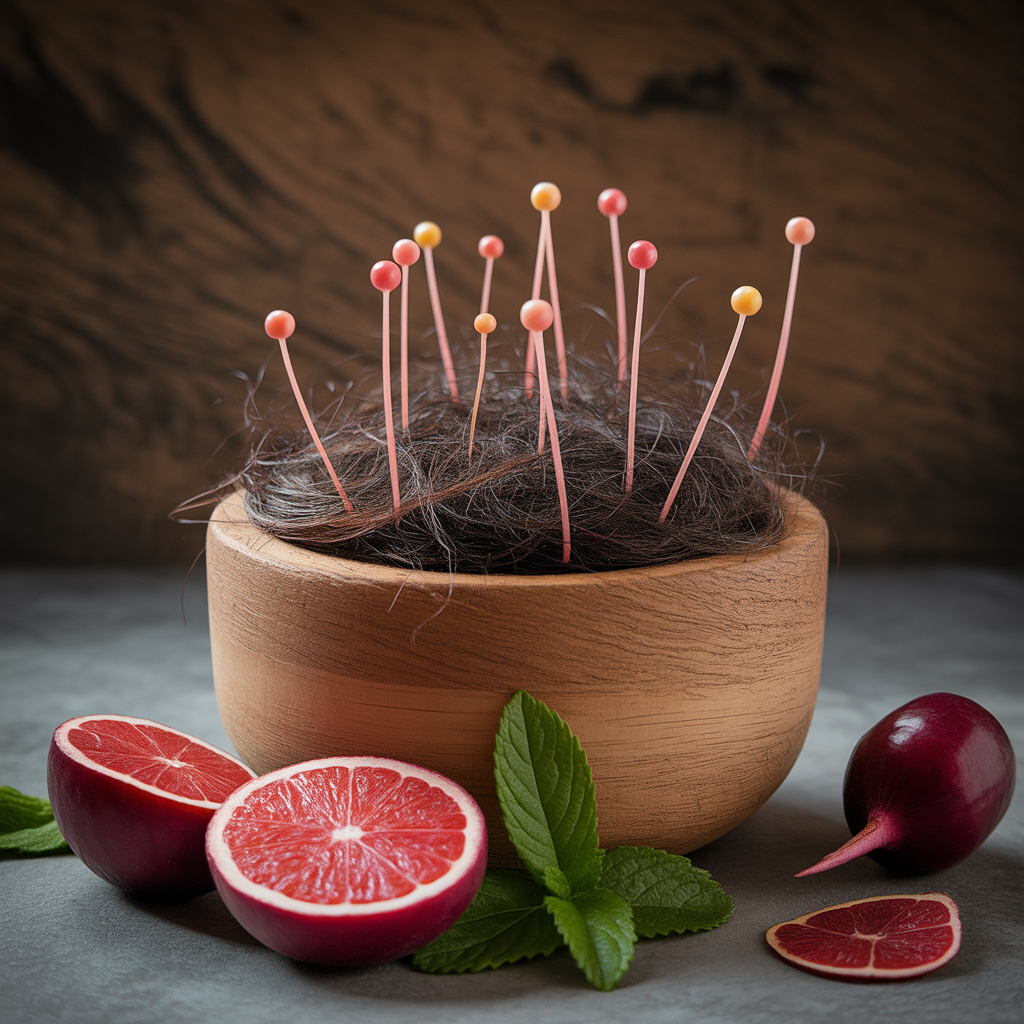
Die moderne Wissenschaft entdeckt immer wieder, was traditionelle Kräuterkundige bereits seit Jahrhunderten wussten: Bittere Pflanzen besitzen außergewöhnliche Eigenschaften, die weit über die Verdauung hinausreichen. Eine faszinierende Erkenntnis der letzten Jahre zeigt, dass sich T2R-Rezeptoren – jene Strukturen, die normalerweise für das Schmecken von bitteren Substanzen zuständig sind – auch in unseren Haarfollikeln befinden. Diese Entdeckung könnte erklären, warum Hildegard von Bingen Produkte und andere Kräutermeister bittere Kräuter traditionell für die Haarpflege einsetzten.
📋 Inhaltsverzeichnis
Die Entdeckung der T2R-Rezeptoren im Haar
T2R-Rezeptoren wurden ursprünglich auf der Zunge identifiziert, wo sie uns vor potenziell schädlichen bitteren Substanzen warnen. Doch Forscher fanden diese Rezeptoren inzwischen in verschiedenen Körpergeweben, einschließlich der Haarfollikel. Diese Entdeckung erweitert unser Verständnis darüber, wie der Körper auf BitterKraft Original Verbindungen reagiert.
In der Grundlagenforschung wird untersucht, welche Funktion T2R-Rezeptoren in Haarfollikeln erfüllen könnten. Erste wissenschaftliche Studien erforschen mögliche Zusammenhänge zwischen diesen Rezeptoren und zellulären Prozessen. Diese Forschungsansätze sind jedoch noch im experimentellen Stadium und beschränken sich auf laborbasierte Untersuchungen.
Die Wissenschaft beginnt gerade erst zu verstehen, wie komplex diese Mechanismen sind. Interessant ist dabei, dass die jahrhundertealte traditionelle Verwendung bitterer Kräuter in der Haarpflege möglicherweise eine biologische Grundlage haben könnte, die über traditionelle Überlieferungen hinausgeht.
Hildegard von Bingen und die Tradition bitterer Haarkräuter
Hildegard von Bingen Produkte von Bingen, die große Äbtissin und Kräuterkundige des 12. Jahrhunderts, kannte bereits die besonderen Eigenschaften verschiedener bitterer Pflanzen für die Haarpflege. In ihren Schriften erwähnte sie Kräuter wie Wermut, Schafgarbe und andere bitterstoffreiche Gewächse, die traditionell zur Stärkung und Pflege des Haares verwendet wurden.
Besonders bemerkenswert ist Hildegards ganzheitlicher Ansatz: Sie betrachtete das Haar nicht isoliert, sondern als Teil des gesamten Organismus. Ihrer Ansicht nach spiegelten sich innere Ungleichgewichte auch in der Haargesundheit wider. Deshalb empfahl sie oft eine Kombination aus äußerlicher Anwendung bitterer Kräuter und innerlicher Reinigung durch Leber-Produkte von Bitterkraft stärkende Pflanzen.
Diese traditionelle Herangehensweise deckt sich erstaunlich mit modernen Erkenntnissen über die Vernetzung verschiedener Körpersysteme. Was Hildegard intuitiv erfasste, können wir heute durch das Verständnis der T2R-Rezeptoren wissenschaftlich besser nachvollziehen.
Welche bitteren Kräuter traditionell geschätzt werden
Verschiedene bitterstoffreiche Pflanzen werden seit Jahrhunderten für die Haarpflege geschätzt. Brennnessel beispielsweise enthält nicht nur Bitterstoffe, sondern auch wichtige Mineralien und wird traditionell als Haarwasser verwendet. Die Pflanze ist seit Jahrhunderten für ihre traditionelle Anwendung in der natürlichen Haarpflege bekannt.
Rosmarin, obwohl eher für sein Aroma bekannt, enthält ebenfalls bittere Verbindungen und wird traditionell zur Anregung der Kopfhaut verwendet. Das ätherische Öl des Rosmarins wird seit Jahrhunderten geschätzt für seine belebenden Eigenschaften und findet sich in vielen traditionellen Haartoniken wieder.
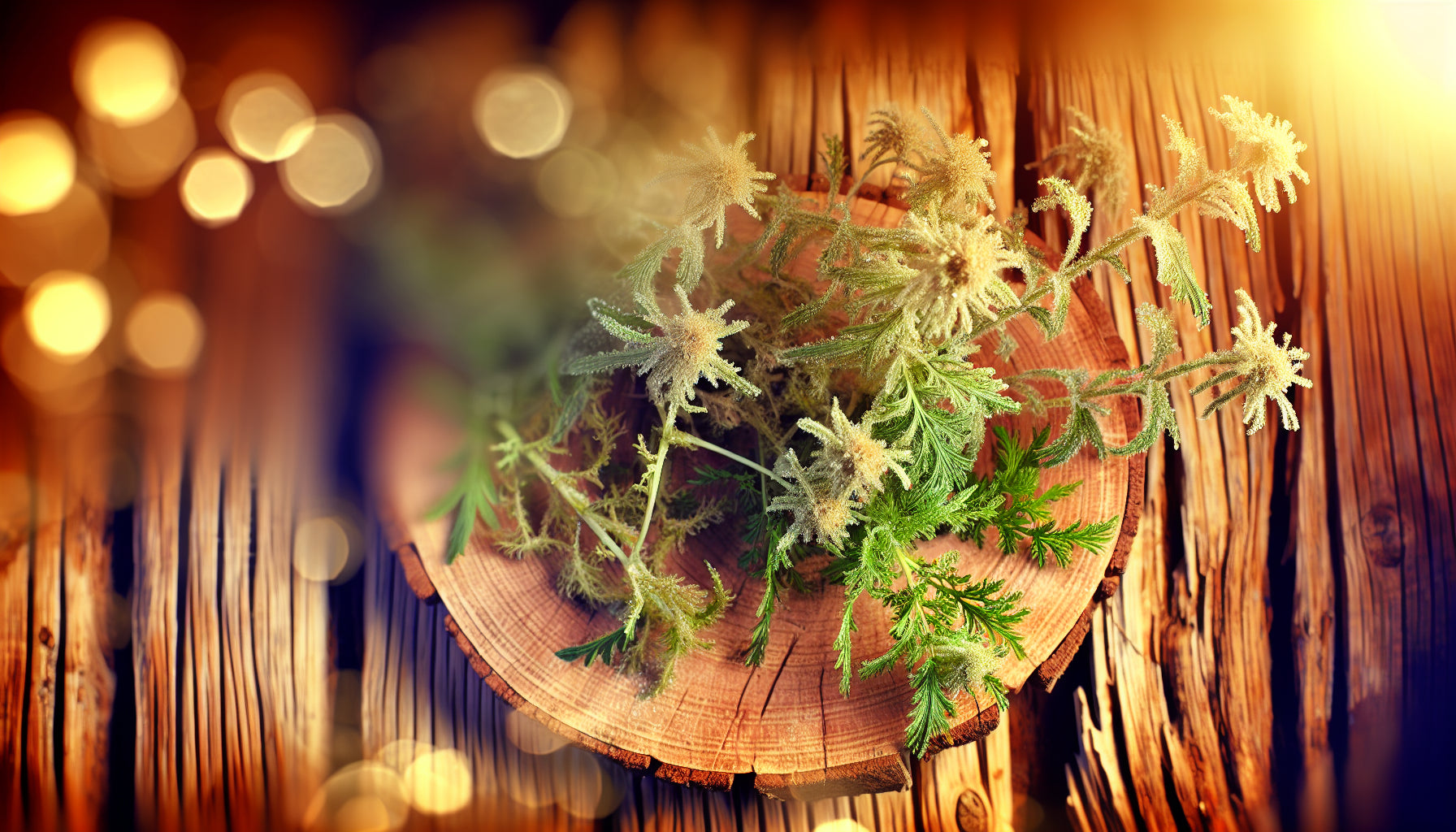
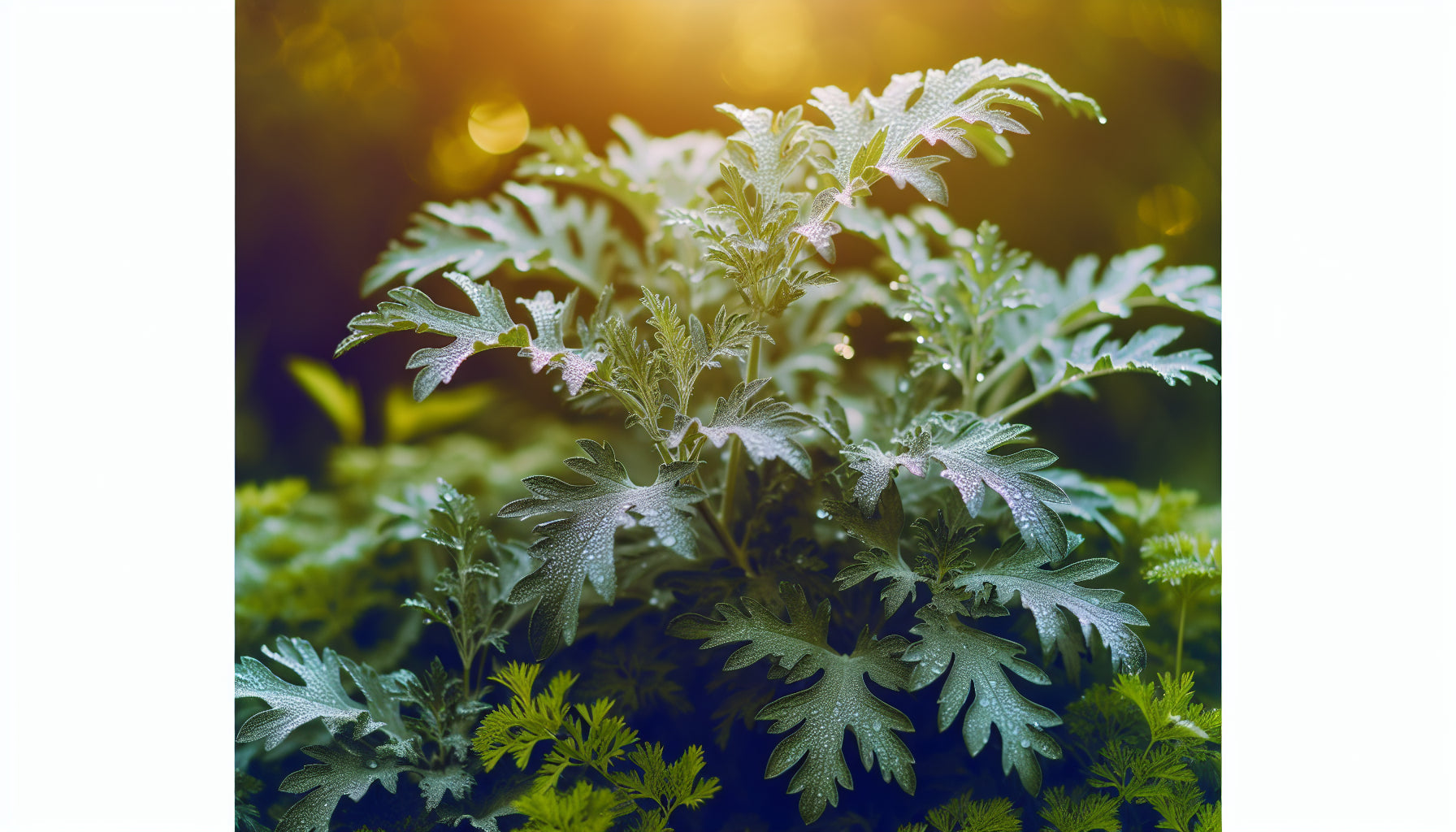
Auch Bärlauch und verschiedene Artemisia-Arten wie Wermut oder Beifuß enthalten charakteristische Bitterstoffe. Diese Pflanzen wurden traditionell nicht nur für die Verdauung, sondern auch äußerlich angewendet. Ihre komplexen Inhaltsstoffe werden in der Grundlagenforschung im Zusammenhang mit T2R-Rezeptoren untersucht, wobei diese Forschung noch in den Anfangsstadien steht.
Moderne Anwendung und ganzheitlicher Ansatz
Die Erkenntnis über T2R-Rezeptoren in Haarfollikeln eröffnet neue Perspektiven für die Grundlagenforschung zur natürlichen Haarpflege. Dabei ist wichtig zu verstehen, dass das Haar ein Spiegel unserer allgemeinen Gesundheit ist. Eine gesunde Darm- und Verdauungsprodukte flora und eine gut funktionierende Leber kann das Wohlbefinden unterstützen, was sich auch in der Haargesundheit widerspiegelt.
Bitterstoffe werden traditionell sowohl äußerlich als Haarwasser oder in Shampoos als auch innerlich zur Unterstützung der Verdauung verwendet. Diese doppelte Herangehensweise entspricht dem traditionellen Verständnis, dass äußere Schönheit von innerer Gesundheit abhängt. BitterKraft Original Kräutertees oder -tinkturen werden traditionell zur Unterstützung des Wohlbefindens geschätzt, während äußerliche Anwendungen traditionell auf die Kopfhaut angewendet werden.
Für Produkte für Frauengesundheit ist besonders interessant, dass hormonelle Schwankungen wissenschaftlich nachweisbar die Haargesundheit beeinflussen. Ein ganzheitlicher Ansatz mit bitteren Kräutern wird traditionell geschätzt, da diese Pflanzen seit Jahrhunderten zur Harmonisierung des weiblichen Zyklus verwendet werden. Die Kombination aus wissenschaftlichen Erkenntnissen über T2R-Rezeptoren und jahrhundertealtem Kräuterwissen bietet spannende Möglichkeiten für die natürliche Haarpflege.
🤖 Das Beitragsbild dieses Artikels wurde mit DALL·E 3 (OpenAI) mithilfe von Künstlicher Intelligenz generiert (gemäß EU AI Act Art. 50 gekennzeichnet).

Hinterlasse einen Kommentar
Diese Website ist durch hCaptcha geschützt und es gelten die allgemeinen Geschäftsbedingungen und Datenschutzbestimmungen von hCaptcha.