


Kaum ein Naturmittel blickt auf eine so lange und faszinierende Geschichte zurück wie das Schwarzkümmelöl. Gewonnen aus den kleinen, dunkel schimmernden Samen von Nigella sativa, begleitet dieses kostbare Öl die Menschheit seit Jahrtausenden – von den Pharaonengräbern Ägyptens über die arabische Heilkunst bis in die mitteleuropäische Klostermedizin. In einer Zeit, in der immer mehr Menschen nach natürlichen Wegen suchen, ihr Wohlbefinden zu pflegen und die Kraft der Natur bewusst in ihren Alltag einzubinden, erlebt das Schwarzkümmelöl eine bemerkenswerte Renaissance. Dieser Artikel lädt ein, das Öl neu zu entdecken – in seiner historischen Tiefe, seiner pflanzlichen Schönheit und seinem Platz im modernen Naturheilkunde-Alltag. Hildegard von Bingen Produkte
Ein Öl mit Geschichte: Von den Pharaonen bis zur Klostermedizin
Die Geschichte des Schwarzkümmels reicht weit zurück in die Antike. In den Grabkammern des ägyptischen Pharaos Tutanchamun fanden Archäologen ein kleines Fläschchen mit Schwarzkümmelöl – ein Hinweis darauf, dass man diesem Öl bereits vor über 3.000 Jahren außerordentlichen Wert beimaß. In der islamischen Überlieferung heißt es, der Prophet Mohammed habe gesagt, der schwarze Samen sei ein Heilmittel gegen alles – ausgenommen den Tod selbst. Dieses Zitat, das durch die Jahrhunderte weitergegeben wurde, spiegelt die tiefe Ehrerbietung wider, die viele Kulturen dem Schwarzkümmel entgegenbrachten.
In der mittelalterlichen Klostermedizin fand der Schwarzkümmel ebenfalls seinen festen Platz. Hildegard von Bingen, die visionäre Äbtissin und Naturforscherin des 12. Jahrhunderts, beschäftigte sich eingehend mit Gewürzpflanzen und deren Bedeutung für das menschliche Wohlbefinden. In ihrem umfassenden Kräuterwissen betonte sie stets die Bedeutung des Gleichgewichts – das Konzept der Viriditas, der belebenden Grünkraft der Natur. Zwar ist der Schwarzkümmel nicht das prominenteste Gewächs in Hildegards Schriften, doch die Tradition, aromatische Samen und deren Öle in der täglichen Pflege und Ernährung einzusetzen, war ihr wohlvertraut. In Klostergärten wurde Nigella sativa als Gewürz- und Heilpflanze kultiviert, und Mönche sowie Nonnen schätzten den intensiven, leicht pfeffrig-aromatischen Samen sowohl in der Küche als auch in der Kräuterstube.
„Hildegard von Bingen beschrieb in ihrem Werk Physica die Kraft aromatischer Samen und Gewürze als Teil einer ausgewogenen Lebensführung. Die regelmäßige Verwendung von Gewürzölen galt als Zeichen bewusster Selbstfürsorge und wurde in Klostergemeinschaften fest in den Alltag integriert." – Aus dem Kontext mittelalterlicher Klostermedizin und Hildegard-Forschung
Im arabischen Raum, wo der Schwarzkümmel als Habbatus Sauda bekannt ist, entwickelte sich über Jahrhunderte ein umfangreiches Anwendungswissen. Avicenna, der bedeutende arabische Universalgelehrte des 10. und 11. Jahrhunderts, widmete dem Schwarzkümmel in seinem Standardwerk Canon of Medicine einen eigenen Abschnitt. Er beschrieb ihn als traditionell verwendetes Mittel in der täglichen Routine und empfahl ihn als wertvolle Ergänzung einer bewussten Lebensführung. Dieses Wissen floss über Handelsrouten und Kreuzzüge nach Europa und verankerte sich hier in der Volksmedizin. Bis heute wird Schwarzkümmelöl in vielen Kulturen als selbstverständlicher Bestandteil der täglichen Wellness-Routine betrachtet – ein Erbe, das den Sprung in die Moderne mehr als würdevoll gemeistert hat. Hildegard von Bingen Produkte
Was steckt im Schwarzkümmelöl? Die wichtigsten Inhaltsstoffe im Überblick
Das Geheimnis des Schwarzkümmelöls liegt in seiner außergewöhnlich vielfältigen Zusammensetzung. Es handelt sich um ein kaltgepresstes Pflanzenöl, das aus den getrockneten Samen von Nigella sativa gewonnen wird. Der intensive, leicht bittere und würzige Geschmack ist charakteristisch und sofort wiedererkennbar – er ist ein Zeichen für die hohe Konzentration an sekundären Pflanzenstoffen, die das Öl zu einem der faszinierendsten Naturmittel der pflanzlichen Welt machen. Qualitativ hochwertiges Schwarzkümmelöl wird ausschließlich kalt gepresst, um die empfindlichen Inhaltsstoffe zu erhalten.
Die wichtigsten Inhaltsstoffe des Schwarzkümmelöls:
Thymoquinon: Der bekannteste und am intensivsten erforschte Wirkstoff im Schwarzkümmel. Dieses bioaktive Chinon ist für den charakteristischen Geruch mitverantwortlich und wird in der Forschung seit Jahrzehnten intensiv untersucht. Er macht einen wesentlichen Teil der ätherischen Ölfraktion aus.
Ungesättigte Fettsäuren: Schwarzkümmelöl enthält bedeutende Mengen an Linolsäure (Omega-6) sowie Ölsäure (Omega-9). Diese mehrfach ungesättigten Fettsäuren sind essentielle Bausteine einer ausgewogenen Ernährung.
Thymol und Carvacrol: Diese ätherischen Verbindungen sind auch in Thymian und Oregano enthalten und verleihen dem Öl seine aromatisch-würzige Komponente.
Phytosterole: Natürliche Pflanzensterine, die in vielen hochwertigen Pflanzenölen vorkommen und als Teil einer ausgewogenen Ernährung traditionell geschätzt werden.
Vitamin E (Tocopherole): Als natürlicher Antioxidant schützt Vitamin E die empfindlichen Fettsäuren im Öl vor Oxidation und trägt zur Haltbarkeit des Öls bei.
Die Qualität des Schwarzkümmelöls hängt maßgeblich von Herkunft, Anbaubedingungen und Verarbeitungsmethode ab. Als besonders hochwertig gelten Öle aus Ägypten, Äthiopien und dem nahen Orient, wo Nigella sativa unter optimalen klimatischen Bedingungen angebaut wird. Die Kaltpressung ist das Verfahren der Wahl, da es die hitzeempfindlichen sekundären Pflanzenstoffe – allen voran das Thymoquinon – weitgehend erhält. Industriell extrahierte Öle, die mit Lösungsmitteln gewonnen werden, bieten qualitativ keine vergleichbare Zusammensetzung und sollten für eine bewusste Naturheilkunde-Anwendung gemieden werden. BitterKraft Original
Schwarzkümmelöl enthält mit Thymoquinon einen der intensivst erforschten sekundären Pflanzenstoffe der Naturheilkunde – und wird seit über 3.000 Jahren in verschiedenen Kulturen als wertvoller Bestandteil einer bewussten Lebensführung geschätzt.
Wichtige Begleitpflanzen und Öle in der traditionellen Naturheilkunde:
- Schwarzkümmelöl (Nigella sativa): Seit Jahrtausenden traditionell verwendet, reich an Thymoquinon und ungesättigten Fettsäuren. Gilt in vielen Kulturen als „Universalmittel" der Natur.
- Oreganoöl (Origanum vulgare): Enthält Carvacrol und Thymol und wird traditionell als aromatisches Würzkraut sowie in der Volksheilkunde geschätzt. In der Mittelmeerregion fest in der Haushaltsmedizin verankert.
- Thymian (Thymus vulgaris): Eines der ältesten Heilkräuter Europas, in Hildegards Kräuterwissen prominent vertreten. Wird traditionell als aromatisches Küchenkraut und in der Kräutermedizin eingesetzt.
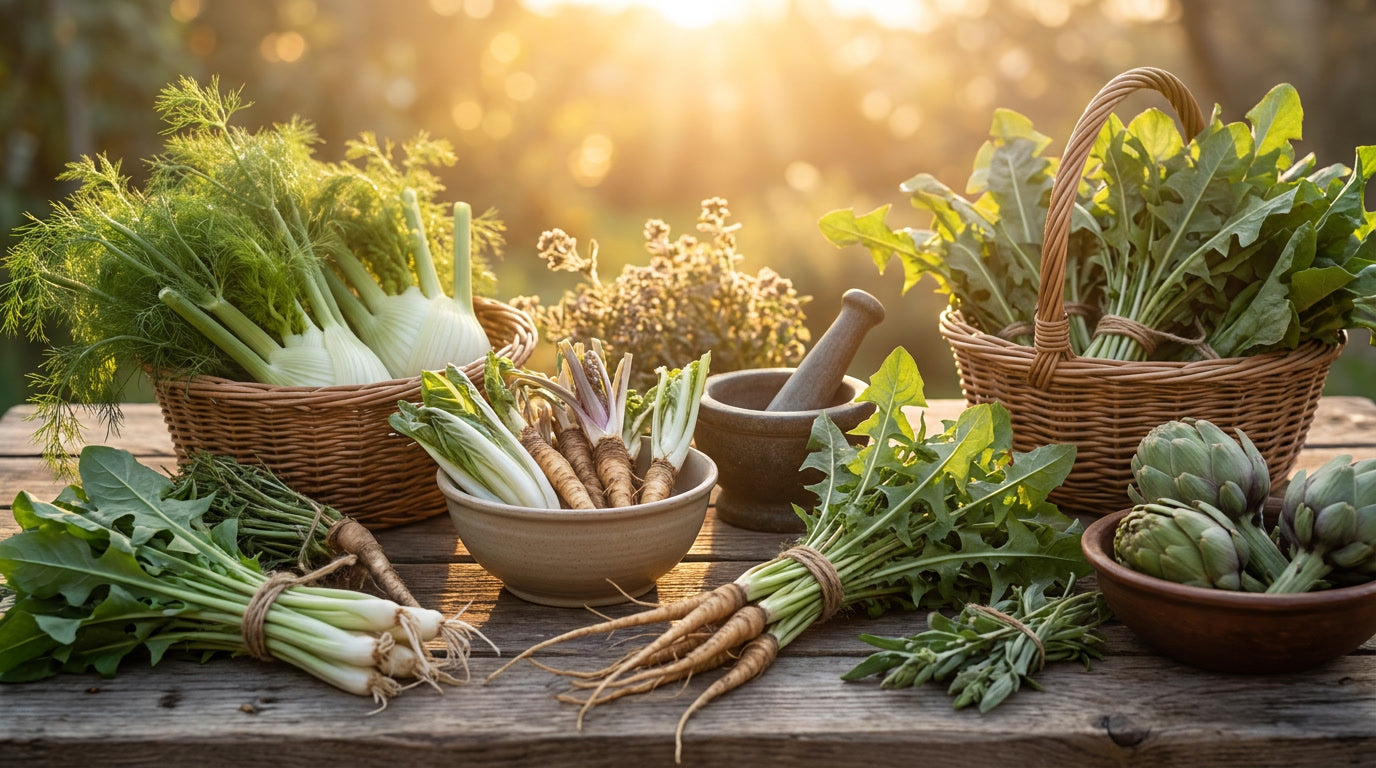
- Fenchelsamen (Foeniculum vulgare): In der Klostermedizin weit verbreitet, von Hildegard von Bingen ausdrücklich geschätzt. Wird traditionell als Gewürz und Tee verwendet.
- Hanfsamenöl (Cannabis sativa): Reich an Omega-3- und Omega-6-Fettsäuren in ausgewogenem Verhältnis. Wird als modernes Naturöl für die tägliche Ernährungsergänzung geschätzt.
Schwarzkümmelöl in der täglichen Naturheilkunde-Praxis
Die traditionelle Anwendung von Schwarzkümmelöl ist so vielseitig wie seine Geschichte lang ist. In vielen orientalischen und nordafrikanischen Haushalten gehört das Öl seit Generationen zur täglichen Morgenroutine: Ein Teelöffel pur, eingerührt in Honig oder mit etwas Zitronensaft gemischt – so beginnen Millionen von Menschen ihren Tag. Dieses Ritual des bewussten Zu-sich-Nehmens eines natürlichen Pflanzenproduktes entspricht dem naturheilkundlichen Grundsatz des „Hinzufügens statt Weglassens": Man bereichert den Alltag um etwas Wertvolles, anstatt etwas zu meiden oder zu bekämpfen. Das Schwarzkümmelöl wird in diesem Sinne als Bereicherung des täglichen Lebens verstanden – als Teil einer ganzheitlichen, naturnahen Lebensweise. Immunsystem-Produkte
Auch in der äußerlichen Anwendung hat Schwarzkümmelöl eine lange Tradition. In der arabischen und persischen Schönheitspflege wurde es traditionell für die Pflege von Haut und Haar eingesetzt. Das Öl wird auf die Kopfhaut massiert, pur auf die Haut aufgetragen oder als Bestandteil selbst zubereiteter Pflegeprodukte verwendet. Der intensive Eigengeruch ist dabei eine Art Qualitätsmerkmal – wer mit ihm vertraut ist, erkennt hochwertiges Schwarzkümmelöl sofort. Für den sanften Einstieg empfehlen viele Naturheilkunde-Praktizierende, das Öl zunächst in einer Trägeröl-Mischung zu verdünnen und schrittweise an den Geruch und die Intensität zu gewöhnen.
In der Naturheilkunde wird Schwarzkümmelöl heute sowohl innerlich als wertvolle Ergänzung der täglichen Ernährung als auch äußerlich in der Haut- und Haarpflege eingesetzt – eine Praxis, die kulturhistorisch auf Jahrtausende zurückblickt und bis heute lebendig ist.
Für die innere Anwendung empfiehlt die naturheilkundliche Tradition im deutschsprachigen Raum, Schwarzkümmelöl in Bio-Qualität aus kontrolliert biologischem Anbau zu wählen. Die Dosierung beginnt meist mit einem halben Teelöffel täglich und kann langsam gesteigert werden. Das Öl lässt sich gut in Smoothies integrieren, über Salate träufeln oder in Joghurt einrühren – wodurch auch Menschen mit empfindlichem Gaumen den etwas kräftigen Eigengeschmack angenehmer empfinden. Im Rahmen traditioneller Fastenpraktiken oder bewusster Reinigungsphasen wird Schwarzkümmelöl häufig als begleitendes Naturmittel eingesetzt. Fasten-Produkte
„In einer 2013 im Journal of Ethnopharmacology veröffentlichten Übersichtsarbeit wurden mehr als 1.200 Studien zu Nigella sativa ausgewertet. Die Autoren kamen zu dem Schluss, dass kaum eine andere Pflanze in der ethnobotanischen Literatur so intensiv erforscht wurde – was das außergewöhnliche kulturhistorische Interesse an dieser Pflanze eindrucksvoll bestätigt." – Zusammenfassung aus ethnobotanischer Forschungsliteratur
Schwarzkümmelöl und das Immunsystem: Was die Tradition überliefert
Eines der am häufigsten zitierten traditionellen Anwendungsgebiete des Schwarzkümmelöls ist seine Rolle als allgemeines Stärkungsmittel – besonders in den Übergangszeiten des Jahres, wenn das Immunsystem vor besonderen Herausforderungen steht. In der arabischen Volksmedizin wurde Schwarzkümmelöl traditionell als sogenanntes Prophylaktikum betrachtet: Man nahm es täglich zu sich, um das allgemeine Wohlbefinden zu pflegen und den Körper ganzheitlich zu stärken. Diese Tradition des vorbeugenden, bewussten Einsatzes von Naturmitteln entspricht exakt dem Geist der modernen Naturheilkunde und der Hildegard'schen Medizin, die Gesundheit als aktiv zu pflegendes Gleichgewicht verstand. Immunsystem-Produkte
Interessant ist der kulturhistorische Vergleich: Während Hildegard von Bingen in ihren Werken Pflanzen wie Bertram, Fenchel und Galgant als Grundpfeiler des Wohlbefindens beschrieb, spielte der Schwarzkümmel in der islamischen Medizintradition eine ganz ähnliche Rolle. Beide Konzepte teilen den Grundgedanken, dass der Körper durch regelmäßige, maßvolle Zufuhr hochwertiger Naturmittel in seiner natürlichen Vitalität unterstützt werden kann. Das ist kein Zufall: Es ist der universelle Kern naturheilkundlichen Denkens, der über Kulturgrenzen hinweg immer wieder dieselben Schlüsse zieht. Das Schwarzkümmelöl ist damit ein wunderbares Beispiel für die verbindende Kraft des pflanzlichen Heilwissens der Menschheit.
In der zeitgenössischen Naturheilkunde wird Schwarzkümmelöl besonders im Herbst und Winter als tägliche Ergänzung geschätzt. Viele naturheilkundlich orientierte Therapeuten empfehlen es als Bestandteil eines ganzheitlichen Immun-Programms, das neben dem Öl auch Ernährungsanpassungen, Bewegung an der frischen Luft und bewusste Ruhephasen umfasst. Die Kombination aus Thymoquinon, Phytosterolen und den aromatischen Verbindungen des Öls macht es zu einem Naturmittel, das in der Volksmedizin weltweit als wertvolle Stütze des allgemeinen Wohlbefindens gilt – nicht als schnelles Allheilmittel, sondern als geduldige, kontinuierliche Pflege von innen. Immunsystem-Produkte
Die traditionelle Überlieferung aus der arabischen, ägyptischen und persischen Heilkunde beschreibt Schwarzkümmelöl übereinstimmend als eines der wertvollsten Naturmittel zur Pflege des allgemeinen Wohlbefindens – eine Einschätzung, die durch die intensive moderne Erforschung dieser Pflanze zusätzliches Gewicht bekommt.
Darm, Leber und innere Balance: Schwarzkümmel in der ganzheitlichen Betrachtung
In der traditionellen Naturheilkunde wird der Darm als Zentrum des körperlichen Gleichgewichts betrachtet – eine Ansicht, die Hildegard von Bingen ebenso teilte wie die ayurvedische und die chinesische Medizin. Schwarzkümmelöl wurde in der Volksmedizin vieler Kulturen traditionell nach den Mahlzeiten eingenommen, um das Wohlbefinden nach dem Essen zu pflegen. Diese Praxis – ein kleiner Teelöffel Öl zum Abschluss einer Mahlzeit – ist in arabischen und türkischen Familien bis heute lebendig und spiegelt ein intuitives Wissen über die Bedeutung hochwertiger Pflanzenöle in der Ernährung wider. Darm- und Verdauungsprodukte
Das bittere Aromaprofil des Schwarzkümmelöls verbindet es mit einer der großen Traditionen der Naturheilkunde: der Bitterpflanzen-Kultur. Bittere Substanzen spielen in der Hildegard-Medizin, der Klostermedizin und der modernen Phytotherapie eine zentrale Rolle. Sie sind seit Jahrhunderten fester Bestandteil von Kräuterlikören, Bitterextrakten und Heilkräutertinkturen – und sie wurden in der Volksmedizin stets als wertvoll für das Zusammenspiel der inneren Organe betrachtet. Das Schwarzkümmelöl fügt sich in diese Tradition nahtlos ein: Sein charakteristisch herber, leicht bitterer Geschmack ist kein Manko, sondern ein Qualitätsmerkmal und kulturelles Erkennungszeichen. BitterKraft Original
In ganzheitlichen Fastenkonzepten, wie sie in der Naturheilkunde seit Jahrhunderten praktiziert werden, findet Schwarzkümmelöl ebenfalls einen festen Platz. Traditionell wurde es in Reinigungsphasen eingesetzt, um den Körper während der Fastenzeit zu begleiten und zu stärken. Dieser Ansatz – bewusste Reduktion der Nahrungsmenge bei gleichzeitiger Zufuhr hochwertiger Naturmittel – entspricht dem naturheilkundlichen Konzept der Entlastung und Regeneration. Das Öl wird dabei nicht als Ersatz für eine ausgewogene Ernährung verstanden, sondern als wertvolle Ergänzung, die in der Fastenphase besonders sorgsam und bewusst eingesetzt wird. Fasten-Produkte
Schwarzkümmelöl kaufen: Worauf Sie achten sollten
✓ Kaltpressung: Nur kalt gepresstes Öl erhält die empfindlichen Inhaltsstoffe – besonders das wertvolle Thymoquinon.
✓ Bio-Zertifizierung: Kontrolliert biologischer Anbau schützt vor Pestizidrückständen und sichert die Reinheit des Öls.
✓ Herkunft: Öle aus Ägypten, Äthiopien oder der Türkei gelten als besonders hochwertig und aromatisch intensiv.
✓ Dunkle Glasflasche: UV-Licht zerstört empfindliche Pflanzenstoffe. Hochwertiges Schwarzkümmelöl wird stets in dunklem Glas abgefüllt.
✓ Geruch und Geschmack: Gutes Schwarzkümmelöl hat einen intensiven, würzigen, leicht bitteren Eigengeschmack. Ein schwaches oder neutrales Aroma ist ein Qualitätsmangel.
Auch für die Leberpflege wird Schwarzkümmelöl in naturheilkundlichen Kreisen traditionell geschätzt. Die Leber gilt in vielen Heiltraditionen als das zentrale Organ der inneren Reinigung und des Stoffwechsels – Hildegard von Bingen nannte sie den „Herd des Körpers". Naturmittel, die traditionell zur Pflege der Leberfunktion eingesetzt werden, haben in der Klostermedizin eine besondere Stellung. Schwarzkümmelöl wird in diesem Kontext als Teil einer leberbewussten Ernährung betrachtet – als ein Öl, das man bewusst und regelmäßig in die Ernährung integriert, um den inneren Reinigungsmechanismen des Körpers etwas Gutes zu tun. Leber-Produkte von Bitterkraft
Praktische Tipps: So integrieren Sie Schwarzkümmelöl in Ihren Alltag
Die schönste Weise, Schwarzkümmelöl in den Alltag einzubinden, ist vielleicht die einfachste: täglich ein halber bis ein Teelöffel, eingenommen als bewusstes Morgenritual. In vielen orientalischen Traditionen wird das Öl mit einem Teelöffel rohem Honig gemischt – das mildert die Intensität des Geschmacks und verleiht dem Ritual eine angenehme Süße. Alternativ bewährt sich ein Spritzer Zitronensaft, der die herben Noten des Öls geschmacklich ausbalanciert. Wer das Öl anfangs als zu intensiv empfindet, kann es auch über den Salat träufeln oder in eine kräftige Gemüsesuppe einrühren – so wird der Geschmack von anderen Aromen begleitet und ist für Ungeübte leichter zugänglich.
In der äußerlichen Anwendung hat sich Schwarzkümmelöl besonders in der Haarpflege bewährt. Traditionell wird es in die Kopfhaut einmassiert, einige Stunden oder über Nacht einwirken gelassen und dann ausgewaschen. Für die Haut kann das Öl pur oder verdünnt mit einem milden Trägeröl wie Jojobaöl aufgetragen werden. Besonders empfindliche oder trockene Hautstellen profitieren von der regelmäßigen Pflege mit dem nährstoffreichen Öl. Für ein selbst gemachtes Pflegeöl empfiehlt es sich, Schwarzkümmelöl im Verhältnis 1:3 mit Jojobaöl zu mischen und einige Tropfen eines angenehmen ätherischen Öls – etwa Lavendel oder Rosenholz – hinzuzufügen.
Ein besonders stimmiges Alltagsritual entsteht, wenn man Schwarzkümmelöl bewusst in den Rhythmus der Jahreszeiten einbettet – ganz im Sinne der saisonalen Naturheilkunde, wie sie Hildegard von Bingen lebte und lehrte. Im Herbst und Winter als stärkendes Stimmungsmittel, im Frühjahr als Begleitung einer sanften Reinigungsphase, im Sommer als Pflegeöl für Haut und Haar: So wird aus der täglichen Einnahme ein lebendiges, saisonales Bewusstsein für die eigene Gesundheit. Wer diesen Weg geht, erfährt das Schwarzkümmelöl nicht als Supplement, sondern als echten Teil einer naturnahen Lebensphilosophie – und genau das ist es, was dieses außergewöhnliche Öl seit Jahrtausenden so besonders macht. alle Bitterkraft Produkte

Hinterlasse einen Kommentar
Diese Website ist durch hCaptcha geschützt und es gelten die allgemeinen Geschäftsbedingungen und Datenschutzbestimmungen von hCaptcha.