

Traditionelle Kräuterkunde: Bittere Heilpflanzen für die Kopfhautpflege nach überliefertem Wissen
Schuppen können das Wohlbefinden erheblich beeinträchtigen und sind oft ein Zeichen für ein Ungleichgewicht der Kopfhaut. Während die moderne Dermatologie verschiedene Ursachen identifiziert hat, wussten bereits die großen Kräuterkundigen des Mittelalters um die Verbindung zwischen innerer Gesundheit und äußeren Hautproblemen. Die Benediktinerin Hildegard von Bingen beschrieb schon im 12. Jahrhundert, dass eine gestörte Verdauung und ein überlasteter Stoffwechsel sich häufig in Hautproblemen widerspiegeln. Besonders BitterKraft Original werden traditionell geschätzt und finden seit Jahrhunderten Verwendung in der überlieferten Kräuterkunde.
📋 Inhaltsverzeichnis
Die Weisheit Hildegards: Kopfhautprobleme von innen heraus verstehen
Nach den überlieferten Schriften von Hildegard von Bingen Produkte entstehen viele Hautprobleme durch eine Dysbalance der Körpersäfte und eine schwache Verdauungskraft. Sie betrachtete den menschlichen Körper als Einheit, in der sich innere Unordnung oft an der Haut zeigt. Besonders die Kopfhaut, als einer der empfindlichsten Bereiche unserer Körperhülle, reagiert sensibel auf körperliche Ungleichgewichte.
Die mittelalterliche Äbtissin beschrieb bei Kopfhautproblemen eine ganzheitliche Herangehensweise, die sowohl die innere Reinigung als auch die äußere Pflege umfasste. Dabei spielten bittere Kräuter eine zentrale Rolle, da sie traditionell in der Volksheilkunde für die Verdauung geschätzt werden. Eine gut funktionierende Verdauung war in Hildegards historischem Verständnis die Grundlage für eine gesunde Haut.
Moderne Naturheilkundler greifen diese historischen Erkenntnisse auf und sehen Schuppen oft als Ausdruck körperlicher Ungleichgewichte. Die traditionelle Kräuterkunde bietet hier einen sanften Weg, der seit Jahrhunderten verwendet wird und Leber-Produkte von Bitterkraft als Bestandteil der überlieferten Kräuterpflege kennt.
Bittere Heilpflanzen für die innere Reinigung
Bitterstoffreiche Pflanzen werden seit Jahrhunderten in der Volksheilkunde geschätzt und traditionell für die Verdauung verwendet. Besonders Wermut, Enzian und Löwenzahn gelten als traditionelle Begleiter in der überlieferten Kräuterkunde. Diese Pflanzen enthalten komplexe Bitterstoffe, die in der Volksheilkunde seit jeher bekannt sind.
Der Wermut, den bereits Hildegard von Bingen als "Meister aller Erschöpfungen" bezeichnete, wird traditionell in der Kräuterkunde verwendet. Seine intensiven Bitterstoffe werden in der Volksheilkunde seit jeher geschätzt. Eine Verbindung zwischen Verdauung und Kopfhaut wird traditionell in der überlieferten Kräuterkunde beschrieben.
Enzianwurzel, eine der bittersten heimischen Pflanzen, wird traditionell in der Volksheilkunde verwendet. Ihre Bitterstoffe sind seit Jahrhunderten bekannt und werden in der überlieferten Kräuterpflege geschätzt. Löwenzahn hingegen wird volksheilkundlich besonders für seine traditionelle Verwendung geschätzt und ist seit jeher Bestandteil der überlieferten Kräuterkunde.
Äußere Anwendung: Traditionelle Kopfhautpflege mit Kräutern
Neben der inneren Anwendung bietet die traditionelle Kräuterkunde auch verschiedene Möglichkeiten der äußeren Kopfhautpflege. Kräuterspülungen mit Brennnessel, Klettenwurzel oder Rosmarin werden seit Generationen zur Pflege der Kopfhaut verwendet. Diese Pflanzen enthalten wertvolle Inhaltsstoffe, die traditionell in der Kopfhautpflege geschätzt werden.
Brennnesselspülungen gelten in der Volksheilkunde als traditionelle Kopfhautpflege. Die Pflanze enthält Kieselsäure, Vitamine und Mineralstoffe, die traditionell in der Haar- und Kopfhautpflege verwendet werden. Eine regelmäßige Anwendung als Haarspülung nach der Wäsche ist seit Jahrhunderten bekannt.
Auch Klettenwurzel wird seit Jahrhunderten in der traditionellen Haarpflege geschätzt. Sie enthält Schleimstoffe und andere Verbindungen, die in der Volksheilkunde bekannt sind. Rosmarin hingegen wird traditionell in der Kräuterkunde verwendet und ist als Haarwasser oder Spülung seit jeher bekannt.
Ganzheitlicher Ansatz: Lebensstil und Ernährung nach Hildegard
Hildegard von Bingen beschrieb in ihren historischen Schriften die Bedeutung einer ausgewogenen Lebensweise. Bei Kopfhautproblemen erwähnte sie neben der Anwendung von Heilkräutern auch eine maßvolle Ernährung und den Verzicht auf schwer verdauliche Speisen. Besonders fette, süße oder stark gewürzte Nahrungsmittel werden in der traditionellen Überlieferung kritisch betrachtet.
Die Integration von Fasten-Produkte wird nach Hildegards überlieferten Lehren traditionell verwendet. Regelmäßige Fastentage oder -perioden sind seit Jahrhunderten in der Volksheilkunde bekannt und werden traditionell geschätzt. Dies wird in überlieferten Schriften in Verbindung mit Hautpflege erwähnt.
Auch das Immunsystem-Produkte wird traditionell in der ganzheitlichen Betrachtung berücksichtigt. Stress, Schlafmangel und eine unausgewogene Ernährung werden in der Volksheilkunde schon lange in Verbindung mit Hautproblemen gebracht. Ein ganzheitlicher Ansatz, der sowohl die körperliche als auch die seelische Gesundheit berücksichtigt, ist seit Jahrhunderten in der traditionellen Kräuterkunde bekannt und kann das allgemeine Wohlbefinden unterstützen.
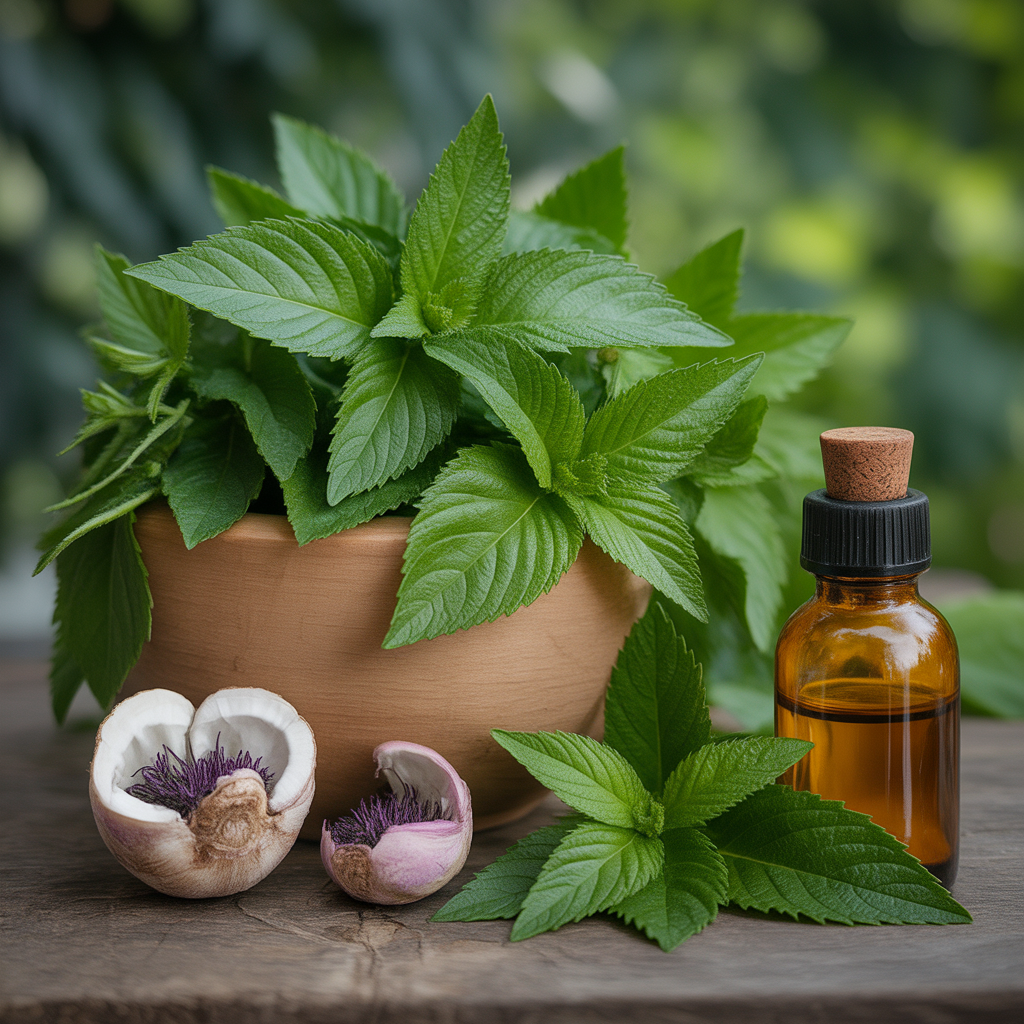
🤖 Das Beitragsbild dieses Artikels wurde mit DALL·E 3 (OpenAI) mithilfe von Künstlicher Intelligenz generiert (gemäß EU AI Act Art. 50 gekennzeichnet).

Hinterlasse einen Kommentar
Diese Website ist durch hCaptcha geschützt und es gelten die allgemeinen Geschäftsbedingungen und Datenschutzbestimmungen von hCaptcha.