

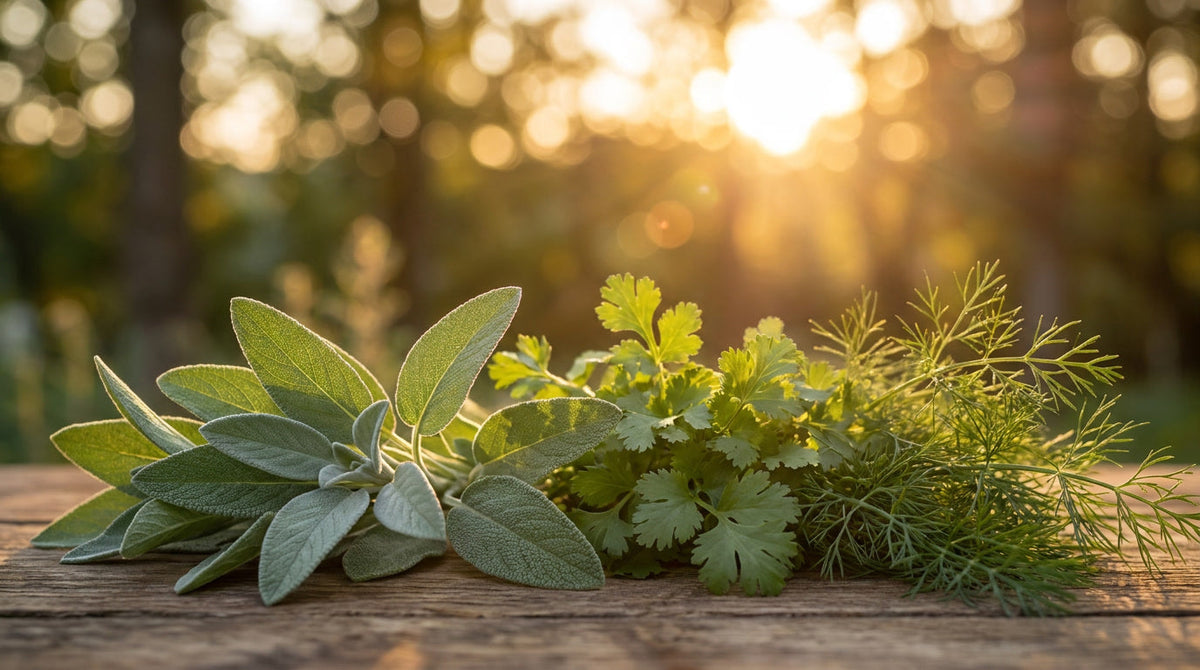
Salbei gehört zu den ältesten und vielseitigsten Heilpflanzen der europäischen Kräutertradition – und er nimmt in der Frauenheilkunde seit Jahrhunderten einen ganz besonderen Platz ein. Kein Wunder, dass er auf Latein Salvia officinalis heißt, abgeleitet von „salvare" – retten, heilen, bewahren. Schon in mittelalterlichen Klostergärten wurde Salbei sorgsam gepflegt, denn die Kräuterkundigen wussten: Diese silbrig schimmernde Pflanze mit ihrem unverwechselbaren, würzigen Duft ist ein treuer Begleiter der Frau – in jungen Jahren ebenso wie in der Zeit des Wandels. Produkte für Frauengesundheit Heute erlebt Salbei eine Renaissance in der modernen Naturheilkunde, und immer mehr Frauen entdecken ihn als zeitlosen Schatz, der ihnen in unruhigen Phasen des Lebens zur Seite stehen kann.
Was Hildegard von Bingen über Salbei wusste
Hildegard von Bingen, die große Universalgelehrte und Benediktineräbtissin des 12. Jahrhunderts, zählt bis heute zu den bedeutendsten Stimmen der europäischen Klostermedizin. In ihrem Hauptwerk Physica widmet sie dem Salbei besondere Aufmerksamkeit und beschreibt ihn als eine Pflanze von außerordentlicher Kraft und Wärme. Für Hildegard war Salbei nicht nur ein Würzkraut, sondern ein ernstzunehmendes Mittel der inneren Hausapotheke – und vor allem für Frauen hielt sie ihn für besonders wertvoll. Hildegard von Bingen Produkte
„Salbei ist warm und trocken… und er ist von großer Kraft" – so beschrieb Hildegard von Bingen die Pflanze in ihrer Physica (12. Jahrhundert). In der Klostermedizin galt Salbei als zentrales Frauenkraut, das bei Unregelmäßigkeiten des weiblichen Zyklus traditionell eingesetzt wurde.
Das Denken Hildegards war tief in der Humoralpathologie verwurzelt: Gesundheit bedeutete für sie das Gleichgewicht der vier Körpersäfte – und Salbei galt als Pflanze, die dabei helfen konnte, dieses Gleichgewicht zu wahren. Besonders in Lebensphasen, in denen sich im Körper der Frau Vieles verschiebt und verändert, empfahl sie den Salbei als begleitendes Kraut. Diese Überlieferung ist kein Zufall, sondern das Ergebnis jahrhundertelanger Beobachtung und Erfahrung – eine Wissenstradition, die auch heute noch ihre Gültigkeit hat.
Was Hildegard intuitiv erfasste, spiegelt sich in der botanischen Zusammensetzung der Pflanze wider. Salbei enthält eine Vielzahl ätherischer Öle sowie Gerbstoffe und Bitterstoffe, die ihn zu einem unverwechselbaren Begleiter in der Kräutermedizin machen. Die intensive silbrige Behaarung der Blätter schützt die Pflanze vor Austrocknung und intensiver Sonnenstrahlung – eine Eigenschaft, die metaphorisch auch für das steht, was der Salbei für die Frau sein kann: ein schützender, ausgleichender Begleiter in Zeiten äußerer und innerer Hitze. Das Kräuterwissen Hildegards lebt in vielen modernen Naturheilkunde-Ansätzen weiter und bietet uns einen wertvollen Orientierungsrahmen, wenn wir den Salbei heute neu entdecken. BitterKraft Original
Salbei und Schweißausbrüche: Ein traditionsreiches Frauenkraut in der Wechseljahreszeit
Wer kennt das nicht aus dem Freundes- oder Familienkreis: plötzliche Hitzewellen, die sich über den Körper ausbreiten, gefolgt von nächtlichen Schweißausbrüchen, die den Schlaf rauben und die Lebensqualität spürbar beeinflussen können. Diese Begleiterscheinungen, die viele Frauen in der Perimenopause und Menopause erleben, sind seit jeher Thema in der Frauenheilkunde – und Salbei war in diesem Zusammenhang historisch eines der meistgenutzten Kräuter überhaupt. Schlaf- und Entspannungsprodukte
Salbei wird seit Jahrhunderten in der europäischen Volksmedizin traditionell als Frauenkraut eingesetzt – besonders in der Wechseljahreszeit gilt er als bewährter Begleiter bei Hitzegefühlen und nächtlichen Schweißausbrüchen.
In der traditionellen Anwendung wurde Salbei als Tee, als Tinktur oder als Bestandteil von Kräuterrezepturen verwendet. Klosterapothekerinnen und Kräuterfrauen bereiteten aus frischen oder getrockneten Salbeiblättern aufwendige Zubereitungen, die sie Frauen in der zweiten Lebenshälfte empfahlen. Die Grundidee dahinter: Dem Körper etwas Zusätzliches geben – keine Behandlung, sondern Begleitung. Dieser Gedanke des „Hinzufügens statt Weglassens" ist ein Grundprinzip der Naturheilkunde, das bis heute aktuell ist.
Was steckt im Salbeiblatt?
Das Salbeiblatt enthält eine bemerkenswerte Vielfalt an pflanzlichen Inhaltsstoffen:
• Ätherische Öle (insbesondere Thujon, Kampfer, 1,8-Cineol): Verleihen dem Salbei seinen charakteristischen Duft und stehen im Mittelpunkt der traditionellen Anwendung.
• Gerbstoffe (Rosmarinsäure): Historisch bekannt für ihre adstringierenden Eigenschaften – in der Volksmedizin traditionell mit der „trocknenden" Wirkung des Salbeis in Verbindung gebracht.
• Flavonoide und Diterpene: Sekundäre Pflanzenstoffe, die in der modernen Pflanzenkunde zunehmend Beachtung finden.
• Phytoöstrogene: Pflanzliche Verbindungen mit struktureller Ähnlichkeit zu körpereigenen Hormonen – ein Grund, warum Salbei traditionell als „Frauenkraut" eingestuft wurde.
Besonders bemerkenswert ist die historische Verknüpfung zwischen Salbei und dem Phänomen der übermäßigen Schweißbildung. In der europäischen Volksmedizin wird er seit mindestens dem Mittelalter traditionell als „antihidrotisches" Kraut beschrieben – also als Pflanze, der man eine schweißmindernde Qualität zuschrieb. Diese Überlieferung findet sich nicht nur bei Hildegard, sondern auch in arabischen Medizintexten der gleichen Epoche sowie in den Kräuterbüchern der frühen Neuzeit. Das ist kein Zufall: Wenn ein Wissen über so viele Kulturen und Jahrhunderte hinweg bestehen bleibt, steckt erfahrungsgemäß etwas dahinter, das es wert ist, ernst genommen zu werden.
Salbei und der weibliche Zyklus: Traditionelles Wissen aus der Klostermedizin
Neben seiner Rolle in der Wechseljahreszeit wurde Salbei in der Kräuterheilkunde traditionell auch für Frauen mit unregelmäßigem oder beschwerlichem Zyklus eingesetzt. In der Klostermedizin galt er als Pflanze, die den Rhythmus des weiblichen Körpers begleiten kann – eine Sichtweise, die tief im holistischen Denken der mittelalterlichen Medizin verwurzelt ist. Frauen, die über Unregelmäßigkeiten oder Missempfindungen rund um den Zyklus klagten, erhielten in klösterlichen Heilstuben häufig Zubereitungen, in denen Salbei eine zentrale Rolle spielte. Produkte für Frauengesundheit
In der Klostermedizin galt Salbei als eines der wichtigsten Kräuter für die Frauengesundheit – von der Menstruation bis zur Menopause. Diese Tradition reicht über 800 Jahre zurück und findet sich in zahlreichen historischen Quellen wieder.
Die Idee dahinter war weniger die Behandlung eines konkreten Symptoms, sondern vielmehr die Stärkung des gesamten Organismus in einer Phase, in der er besonders viel leistete. Der weibliche Zyklus ist ein komplexes Zusammenspiel hormoneller, körperlicher und seelischer Prozesse – und traditionelle Kräuterfrauen wussten, dass man diesem Zusammenspiel am besten mit einem ganzheitlichen Ansatz begegnet. Salbei stand dabei sinnbildlich für Stärke, Klarheit und Wärme – Qualitäten, die man einer Frau in ihrer zyklischen Mitte wünschte.
Diese Heilkräuter werden traditionell für die Frauengesundheit genutzt:
- Salbei (Salvia officinalis): Wird seit Jahrhunderten traditionell als Frauenkraut in der europäischen Kräutermedizin eingesetzt – besonders in der Wechseljahreszeit und bei Zyklusbegleitung.
- Mönchspfeffer (Vitex agnus-castus): Historisch bekannt als „Keuschlamm" – in der Volksmedizin traditionell für Frauen mit zyklischen Befindlichkeitsstörungen verwendet.
- Frauenmantel (Alchemilla vulgaris): In der alpinen Kräutertradition seit dem Mittelalter geschätzt – traditionell als begleitendes Kraut rund um Zyklus und Wechseljahre eingesetzt.
- Schafgarbe (Achillea millefolium): Bereits in der Antike als Frauenkraut bekannt – in der Volksheilkunde traditionell zur Begleitung des weiblichen Zyklus genutzt.
- Rotklee (Trifolium pratense): Reich an pflanzlichen Isoflavonen – historisch in der Naturheilkunde für Frauen in den Wechseljahren tradiert und heute wieder zunehmend beliebt.
Diese Kräuter teilen eine lange gemeinsame Geschichte in der europäischen Frauenheilkunde. Sie wurden nicht als Einzelmittel betrachtet, sondern als Teil einer umfassenden Lebensweise, zu der auch Ernährung, Bewegung, Gebet und soziale Einbettung gehörten. Die Klostermedizin war in diesem Sinne immer eine ganzheitliche Medizin – und Salbei war in ihr eines der leuchtendsten Juwelen. Wer heute auf dieses Wissen zurückgreift, tut es nicht, weil er die Vergangenheit romantisiert, sondern weil er in ihr einen echten, erfahrungsgesättigten Schatz vermutet, der auch für die Gegenwart relevant sein kann. Hildegard von Bingen Produkte
Salbei im Alltag: Traditionelle Zubereitungsformen und sinnvolle Anwendung
Wer Salbei als täglichen Begleiter in sein Leben einladen möchte, hat dafür verschiedene Möglichkeiten – von der einfachen Tasse Kräutertee bis hin zu konzentrierteren Extrakten und Tinkturen. Jede dieser Zubereitungsformen hat ihre eigene Geschichte und ihre eigene Stimmigkeit. Wichtig ist dabei vor allem: die Regelmäßigkeit. In der Naturheilkunde gilt das Prinzip, dass Kräuter Zeit brauchen, um ihre traditionelle Wirkung im Alltag entfalten zu können – sie sind kein schnelles Gegenmittel, sondern ein geduldiger Begleiter.
In einer Übersichtsarbeit der Universität Genf (2011) wurde festgestellt, dass Salbei-Extrakte in traditionellen und ethnobotanischen Quellen aus ganz Europa konsistent mit der Begleitung klimakterischer Beschwerden in Verbindung gebracht werden. Die Autoren betonten die lange kulturhistorische Nutzungstradition als wichtiges Indiz für die Relevanz der Pflanze in der modernen Naturheilkunde.
Der klassische Salbeitee wird aus zwei bis drei Teelöffeln frischer oder einem Teelöffel getrockneter Salbeiblätter pro Tasse zubereitet. Das Wasser sollte nicht mehr kochen – eine Temperatur von etwa 85 bis 90 Grad Celsius ist ideal, um die flüchtigen ätherischen Öle nicht zu zerstören. Die Ziehzeit beträgt fünf bis zehn Minuten, und der Tee wird traditionell ohne Milch, aber gerne mit etwas Honig oder Zitrone genossen. Für die klassische Anwendung in der Wechseljahreszeit empfehlen viele Kräutertraditionalistinnen bis zu drei Tassen täglich – verteilt über den Tag, um eine gleichmäßige Begleitung zu gewährleisten.
Für eine traditionelle Salbei-Anwendung wird häufig empfohlen, den Tee über einen Zeitraum von mehreren Wochen regelmäßig zu sich zu nehmen – Kräuterwissen betont stets die Bedeutung von Kontinuität statt kurzfristiger Einmaldosierung.
Neben dem Tee erfreuen sich heute auch Salbei-Kapseln und -Extrakte großer Beliebtheit – besonders bei Frauen, die den bitteren, kräftigen Geschmack des Tees scheuen oder eine gleichmäßigere Konzentration wünschen. Standardisierte Extrakte aus Salvia officinalis sind in verschiedenen Stärken erhältlich und können bequem in den Alltag integriert werden. Für alle, die Salbei in der Nachfolge Hildegards erleben möchten, empfiehlt sich auch die äußerliche Anwendung: Ein Salbei-Dampfbad, ein Salbei-Fußbad oder das Einreiben mit Salbeiöl gehören zur traditionellen Hausapotheke und verbinden die pflanzliche Anwendung mit bewussten Ritualen der Selbstfürsorge. Produkte für Frauengesundheit
Salbei sinnvoll in den Alltag integrieren – und worauf man achten sollte
Wie bei allen Heilpflanzen gilt auch beim Salbei: Mehr ist nicht automatisch besser. In der traditionellen Kräutermedizin wird betont, dass Salbei aufgrund seines hohen Gehalts an Thujon – einem ätherischen Öl, das in hohen Dosen reizend wirken kann – nicht dauerhaft in sehr großen Mengen konsumiert werden sollte. Zwei bis drei Tassen Salbeitee täglich gelten als klassische Empfehlung in der Volksheilkunde. Salbeiöl oder hochkonzentrierte Extrakte sollten nur nach Rücksprache mit einer Fachperson für Naturheilkunde verwendet werden.
Besonders während der Schwangerschaft wird Salbei in medizinischen Mengen traditionell nicht empfohlen, da er historisch auch als gebärmutterstimulierend galt – eine Eigenschaft, die in der Klostermedizin durchaus bewusst eingesetzt wurde, die jedoch in der Schwangerschaft zu bedenken ist. Stillende Frauen wissen hingegen aus der Volksmedizin, dass Salbei traditionell auch genutzt wurde, um die Milchproduktion zu reduzieren – ein Hinweis, der beim Abstillen ebenso wie in der aktiven Stillzeit relevant sein kann. Wer also eine individuelle Beratung sucht, ist gut beraten, eine Heilpraktikerin oder einen Arzt mit naturheilkundlicher Ausrichtung hinzuzuziehen. Hildegard von Bingen Produkte
Darüber hinaus lässt sich Salbei wunderbar in ein umfassendes Konzept der ganzheitlichen Frauengesundheit einbetten. Die Naturheilkunde betrachtet den Körper der Frau nicht als isoliertes System, sondern als Teil eines größeren Ganzen – verbunden mit Ernährung, Bewegung, Schlaf, sozialem Umfeld und seelischem Gleichgewicht. Salbei kann in diesem Rahmen ein kleines, aber bedeutsames Element sein: ein Ritual der täglichen Fürsorge, ein Moment des Innehaltens, eine Tasse Tee, die an den Morgen oder an den Abend erinnert, dass der eigene Körper Aufmerksamkeit verdient. Und vielleicht ist das – jenseits aller botanischer Inhaltsstoffe – die tiefste Botschaft, die Hildegard von Bingen uns hinterlassen hat: Pflege dich selbst mit dem, was die Natur dir schenkt. BitterKraft Original
Salbei auf einen Blick – für die Frauengesundheit:
✦ Traditionelle Anwendungsgebiete: Begleitung in der Wechseljahreszeit, zyklische Befindlichkeitsstörungen, übermäßige Schweißbildung
✦ Beliebteste Darreichungsform: Salbeitee (2–3 Tassen täglich), Kapseln, Tinkturen, Extrakte
✦ Historische Quellen: Hildegard von Bingen, Kräuterbücher des 16./17. Jahrhunderts, arabische Medizintradition
✦ Kombination mit: Frauenmantel, Mönchspfeffer, Schafgarbe – je nach Lebensphase und individueller Konstitution
✦ Zu beachten: In der Schwangerschaft traditionell nicht in medizinischen Mengen empfohlen; bei hohem Thujon-Gehalt Tagesdosis beachten; bei Unsicherheit Rücksprache mit Heilpraktiker:in
Salbei ist mehr als ein Würzkraut. Er ist ein Stück lebendige Kulturgeschichte, ein botanisches Bindeglied zwischen den Klostergärten des Mittelalters und den modernen Naturheilkunde-Regalen. Für Frauen, die nach sanften, naturnahen Wegen suchen, ihr Wohlbefinden in verschiedenen Lebensphasen zu unterstützen, lohnt es sich, ihn genauer kennenzulernen – mit Neugier, Geduld und dem Respekt, den eine Pflanze mit einer so langen Geschichte verdient. alle Bitterkraft Produkte

Hinterlasse einen Kommentar
Diese Website ist durch hCaptcha geschützt und es gelten die allgemeinen Geschäftsbedingungen und Datenschutzbestimmungen von hCaptcha.