


Die Geschichte der Naturheilkunde ist geprägt von großen Persönlichkeiten, die bis heute nachwirken. Zwei Namen stechen dabei besonders hervor: Hildegard von Bingen (1098-1179) und Paracelsus (1493-1541). Beide revolutionierten die Heilkunde ihrer Zeit, doch ihre Ansätze könnten unterschiedlicher nicht sein. Während Hildegards Lehre auf spiritueller Ganzheitlichkeit und der Kraft der Natur basierte, entwickelte Paracelsus einen eher wissenschaftlich-alchemistischen Zugang. Heute können wir von beiden Traditionen lernen, besonders wenn es um die Anwendung von BitterKraft Original und anderen natürlichen Kräuterzubereitungen geht.
📋 Inhaltsverzeichnis
Die visionäre Äbtissin: Hildegards ganzheitlicher Heilansatz
Hildegard von Bingen war weit mehr als eine Äbtissin – sie war Visionärin, Musikerin, Theologin und eine der bedeutendsten Naturheilerinnen des Mittelalters. Ihr Ansatz basierte auf der Überzeugung, dass Körper, Geist und Seele eine untrennbare Einheit bilden. In der traditionellen Hildegard-Lehre wird überliefert, dass ein Ungleichgewicht durch natürliche Mittel und spirituelle Praktiken wieder ins Lot gebracht werden kann.
Das Herzstück ihrer Lehre bildete die Vier-Säfte-Lehre, die sie mit ihrer eigenen Temperamentenlehre verknüpfte. Sie unterschied zwischen dem cholerischen, sanguinischen, phlegmatischen und melancholischen Temperament und ordnete jedem spezifische Heilpflanzen zu. Besonders faszinierend ist ihre Betonung der "Viriditas" – der grünen Lebenskraft, die sie als göttliche Heilenergie in allen Pflanzen sah. Diese Lebenskraft sollte durch die richtige Anwendung von Hildegard von Bingen Produkte erfahrbar werden.
Hildegards Heilmittel waren stets einfach und naturnah. Sie verwendete heimische Kräuter wie Fenchel, Bertram und Quendel, die sie in Form von Kräuterwein, Latwergen oder als Gewürze einsetzte. Ihre Ernährungslehre war revolutionär: Sie erkannte bereits im 12. Jahrhundert die Bedeutung einer ausgewogenen Ernährung und entwickelte detaillierte Speiseregeln, die bis heute Beachtung finden.
Der rebellische Arzt: Paracelsus und die Geburt der modernen Pharmazie
Theophrastus Bombastus von Hohenheim, bekannt als Paracelsus, war ein Revolutionär der Renaissance-Medizin. Seine berühmte Aussage "Die Dosis macht das Gift" prägt die Toxikologie bis heute. Im Gegensatz zu Hildegards spirituellem Ansatz verfolgte Paracelsus einen eher empirischen Weg, der auf Beobachtung und Experiment basierte. Er war einer der ersten Ärzte, der die scholastische Medizin seiner Zeit grundlegend in Frage stellte.
Paracelsus entwickelte die Signaturenlehre weiter und kombinierte sie mit alchemistischen Praktiken. Er war überzeugt davon, dass jede Beschwerde ihr spezifisches Gegenmittel in der Natur findet – ein Konzept, das er als "Arcanum" bezeichnete. Seine Therapien waren oft drastischer als die Hildegards: Er verwendete nicht nur Pflanzen, sondern auch Mineralien und selbst hergestellte chemische Verbindungen, was ihn zum Begründer der Iatrochemie macht.
Besonders interessant ist Paracelsus' Konzept der drei Prinzipien: Sulfur (das Brennbare), Mercurius (das Flüchtige) und Sal (das Feste). Diese alchemistischen Grundstoffe sah er in allen Substanzen wirksam und nutzte sie zur Herstellung seiner Zubereitungen. Seine Arbeiten legten den Grundstein für die moderne Pharmakologie, auch wenn viele seiner Methoden heute als historisch betrachtet werden.
Heilpflanzen und Bitterkräuter: Traditionelle Anwendungen im Vergleich
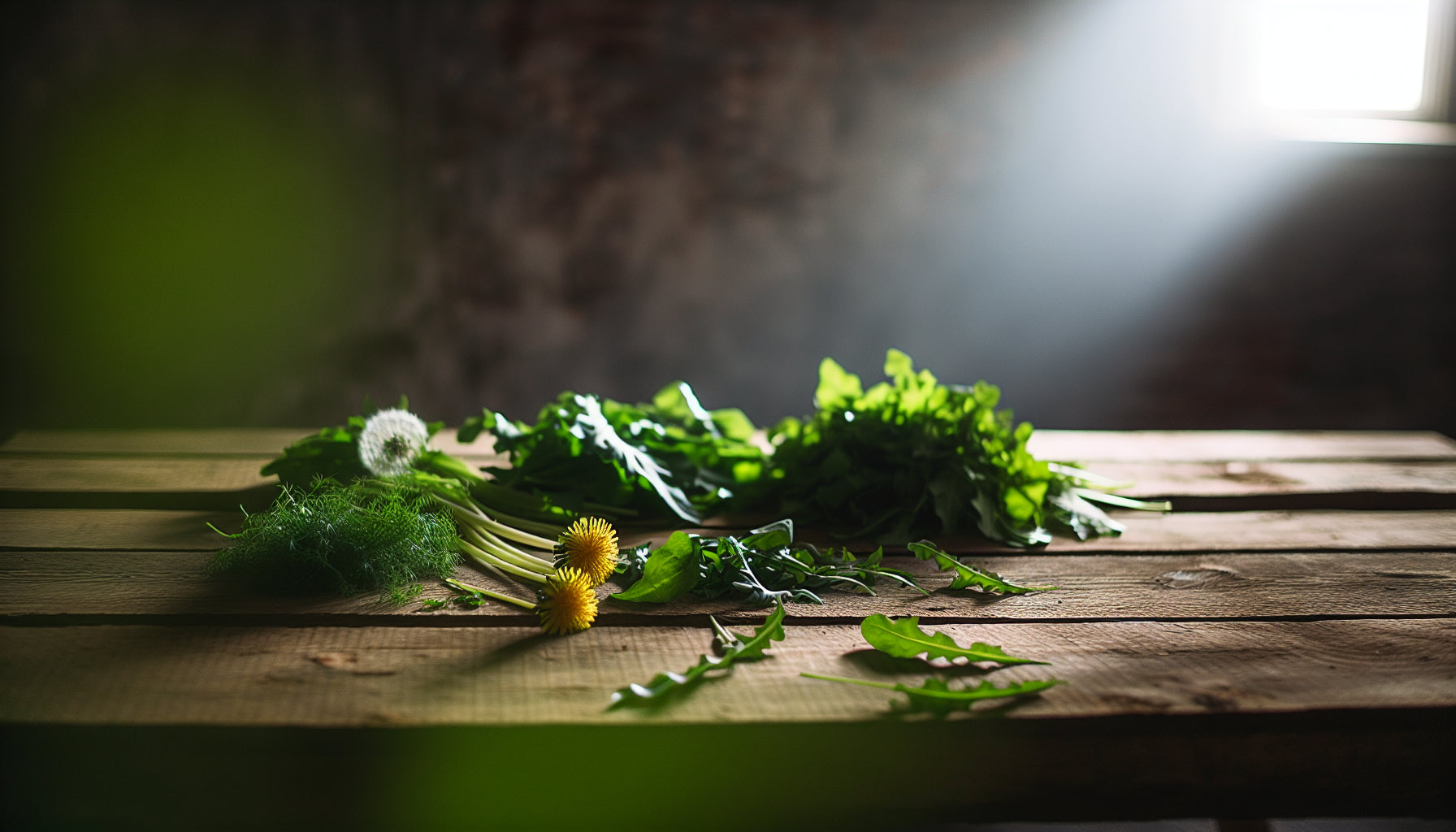
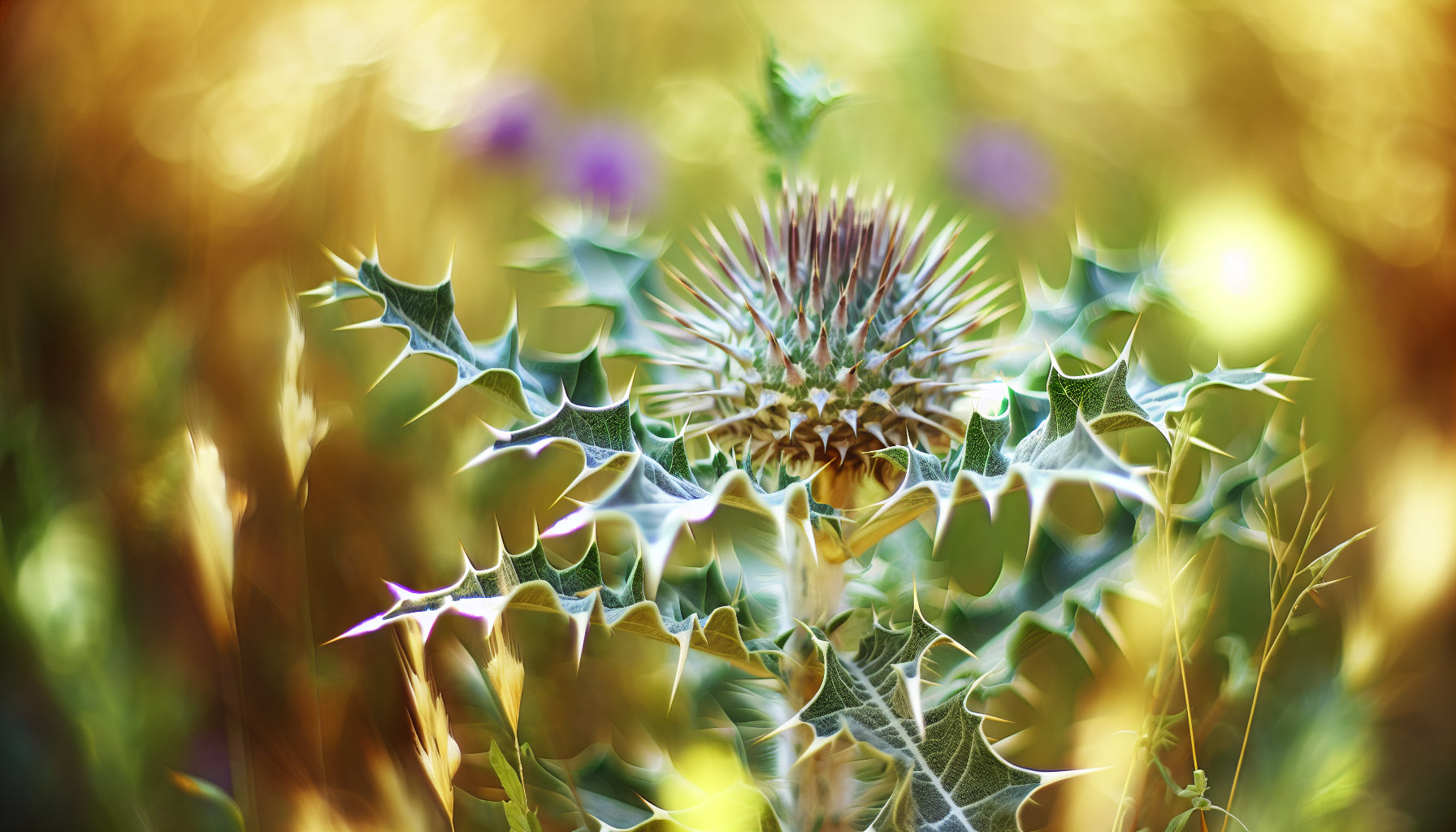
Beide Heilkundigen schätzten die Kraft der Bitterkräuter, jedoch aus unterschiedlichen Blickwinkeln. Hildegard sah in bitteren Pflanzen wie Wermut, Enzian oder Tausendgüldenkraut vor allem reinigende und stärkende Eigenschaften. Sie verwendete sie traditionell als Begleitung zu den Mahlzeiten und zur Unterstützung des alltäglichen Wohlbefindens. Ihre Bittermittel waren meist mild dosiert und in angenehme Zubereitungen wie Kräuterweine eingebettet, die das Leben bereichern sollten.
Paracelsus hingegen betrachtete Bitterstoffe aus pharmakologischer Sicht. Er erkannte deren traditionelle Verwendung in verschiedenen Bereichen und setzte sie gezielter ein. Besonders die traditionellen Kräuterzubereitungen, wie sie heute in Bitterkraft Kräuterprodukten und traditionellen Digestif-Zubereitungen zu finden sind, standen im Fokus seiner Überlegungen. Seine Präparate waren oft hochkonzentriert und wurden nach dem Prinzip der Ähnlichkeitslehre eingesetzt – bitter gegen bitter, um die körpereigenen Reaktionen anzuregen.
Interessant ist auch der unterschiedliche Umgang mit Dosierungen: Während Hildegard eher auf die sanfte, kontinuierliche Anwendung setzte, bevorzugte Paracelsus präzise, oft höhere Dosierungen für begrenzte Zeiträume. Beide Ansätze haben ihre historische Berechtigung und finden sich heute in der traditionellen Kräuterkunde wieder. Die sanften Hildegard-Methoden werden traditionell für die Langzeitanwendung geschätzt, während die präziseren Paracelsus-Methoden historisch bei akuten Situationen Verwendung fanden.
Moderne Relevanz: Was wir heute von beiden lernen können
Die historischen Lehren von Hildegard und Paracelsus sind heute von kulturgeschichtlichem Interesse, auch wenn sich unser Verständnis von Gesundheit und Wohlbefinden weiterentwickelt hat. Hildegards ganzheitlicher Ansatz findet sich in modernen Wellness-Konzepten wieder, die den Zusammenhang zwischen Lebensführung und Wohlbefinden betrachten. Ihre Betonung der Prävention durch richtige Ernährung und Lebensführung entspricht aktuellen Trends in der Gesundheitsvorsorge.
Paracelsus' empirischer Ansatz und sein Fokus auf die exakte Dosierung haben die moderne Pharmakologie geprägt. Seine Erkenntnis, dass die Dosis über Nutzen oder Schaden entscheidet, ist ein Grundprinzip der heutigen Arzneimittelkunde. Gleichzeitig zeigen kulturgeschichtliche Studien, dass viele der von beiden verwendeten Heilpflanzen seit Jahrhunderten in der traditionellen Kräuterkunde geschätzt werden.
Besonders im Bereich der BitterKraft Original und traditioneller Kräuterzubereitungen zeigt sich die historische Bedeutung beider Heilkundiger. Die Überlieferungen bestätigen, dass Bitterstoffe seit Jahrhunderten zu Recht geschätzt werden und fester Bestandteil der traditionellen europäischen Kräuterkunde sind. Die Kombination aus Hildegards sanftem, ganzheitlichem Ansatz und Paracelsus' präziser, zielgerichteter Methodik bietet uns heute einen reichen Schatz an kulturellem Wissen über die traditionelle Verwendung von Kräutern und Bitterpflanzen.
🤖 Das Beitragsbild dieses Artikels wurde mit DALL·E 3 (OpenAI) mithilfe von Künstlicher Intelligenz generiert (gemäß EU AI Act Art. 50 gekennzeichnet).

Hinterlasse einen Kommentar
Diese Website ist durch hCaptcha geschützt und es gelten die allgemeinen Geschäftsbedingungen und Datenschutzbestimmungen von hCaptcha.