


Wer aufmerksam durch die Natur wandelt, dem fällt schnell auf: Viele bittere Heilpflanzen tragen ihre Charakterstärke bereits äußerlich zur Schau. Dornen, tiefe Pfahlwurzeln, zähe Blätter oder stachelige Hüllen – es scheint, als würden diese Pflanzen ihre innere Kraft auch durch ihr Erscheinungsbild verkünden. Die Signaturlehre, ein uraltes Wissensgebiet der Naturheilkunde, erklärt diese faszinierenden Zusammenhänge zwischen Aussehen und Wirkung von Pflanzen.
📋 Inhaltsverzeichnis
Die Grundlagen der Signaturlehre verstehen
Die Signaturlehre geht davon aus, dass die Natur uns durch das Aussehen einer Pflanze Hinweise auf ihre Heilkräfte gibt. Diese jahrhundertealte Lehre besagt, dass Form, Farbe, Struktur und Wachstumsweise einer Pflanze Rückschlüsse auf ihre therapeutischen Eigenschaften zulassen. Was zunächst wie ein mittelalterlicher Aberglaube erscheinen mag, erweist sich bei näherer Betrachtung oft als erstaunlich treffsicher.
Hildegard von Bingen Produkte bereits die große Äbtissin Hildegard von Bingen nutzte diese Beobachtungsgabe, um die Heilkraft von Pflanzen zu ergründen. Sie erkannte, dass wehrhaft aussehende Pflanzen oft besonders kraftvolle Eigenschaften besitzen – eine Erkenntnis, die bis heute in der modernen Phytotherapie Beachtung findet. Die äußere "Wehrhaftigkeit" einer Pflanze spiegelt häufig ihre innere Stärke und Widerstandskraft wider.
Besonders interessant wird diese Lehre, wenn man sie auf bitterstoffhaltige Pflanzen anwendet. Denn BitterKraft Original Bitterstoffe sind biochemisch gesehen Abwehrstoffe, mit denen sich Pflanzen vor Fressfeinden schützen. Es liegt nahe, dass Pflanzen, die bereits äußerlich wehrhaft erscheinen, auch innerlich über starke Schutzmechanismen verfügen.
Dornen und Stacheln als Zeichen innerer Stärke
Betrachten wir die Mariendistel: Ihre silbrig gefleckten Blätter sind von scharfen Dornen gesäumt, die jeden unvorsichtigen Sammler warnen. Diese äußere Wehrhaftigkeit korrespondiert mit ihrer bemerkenswerten inneren Kraft – die Mariendistel wird seit Jahrhunderten traditionell verwendet. Ihre Bitterstoffe und der wertvolle Wirkstoff Silymarin machen sie zu einer der bedeutendsten Leber-Produkte von Bitterkraft geschätzten Pflanzen unserer heimischen Flora.
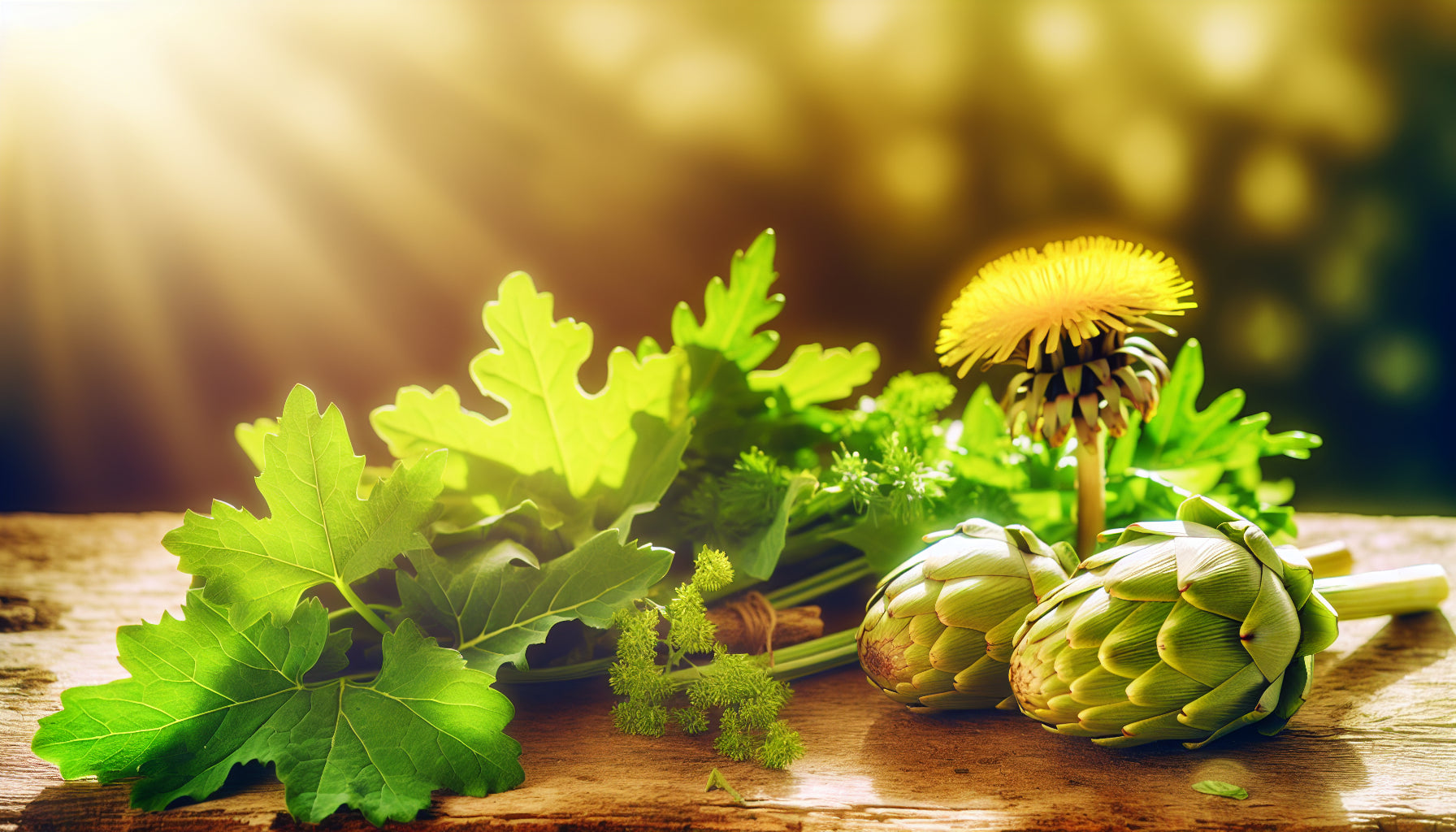
Ähnlich verhält es sich mit der Artischocke, deren fleischige Blütenstände von harten, spitzen Deckblättern geschützt werden. Diese natürliche Panzerung verweist auf die robuste Konstitution der Pflanze und ihre Fähigkeit, widrigen Umständen zu trotzen. Nicht umsonst werden Artischockenblätter traditionell geschätzt – ihre Bitterstoffe sind seit Jahrhunderten bekannt.
Selbst der gemeine Löwenzahn, den viele nur als Unkraut betrachten, zeigt seine charakteristische "Zähnung" bereits im Namen: Die tief gesägten Blätter erinnern an Raubtierzähne. Diese markante Blattform weist auf die kraftvollen Bitterstoffe hin, die den Löwenzahn zu einem traditionell verwendeten Frühjahrsbegleiter machen.
Tiefe Wurzeln als Symbol für Erdung und Kraft
Viele bitterstoffreiche Heilpflanzen entwickeln beeindruckend tiefe Pfahlwurzeln, die weit in die Erde hineinreichen. Diese Eigenschaft ist nicht nur ein Überlebensvorteil in trockenen Zeiten, sondern auch ein Signum für die besondere Kraft dieser Pflanzen. Je tiefer eine Pflanze ihre Wurzeln schlägt, desto mehr Mineralien und Spurenelemente kann sie aus tieferen Erdschichten aufnehmen.
Der Löwenzahn beispielsweise kann Pfahlwurzeln von über einem Meter Länge entwickeln. Diese außergewöhnliche Verwurzelung ermöglicht es ihm, auch an unwirtlichen Standorten zu gedeihen und dabei eine hohe Konzentration wertvoller Inhaltsstoffe zu entwickeln. Seine tiefe Erdverbindung spiegelt sich in der traditionellen Verwendung wider – Löwenzahnwurzeln werden seit jeher traditionell geschätzt.
Auch die Klettenwurzel, botanisch als Arctium lappa bekannt, bildet fleischige, bis zu 60 Zentimeter tiefe Pfahlwurzeln aus. Diese beeindruckende Erdverbindung korrespondiert mit ihrer traditionellen Verwendung. Die Signaturlehre sieht in der tiefen Verwurzelung ein Zeichen für die besondere Eigenart der Pflanze und ihre jahrhundertelange Wertschätzung in der Volksmedizin.
Moderne Wissenschaft bestätigt alte Weisheiten
Was unsere Vorfahren intuitiv erkannten, bestätigt heute die moderne Pflanzenforschung: Die äußere Erscheinung einer Pflanze steht tatsächlich in engem Zusammenhang mit ihren Inhaltsstoffen. Dornen, Stacheln und andere Schutzeinrichtungen entstehen durch die gleichen Stoffwechselprozesse, die auch Bitterstoffe und andere sekundäre Pflanzenstoffe hervorbringen. Eine Pflanze, die Energie in äußere Verteidigungsstrukturen investiert, produziert häufig auch kraftvolle biochemische Schutzsubstanzen.
Die Forschung zeigt zudem, dass Pflanzen mit tiefen Wurzelsystemen oft höhere Konzentrationen an Mineralien und bioaktiven Verbindungen aufweisen. Sie können Nährstoffe aus tieferen, nährstoffreicheren Bodenschichten erschließen und sind weniger von oberflächlichen Umwelteinflüssen abhängig. Diese Erkenntnis untermauert die traditionelle Wertschätzung tiefwurzelnder Heilpflanzen.
alle Bitterkraft Produkte Die Signaturlehre erweist sich somit nicht als überholter Aberglaube, sondern als erstaunlich treffsichere Beobachtungswissenschaft. Sie lädt uns ein, die Natur mit anderen Augen zu betrachten und in der äußeren Gestalt der Pflanzen Hinweise auf ihre verborgenen Kräfte zu entdecken. Wer lernt, diese natürlichen Signaturen zu lesen, öffnet sich einen direkten Zugang zur Weisheit der Pflanzen – eine Fähigkeit, die in unserer technisierten Welt kostbarer denn je ist.
🤖 Das Beitragsbild dieses Artikels wurde mit DALL·E 3 (OpenAI) mithilfe von Künstlicher Intelligenz generiert (gemäß EU AI Act Art. 50 gekennzeichnet).


Hinterlasse einen Kommentar
Diese Website ist durch hCaptcha geschützt und es gelten die allgemeinen Geschäftsbedingungen und Datenschutzbestimmungen von hCaptcha.