

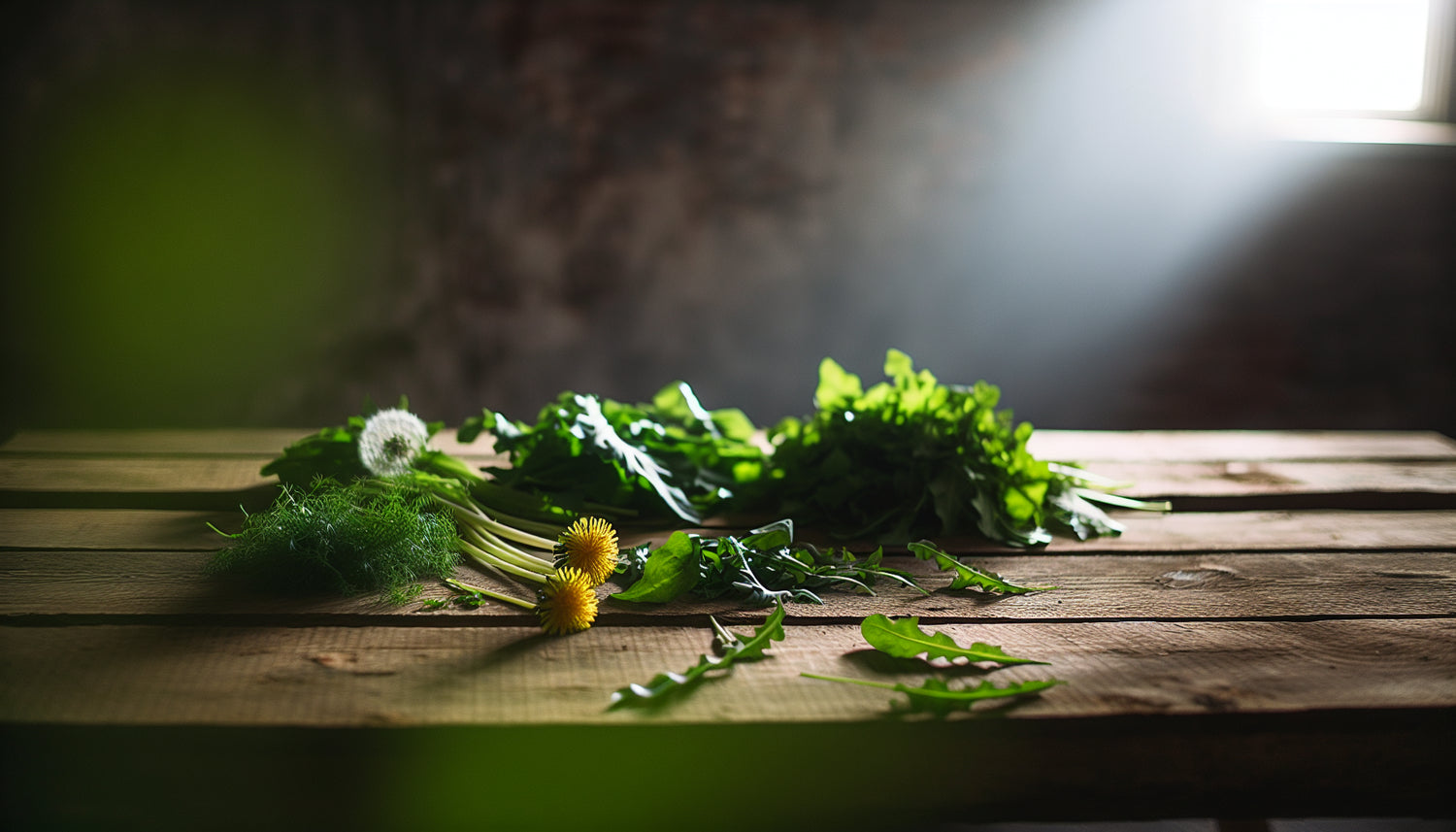
Wenn wir an Bitterstoffe in der Küche denken, fallen uns meist sofort Chicorée und Radicchio ein. Doch die Welt der bitter schmeckenden Blattsalate ist weitaus vielfältiger und bietet uns das ganze Jahr über wertvolle Nährstoffe und traditionell geschätzte Eigenschaften. Schon Hildegard von Bingen erkannte die besondere Bedeutung bitterer Kräuter und Blätter für unser Wohlbefinden. In diesem Artikel entdecken Sie eine reiche Auswahl an weniger bekannten Bitter-Salaten, die Ihren Speiseplan bereichern und Sie durch alle Jahreszeiten begleiten können.
📋 Inhaltsverzeichnis
Frühlingsboten: Wilde Bitterstoffe erwachen
Der Frühling bringt uns eine Fülle wilder und kultivierter Bitter-Salate, die nach den langen Wintermonaten besonders wertvoll sind. Löwenzahn, der oft als Unkraut verkannt wird, zählt zu den kraftvollsten Vertretern dieser Gruppe. Seine gezackten Blätter enthalten nicht nur intensive Bitterstoffe, sondern auch reichlich Vitamine und Mineralstoffe. Traditionell wird Löwenzahn seit Jahrhunderten geschätzt und ist für seinen charakteristisch bitteren Geschmack bekannt.
Rucola, botanisch als Eruca sativa bekannt, vereint eine angenehme Schärfe mit feinen Bitternoten. Dieser mediterrane Salat lässt sich wunderbar mit anderen Frühlingsgreens kombinieren und bringt einen würzigen Akzent in jede Salatschüssel. Besonders junge Rucola-Blätter sind weniger intensiv im Geschmack und eignen sich perfekt für Einsteiger in die Welt der BitterKraft Original.
Ein weiterer Frühlingsschatz ist die Brunnenkresse, die an feuchten Standorten gedeiht und einen charakteristisch scharfen, leicht bitteren Geschmack aufweist. Hildegard von Bingen erwähnte bereits ähnliche Kreuzblütler in ihren Schriften und schätzte ihre besonderen Eigenschaften. Die kleinen, runden Blätter der Brunnenkresse sind reich an sekundären Pflanzenstoffen und verleihen jedem Salat eine besondere Note.
Sommerliche Vielfalt: Hitzebeständige Bitterkräuter
Im Sommer erweitert sich das Spektrum der verfügbaren Bitter-Salate erheblich. Portulak, ein sukkulenter Vertreter mit fleischigen Blättern, bietet eine milde Bitterkeit kombiniert mit einer erfrischenden, knackigen Textur. Dieses traditionelle Gemüse war bereits in der Antike bekannt und wird heute wiederentdeckt. Seine Blätter können roh verzehrt werden und bereichern Sommersalate mit ihrer besonderen Konsistenz.
Franzosenkraut, oft übersehen und als Wildkraut betrachtet, entwickelt im Sommer seine charakteristischen, leicht bitteren Blätter. Diese unscheinbare Pflanze kann eine wertvolle Ergänzung zu konventionellen Salaten darstellen und bringt eine dezente Bitterkeit mit sich, die auch empfindliche Gaumen nicht überfordert. Die jungen Triebe sind besonders zart und lassen sich gut mit milderen Blättern mischen.
Nicht zu vergessen ist der Garten-Ampfer, dessen säuerlich-bittere Blätter eine interessante Geschmackskombination bieten. Traditionell wird diese Pflanze seit langem in der europäischen Küche verwendet und ist für ihren charakteristisch erfrischenden, leicht säuerlichen Geschmack bekannt. Die pfeilförmigen Blätter sollten sparsam verwendet werden, da ihr intensiver Geschmack schnell dominieren kann.
Herbstgenuss: Kräftige Bitterstoffe für die Übergangszeit
Der Herbst beschert uns robuste Bitter-Salate, die den ersten Frost überstehen und sogar an Geschmacksintensität gewinnen können. Winterkresse entwickelt in dieser Jahreszeit ihre charakteristische Schärfe und Bitterkeit. Diese widerstandsfähige Pflanze aus der Familie der Kreuzblütler war bereits Hildegard von Bingen Produkte und anderen Kräuterkundigen bekannt und wird traditionell für ihre besonderen Eigenschaften geschätzt.
Feldsalat zeigt im Herbst eine subtile Bitterkeit, die sich harmonisch mit seiner nussigen Grundnote verbindet. Diese heimische Salatpflanze ist nicht nur robust gegenüber Kälte, sondern auch reich an wertvollen Inhaltsstoffen. Besonders die späteren Ernten weisen eine ausgeprägtere Bitterkeit auf, die den Geschmack komplexer und interessanter macht.
Mizuna, ein japanisches Blattgemüse aus der Familie der Kreuzblütler, gedeiht auch in unseren Breitengraden und entwickelt im Herbst eine angenehme, moderate Bitterkeit. Die gefiederten Blätter sind nicht nur optisch ansprechend, sondern bieten auch geschmacklich eine willkommene Abwechslung zu den bekannteren Salatsorten. Mizuna lässt sich hervorragend in gemischten Salaten verwenden und bringt eine asiatische Note in die europäische Küche.
Wintervorrat: Lagerfähige Bittersalate und Konservierung
Auch in der kalten Jahreszeit müssen wir nicht auf wertvolle Bitterstoffe verzichten. Grünkohl, traditionell als Wintergemüse bekannt, kann auch roh als Salat zubereitet werden und bietet eine kräftige Bitterkeit. Die massiven Blätter werden durch Frost sogar milder und süßer, behalten aber ihre charakteristischen Bitterstoffe. Eine Massage der rohen Blätter mit etwas Salz macht sie zarter und bekömmlicher.
Rosenkohl-Blätter, die oft weggeworfen werden, sind ebenfalls essbar und bieten eine interessante Alternative zu den Röschen selbst. Diese äußeren Blätter weisen eine ausgeprägtere Bitterkeit auf und können fein geschnitten in Wintersalaten verwendet werden. Traditionell werden Kohlgewächse seit Jahrhunderten geschätzt und sind für ihre charakteristischen Bitterstoffe und ihre vielseitige kulinarische Verwendung bekannt.
Für die Konservierung der Sommerernte bieten sich verschiedene Methoden an. Getrocknete Bitterkräuter behalten viele ihrer wertvollen Eigenschaften und können als Würzkraut oder Tee verwendet werden. Eingelegte Bittersalate in Essig oder Öl stellen eine weitere Möglichkeit dar, die Vielfalt auch im Winter zu genießen. Diese traditionellen Konservierungsmethoden waren bereits unseren Vorfahren bekannt und ermöglichen es, die Kraft der BitterKraft Original das ganze Jahr über zu nutzen. Wer seine Verdauung zusätzlich unterstützen möchte, kann diese Salate auch wunderbar mit anderen natürlichen Ansätzen für die Darm- und Verdauungsprodukte kombinieren.
🤖 Das Beitragsbild dieses Artikels wurde mit DALL·E 3 (OpenAI) mithilfe von Künstlicher Intelligenz generiert (gemäß EU AI Act Art. 50 gekennzeichnet).



Hinterlasse einen Kommentar
Diese Website ist durch hCaptcha geschützt und es gelten die allgemeinen Geschäftsbedingungen und Datenschutzbestimmungen von hCaptcha.