

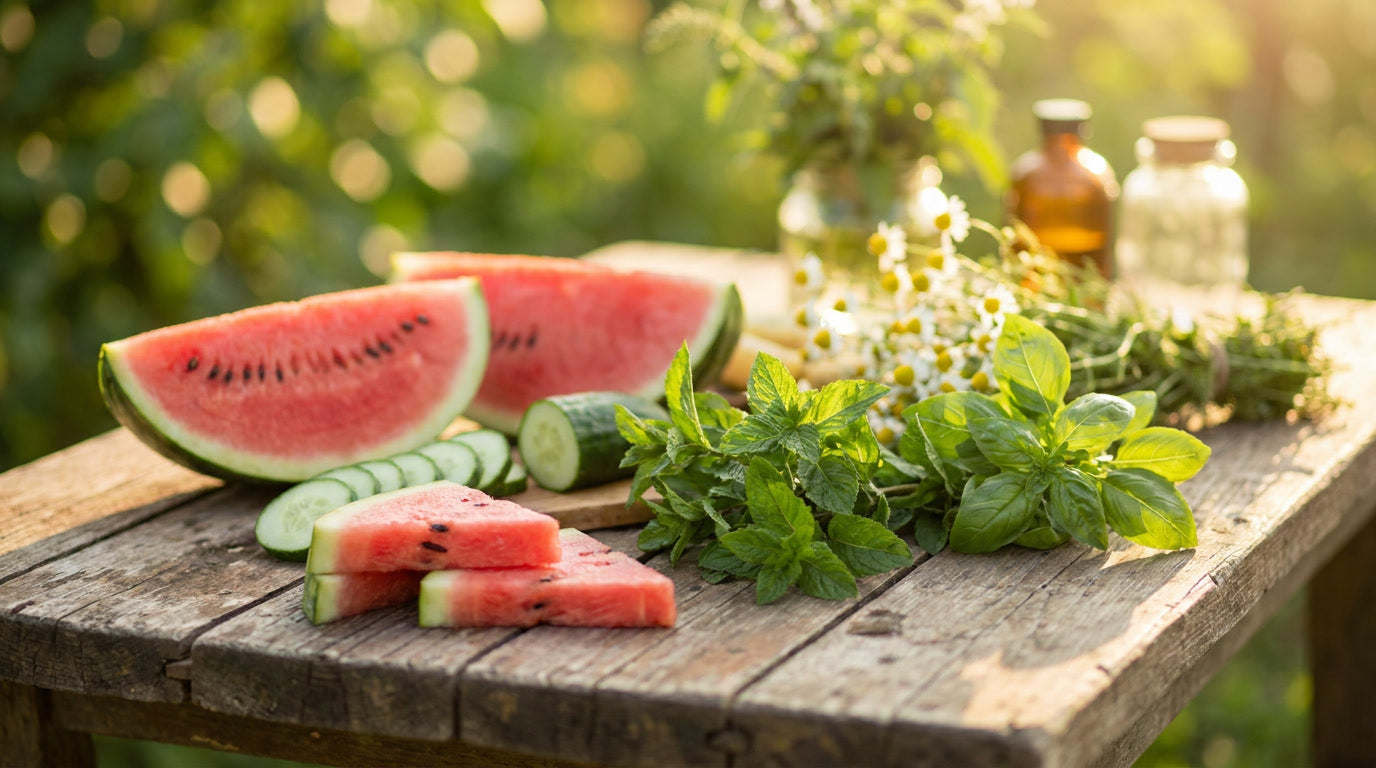
Wenn die Sommerhitze auf den Körper drückt und das Gefühl der Schwere sich breitmacht, griff man in der Klostermedizin des Mittelalters zu dem, was die Natur zur richtigen Jahreszeit bereithält: wasserreiche, kühle Früchte und Gemüse, die seit Jahrhunderten als wohltuend für Leib und Geist gelten. Gurke und Wassermelone sind zwei dieser sommertypischen Geschenke – unscheinbar im Alltag, aber reich an Geschichte, Tradition und kulinarischem Potenzial. Nach den Prinzipien Hildegard von Bingens, der großen Heilkundigen des 12. Jahrhunderts, ist die richtige Ernährung zur richtigen Jahreszeit ein zentrales Element eines bewussten Lebensstils. Wer die Sommerküche nach diesen überlieferten Grundsätzen gestaltet, fügt seinem Alltag nicht nur Leichtigkeit und Frische hinzu – er knüpft an eine jahrhundertealte Tradition des achtsamen Umgangs mit Nahrung und Natur an.
Hildegards Blick auf die Sommerernährung: Kühle und Leichtigkeit als Prinzip
Hildegard von Bingen (1098–1179), Benediktinerin, Mystikerin und eine der bedeutendsten Naturheilkundlerinnen des Mittelalters, hinterließ uns in ihren Werken Physica und Causae et Curae ein umfassendes Bild davon, wie der Mensch im Einklang mit den Jahreszeiten leben sollte. Ihr Denken war geprägt vom Konzept der Viriditas – der grünen Lebenskraft –, die sie in Pflanzen, Kräutern und Nahrungsmitteln als Ausdruck göttlicher Schöpfungsordnung betrachtete. Für sie war die Ernährung kein rein mechanischer Vorgang, sondern ein bewusstes Ritual, das den Menschen in Harmonie mit der Natur bringen sollte. Hildegard von Bingen Produkte
Im Sommer, so die überlieferte Lehre, braucht der Körper Nahrung, die seiner inneren Hitze entgegenwirkt und das sogenannte Gleichgewicht der Säfte – die Humoralpathologie – bewahrt. Leichte, wasserreiche Speisen galten als Mittel der Wahl, um der sommerlichen Überhitzung entgegenzuwirken. Schwere, fette oder stark gewürzte Kost wurde hingegen als Belastung angesehen, die dem Körper im Hochsommer mehr schade als nütze. Diese Sichtweise deckt sich verblüffend gut mit dem, was uns die moderne Ernährungswissenschaft über Hydratation und Wärmeregulation erzählt – auch wenn Hildegard selbst natürlich ganz andere Begriffe dafür hatte.
Die Sommerküche nach Hildegard-Prinzipien bedeutet also: Hinzufügen statt Weglassen. Es geht nicht um Verzicht, sondern darum, saisonal Passendes in den Speiseplan zu integrieren. Frische Kräuter, leichte Suppen, gedünstetes Gemüse und eben Früchte wie Gurke und Wassermelone spielen in diesem Konzept eine zentrale Rolle. Das Wissen darum, welche Nahrungsmittel dem Körper in welcher Jahreszeit gut tun, ist Teil der klösterlichen Überlieferung, die in der Naturheilkunde bis heute lebendig geblieben ist.
Die Sommerernährung nach Hildegard von Bingen basiert auf dem Grundsatz, dass wasserreiche, leichte Speisen das Wohlbefinden in der Hitze auf natürliche Weise unterstützen können – ein Prinzip, das seit Jahrhunderten in der Klostermedizin überliefert ist.
Die Gurke: Unterschätztes Gemüse mit langer Heilkunde-Geschichte
Die Gurke (Cucumis sativus) gehört zu den ältesten Kulturpflanzen der Menschheit. Bereits vor über 3.000 Jahren wurde sie in Indien kultiviert, und über die Handelsrouten des Altertums fand sie ihren Weg in die mediterrane Welt und schließlich in die mittelalterlichen Klostergärten Europas. In der Klostermedizin war die Gurke als kühlendes, wasserreiches Gemüse bekannt und wurde traditionell mit Leichtigkeit und Erfrischung assoziiert. Hildegard von Bingen erwähnt in der Physica die Gurke zwar mit einer gewissen Zurückhaltung – sie galt ihr als schwer verdaulich –, doch die Volksmedizin schätzte sie gleichwohl für ihre erfrischenden Eigenschaften. BitterKraft Original
Hildegard von Bingen schrieb über die Gurke: „Die Gurke ist kalt und hat keine Wärme in sich, und sie ist dem kranken wie dem gesunden Menschen wenig nützlich." Dies zeigt, dass in der mittelalterlichen Heilkunde nicht jedes Nahrungsmittel als universell günstig galt – der Kontext, die Zubereitung und die individuelle Konstitution spielten stets eine Rolle.
Hildegards skeptische Haltung gegenüber der rohen Gurke ist historisch interessant, denn sie steht im Widerspruch zur weit verbreiteten Volksüberlieferung, die das Gemüse als ausgesprochen bekömmlich einstuft. Der Schlüssel liegt möglicherweise in der Zubereitung: Während die rohe Gurke nach mittelalterlichem Verständnis als „zu kalt" galt, wurde sie eingelegt, mit wärmenden Kräutern kombiniert oder in Suppen verarbeitet, um ihr Temperament – im humoralpathologischen Sinn – zu „korrigieren". Diese Praxis, Zutaten durch Kombination und Zubereitung in ihrer Wirkung zu modulieren, ist typisch für die Hildegard-Küche.
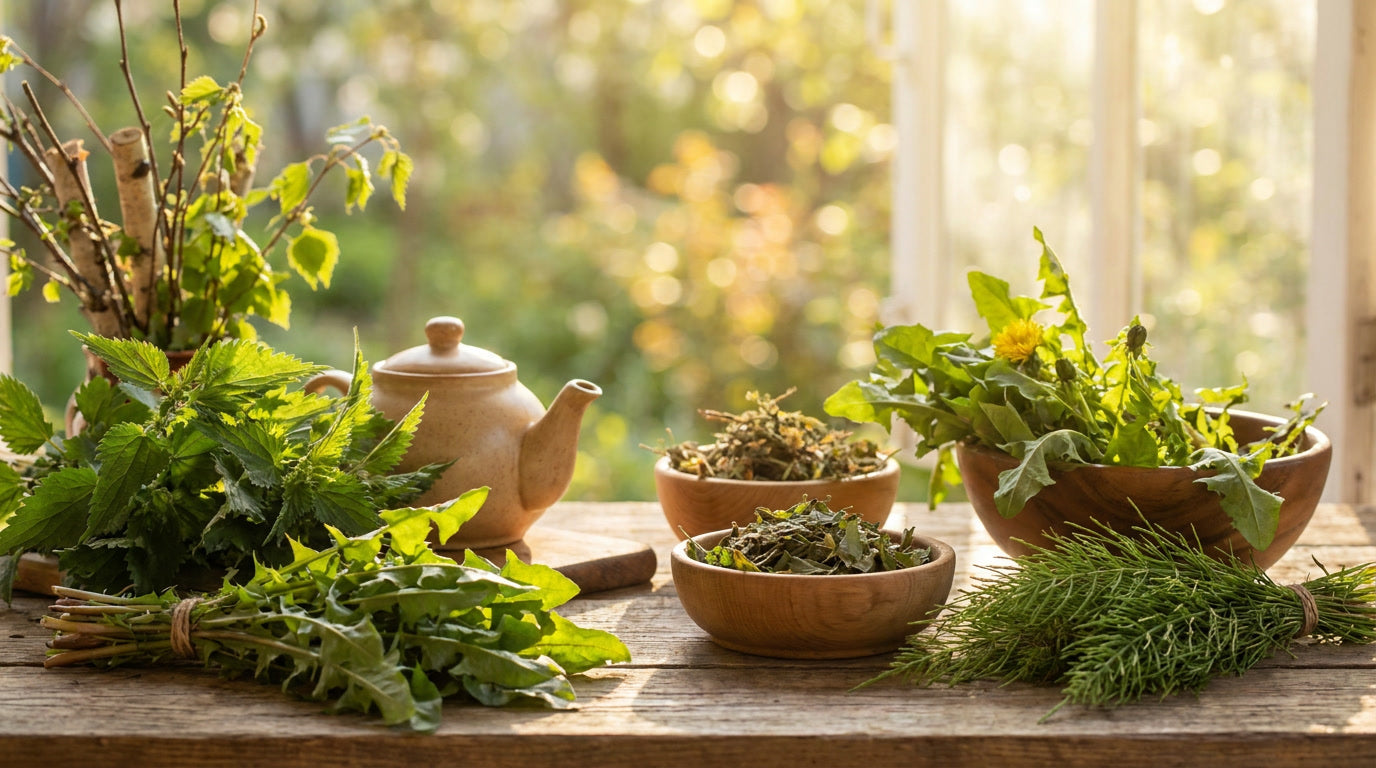
Heute wird die Gurke vor allem wegen ihres außerordentlich hohen Wassergehalts von rund 96 Prozent geschätzt. In der traditionellen Naturheilkunde gilt sie als klassisches entwässerndes Gemüse, das seit Generationen in der Sommerküche einen festen Platz hat. Besonders interessant ist die Kombination mit entwässernden Kräutern wie Brennnessel oder Löwenzahn, die in der Klostermedizin ebenfalls fest verankert sind. Eine leichte Gurkensuppe mit frischen Kräutern ist ein klassisches Beispiel für die Philosophie der Hildegard-Küche: einfach, saisonal, wohltuend.
Was steckt in der Gurke?
Die Gurke besteht zu etwa 96 % aus Wasser und ist damit eines der wasserreichsten Lebensmittel überhaupt. Daneben enthält sie unter anderem Kalium, Magnesium sowie geringe Mengen an Vitamin C und K. Gurken enthalten zudem Cucurbitacine – sekundäre Pflanzenstoffe, die der Pflanze ihren leicht bitteren Geschmack verleihen und seit Jahrhunderten in der Naturheilkunde Beachtung finden. Die Schale ist besonders reich an diesen Verbindungen und sollte bei Bio-Gurken mitgegessen werden.
Traditionelle Kräuter als Begleiter der Gurke:
- Brennnessel (Urtica dioica): In der Klostermedizin seit Jahrhunderten traditionell verwendet und historisch bekannt als Begleiterin der Frühjahrs- und Sommerküche – besonders in Tees und leichten Suppen geschätzt.
- Löwenzahn (Taraxacum officinale): Wird seit Generationen traditionell in der Naturheilkunde verwendet und ist in der Klostermedizin als vielseitige Heilpflanze überliefert – Blätter und Wurzeln finden in der Sommerküche Verwendung.
- Dill (Anethum graveolens): Historisch bekannt als typisches Gurkenkraut, das in der Volksüberlieferung die Bekömmlichkeit des Gemüses verbessern soll – ein klassisches Beispiel für die Kräuterkombinationen der Klosterküche.
- Minze (Mentha spec.): Seit Jahrhunderten traditionell als Kühlungsmittel in der Sommerküche verwendet, schätzte man Minze auch in mittelalterlichen Klostergärten als erfrischende Ergänzung zu leichten Speisen.
Wassermelone: Sommerliche Fülle aus der Natur der heißen Länder
Die Wassermelone (Citrullus lanatus) hat ihre Wurzeln in den trockenen Regionen Afrikas und wurde bereits im alten Ägypten kultiviert – Darstellungen in Grabmalereien belegen ihre Verwendung vor mehr als 4.000 Jahren. In Europa fand sie über arabische Handelsrouten ihren Weg und war spätestens im Hochmittelalter in südeuropäischen Ländern bekannt. In den Klostergärten des nördlicheren Europas war sie weniger verbreitet als Gurke oder einheimisches Kürbisgewächs, doch in der Naturheilkunde der mediterranen Welt galt sie stets als Inbegriff der sommerlichen Erfrischung und Leichtigkeit.
Wassermelonen bestehen zu über 90 % aus Wasser und gelten in der traditionellen Naturheilkunde mediterraner Kulturen seit Jahrhunderten als klassisches Sommernahrungsmittel, das mit Erfrischung und Leichtigkeit assoziiert wird.
Im Kontext der Hildegard-Prinzipien ist die Wassermelone ein besonders interessantes Nahrungsmittel, weil sie exemplarisch für das Konzept steht, was die Natur zur richtigen Zeit und am richtigen Ort bereitstellt. Was in heißen Ländern wächst, kühlend und wasserreich ist, passt – so die überlieferte Logik – zur Hitze des Sommers. Auch wenn Hildegard selbst die Wassermelone nicht explizit beschreibt, lassen sich ihre allgemeinen Prinzipien zur Sommerernährung ohne Weiteres auf diese Frucht übertragen. Zeitgenössische Hildegard-Medizinerinnen und -Mediziner, die ihre Arbeit auf dem überlieferten Gedankengut aufbauen, integrieren die Wassermelone gerne in die saisonale Naturkost des Sommers. Fasten-Produkte
Ein besonderer Aspekt der Wassermelone ist ihre Vielseitigkeit in der Küche: Das rote Fruchtfleisch, die weißen Schalen und sogar die Kerne wurden in verschiedenen Kulturen unterschiedlich verwendet. In der orientalischen Naturheilkunde galten die Kerne als besonders wertvoll und wurden getrocknet und als Tee aufgebrüht. Die weißen Schalenteile finden sich in der traditionellen Küche eingelegt oder als Zutat in leichten Sommergerichten. Diese Tradition der ganzheitlichen Nutzung einer Pflanze – von der Schale bis zum Kern – ist typisch für die achtsame Philosophie der Klostermedizin, die Nahrungsmittel als Ganzes betrachtete.
Was steckt in der Wassermelone?
Wassermelonen bestehen zu über 90 % aus Wasser und liefern dabei Kalium, Magnesium sowie die Vitamine A und C. Besonders erwähnenswert ist der Gehalt an Lycopin – einem roten Pflanzenfarbstoff aus der Gruppe der Carotinoide –, der der Frucht ihre charakteristische Farbe verleiht. Zudem enthält Wassermelone die Aminosäure Citrullin, die nach ihr benannt wurde und in der Naturheilkunde seit Generationen Beachtung findet. Die Kerne enthalten wertvolle Fettsäuren und Mineralstoffe.
In der traditionellen Medizin Nordafrikas und des Nahen Ostens wurde Wassermelone über Jahrhunderte als Sommernahrung hochgeschätzt. Arabische Ärzte des Mittelalters, darunter Ibn Sina (Avicenna), beschrieben wasserreiche Früchte als wichtigen Bestandteil der Sommerdiätetik – ein Wissen, das über arabische Übersetzungen auch in die europäische Klostermedizin einfloss.
Rezepte und Rituale: Hildegard-inspirierte Sommerküche für den Alltag
Das Schöne an der Sommerküche nach Hildegard-Prinzipien ist ihre Einfachheit. Es braucht keine komplizierten Zubereitungen, keine exotischen Zutaten und kein professionelles Kochequipment – nur die Bereitschaft, saisonal und bewusst zu kochen. Die Grundregel lautet, wie oben bereits erwähnt: Hinzufügen statt Weglassen. Wer im Sommer täglich eine Portion Gurke oder Wassermelone in seinen Speiseplan integriert, folgt damit einer Tradition, die sich über Jahrhunderte bewährt hat. Hildegard von Bingen Produkte
Ein klassisches Beispiel für hildegard-inspirierte Sommerküche ist die kalte Gurkensuppe mit Kräutern: Gurken werden püriert, mit frischer Minze, Dill, einem Spritzer Zitronensaft und einer Prise Meersalz gewürzt. Als Basis kann Buttermilch oder ein leichtes pflanzliches Joghurt dienen. Diese Suppe wird kalt serviert und ist ein perfektes Beispiel für das Konzept der kühlen Sommernahrung. Die Kombination von Gurke und Minze spiegelt das Prinzip wider, ein Grundnahrungsmittel durch Kräuter in seiner überlieferten Wirkung zu unterstützen und zu verfeinern – ganz im Sinne der mittelalterlichen Kräuterkunde.
Für die Wassermelone bietet sich ein Sommersalat mit frischer Minze, Feta und einem Hauch Chili an. Die Kombination des kühlen, süßen Fruchtfleisches mit dem salzigen Käse und der wärmenden Schärfe des Chili ist übrigens kein moderner Food-Trend, sondern hat tiefe Wurzeln in der mediterranen Volksküche. Nach hildegardischem Verständnis ist die Kombination von kühlenden und wärmenden Elementen in einer Mahlzeit sinnvoll, um das Gleichgewicht zu wahren. Wärmende Gewürze wie Ingwer, Pfeffer oder eben Chili galten in der Klostermedizin als wertvoll, um „zu kalte" Speisen zu temperieren.
Die Kombination von Gurke oder Wassermelone mit wärmenden Kräutern wie Dill, Minze oder Ingwer ist ein klassisches Beispiel für die hildegardische Kochphilosophie: Gegensätze ergänzen sich und schaffen Gleichgewicht – nicht nur auf dem Teller, sondern auch im Körper.
Besonders empfehlenswert ist auch die Integration von Kräutertees in die sommerliche Routin. Ein traditioneller Brennnessel-Löwenzahn-Tee, kalt aufgebrüht und über Nacht im Kühlschrank ziehen gelassen, kann als wohltuendes Sommergetränk dienen und ergänzt die entwässernden Eigenschaften der sommerlichen Küche ideal. Darm- und Verdauungsprodukte Diese Tees wurden in Klöstern nicht nur als Getränk, sondern als bewusst gewählter Bestandteil der saisonalen Ernährung verstanden – eine Praxis, die auch heute noch leicht in den Alltag zu integrieren ist.
Hildegard-inspirierte Sommerkräuter für die Küche:
- Fenchel (Foeniculum vulgare): Von Hildegard von Bingen ausgesprochen hoch geschätzt und in der Physica lobend erwähnt – gilt in der Klostermedizin als eines der vielseitigsten Kräuter und passt hervorragend zu leichten Sommergerichten.
- Petersilie (Petroselinum crispum): Historisch bekannt als Klosterkraut, das in mittelalterlichen Gärten nicht fehlen durfte – traditionell in der Sommerküche als frische Kräuterzutat für Salate und kalte Suppen verwendet.
- Zitronenmelisse (Melissa officinalis): Seit Jahrhunderten traditionell in Klostergärten kultiviert, gilt Zitronenmelisse als erfrischendes Sommerkraut, das in Tees und Speisen gleichermaßen Verwendung fand.
- Liebstöckel (Levisticum officinale): In der Hildegard-Medizin als „Maggikraut" bekannt und für seine würzige, herzhafte Note geschätzt – ein überliefertes Klosterkraut, das leichten Sommersuppen Tiefe verleiht.
Alltagsrituale: Bewusstes Essen als Sommerpraxis nach Hildegard
Hildegard von Bingen war nicht nur Heilkundige, sondern auch eine Frau mit tiefem Sinn für Rituale und Achtsamkeit. Für sie war das Essen kein bloßes Stillen von Hunger, sondern ein bewusster Akt der Selbstfürsorge und Dankbarkeit. Diese Haltung lässt sich wunderbar in die moderne Sommerküche übertragen: Wer sich Zeit nimmt, sein Essen zuzubereiten, frische Kräuter bewusst auswählt und beim Genuss einer kühlen Gurkensuppe oder eines Wassermelonensalats inne hält, praktiziert auf seine Weise das, was Hildegard unter dem achtsamen Umgang mit Nahrung verstand. Immunsystem-Produkte
Ein einfaches Alltagsritual im Hildegard-Geist könnte so aussehen: Jeden Morgen ein großes Glas Wasser mit einer Scheibe Gurke und einem Zweig frischer Minze – ein erfrischendes Getränk, das den Tag mit Leichtigkeit beginnt. Mittags eine Portion saisonales Gemüse, ergänzt durch frische Kräuter aus dem eigenen Garten oder dem Wochenmarkt. Abends ein leichter Salat mit Wassermelone, Feta und Olivenöl, dazu ein Glas Kräutertee. So einfach diese Zusammenstellung klingt, so bewusst und intentional ist sie im Sinne der hildegardischen Diätetik.
Die Klostermedizin lehrte auch, dass Nahrung im richtigen Rahmen genossen werden sollte: langsam, dankbar, in Gesellschaft oder in stiller Einkehr. Schnelles Essen, Stress bei Tisch und übermäßige Portionen galten als ebenso schädlich wie falsche Nahrungsmittelwahl. Auch dieser Aspekt der Hildegard-Philosophie hat überraschende Relevanz für die heutige Zeit: Wer seinen Sommermahlzeiten Aufmerksamkeit schenkt, wer Gurke und Wassermelone nicht nebenbei konsumiert, sondern bewusst genießt, praktiziert eine Art moderner Klosterdiätetik – ganz ohne Mönchskutte und Glockengeläut. Schlaf- und Entspannungsprodukte
„Maßvolles Essen, das dem Menschen Wohlbehagen verschafft, ist besser als übermäßiges Essen, das den Menschen beschwert." – Sinngemäß nach Hildegard von Bingen, Causae et Curae, 12. Jahrhundert. Dieses Grundprinzip der mittelalterlichen Diätetik klingt verblüffend modern und ist bis heute ein Leitgedanke der traditionellen Naturheilkunde.
Wer tiefer in die Welt der Hildegard-Medizin eintauchen möchte, findet in der modernen Naturheilkunde eine Fülle von Ansätzen, die auf diesem überlieferten Wissen aufbauen. Von Kräuterpräparaten über Fastenkuren bis hin zu speziellen Ernährungsprogrammen: Das Erbe Hildegards lebt in vielfältiger Form weiter und bietet gerade in der hektischen Gegenwart einen wertvollen Anker für ein bewussteres, naturnahes Leben. alle Bitterkraft Produkte

Hinterlasse einen Kommentar
Diese Website ist durch hCaptcha geschützt und es gelten die allgemeinen Geschäftsbedingungen und Datenschutzbestimmungen von hCaptcha.