

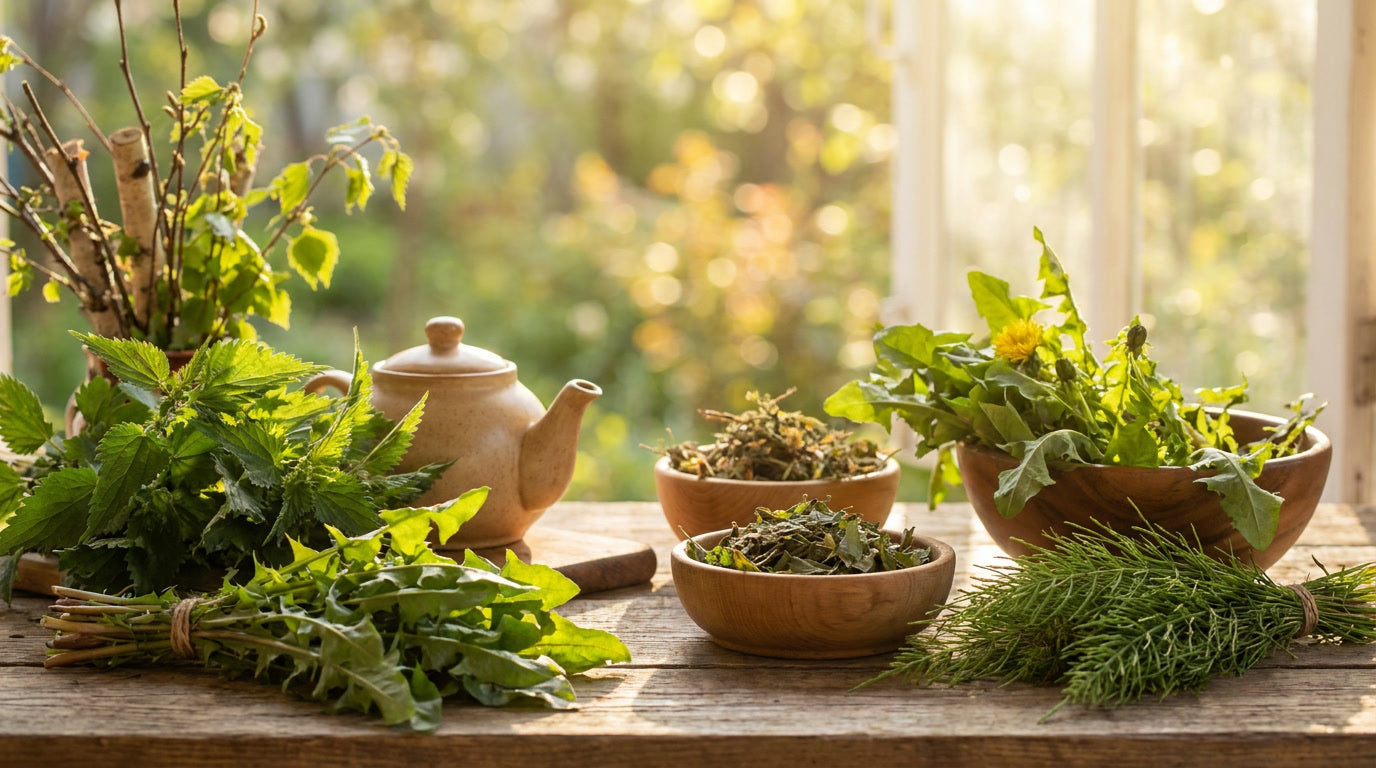
Wer kennt es nicht: die Beine fühlen sich schwer an, die Knöchel spannen leicht, und das morgendliche Aufwachen bringt ein Gefühl von innerer Schwere mit. In solchen Momenten greifen viele Menschen reflexartig zu chemischen Entwässerungsmitteln aus der Apotheke – dabei hat die Natur seit Jahrtausenden ein reiches Arsenal an Pflanzen bereitgestellt, die in der traditionellen Heilkunde für genau solche Situationen geschätzt werden. Die Kräutermedizin, insbesondere das überlieferte Wissen der Klostermedizin nach Hildegard von Bingen, kennt zahlreiche Pflanzen, die das allgemeine Wohlbefinden unterstützen und traditionell mit einem ausgewogenen Wasserhaushalt in Verbindung gebracht werden. Dieser Artikel nimmt die bekanntesten pflanzlichen Alternativen unter die Lupe und beleuchtet, was hinter dem jahrhundertealten Erfahrungswissen steckt.
Wenn der Körper Wasser hält: Was steckt dahinter?
Das Gefühl von Wasseransammlungen im Gewebe ist für viele Menschen ein alltägliches Phänomen – besonders in den Sommermonaten, bei langem Sitzen oder Stehen sowie in bestimmten Lebensphasen. Der Körper reguliert seinen Flüssigkeitshaushalt über ein komplexes Zusammenspiel verschiedener Organe und Systeme, und manchmal gerät diese empfindliche Balance ins Schwanken. Das spürbare Ergebnis: ein Gefühl von Schwere, Fülle und Unwohlsein, das viele als lästig empfinden.
Aus naturheilkundlicher Sicht betrachtet die traditionelle Kräutermedizin dieses Phänomen ganzheitlich. Nicht einzelne Symptome, sondern das Zusammenspiel von Lebensweise, Ernährung und innerer Konstitution stehen im Mittelpunkt. Hildegard von Bingen, die mittelalterliche Äbtissin und Universalgelehrte, beschrieb in ihren Schriften bereits die Bedeutung von Kräutern für ein harmonisches inneres Gleichgewicht – und legte damit einen Grundstein für eine Betrachtungsweise, die bis heute in der Naturheilkunde lebendig ist. Hildegard von Bingen Produkte
Bevor man jedoch zu irgendwelchen Mitteln greift, ist es wichtig zu verstehen: Hält der Körper dauerhaft Wasser zurück oder treten starke Schwellungen auf, sollte unbedingt ärztlicher Rat gesucht werden. Kräutertraditionen sind keine medizinische Behandlung, sondern eine jahrtausendealte Form der allgemeinen Wohlbefindenspflege, die sinnvoll in einen achtsamen Lebensstil integriert werden kann. In diesem Geiste möchten wir die wichtigsten Pflanzenschätze vorstellen, die die Naturheilkunde in diesem Zusammenhang kennt.
Die traditionelle Kräutermedizin kennt eine Vielzahl von Pflanzen, die seit Jahrhunderten mit einem ausgeglichenen Wasserhaushalt und allgemeinem Wohlbefinden in Verbindung gebracht werden – lange bevor es die moderne Pharmakologie gab.
Die großen Klassiker: Traditionsreiche Kräuter im Überblick
Die Naturheilkunde hat über Jahrhunderte einen reichen Schatz an Pflanzen zusammengetragen, die traditionell im Zusammenhang mit dem Wasserhaushalt des Körpers verwendet wurden. Diese Pflanzen sind keine Neuerfindungen der modernen Wellness-Industrie, sondern Teil eines gelebten Wissens, das von Generation zu Generation weitergegeben wurde – in Klostergärten, Kräuterküchen und Heilkräuterbüchern. BitterKraft Original
Besonders bemerkenswert ist, dass viele dieser Pflanzen nicht nur im europäischen Kulturkreis bekannt sind, sondern weltweit in verschiedenen Heiltraditionen auftauchen. Das spricht für eine tiefe, kulturübergreifende Erfahrung mit diesen Gewächsen. Gleichzeitig mahnt es zur Demut: Traditionelles Wissen ist wertvoll, ersetzt aber keine moderne medizinische Diagnose bei ernsthaften Beschwerden.
Im Folgenden stellen wir die bekanntesten pflanzlichen Schätze vor, die in der Naturheilkunde traditionell mit dem Thema Entwässerung und Wohlbefinden assoziiert werden. Sie alle teilen ein gemeinsames Merkmal: Sie sind seit Jahrhunderten Teil der europäischen Heilpflanzentradition und werden heute noch in vielen naturheilkundlich orientierten Haushalten geschätzt.
Diese Heilkräuter werden traditionell für den Wasserhaushalt geschätzt:
- Brennnessel (Urtica dioica): Kaum eine Pflanze ist in der deutschen Kräutertradition so tief verwurzelt wie die Brennnessel. Sie wird seit Jahrhunderten traditionell verwendet und gilt in der Volksmedizin als klassisches Frühjahrskraut für Reinigung und Wohlbefinden.
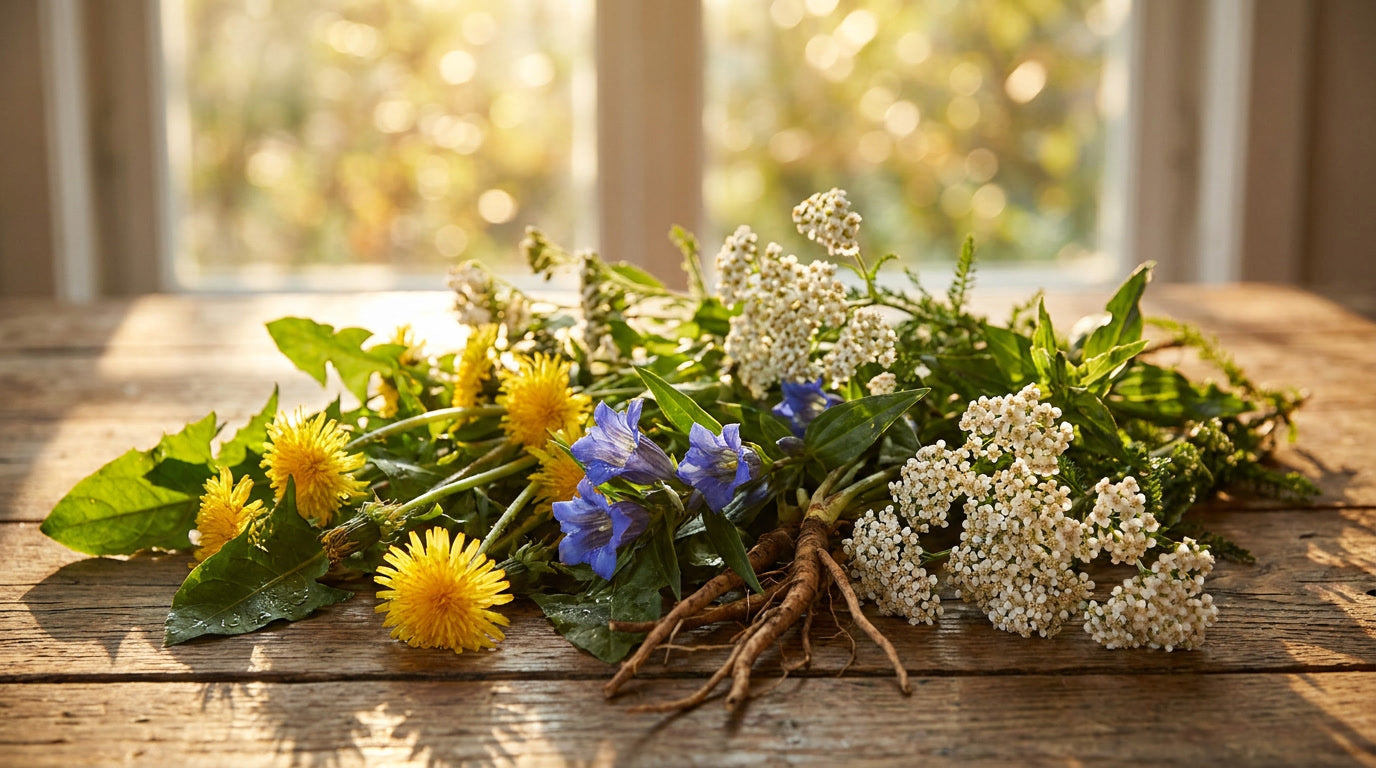
- Löwenzahn (Taraxacum officinale): Der unscheinbare Löwenzahn ist historisch bekannt als eine der vielseitigsten Heilpflanzen Mitteleuropas. Sowohl Blätter als auch Wurzeln werden in der Naturheilkunde traditionell geschätzt und waren einst fester Bestandteil von Kräuterkuren im Frühjahr.
- Birkenblätter (Betula pendula): Die Birke gilt in der nordeuropäischen Kräutertradition als „Baum des Lebens". Ihre Blätter werden seit Jahrhunderten in Kräutertees verwendet und sind historisch mit dem Thema Wohlbefinden und innerer Leichtigkeit verbunden.
- Schachtelhalm (Equisetum arvense): Als eine der ältesten Pflanzenarten der Erde hat der Schachtelhalm eine lange Geschichte in der europäischen Volksmedizin. Er wird traditionell in der Kräuterküche eingesetzt und ist historisch bekannt als Pflanze mit besonderer mineralischer Zusammensetzung.
- Goldrute (Solidago virgaurea): In der Klostermedizin des Mittelalters war die Goldrute ein geschätztes Kraut, das in vielen historischen Kräuterbüchern erwähnt wird. Hildegard von Bingen und andere Kräuterkundige haben sie als wertvolle Pflanze für das allgemeine Wohlbefinden beschrieben.
„Die Brennnessel ist ein außerordentlich nützliches Kraut, das der Mensch im Frühling zu sich nehmen soll, um sich von den winterlichen Speisen zu befreien." – Sinngemäß überliefert aus dem mittelalterlichen Kräuterwissen der Klostermedizin.
Was diese Pflanzen eint, ist ihre lange Tradition als Teil einer ganzheitlichen Lebensweise. Sie werden nicht als isolierte „Mittel gegen" betrachtet, sondern als wertvolle Ergänzung einer bewussten, naturnahen Ernährungs- und Lebensweise. Fasten-Produkte
Hildegards Kräuterwissen: Uralte Weisheit für moderne Zeiten
Hildegard von Bingen (1098–1179) gilt als eine der bedeutendsten Persönlichkeiten der mittelalterlichen Heilkunde. Die Äbtissin, Mystikerin und Kräuterkundige hinterließ mit ihren Werken „Physica" und „Causae et Curae" ein umfassendes Kompendium des Pflanzenwissens ihrer Zeit – ein Schatz, der bis heute von Naturheilkunde-Begeisterten studiert und weiterentwickelt wird. Was Hildegard auszeichnete, war ihr holistischer Blick: Für sie waren Körper, Geist und Seele untrennbar miteinander verbunden, und Kräuter waren Teil einer göttlichen Ordnung, die dem Menschen zur Verfügung gestellt wurde. Hildegard von Bingen Produkte
Für den Bereich des Wasserhaushalts und der inneren Reinigung kannte Hildegard mehrere Pflanzen, die sie in ihren Schriften erwähnte. Besonders interessant ist ihr Konzept der „Viriditas" – der grünen Lebenskraft –, mit der sie die heilende Energie der Natur beschrieb. Kräuter waren für sie Träger dieser Viriditas und sollten dem Menschen helfen, sein inneres Gleichgewicht wiederzufinden. Dieses Verständnis steht in bemerkenswertem Einklang mit modernen ganzheitlichen Ansätzen, die den Menschen nicht als Summe seiner Symptome, sondern als lebendiges System begreifen.
Was steckt hinter Hildegards Kräuterkonzept?
Hildegard von Bingen ordnete jeder Pflanze bestimmte Eigenschaften zu – sie sprach von „warmen" und „kalten" Kräutern, von „feuchten" und „trockenen" Qualitäten. Diese Systematik, die an die antike Humoralpathologie angelehnt war, ermöglichte es ihr, Kräuter individuell auf die Konstitution des Menschen abzustimmen. Für das Thema Wasserhaushalt und Leichtigkeit empfahl sie vor allem Pflanzen mit „erwärmenden" Eigenschaften, die sie als geeignet betrachtete, überschüssige Feuchtigkeit im Körper in Harmonie zu bringen. Diese Weisheit mag aus heutiger wissenschaftlicher Sicht mythologisch klingen – sie spiegelt jedoch eine tiefe Beobachtungsgabe wider, die über Jahrhunderte praktisch erprobt wurde.
Das Schöne an Hildegards Ansatz ist seine Zugänglichkeit: Ihre Empfehlungen basieren auf Pflanzen, die in Mitteleuropa heimisch und leicht verfügbar sind. Kräutertees, Kräuterweine und einfache Zubereitungen stehen im Mittelpunkt – kein exotisches Superfood, sondern die Kraft des Vertrauten. Genau diese Bodenständigkeit macht ihr Wissen für heutige Naturheilkunde-Interessierte so attraktiv. Es erinnert uns daran, dass die Natur vor der Haustür oft die wertvollsten Schätze bereithält.
Hildegard von Bingen beschrieb bereits im 12. Jahrhundert detailliert die Eigenschaften heimischer Heilpflanzen – ihr ganzheitlicher Ansatz, der Körper und Seele als Einheit begreift, erlebt heute eine bemerkenswerte Renaissance in der modernen Naturheilkunde.
Kräutertees und Zubereitungen: So wird das Pflanzenwissen lebendig
Das Wissen um heilsame Kräuter ist nur dann wertvoll, wenn es auch gelebt wird – und die einfachste, zugänglichste Form der Kräuteranwendung ist der klassische Kräutertee. Eine bewusste Teeroutine ist weit mehr als nur das Trinken einer heißen Flüssigkeit: Sie schafft Raum für Achtsamkeit, für ein kurzes Innehalten im Alltag, und sie verbindet uns mit einer langen kulturellen Tradition. Klöster pflegten stets das Ritual der Kräuterküche – ein Ritual, das wir leicht in unser modernes Leben integrieren können. Darm- und Verdauungsprodukte
Für eine traditionelle Kräutertee-Kur empfehlen sich klassische Kombinationen: Brennnessel und Löwenzahn gemeinsam als Frühjahrs-Tee, Birkenblätter mit einer Prise Schachtelhalm als sommerliche Erfrischung, oder eine Goldruten-Mischung für die Übergangszeiten. Wichtig ist dabei stets: ausreichend trinken, am besten mindestens zwei Liter Wasser täglich, um dem Körper bei seiner natürlichen Arbeit zur Seite zu stehen. Die Kräuter ergänzen eine gute Trinkgewohnheit – sie ersetzen sie nicht.
Tipps für die richtige Zubereitung von Kräutertees:
• Frisches oder getrocknetes Kraut? Beide Formen haben ihre Berechtigung. Frische Kräuter enthalten oft mehr flüchtige Aromastoffe, getrocknete Kräuter aus kontrolliertem Anbau haben den Vorteil gleichmäßiger Qualität.
• Ziehzeit beachten: Blätter und Blüten werden in der Regel 5–10 Minuten ziehen gelassen, Wurzeln und härtere Pflanzenteile werden oft als Abkochung (Dekokt) 15–20 Minuten sanft geköchelt.
• Qualität wählen: Achte auf Bio-Zertifizierung und möglichst regionalen Anbau. Viele Kräuter können auch selbst gesammelt werden – dabei ist jedoch botanische Sicherheit unabdingbar.
• Ritualcharakter pflegen: Bereite deinen Tee bewusst zu, atme den Duft ein, und trinke ihn in Ruhe. Das Ritual selbst trägt zum Wohlbefinden bei.
Neben dem klassischen Tee gibt es weitere traditionsreiche Zubereitungsformen: Kräuterwasser (Kräuter über Nacht in kaltem Wasser ziehen lassen), Kräutertinkturen aus alkoholischen Auszügen, oder die in der Hildegard-Medizin bekannten Kräuterweine. Letztere wurden im Mittelalter häufig als Medizin eingesetzt und sind heute noch Teil der Hildegard-Tradition. Für einen niedrigschwelligen Einstieg ist der einfache Kräutertee jedoch ideal – er lässt sich mühelos in den Alltag integrieren und verbindet Genuss mit Tradition. alle Bitterkraft Produkte
Ein tägliches Kräutertee-Ritual – bewusst zubereitet und in Ruhe genossen – ist eine der einfachsten Möglichkeiten, das jahrhundertealte Pflanzenwissen in den modernen Alltag zu integrieren und das allgemeine Wohlbefinden zu unterstützen.
Ganzheitlich denken: Kräuter als Teil einer bewussten Lebensweise
Pflanzliche Traditionen entfalten ihre volle Wirkung im Kontext einer ganzheitlichen Lebensweise – das ist eine der zentralen Botschaften der Naturheilkunde und auch der Hildegard-Medizin. Kräuter allein, losgelöst von Ernährung, Bewegung und Stressmanagement, können nur ein Baustein sein. Der echte Mehrwert entsteht, wenn verschiedene Lebensstilelemente zusammenspielen: ausreichend Bewegung, die die natürliche Aktivität des Körpers fördert; salzarme, pflanzenreiche Ernährung, die eine ausgewogene Flüssigkeitsbalance begünstigt; und regelmäßige Entspannungsphasen, die das Nervensystem in Balance halten. Leber-Produkte von Bitterkraft
Bewegung spielt dabei eine besonders wichtige Rolle: Regelmäßiges Gehen, Schwimmen oder sanftes Yoga kann dazu beitragen, dass sich die Beine leichter anfühlen und das allgemeine Wohlbefinden steigt. Die klassische Klostermedizin kannte diesen Zusammenhang sehr wohl – Hildegard betonte stets die Bedeutung von Mäßigung, Rhythmus und körperlicher Aktivität als Teil eines gesunden Lebens. Der tägliche Spaziergang war im klösterlichen Alltag ebenso verankert wie das gemeinsame Gebet.
Auch die Ernährung spielt eine zentrale Rolle: Eine Kost, die reich an Kalium-haltigen Lebensmitteln ist – Bananen, Avocados, Kartoffeln, Hülsenfrüchte – wird in der Ernährungsmedizin traditionell mit einem ausgeglichenen Mineralstoffhaushalt assoziiert, der wiederum für die Flüssigkeitsregulation des Körpers von Bedeutung ist. Wer gleichzeitig den Salzkonsum im Blick behält und verarbeitete Lebensmittel reduziert, schafft eine gute Grundlage – zu der die Kräutertradition dann als wertvolle Ergänzung hinzukommt. Immunsystem-Produkte
„Omnia in mensura et numero et pondere disposuisti" – „Alles hast du nach Maß, Zahl und Gewicht geordnet." Dieses Bibelzitat, das Hildegard von Bingen in ihren Schriften aufgriff, spiegelt ihre Überzeugung wider, dass Gesundheit im harmonischen Gleichgewicht liegt – und nicht im Übermaß eines einzelnen Mittels.
Ein weiterer, oft unterschätzter Faktor ist die Schlafqualität. Nächtliche Regeneration ist für den gesamten Stoffwechsel des Körpers von grundlegender Bedeutung – wer schlecht schläft, belastet auch den Wasser- und Mineralstoffhaushalt. Wer seine pflanzliche Kräuterroutine also mit guter Schlafhygiene verbindet, tut seinem Körper doppelt Gutes. Schlaf- und Entspannungsprodukte In der Hildegard-Medizin war der Schlaf übrigens ausdrücklich als heilende Zeit anerkannt – eine Weisheit, die die moderne Schlafforschung auf ihre eigene Weise bestätigt.
Qualität, Auswahl und worauf es beim Kauf ankommt
Der Kräutermarkt ist groß und die Auswahl kann überwältigend sein – von losen Teekräutern über Kapseln bis hin zu hochwertigen Extrakten. Wer sich für pflanzliche Produkte interessiert, sollte einige grundlegende Qualitätskriterien kennen. Das wichtigste Merkmal ist die Herkunft: Biologisch angebaute Kräuter aus kontrolliertem Anbau sind zu bevorzugen, da sie frei von chemischen Pflanzenschutzmitteln sind und eine gleichmäßigere Qualität aufweisen als Wildsammlungen aus unkontrollierten Gebieten.
Darüber hinaus spielt die Verarbeitungsqualität eine entscheidende Rolle. Schonende Trocknungsverfahren bei niedrigen Temperaturen erhalten flüchtige Aromastoffe und wertvolle Pflanzeneigenschaften besser als aggressive Hochtemperaturprozesse. Bei Extrakten und Kapseln ist das Verhältnis von Pflanzenmaterial zu Extrakt (das sogenannte Drug-to-Extract-Ratio) ein wichtiges Qualitätsmerkmal – hochwertige Produkte weisen dieses Verhältnis transparent aus. Wer auf der Suche nach verlässlichen Produkten ist, findet bei alle Bitterkraft Produkte eine kuratierte Auswahl an naturheilkundlichen Qualitätsprodukten.
Schließlich ist auch die Form der Anwendung eine persönliche Entscheidung: Wer den rituellen Aspekt des Teetrinkens schätzt, ist mit losen Kräutern oder hochwertigen Teemischungen gut beraten. Wer es praktisch und dosiergenau bevorzugt, greift zu standardisierten Extrakten in Kapselform. Beide Wege haben ihre Berechtigung – entscheidend ist, dass das Produkt zu einem passt und regelmäßig angewendet wird. Denn nur eine kontinuierliche, in den Alltag integrierte Routine kann auf lange Sicht das allgemeine Wohlbefinden unterstützen.
Worauf beim Kauf von Kräuterprodukten zu achten ist:
• Bio-Zertifizierung: Achte auf anerkannte Bio-Siegel (DE-ÖKO, EU-Bio) als Mindeststandard für Pestizidarmutzus und ökologischen Anbau.
• Herkunftsangabe: Transparente Angaben über Herkunftsland und Anbauweise sind ein Zeichen von Qualitätsbewusstsein des Herstellers.
• Verarbeitungsverfahren: Schonende Trocknung und Verarbeitung bei niedrigen Temperaturen schützt empfindliche Pflanzenstoffe.
• Haltbarkeit und Lagerung: Kräuter sollten kühl, trocken und lichtgeschützt gelagert werden – am besten in dunklen Glasgefäßen oder luftdichten Dosen.
• Vertrauensvolle Quellen: Kaufe bevorzugt bei Anbietern, die ihr Sortiment kuratorisch zusammenstellen und Wert auf traditionelles Kräuterwissen legen.
Abschließend möchten wir noch einmal betonen: Die Kraft der Kräuter liegt nicht im einzelnen Produkt, sondern in der gelebten Tradition. Wer beginnt, sich für Kräuter zu interessieren, entdeckt oft eine ganze Welt – eine Welt voller Geschichten, Rituale und tiefem Naturwissen, das uns mit unserer kulturellen Wurzeln verbindet. In diesem Sinne ist jeder Kräutertee, jede Kräutertinktur, jeder Spaziergang durch einen Kräutergarten ein kleiner Akt der Verbindung mit dem, was die Natur uns seit Jahrtausenden anbietet. Hildegard von Bingen Produkte Und genau das ist der eigentliche Wert der Naturheilkunde: nicht das schnelle Mittel, sondern die bewusste, kontinuierliche Pflege des eigenen Wohlbefindens im Einklang mit der Natur.

Hinterlasse einen Kommentar
Diese Website ist durch hCaptcha geschützt und es gelten die allgemeinen Geschäftsbedingungen und Datenschutzbestimmungen von hCaptcha.