

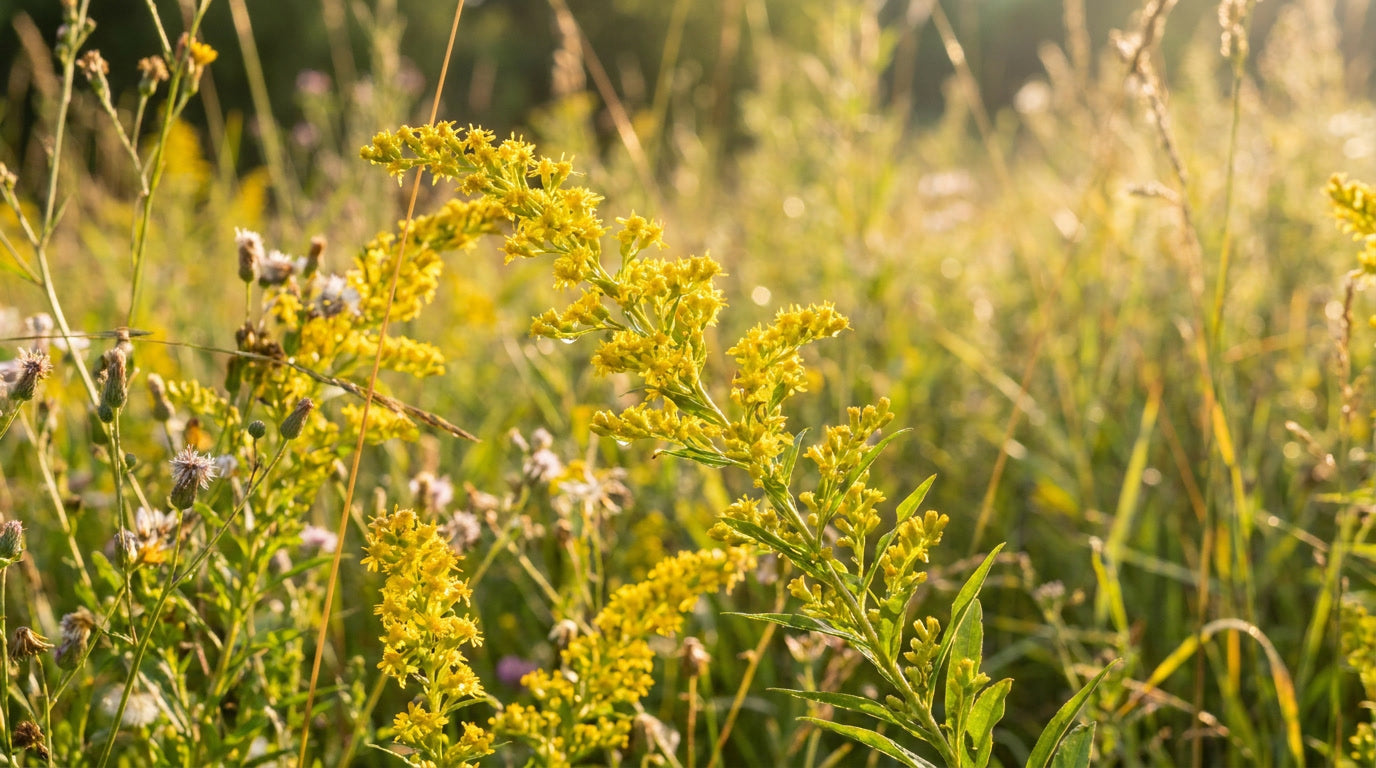
Wer morgens aufwacht und das Gefühl hat, die Hände seien geschwollen, die Beine schwer wie Blei und das Gesicht irgendwie aufgedunsen – der kennt das unangenehme Phänomen der Wassereinlagerungen. Viele Menschen greifen in solchen Momenten zu chemischen Präparaten oder resignieren einfach. Dabei wächst ein altbewährtes Heilkraut vielerorts ganz unscheinbar am Wegesrand: die Goldrute (Solidago virgaurea). In der europäischen Kräutertradition gehört sie seit Jahrhunderten zu den geschätztesten Pflanzen, wenn es um das Wohlbefinden der Nieren und der Harnwege geht. Dieser Artikel taucht ein in die faszinierende Geschichte, die traditionellen Anwendungsweisen und die pflanzlichen Inhaltsstoffe der Goldrute – und erklärt, warum dieses leuchtend gelbe Kraut in keiner Hausapotheke fehlen sollte.
Die Goldrute: Ein Heilkraut mit goldener Geschichte
Die Goldrute blüht von Juli bis Oktober in sattem Gelb und verwandelt Wiesen, Waldränder und Wegränder in ein leuchtendes Meer. Ihr wissenschaftlicher Name Solidago virgaurea leitet sich vom lateinischen „solidare" ab, was so viel bedeutet wie „ganz machen" oder „heilen" – ein Hinweis darauf, wie hoch diese Pflanze in der Volksmedizin einst geschätzt wurde. Bereits im Mittelalter war die Goldrute ein fester Bestandteil der europäischen Kräutermedizin, und ihre traditionsreiche Geschichte reicht bis in die Klöster des frühen Mittelalters zurück. Hildegard von Bingen Produkte
Hildegard von Bingen, die große Äbtissin und Naturheilkundlerin des 12. Jahrhunderts, erwähnte das Kraut in ihren Schriften als bedeutsame Pflanze mit besonderer Beziehung zur Reinigung des Körpers. In der Klostermedizin war die Überzeugung tief verwurzelt, dass die Natur für jedes menschliche Ungleichgewicht eine pflanzliche Antwort bereithält – und die Goldrute galt dabei als eine der wohltuendsten Antworten, die die Natur zu bieten hat. Sie wurde in Kräutergärten angebaut, in Tees aufgebrüht und als Kompresse angewendet. Das Wissen um ihre Eigenschaften wurde über Generationen von Mönchen und Kräuterfrauen weitergegeben. Hildegard von Bingen Produkte
Interessant ist, dass die Goldrute nicht nur in Europa Beachtung fand. Auch in der nordamerikanischen Volksmedizin der indigenen Völker galt Solidago-Arten als wertvolle Begleiterin bei Beschwerden, die mit Nieren und Wasserhaushalt in Verbindung standen. Diese transkulturelle Wertschätzung über Kontinente hinweg ist ein bemerkenswertes Zeugnis für die besondere Stellung, die diese Pflanze in der Geschichte der Naturheilkunde einnimmt. Heute erlebt die Goldrute eine Renaissance – und das aus gutem Grund.
In dem mittelalterlichen Kräuterwerk Macer Floridus (ca. 10.–11. Jahrhundert) findet sich eine der frühesten schriftlichen Erwähnungen der Goldrute in Europa. Der Text beschreibt die Pflanze als besonders wertvoll für das innere Gleichgewicht – ein Zeugnis, das bis heute als historische Referenz in der europäischen Pflanzenheilkunde gilt.
Im Laufe der Jahrhunderte hat die Goldrute verschiedene volkstümliche Namen erhalten: „Heidnisch Wundkraut", „Aaronsstab" oder schlicht „Goldene Rute". All diese Bezeichnungen spiegeln wider, wie tief das Wissen um ihre Eigenschaften in der europäischen Kulturgeschichte verwurzelt ist. Für Naturheilkunde-Interessierte ist sie bis heute eine faszinierende Brücke zwischen altem Kräuterwissen und moderner Pflanzenkunde.
Was steckt in der Goldrute? Die pflanzlichen Inhaltsstoffe im Überblick
Die Besonderheit der Goldrute liegt in ihrem bemerkenswert vielfältigen Spektrum an sekundären Pflanzenstoffen. Es ist diese Komplexität, die sie in der europäischen Kräutertradition so einzigartig macht – und die dazu beigetragen hat, dass sie über Jahrhunderte hinweg geschätzt wurde. Die ganze oberirdische Pflanze – Blätter, Stängel und Blüten – enthält eine Fülle an Inhaltsstoffen, die sie zu einem der interessantesten Kräuter der einheimischen Naturheilkunde machen.
Wichtige pflanzliche Inhaltsstoffe der Goldrute (Solidago virgaurea):
- Flavonoide (u. a. Rutin, Quercetin): Diese sekundären Pflanzenstoffe gehören zu den bekanntesten Verbindungen in Heilkräutern und sind seit Jahrhunderten Bestandteil der traditionellen Anwendung in der europäischen Kräuterheilkunde.
- Saponine (Virgaureasaponine): Pflanzliche Verbindungen, die charakteristisch für die Goldrute sind und ihr wissenschaftliches Interesse in der Phytotherapie begründen.
- Phenolische Verbindungen (u. a. Kaffeesäurederivate, Chlorogensäure): Werden traditionell im Zusammenhang mit dem wohltuenden Charakter der Goldrute als Tee oder Aufguss beschrieben.
- Ätherische Öle: Verleihen der Goldrute ihren charakteristischen, leicht würzigen Duft und sind Teil des Gesamtspektrums der Pflanze.
- Gerbstoffe (Tannine): Seit alters her als adstringierende Komponente in der Kräuterküche und Volksmedizin bekannt und geschätzt.
- Bitterstoffverbindungen: Verleihen der Pflanze ihren leicht herb-bitteren Geschmack, der in der traditionellen Kräutermedizin als Zeichen besonderer Qualität gilt. BitterKraft Original
Gerade die Kombination aus Flavonoiden, Saponinen und phenolischen Verbindungen macht die Goldrute zu einem der am häufigsten untersuchten einheimischen Heilkräuter in der europäischen Phytotherapie. In der traditionellen Anwendung wird sie typischerweise als Tee aus getrockneten Blättern und Blüten zubereitet – eine Praxis, die sich seit dem Mittelalter nahezu unverändert gehalten hat. Die Pflanze wird getrocknet, um ihre Inhaltsstoffe zu konzentrieren, und zu einem milden, leicht herb-floralen Aufguss verarbeitet.
Für Liebhaber der Klostermedizin ist besonders spannend, dass die Zusammensetzung der Goldrute je nach Standort, Erntezeitpunkt und Verarbeitungsweise variieren kann. Kräuterkundige schätzen deshalb die Qualität der Ernte und empfehlen traditionell, die Pflanze kurz vor oder zu Beginn der Blütezeit zu ernten – dann sollen die Inhaltsstoffe am konzentriertesten vorliegen. Dieses alte Wissen um die richtige Ernte findet sich in vielen historischen Kräuterbüchern und wird in der modernen Naturheilkunde weitergeführt.
Goldrute und Wassereinlagerungen: Eine traditionsreiche Beziehung
Wassereinlagerungen – medizinisch als Ödeme bezeichnet – entstehen, wenn der Körper mehr Flüssigkeit in den Geweben speichert als normalerweise. Dies kann viele Ursachen haben: langes Sitzen oder Stehen, hormonelle Schwankungen, eine salz- und kohlenhydratreiche Ernährung oder schlichtweg das Alter. In der Naturheilkunde wird das Thema Wasserhaushalt traditionell im Zusammenhang mit den Nieren und Harnwegen betrachtet – und genau hier kommt die Goldrute ins Spiel. Produkte für Frauengesundheit
Die Goldrute (Solidago virgaurea) gehört in der europäischen Pflanzenheilkunde seit Jahrhunderten zu den bekanntesten traditionell genutzten Kräutern bei Beschwerden, die mit dem Harnapparat und dem Wasserhaushalt in Verbindung stehen – ein Wissen, das von der Klostermedizin bis in die moderne Naturheilkunde überliefert wurde.
In der Volksmedizin zahlreicher europäischer Länder – von Deutschland über die Schweiz bis in die skandinavischen Länder – wird Goldrutentee seit Jahrhunderten traditionell als „Nierentee" oder „Harntee" eingesetzt. Die Tradition beschreibt die Pflanze als besonders zuträglich für den Harnapparat und die natürlichen Ausscheidungsfunktionen des Körpers. Diese Überzeugung ist so alt, dass sie bereits in den Kräuterbüchern des 16. und 17. Jahrhunderts ausführlich beschrieben ist. Autoren wie Hieronymus Bock und Adam Lonitzer erwähnten die Goldrute explizit als wertvolles Mittel der Volksmedizin.
Die Europäische Arzneimittel-Agentur (EMA) hat die Goldrute (Solidago virgaurea) als traditionelles pflanzliches Arzneimittel eingestuft und ihre traditionelle Verwendung zur Durchspülungstherapie bei Erkrankungen der ableitenden Harnwege sowie zur vorbeugenden Behandlung bei Nierengrieß anerkannt – ein seltenes offizielles Zeugnis für die Glaubwürdigkeit eines Volksheilmittels.
Besonders im Kontext der Fastenzeit und der Frühjahrsreinigung – zwei Rituale, die in der Naturheilkunde und Klostermedizin eine wichtige Rolle spielen – wurde die Goldrute als begleitendes Kraut geschätzt. Die Idee dahinter: Der Körper sollte im Frühling „ausgeleitet" und von Winterballast befreit werden. Goldrutentee galt dabei als wertvolle Begleitung für diesen inneren Erneuerungsprozess. Fasten-Produkte
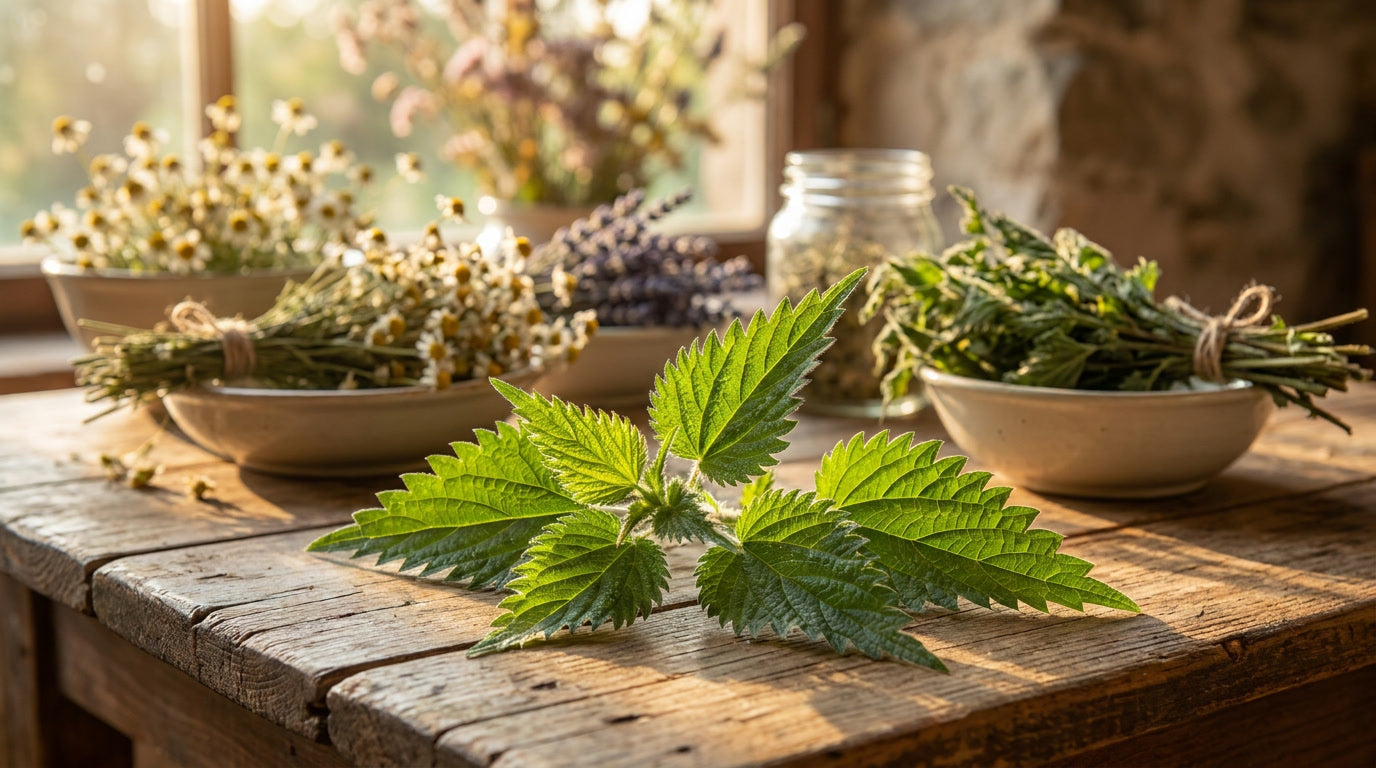
Interessant für alle, die sich intensiver mit Naturheilkunde beschäftigen: Die Goldrute wird traditionell oft in Kräutermischungen eingesetzt – gemeinsam mit anderen Nierenkräutern wie Brennnessel, Birkenblättern oder Schachtelhalm. Diese Kombinationen spiegeln das alte Wissen wider, dass die Natur ihre Kräfte oft im Zusammenspiel entfaltet. In vielen traditionellen Rezepturen bildet die Goldrute dabei das aromatisch-herzliche Grundgerüst, das durch die anderen Kräuter ergänzt wird.
Anwendung in der Praxis: So wird Goldrute traditionell verwendet
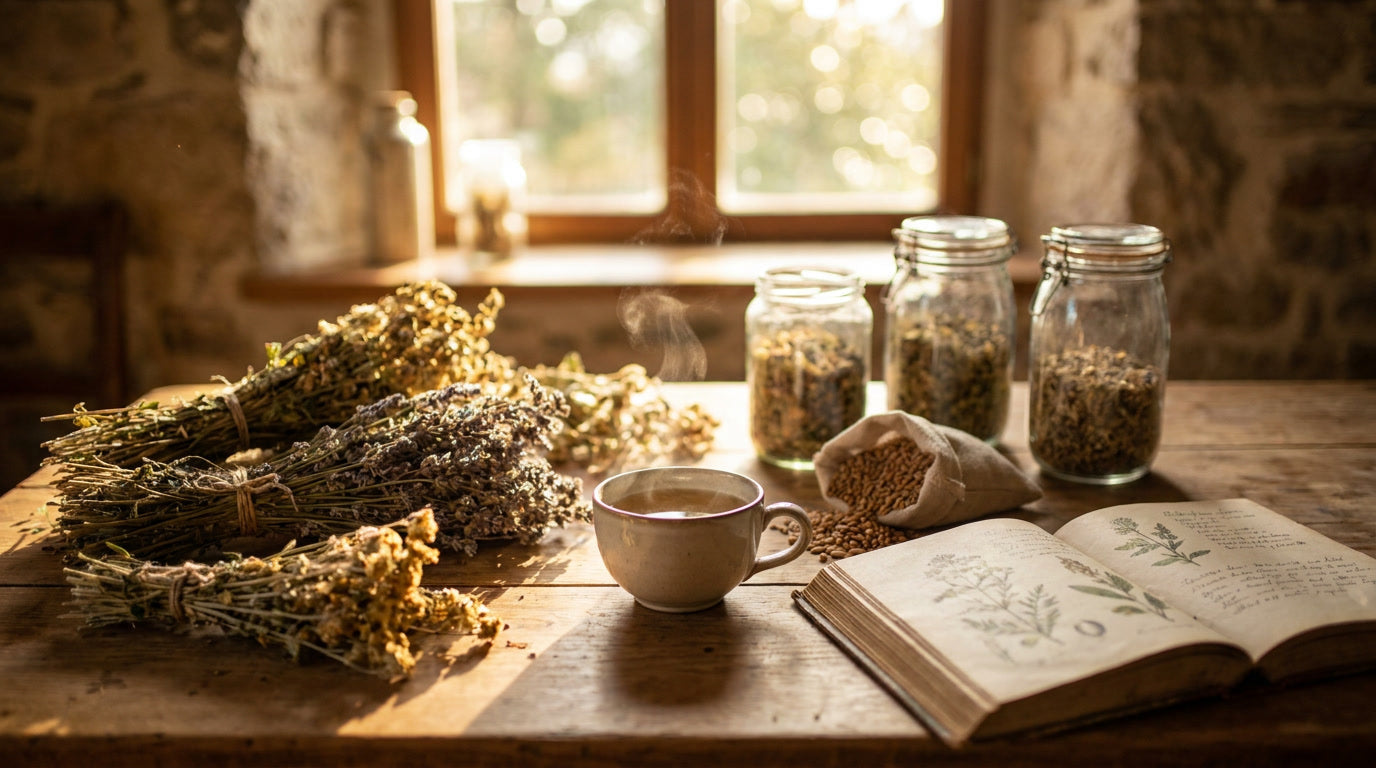
Die häufigste und älteste Anwendungsform der Goldrute ist ohne Zweifel der Tee. Für einen klassischen Goldrutentee werden etwa ein bis zwei Teelöffel getrocknetes Goldrutenkraut mit heißem (nicht kochendem) Wasser übergossen und zehn Minuten ziehen gelassen. Der Tee hat einen leicht herb-floralen Geschmack, der von manchen als angenehm bitter-würzig empfunden wird. In der Klostermedizin wurde empfohlen, den Tee langsam und in Stille zu trinken – als bewussten Akt des Wohlbefindens. Hildegard von Bingen Produkte
Traditionell wird Goldrutentee in Kombination mit ausreichend Flüssigkeit getrunken – denn das Kraut entfaltet seinen vollen Charakter im Rahmen einer guten Trinkgewohnheit. Empfohlen wird in der Volksmedizin, täglich zwei bis drei Tassen über einen Zeitraum von mehreren Wochen zu trinken.
Neben dem klassischen Tee ist die Goldrute heute auch als Tinktur, Kapsel oder in Fertigpräparaten erhältlich. Besonders in der modernen Naturheilkunde erfreuen sich standardisierte Extrakte großer Beliebtheit, da sie eine gleichbleibende Konzentration der Pflanzenstoffe gewährleisten. Wer Wert auf traditionelle Verarbeitung legt, greift jedoch nach wie vor gerne auf qualitativ hochwertiges Trockengrut oder biologisch angebautes Goldrutenkraut zurück – am besten aus kontrolliert biologischem Anbau, wie es in der Tradition der Klosterkräuter üblich war.
Diese traditionellen Kräuter werden häufig gemeinsam mit Goldrute verwendet:
- Brennnessel (Urtica dioica): In der europäischen Volksmedizin seit Jahrhunderten als klassisches „Frühjahrskraut" bekannt und traditionell im Zusammenhang mit dem Harnapparat verwendet.
- Birkenblätter (Betula pendula): Gehören zu den ältesten Kräutern der nordeuropäischen Volksmedizin und werden traditionell in Nierentees eingesetzt.
- Schachtelhalm (Equisetum arvense): Historisch als „Zinnkraut" bekannt und in der Volksmedizin traditionell mit dem Harnwegssystem in Verbindung gebracht.
- Löwenzahn (Taraxacum officinale): Das klassische Frühlingskraut der Naturheilkunde, das in der Tradition als wohltuend für Nieren und Leber gilt. Leber-Produkte von Bitterkraft
- Petersilie (Petroselinum crispum): Nicht nur Küchenkraut, sondern in der Volksmedizin seit der Antike auch als traditionell wirksam für den Harnapparat beschrieben.
Wer die Goldrute in seinen Alltag integrieren möchte, sollte auf Qualität achten. Biologisch angebaute, schonend getrocknete Ware ist immer der konventionell behandelten Ware vorzuziehen. Bitterkraft.com bietet hochwertige Kräuter aus kontrolliert biologischem Anbau an – so wie es dem Geist der alten Klostergärten entspricht, in denen Qualität und Sorgfalt bei der Ernte als selbstverständlich galten.
Ein weiterer Anwendungsaspekt aus der Volksmedizin: Die Goldrute wurde gelegentlich auch äußerlich eingesetzt – etwa als Kräuterbad oder Wickel. Diese äußerliche Tradition ist zwar weniger verbreitet als die innere Anwendung als Tee, zeigt aber, wie vielseitig unsere Vorfahren mit dem Kraut umgingen. Im Rahmen eines ganzheitlichen Naturheilkunde-Ansatzes kann es durchaus sinnvoll sein, verschiedene Anwendungsformen zu kombinieren – stets in Absprache mit einem Heilpraktiker oder Arzt.
Goldrute im Kontext eines ganzheitlichen Wohlbefindenskonzepts
In der Naturheilkunde und besonders in der Tradition der Hildegard-Medizin wird der Mensch als Ganzes betrachtet. Wassereinlagerungen oder das Gefühl von innerer Schwere werden nicht als isolierte Symptome angesehen, sondern als Ausdruck eines tieferliegenden Ungleichgewichts. Die Goldrute passt hervorragend in dieses ganzheitliche Denken: Sie ist nicht als Ersatz für eine ausgewogene Ernährung oder ausreichend Bewegung gedacht, sondern als wertvolle Ergänzung – nach dem Prinzip „Hinzufügen statt Weglassen". Hildegard von Bingen Produkte
Die Kombination aus ausreichend Bewegung, einer ausgewogenen, pflanzenreichen Ernährung und der traditionellen Begleitung durch Kräuter wie die Goldrute entspricht dem ganzheitlichen Grundprinzip der europäischen Naturheilkunde – und spiegelt wider, was Hildegard von Bingen als „Viriditas" (die heilende Grünkraft der Natur) bezeichnete.
Ein oft übersehener Aspekt: Auch die Psyche spielt beim Wasserhaushalt eine Rolle. Stress, Schlafmangel und innere Unruhe können dazu beitragen, dass der Körper aus seinem natürlichen Gleichgewicht gerät. In der Klostermedizin war die Zubereitung und das Trinken von Kräutertee stets auch ein Akt der Entschleunigung und der bewussten Zuwendung zur eigenen Gesundheit. Das morgendliche oder abendliche Ritual eines Goldrutentees kann so zu einem kleinen Anker der Achtsamkeit im Alltag werden. Schlaf- und Entspannungsprodukte
Für Menschen, die sich intensiver mit dem Thema Nieren und Wasserhaushalt beschäftigen möchten, empfiehlt sich ein umfassender Blick auf das gesamte Ausscheidungssystem des Körpers – also neben den Nieren auch Leber, Darm und Haut. In der ganzheitlichen Naturheilkunde werden diese Organe als eng miteinander verbundenes System betrachtet, das gemeinsam gepflegt werden will. Kräuter wie die Goldrute fügen sich dabei wunderbar in ein breites Repertoire pflanzlicher Begleiter ein. Darm- und Verdauungsprodukte Leber-Produkte von Bitterkraft
Der Phytotherapie-Experte Prof. Rudolf Fritz Weiss beschrieb die Goldrute in seinem Standardwerk „Lehrbuch der Phytotherapie" (mehrere Auflagen seit 1944) als eines der wichtigsten einheimischen Heilkräuter für den Harnapparat und hob hervor, dass ihre Verwendung in der Volksmedizin durch eine außergewöhnlich lange und konsistente Tradition belegt ist – ein Merkmal, das in der Pflanzenheilkunde als besonders vertrauenswürdig gilt.
Abschließend sei noch auf eine erfreuliche Tatsache hingewiesen: Die Goldrute ist ein heimisches Wildkraut, das in weiten Teilen Europas problemlos und nachhaltig wächst. Wer sich für das Sammeln in der Natur interessiert, sollte jedoch auf die richtige Bestimmung achten – und nur aus sauberen, unbelasteten Gebieten abseits von Straßen und konventionell bewirtschafteten Feldern ernten. Noch besser: hochwertige, ökologisch angebaute Qualität aus vertrauenswürdigen Quellen wählen und damit gleichzeitig eine nachhaltige Landwirtschaft unterstützen. Die Goldrute ist ein Geschenk der Natur – und sie verdient es, mit Respekt und Sorgfalt behandelt zu werden. alle Bitterkraft Produkte

Hinterlasse einen Kommentar
Diese Website ist durch hCaptcha geschützt und es gelten die allgemeinen Geschäftsbedingungen und Datenschutzbestimmungen von hCaptcha.