
Fasten erlebt in unserer Zeit eine bemerkenswerte Renaissance – doch nicht jede Fastenform gleicht der anderen. Während das intermittierende Fasten aus der modernen Ernährungswissenschaft stammt und vor allem durch seine zeitliche Struktur bekannt ist, wurzelt das Hildegard-Fasten in einem über 800 Jahre alten Erfahrungsschatz der Klostermedizin. Beide Ansätze teilen die Idee, dass bewusstes Einschränken oder Gestalten von Nahrungsaufnahme dem Körper und der Seele dienen kann – doch ihre Philosophie, ihre Werkzeuge und ihre Tiefe könnten unterschiedlicher kaum sein. Wer sich für Naturheilkunde interessiert, fragt sich zu Recht: Schließen sich diese beiden Wege aus, oder lassen sie sich sinnvoll miteinander verbinden? Dieser Artikel beleuchtet beide Fastenmethoden aus historischer, kultureller und praktischer Perspektive – und zeigt, wo Brücken entstehen können.
Was ist Hildegard-Fasten? Die Wurzeln in der Klostermedizin
Hildegard von Bingen (1098–1179) war eine der bedeutendsten Universalgelehrten des Mittelalters: Äbtissin, Mystikerin, Komponistin und Naturforscherin in einem. Ihr medizinisches Werk, insbesondere die Schriften Physica und Causae et Curae, bildeten über Jahrhunderte hinweg eine wichtige Grundlage der europäischen Klostermedizin. Das Fasten war für Hildegard kein bloßer körperlicher Vorgang, sondern ein ganzheitliches Ritual, das Leib, Seele und Geist gleichermaßen ansprach. Hildegard von Bingen Produkte In ihrer Vorstellung war Mäßigung – das sogenannte discretio – die Mutter aller Tugenden, und das Fasten galt als eine der reinsten Ausdrucksformen dieser Tugend.
Beim Hildegard-Fasten steht nicht primär die zeitliche Einschränkung von Mahlzeiten im Vordergrund, sondern die Qualität und Zusammensetzung der aufgenommenen Nahrung. Hildegard unterschied genau zwischen Speisen, die sie als bekömmlich empfahl, und solchen, die nach ihrer Überzeugung dem Menschen schadeten. Dinkel etwa nahm in ihrer Lehre eine herausragende Stellung ein: Sie beschrieb ihn als die nährende Getreideart, die den Menschen – nach ihrer historischen Überzeugung – stärkt und aufbaut. Auch Kräuter spielten eine zentrale Rolle – nicht als Dekoration, sondern als bewusst eingesetzte Begleiter auf dem Fastenweg. Wermut, Fenchel, Bertram und viele andere Pflanzen wurden von ihr historisch für ihre besonderen Eigenschaften beschrieben und sind in der Klostermedizin bis heute geschätzt.
Das Hildegard-Fasten folgt traditionell einem klaren Rhythmus, der sich oft an den kirchlichen Fastenzeiten orientierte – also besonders in der Advents- und Fastenzeit vor Ostern. Typischerweise werden dabei bestimmte Nahrungsmittel für einen festgelegten Zeitraum weggelassen oder reduziert, begleitend dazu kommen Kräutertees, bewusstes Gebet oder Meditation sowie körperliche Stille. Der spirituelle Rahmen ist dabei kein optionales Add-on, sondern ein Kernbestandteil: Fasten ohne innere Einkehr war für Hildegard nur die halbe Sache. Diese Verknüpfung von Körper und Seele macht das Hildegard-Fasten zu einem zutiefst ganzheitlichen Ansatz, der sich von rein kalorisch orientierten Methoden grundlegend unterscheidet.
„Wer fastet ohne Unterscheidungsvermögen, fastet umsonst. Das rechte Maß ist das Fundament aller Gesundheit." – Sinngemäß nach Hildegard von Bingen, Causae et Curae, 12. Jahrhundert
Intermittierendes Fasten: Moderner Rhythmus mit alten Wurzeln
Das intermittierende Fasten – im Englischen oft „Intermittent Fasting" oder kurz IF genannt – beschreibt verschiedene Ernährungskonzepte, die auf einem strukturierten Wechsel zwischen Ess- und Fastenphasen basieren. Die bekanntesten Varianten sind die 16:8-Methode (16 Stunden fasten, 8 Stunden essen), die 5:2-Methode (5 Tage normal essen, 2 Tage stark reduziert) sowie das sogenannte Eat-Stop-Eat-Prinzip mit ganzen Fastentagen. Fasten-Produkte Im Gegensatz zu klassischen Diäten macht das intermittierende Fasten keine genauen Vorgaben dazu, was gegessen wird – der Fokus liegt ausschließlich auf dem Wann.
Was heute als moderne Erfindung gilt, hat tatsächlich sehr alte Vorläufer. In nahezu allen Weltreligionen und Kulturen finden sich Fastentraditionen: der Ramadan im Islam, das Yom-Kippur-Fasten im Judentum, die christliche Fastenzeit – sie alle beinhalten zeitlich begrenzte Nahrungsenthaltung. Das intermittierende Fasten greift dieses uralte Prinzip auf und kleidet es in ein zeitgemäßes, alltagstaugliches Gewand. Für viele Menschen ist es attraktiv, weil es vergleichsweise leicht in den Berufsalltag integriert werden kann: Man überspringt einfach das Frühstück, trinkt Wasser, Kräutertee oder schwarzen Kaffee und beginnt die Essensphase mittags.
Wichtig für Naturheilkunde-Interessierte ist dabei die Erkenntnis, dass das intermittierende Fasten keinen spirituellen oder kräuterheilkundlichen Rahmen mitliefert. Es ist zunächst ein zeitliches Konzept ohne philosophische Tiefe. Das ist weder ein Vor- noch ein Nachteil – es bedeutet jedoch, dass viele Menschen, die IF praktizieren, unbewusst nach einer sinnstiftenden Ergänzung suchen. Genau hier entsteht die interessante Frage: Was passiert, wenn man die strukturierte Zeitlogik des intermittierenden Fastens mit der Kräuterweisheit und Ganzheitlichkeit des Hildegard-Fastens verbindet?
Das intermittierende Fasten bestimmt das Wann des Essens – das Hildegard-Fasten bestimmt das Was und das Warum. Zusammen ergeben sie ein Konzept, das Struktur und Tiefe vereint.
Gemeinsamkeiten: Wo sich beide Wege berühren
Auf den ersten Blick scheinen intermittierendes Fasten und Hildegard-Fasten Welten voneinander entfernt zu sein – das eine modern und wissenschaftlich, das andere traditionsgebunden und spirituell. Doch bei näherer Betrachtung offenbaren sich erstaunlich viele Berührungspunkte. Beide Methoden betonen die Bedeutung bewusster Pausen – die Idee, dass der Körper Zeiten der Ruhe und Leere braucht, um sich – nach traditioneller Überzeugung – zu erholen und neu auszurichten. Diese Grundüberzeugung findet sich in der Hildegard'schen discretio ebenso wie im modernen Konzept der Fastenfenster.
Ein weiterer gemeinsamer Nenner ist die Abkehr von der Dauerernährung. Sowohl das intermittierende Fasten als auch das Hildegard-Fasten lehnen das ständige Snacken und die permanente Beschäftigung mit Essen ab. Hildegard warnte ausdrücklich vor Völlerei und empfahl, nicht mehr zu essen als notwendig – eine Haltung, die sich mühelos mit dem Prinzip klar begrenzter Essensfenster verbinden lässt. BitterKraft Original Auch das Bewusstsein für die eigene Reaktion auf Nahrung – ob sie bekommt, ob sie belastet – ist in beiden Traditionen zentral verankert.
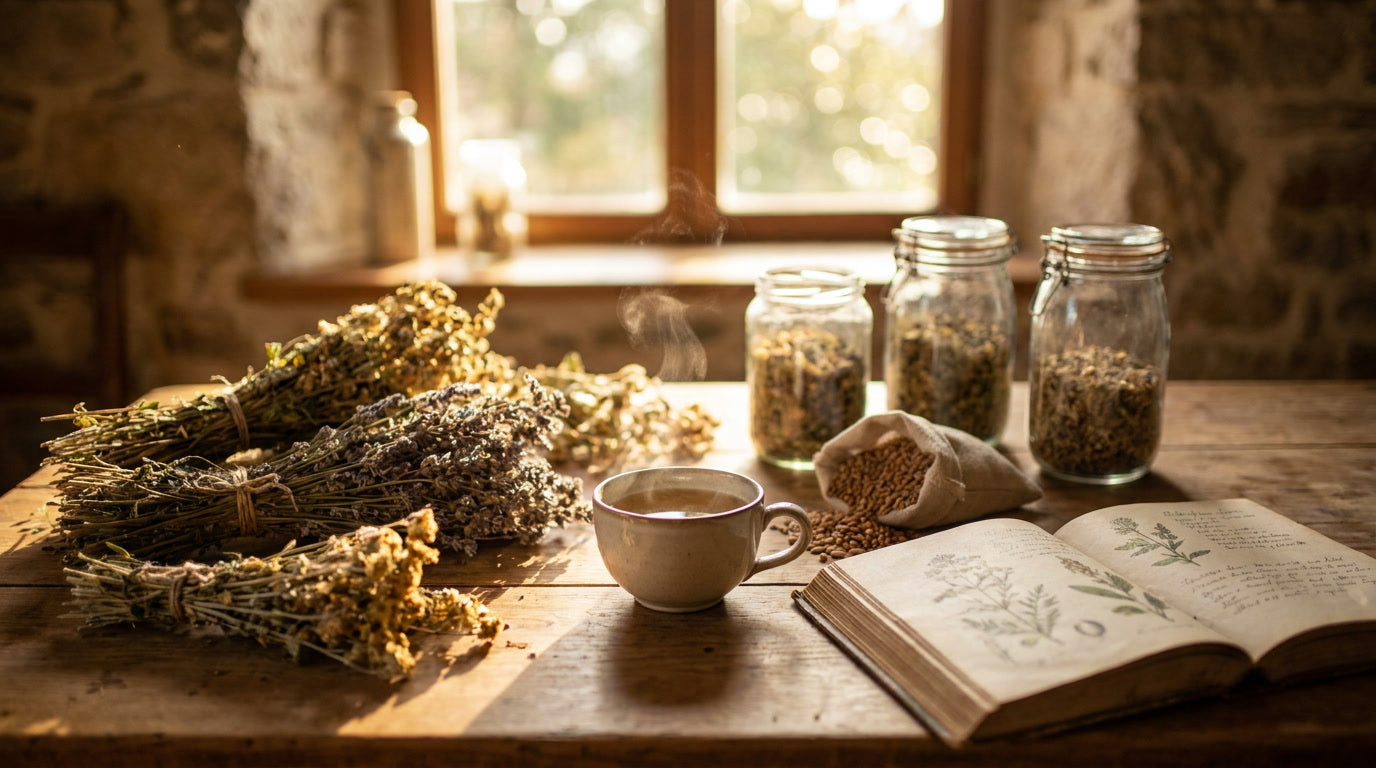
Kräutertees als begleitende Elemente verbinden ebenfalls beide Welten. Wer intermittierend fastet, greift in der Fastenphase häufig zu Kräutertees, da diese kalorienarm und dennoch aromatisch sind. Im Hildegard-Fasten sind bestimmte Kräutertees – aus Fenchel, Wermut, Melisse oder Schafgarbe – seit Jahrhunderten traditionell bekannt und wurden von Hildegard in ihren Schriften explizit erwähnt. Diese Kräuter werden bis heute in der Klostermedizin geschätzt und können die Fastenzeit auf wohltuende Weise begleiten. Dass sie dabei auch im modernen IF-Kontext vollständig verträglich sind, macht sie zu einem natürlichen Bindeglied zwischen beiden Ansätzen.
Traditionell geschätzte Fastenkräuter nach Hildegard von Bingen:
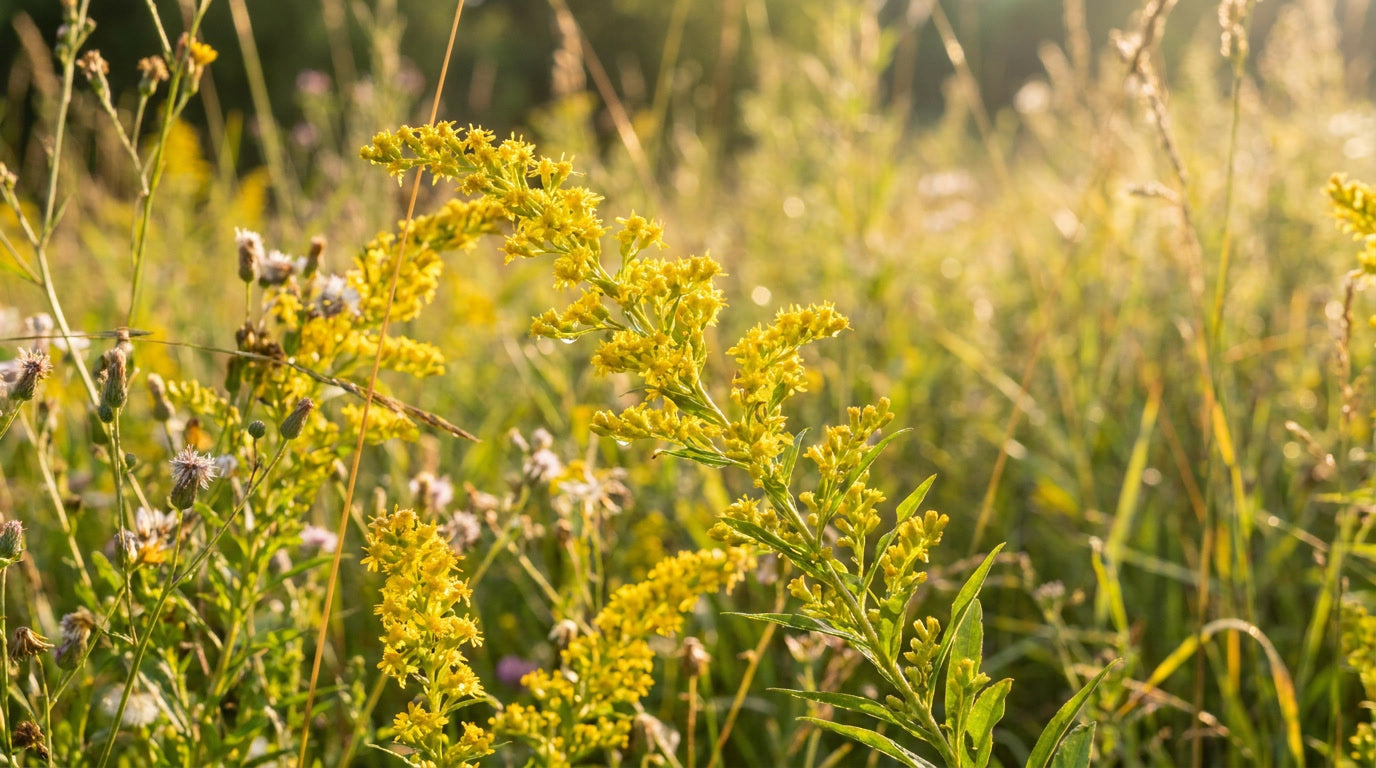
Hildegard empfahl in ihren Schriften eine Reihe von Heilpflanzen, die in der Klostermedizin eine lange Geschichte haben. Fenchel galt ihr als besonders wohltuend und wird bis heute traditionell als Tee verwendet. Wermut (Artemisia absinthium) wurde von Hildegard als kräftige Bitterpflanze beschrieben und ist in der europäischen Kräutertradition seit Jahrhunderten bekannt. Melisse schätzte sie als beruhigendes Kraut für Körper und Geist. Schafgarbe war in der Klostermedizin ein vielseitiger Begleiter. Alle diese Pflanzen können als Tee in der Fastenzeit traditionell eingesetzt werden – sowohl beim Hildegard-Fasten als auch bei IF.
Schließlich verbindet beide Methoden das Prinzip der Regelmäßigkeit. Fasten als einmalige Aktion entfaltet nach traditioneller wie nach moderner Auffassung deutlich weniger Wirkung als ein gelebter, wiederkehrender Rhythmus. Hildegard beschrieb Fasten als jahreszeitliche Praxis, IF empfiehlt tägliche oder wöchentliche Wiederholung. Das Rhythmusprinzip – mal Fülle, mal Leere – scheint dem menschlichen Organismus seit Jahrtausenden vertraut zu sein und ist kulturübergreifend verankert.
Beide Fastenmethoden betonen den Rhythmus als Schlüsselprinzip: Phasen der Nahrungsaufnahme wechseln sich bewusst mit Phasen der Pause ab – eine Weisheit, die in der Menschheitsgeschichte tief verwurzelt ist.
Unterschiede: Wo die Wege sich trennen
So viele Gemeinsamkeiten die beiden Ansätze teilen – ihre Unterschiede sind mindestens ebenso aufschlussreich. Der vielleicht grundlegendste Unterschied liegt in der spirituellen Dimension. Das Hildegard-Fasten ist untrennbar mit dem christlich-mystischen Weltbild Hildegards verbunden. Fasten war für sie ein Akt der Gottesbeziehung, der inneren Reinigung und der Seelenpflege. Diese Tiefe fehlt dem intermittierenden Fasten von Natur aus – es ist funktional konzipiert und lässt die Frage nach dem Sinn des Fastens bewusst offen. Wer beides kombinieren möchte, sollte sich bewusst sein, dass dieser spirituelle Rahmen beim Hildegard-Fasten nicht optional ist, sondern konstitutiv.
Ein weiterer wesentlicher Unterschied betrifft die Nahrungsmittelauswahl. Das intermittierende Fasten macht keinerlei Vorgaben darüber, was in der Essensphase verzehrt wird – theoretisch ist Fast Food genauso erlaubt wie Rohkost. Das Hildegard-Fasten hingegen ist hochspezifisch: Dinkelprodukte stehen im Mittelpunkt, bestimmte Fleischsorten und Fische werden empfohlen, andere abgelehnt; Rohkost und bestimmte Gemüsesorten gelten als schwer bekömmlich und werden gemieden. Hildegard hatte für nahezu jedes Nahrungsmittel eine genaue Einschätzung – eine Detailtiefe, die in der modernen IF-Praxis schlicht nicht existiert. Hildegard von Bingen Produkte
Die Zeitstruktur ist ein weiterer Trennpunkt. Intermittierendes Fasten definiert sich über präzise Zeitfenster: 16 Stunden fasten, 8 Stunden essen – das lässt sich mit einer Uhr messen. Das Hildegard-Fasten ist dagegen weniger an Uhrzeiten gebunden, dafür umso mehr an Jahreszeiten, kirchliche Kalender und innere Bereitschaft. Ein Hildegard-Fasten in der Fastenzeit vor Ostern folgt anderen Prinzipien als eine 16:8-Methode an einem durchschnittlichen Mittwoch. Diese unterschiedliche Zeitorientierung – Uhrzeit versus Jahreszeit und Lebensrhythmus – spiegelt zwei grundlegend verschiedene Weltanschauungen wider.
Diese traditionellen Hildegard-Kräuter begleiten das Fasten:
- Bertram (Anacyclus pyrethrum): Eines der meistgenannten Gewürzkräuter bei Hildegard, in der Klostermedizin seit Jahrhunderten traditionell als Bestandteil von Kräutermischungen bekannt und geschätzt.
- Wermut (Artemisia absinthium): Die „Königin der Bitterkräuter" wurde von Hildegard ausführlich beschrieben; in der europäischen Kräutertradition historisch als Begleiter der Fastenzeit bekannt. BitterKraft Original
- Fenchel (Foeniculum vulgare): Hildegard lobte Fenchel in ihren Schriften ausdrücklich; als Tee wird er bis heute traditionell während Fastenzeiten verwendet.
- Melisse (Melissa officinalis): In der Klostermedizin seit Jahrhunderten als beruhigendes Kraut bekannt, das in Zeiten der Stille und Einkehr traditionell geschätzt wurde.
- Schafgarbe (Achillea millefolium): Ein klassisches Klosterkraut, das Hildegard in ihrem Kräuterbuch erwähnte und das im Fastenkontext traditionell als Tee zubereitet wird.
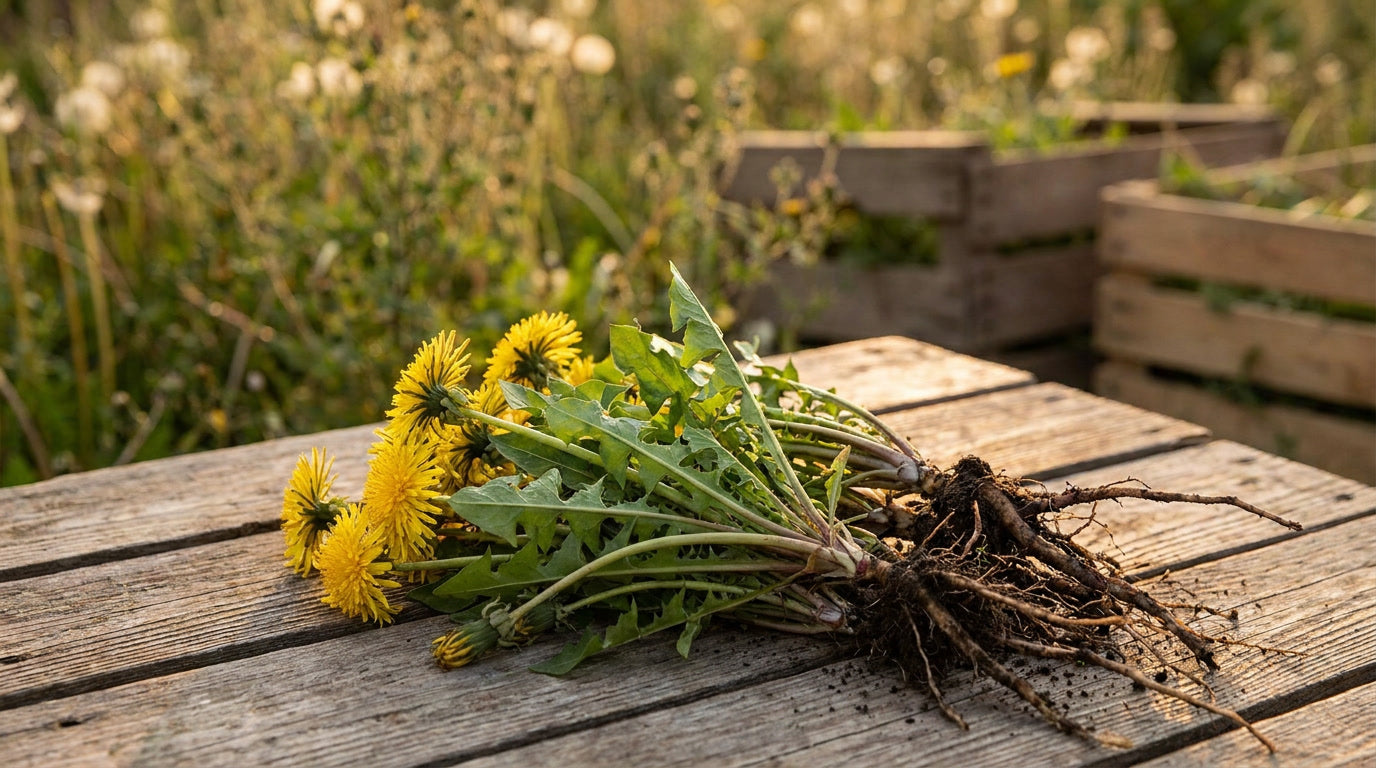
- Brennnessel (Urtica dioica): Historisch als reichhaltige Wildpflanze bekannt und in der Volksmedizin Mitteleuropas seit Generationen als Frühjahrs- und Fastenkraut geschätzt.
Auch in der Frage des sozialen und gemeinschaftlichen Rahmens unterscheiden sich beide Methoden stark. Das Hildegard-Fasten war traditionell eingebettet in das Leben einer Klostergemeinschaft – gemeinsames Gebet, gemeinsames Tischgebet, geteilte Stille. Diese Gemeinschaftsdimension ist beim intermittierenden Fasten kaum vorhanden; es ist eine zutiefst individuelle Praxis, die sich unbemerkt im Alltag vollzieht. Wer das Hildegard-Fasten in seiner ursprünglichen Form erleben möchte, findet heute in einigen Klöstern und auf spezialisierten Fastenkuren entsprechende Angebote.
Kombination beider Ansätze: Ein praktischer Leitfaden für den Alltag
Die gute Nachricht für alle, die sich von beiden Methoden angesprochen fühlen: Sie müssen sich nicht entscheiden. Eine sinnvolle Kombination ist möglich – wenn man die jeweiligen Stärken kennt und respektvoll miteinander verbindet. Der praktischste Ansatz besteht darin, die Zeitstruktur des intermittierenden Fastens als äußeren Rahmen zu nutzen und ihn mit den inhaltlichen Empfehlungen und der Kräuterweisheit des Hildegard-Fastens zu füllen. Das bedeutet konkret: Man begrenzt die Essensphasen auf ein bestimmtes Zeitfenster (etwa 10 bis 18 Uhr), wählt aber innerhalb dieser Phase bewusst Speisen nach Hildegards Empfehlungen – Dinkel statt Weizen, sorgfältig ausgewähltes Gemüse, wenig Rohkost, naturbelassene Fette.
Während der Fastenphase – also außerhalb des Essensfensters – bieten sich traditionelle Hildegard-Kräutertees als wohltuende Begleiter an. Ein Tee aus Fenchel, Melisse oder Wermut ist kalorienarm und damit mit den Grundprinzipien des IF vereinbar; gleichzeitig bringt er die kräuterheilkundliche Tradition Hildegards in den modernen Alltag. Fasten-Produkte Wer möchte, kann die Zubereitung des Tees bewusst als kleines Ritual gestalten – Wasser erhitzen, Kräuter einlegen, kurz innehalten – und so die spirituelle Qualität des Hildegard-Fastens auch im schnellen Alltag anklingen lassen.
Für Einsteiger empfiehlt sich ein schrittweises Vorgehen: Beginnen Sie in der ersten Woche damit, das intermittierende Fasten mit einem einfachen 14:10-Rhythmus auszuprobieren. Ergänzen Sie ab der zweiten Woche einen Hildegard-Kräutertee am Morgen als Einstieg in den Tag. In der dritten Woche können Sie die Ernährung innerhalb der Essensphase bewusst auf Hildegards Empfehlungen ausrichten – mehr Dinkel, saisonales Gemüse, Kräuter als Gewürze. Diese schrittweise Integration verhindert Überforderung und erlaubt dem Körper wie dem Geist, sich an den neuen Rhythmus zu gewöhnen.
Eine Kombination aus IF und Hildegard-Fasten kann das Beste beider Welten verbinden: die klare Zeitstruktur des modernen Ansatzes mit der kräuterheilkundlichen Tiefe und Sinnhaftigkeit der mittelalterlichen Klostermedizin.
„Die Natur ist die Apotheke Gottes" – dieser oft Hildegard zugeschriebene Gedanke fasst die Grundhaltung der Klostermedizin zusammen: Pflanzen und ihre Vielfalt als Geschenk zu verstehen, das bewusst und dankbar genutzt werden darf.
Wer die Kombination beider Methoden in einer intensiveren Form erleben möchte, kann sie in die klassischen Fastenzeiten einbetten – also etwa in die vier Wochen vor Ostern oder in die Adventszeit. Hier entsteht ein natürlicher äußerer Rahmen, der die innere Praxis stützt und dem Fasten eine gemeinschaftliche sowie jahreszeitliche Dimension verleiht, die dem Hildegard'schen Grundgedanken sehr nahekommen. Fastenbegleitung durch einen erfahrenen Heilpraktiker oder eine auf Klostermedizin spezialisierte Fachperson kann dabei hilfreich sein, um den eigenen Weg zu finden und eventuelle Unverträglichkeiten frühzeitig zu erkennen. Hildegard von Bingen Produkte
Abschließend lässt sich sagen: Intermittierendes Fasten und Hildegard-Fasten sind keine Konkurrenten, sondern Ergänzungen. Das eine bietet Form, das andere Inhalt. Das eine kommt aus der Gegenwart, das andere aus einer Tradition, die über Jahrhunderte erprobt und weitergegeben wurde. Wer offen ist, diese beiden Ströme in seinem persönlichen Fastenweg zusammenzuführen, findet vielleicht genau jene Verbindung aus Alltagstauglichkeit und tiefem Sinn, nach der viele Menschen in unserer Zeit suchen – eine Praxis, die nicht nur den Körper berücksichtigt, sondern den ganzen Menschen in seiner Vielschichtigkeit anspricht. alle Bitterkraft Produkte

Hinterlasse einen Kommentar
Diese Website ist durch hCaptcha geschützt und es gelten die allgemeinen Geschäftsbedingungen und Datenschutzbestimmungen von hCaptcha.