

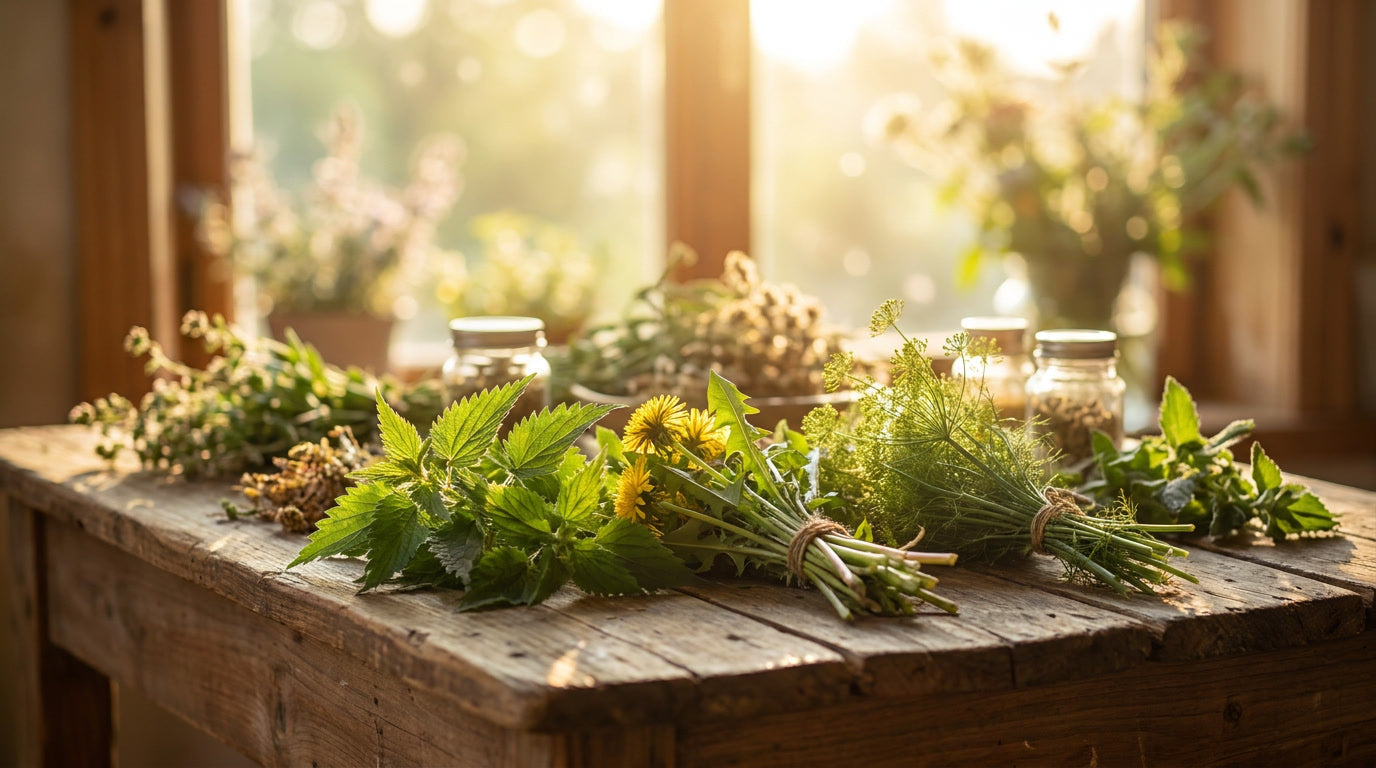
Wenn die ersten warmen Tage des Jahres kommen, spüren viele Menschen eine gewisse Schwere im Körper – ein Gefühl, das sich seit Jahrhunderten in der Naturheilkunde beschreiben lässt und das die Klostermedizinerin Hildegard von Bingen in ihren Schriften als Zeichen einer inneren Unausgewogenheit deutete. Wassereinlagerungen, ein träges Gefühl in den Beinen und eine allgemeine Mattigkeit können den Frühlings- und Sommerstart trüben. Das 7-Tage-Programm, das wir hier vorstellen, greift auf das tradierte Kräuterwissen der heiligen Hildegard zurück und verbindet es mit modernen Ernährungsgewohnheiten – als Einladung, dem Körper etwas Gutes zu tun, bevor der Sommer richtig beginnt.
Was Hildegard von Bingen über Wasserhaushalt und Körpersäfte lehrte
Hildegard von Bingen (1098–1179), Benediktinerin, Mystikerin und eine der bedeutendsten Naturheilerinnen des Mittelalters, sah den menschlichen Körper als ein komplexes Gleichgewichtssystem. In ihren Hauptwerken Physica und Causae et Curae beschrieb sie ausführlich, wie die vier Körpersäfte – Blut, Schleim, gelbe und schwarze Galle – in einem harmonischen Verhältnis zueinander stehen müssen, damit der Mensch sich wohl und leicht fühlt. Ein Überschuss an „kalten und feuchten" Qualitäten, so Hildegards Überzeugung, führe zu Schwere, Antriebslosigkeit und einem gedunsen wirkenden Körper.
Besonders im Frühjahr, wenn die Natur aus dem Winterschlaf erwacht, empfahl Hildegard eine gezielte Hinwendung zu wärmenden, bitteraromatischen Kräutern und einer leichten, pflanzlichen Kost. Sie schätzte dabei vor allem solche Pflanzen, die in der Tradition als „trocknend und wärmend" galten – also Kräuter wie Fenchel, Bertram, Galgant und Brennnessel. Diese wurden in ihrer Klosterküche und -apotheke nicht nur als Nahrung, sondern als Teil eines ganzheitlichen Lebensstils eingesetzt, der Körper, Geist und Seele gleichermaßen ansprechen sollte.
Was Hildegard lehrte, deckt sich in bemerkenswerter Weise mit dem, was viele Menschen heute intuitiv suchen: eine sanfte, pflanzliche Begleitung für die Übergangszeit. Ihr Ansatz war dabei nie reduktiv oder streng asketisch, sondern immer einladend – es ging ihr um das Hinzufügen von Heilsamem, nicht um das radikale Weglassen. Hildegard von Bingen Produkte Genau dieser Gedanke liegt auch unserem 7-Tage-Programm zugrunde: kein hartes Detox, sondern eine bewusste Bereicherung des Alltags mit traditionellem Pflanzenwissen.
„Wenn der Mensch das Richtige isst und das Schädliche meidet, bleibt er gesund." – Hildegard von Bingen, Causae et Curae, 12. Jahrhundert. Diese Worte zeigen, wie sehr Hildegard eine präventive, auf den Alltag ausgerichtete Lebensweise betonte – weit vor dem modernen Konzept der Prävention.
Die wichtigsten Kräuter im Hildegard-Entwässerungsprogramm
Hildegard von Bingen kannte und beschrieb Hunderte von Pflanzen und deren traditionellen Verwendungen. Für ein Programm, das auf das Wohlbefinden bei Wassereinlagerungen und einem schweren Körpergefühl abzielt, stehen einige Kräuter besonders im Vordergrund – solche, die in der Klostermedizin über Jahrhunderte hinweg geschätzt wurden und deren traditionelle Verwendung bis heute lebendig ist. BitterKraft Original
Die Brennnessel nimmt in Hildegards Pflanzenlehre eine besondere Stellung ein. Sie beschrieb sie als kraftvoll und wärmend, geeignet, dem Körper in seiner Erneuerung zu helfen. In der europäischen Kräutertradition wird die Brennnessel seit Jahrhunderten als Begleiterin in der Frühjahrszeit eingesetzt – als Tee, als Wildkrautzutat oder als konzentrierter Pflanzenextrakt. Ihre Blätter sind reich an Mineralien und wurden historisch als stärkendes und belebendes Kraut beschrieben. Als Tee über den Tag verteilt getrunken, ist sie ein klassischer Bestandteil vieler überlieferter Frühjahrskuren.
Ebenso schätzte Hildegard den Fenchel außerordentlich – er war eines ihrer meistgenannten Heilkräuter überhaupt. In der Tradition gilt Fenchel als wärmend und ausgleichend, als Pflanze, die innere Harmonie fördert und das allgemeine Wohlbefinden unterstützen kann. Auch Petersilie, Löwenzahn und der heute etwas in Vergessenheit geratene Galgant spielten in Hildegards Konzept eine Rolle. Fasten-Produkte Das Zusammenspiel dieser Pflanzen – in Tees, Gewürzmischungen oder als Ergänzung in der Küche – bildet das pflanzliche Fundament unseres 7-Tage-Programms.
Diese Hildegard-Kräuter werden traditionell zur Unterstützung des Wohlbefindens geschätzt:
- Brennnessel (Urtica dioica): Wird seit Jahrhunderten in der europäischen Kräutertradition geschätzt und ist historisch als mineralreiches Frühjahrskraut bekannt. Traditionell als Tee oder Frischpflanzenauszug verwendet.
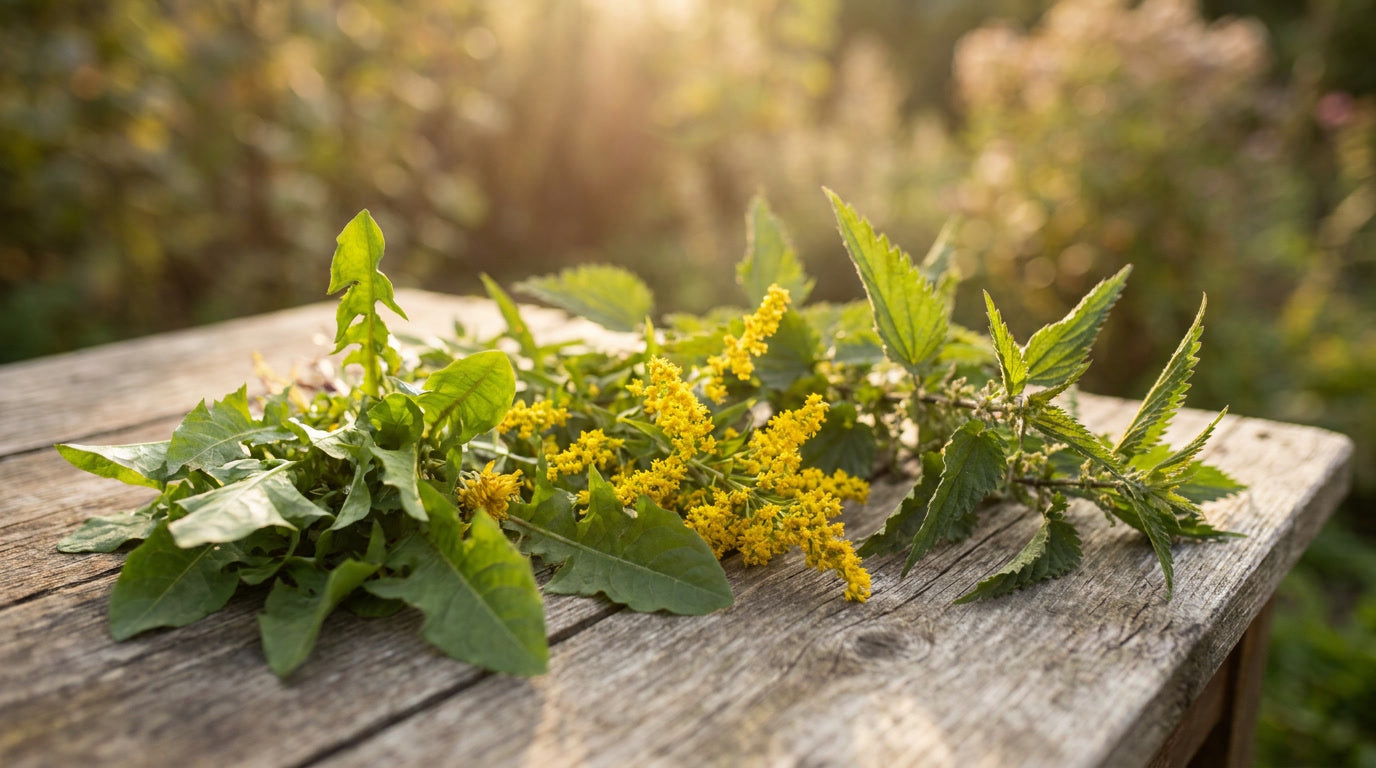
- Löwenzahn (Taraxacum officinale): In der Klostermedizin als „Reinigungskraut des Frühlings" bekannt und historisch für seine ausgleichenden Eigenschaften geschätzt. Blätter und Wurzel finden traditionell Verwendung.
- Fenchel (Foeniculum vulgare): Hildegard bezeichnete ihn als eines der wertvollsten Gewächse überhaupt – wärmend, harmonisierend und wohltuend. Traditionell als Tee und Gewürz eingesetzt.
- Bertram (Anacyclus pyrethrum): Ein in der modernen Naturheilkunde selten gewordenes, aber in Hildegards Werk häufig genanntes Kraut. Historisch als wärmendes, belebendes Gewürz und Heilkraut bekannt.
- Galgant (Alpinia officinarum): Hildegards „Lieblingsgewürz" – sie beschrieb es als besonders stärkend und wärmend. Wird traditionell als Tee oder Gewürz verwendet und ist in der Klostermedizin bis heute präsent.
- Petersilie (Petroselinum crispum): Historisch als Kräftigung für den Körper beschrieben und in der europäischen Volksmedizin über Jahrhunderte bekannt. Reich an Vitaminen und Mineralien.
Was steckt hinter den Hildegard-Kräutern?
Die in Hildegards Schriften beschriebenen Kräuter vereint eine Gemeinsamkeit: Sie werden in der europäischen Kräutertradition seit dem Mittelalter als Teil einer ausgewogenen, pflanzlichen Lebensweise betrachtet. Ihr Einsatz im Rahmen eines bewussten Alltagsrituals – als Tee am Morgen, als Zutat im Essen oder als konzentrierter Pflanzenextrakt – entspricht dem Hildegard'schen Prinzip der Viriditas: der lebendigen Grünkraft, die in allen Pflanzen steckt und die der Mensch sich zunutze machen kann, um im Einklang mit der Natur zu leben.
Das 7-Tage-Programm: So gestaltest du deine Entwässerungswoche
Das folgende Programm ist als sanfte Begleitung für sieben Tage gedacht – kein strenges Regime, sondern eine bewusste Einladung, traditionelles Kräuterwissen in den Alltag zu integrieren. Jeder Tag folgt einem ähnlichen Rhythmus: Morgenritual, pflanzliche Begleitung über den Tag, eine leichte, naturnahe Ernährung und ein Abendausklang. Das Programm lässt sich gut in eine normale Arbeitswoche einbauen und erfordert keine aufwendigen Vorbereitungen. alle Bitterkraft Produkte
Tage 1–2: Ankommen und Vorbereiten. Die ersten beiden Tage dienen dem sanften Einstieg. Beginne jeden Morgen mit einem großen Glas warmem Wasser – Hildegard empfahl warme Getränke, da Kälte ihrer Überzeugung nach die innere Wärme schwächt. Dazu kommt ein Tee aus Brennnessel und Fenchel, der über den Vormittag in kleinen Schlucken getrunken wird. Die Ernährung in diesen Tagen sollte leicht und pflanzenbetont sein: Gemüsesuppen, gedünstetes Gemüse, Dinkel (Hildegards Lieblingskorn) und frische Kräuter. Verarbeitete Lebensmittel, Alkohol und stark gesalzene Speisen werden in dieser Woche bewusst zurückgestellt.
Tage 3–5: Die aktive Phase. In der Mitte der Woche wird das Kräuterprogramm intensiviert. Jetzt kommt Löwenzahn-Tee hinzu – idealerweise aus frischen oder getrockneten Blättern gebrüht, dreimal täglich getrunken. Ergänzend dazu bietet sich ein Spaziergang in der Natur an, denn Hildegard legte großen Wert auf körperliche Bewegung im Freien als Teil jeder Kur. Die Ernährung bleibt leicht: Salate mit Wildkräutern (Löwenzahn, junge Brennnesselblätter), Dinkelgerichte, gedünsteter Fisch oder Hülsenfrüchte. Fasten-Produkte Trinkmenge: mindestens zwei Liter Kräutertee und stilles Wasser täglich. Abends kann ein Fußbad mit einem Aufguss aus Thymian und Rosmarin – ebenfalls von Hildegard beschriebene Kräuter – das Wohlbefinden fördern.
Tage 6–7: Ausklingen und Integrieren. Die letzten beiden Tage sind dem bewussten Ausklingen gewidmet. Das Morgenritual mit warmem Wasser und Kräutertee bleibt bestehen. Jetzt ist auch ein guter Zeitpunkt, um zu reflektieren, was sich verändert hat: Fühlt sich der Körper leichter an? Ist das Wohlbefinden gestiegen? Hildegard sah solche Ruhe- und Reflexionsphasen als integralen Bestandteil jeder Kur. Die Ernährung darf nun schrittweise wieder vielfältiger werden – allerdings mit einem neu geschärften Bewusstsein für die wärmende, pflanzliche Küche, die diese Woche begleitet hat. Das Ziel ist, einige der neu eingeführten Gewohnheiten dauerhaft beizubehalten.
Das Herzstück des Programms ist nicht der Verzicht, sondern das bewusste Hinzufügen: Kräutertees, Wildkräuter in der Küche, Bewegung in der Natur und ein regelmäßiges Morgenritual mit warmem Wasser – all das entspricht dem Geist der Hildegard'schen Klostermedizin und kann das allgemeine Wohlbefinden in dieser Woche spürbar bereichern.
Ernährung nach Hildegard: Was in der Entwässerungswoche auf den Tisch kommt
Hildegard von Bingen war eine leidenschaftliche Verfechterin einer bewussten, naturnahen Ernährung. Ihr Speiseplan basierte auf dem, was regional und saisonal verfügbar war – mit einer klaren Vorliebe für wärmende Gewürze, leichte Körner und frische Kräuter. Hildegard von Bingen Produkte Im Kontext unseres Entwässerungsprogramms lässt sich aus ihren Empfehlungen ein konkreter Ernährungsrahmen ableiten, der nicht nur traditionell fundiert, sondern auch alltagstauglich ist.
Dinkel war für Hildegard das Korn schlechthin – sie nannte ihn „das beste Getreide" und empfahl ihn als Grundlage für Brot, Suppen und Breie. In der modernen Ernährung wird Dinkel wegen seiner guten Verträglichkeit und seines charakteristischen Nährstoffprofils geschätzt. Für die Entwässerungswoche eignet sich Dinkel als Grundlage für warme Frühstücksbreie (mit Zimt und Ingwer gewürzt, beide von Hildegard geschätzt), als Brot zum Mittagessen oder als Beilage zu gedünstetem Gemüse. Weißmehlprodukte, die den Körper nach Hildegards Überzeugung „belasten", bleiben in dieser Woche bewusst außen vor.
Gemüse sollte in der Hildegard-Woche bevorzugt warm und gegart gegessen werden – Rohkost in großen Mengen war in ihrer Lehre eher für kräftige, warme Konstitutionen gedacht. Fenchel, Pastinaken, Karotten, Lauch und Sellerie gehören zu den Gemüsesorten, die in ihren Schriften positiv erwähnt werden. Besonders empfehlenswert in dieser Woche: eine tägliche Gemüsebrühe, die mit Galgant, Petersilie und etwas Bertram verfeinert wird – eine Art flüssiger Extrakt aus Hildegards Kräuterschatz. Diese Brühe kann über den Tag verteilt getrunken oder als Basis für Suppen verwendet werden.
Hildegards Dinkel-Kräutersuppe – ein klassisches Wochenrezept:
Zutaten: 1 Tasse Dinkelkörner (über Nacht eingeweicht), 2 Karotten, 1 Fenchelknolle, 1 Stange Lauch, frische Petersilie, eine Prise Galgant-Pulver, Meersalz, 1,5 Liter Wasser.
Zubereitung: Gemüse grob schneiden, mit dem eingeweichten Dinkel und dem Wasser zum Kochen bringen. 40 Minuten sanft köcheln lassen. Zum Schluss Galgant, Salz und frische Petersilie hinzufügen. Diese Suppe vereint zentrale Elemente der Hildegard-Ernährung und ist ideal als Mittags- oder Abendgericht während der Entwässerungswoche.
Fleisch ist in Hildegards Ernährungslehre erlaubt, jedoch in Maßen – und in der Entwässerungswoche empfiehlt es sich, es auf ein Minimum zu reduzieren. Stattdessen stehen pflanzliche Eiweißquellen wie Linsen, Kichererbsen und Dinkel im Vordergrund. Süßigkeiten und Zucker, Kaffee in großen Mengen sowie Alkohol sollten in dieser Woche bewusst zurückgestellt werden – nicht aus einem Geist der Strenge, sondern um dem Körper die Möglichkeit zu geben, das pflanzliche Programm bestmöglich zu integrieren.
Hildegard von Bingen betonte stets: Essen ist mehr als Nahrungsaufnahme – es ist ein Akt der Achtsamkeit gegenüber dem eigenen Körper. Wer in dieser Woche bewusst auf wärmende, pflanzliche und traditionell verankerte Lebensmittel setzt, macht eine Erfahrung, die weit über sieben Tage hinauswirken kann.
Nach der Woche: Wie du die Hildegard-Prinzipien dauerhaft in deinen Alltag integrierst
Sieben Tage sind ein Anfang – aber das eigentliche Ziel ist eine nachhaltige Veränderung im Alltag. Hildegard von Bingen dachte nicht in Kurzzeit-Programmen: Für sie war ein gesundheitsbewusstes Leben eine dauerhafte Haltung, ein tägliches Ja zur Natur und zu den eigenen Bedürfnissen. Viele der in dieser Woche eingeführten Gewohnheiten lassen sich mühelos in den Alltag überführen und entfalten ihren Nutzen gerade durch ihre Regelmäßigkeit. Leber-Produkte von Bitterkraft
Das Morgenritual mit einem großen Glas warmem Wasser ist vielleicht die einfachste und wirkungsvollste Gewohnheit, die man aus dieser Woche mitnehmen kann. Ergänzt durch einen täglichen Kräutertee – Brennnessel, Fenchel oder Löwenzahn je nach Saison und Vorliebe – schafft man eine tägliche Verbindung zur pflanzlichen Tradition, die sich über die Zeit tief im Alltag verankert. Hildegard selbst beschrieb den Morgen als die wichtigste Zeit des Tages, in der Körper und Geist für die Anforderungen des Tages vorbereitet werden sollten. Immunsystem-Produkte
Für alle, die tiefer in die Welt der Hildegard-Kräuter eintauchen möchten, bietet sich eine ergänzende Unterstützung durch hochwertige Pflanzenextrakte und Kräuterpräparate an, wie sie in der modernen Naturheilkunde verbreitet sind. Konzentrierte Extrakte aus Brennnessel, Löwenzahn oder Galgant ermöglichen es, auch im hektischen Alltag von der traditionellen Kräuterweisheit zu profitieren – ohne täglich frische Kräuter ansetzen zu müssen. BitterKraft Original Wichtig ist dabei, auf Qualität zu achten: traditionell hergestellte Extrakte aus kontrolliertem Anbau, die den Geist der Klostermedizin aufgreifen, ohne Kompromisse beim Rohstoff einzugehen.
Bewegung in der Natur, bewusste Ernährung, regelmäßige Kräuterrituale und eine achtsame Haltung gegenüber dem eigenen Körper – das sind die vier Säulen, auf denen Hildegards Gesundheitslehre ruht. Sie sind so zeitlos, dass sie sich ohne Weiteres in das 21. Jahrhundert übersetzen lassen. Wer das 7-Tage-Programm als Einstieg nutzt und danach auch nur zwei oder drei dieser Gewohnheiten beibehält, hat im Sinne Hildegards bereits einen bedeutenden Schritt getan.
Das Geheimnis der Hildegard-Methode liegt in ihrer Einfachheit: keine Hightech-Mittel, keine komplexen Systeme – sondern der respektvolle Umgang mit dem, was die Natur seit Jahrhunderten bereitstellt. Das kann das allgemeine Wohlbefinden langfristig unterstützen und gibt dem Sommer den besten erdenklichen Start.
Die moderne Phytotherapieforschung beschäftigt sich zunehmend mit Pflanzen, die in der mittelalterlichen Klostermedizin eine zentrale Rolle spielten. Hildegard-Kräuter wie Brennnessel und Löwenzahn sind Gegenstand zahlreicher ethnobotanischer Studien, die deren jahrhundertelange traditionelle Verwendung in Europa dokumentieren und im Kontext zeitgenössischer Naturheilkunde neu bewerten. (Quelle: Mayer, J.G. & Uehleke, B.: Hildegard-Medizin, Zabert Sandmann Verlag, 2019)

Hinterlasse einen Kommentar
Diese Website ist durch hCaptcha geschützt und es gelten die allgemeinen Geschäftsbedingungen und Datenschutzbestimmungen von hCaptcha.