

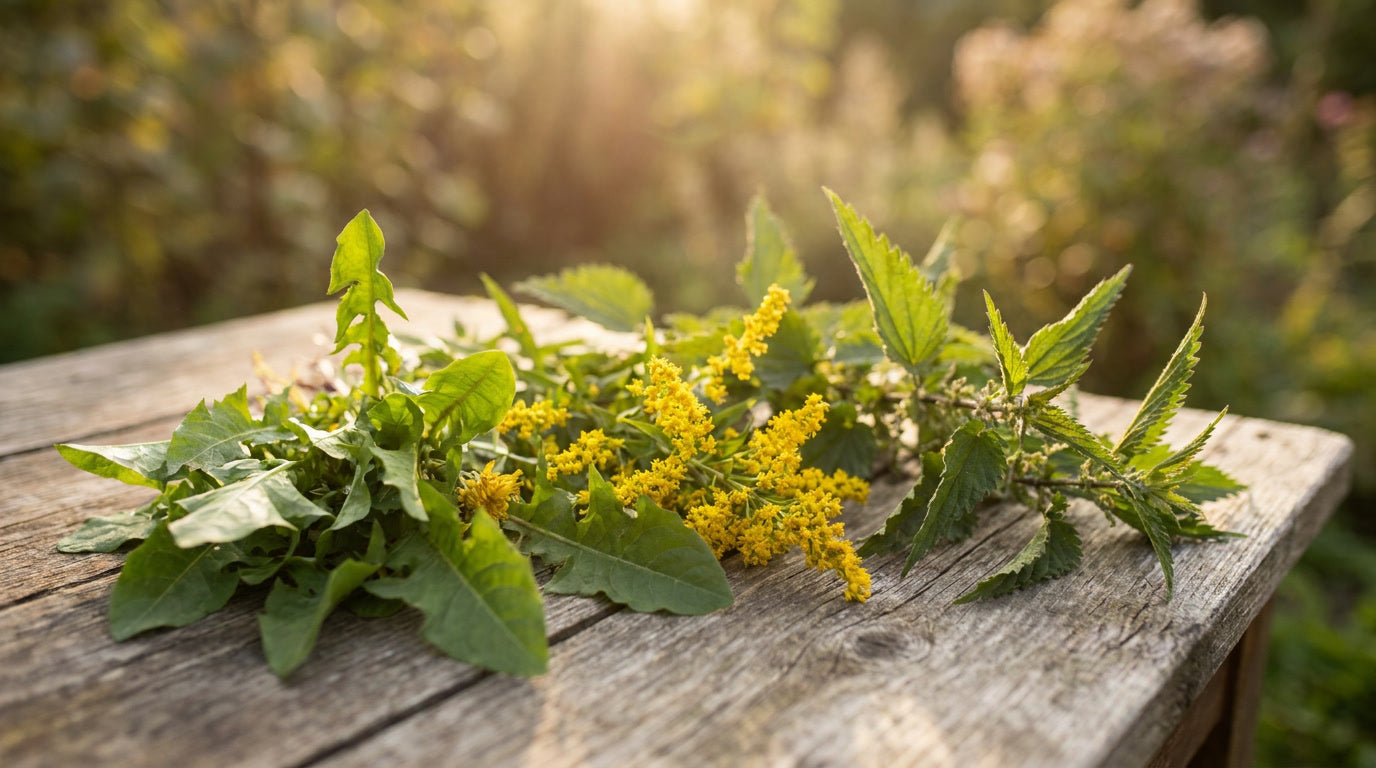
Die Nieren gehören zu den stillen Arbeitern unseres Körpers – Tag für Tag, ohne Pause, übernehmen sie eine der anspruchsvollsten Aufgaben im menschlichen Organismus. In der traditionellen Heilkunde und insbesondere in der Klostermedizin des Mittelalters war man sich dieser Bedeutung schon lange bewusst. Lange bevor moderne Medizin Einzug hielt, griffen Kräuterkundige und Heilkundige zu bitteren Pflanzen, um die körperliche Balance zu unterstützen und das allgemeine Wohlbefinden zu pflegen. Heute erleben Bitterstoffe eine bemerkenswerte Renaissance – und wer sich für BitterKraft Original interessiert, stößt unweigerlich auch auf ihre traditionelle Verbindung zu den Nieren.
Die Nieren in der traditionellen Heilkunde: Mehr als ein Filterorgan
In der Welt der traditionellen europäischen Naturheilkunde galten die Nieren als Sitz der Lebenskraft und inneren Wärme. Hildegard von Bingen, die große Äbtissin und Heilkundige des 12. Jahrhunderts, beschrieb die Nieren in ihrem Werk Physica als zentrale Instanz für das körperliche Gleichgewicht. Für sie waren gesunde Nieren eng verbunden mit einem harmonischen Zusammenspiel der Säfte – ein Gedanke, der tief in der humoralpathologischen Tradition verwurzelt ist. Kräuter, die man in ihrem Klostergarten kultivierte, wurden nicht zufällig ausgewählt, sondern gezielt nach ihrer überlieferten Wirkung auf bestimmte Körperbereiche.
Besonders interessant ist, dass Hildegard den Nieren eine enge Verbindung zur allgemeinen Vitalität und Lebensfreude zuschrieb. In ihrer Weltsicht war ein Mensch, dessen Nieren im Gleichgewicht waren, widerstandsfähiger gegenüber Erschöpfung und äußeren Belastungen. Diese ganzheitliche Betrachtungsweise steht im deutlichen Kontrast zum modernen, rein organspezifischen Denken – und genau darin liegt ihr zeitloser Charme. Wer die Hildegard von Bingen Produkte Tradition kennenlernt, entdeckt eine Heilkunde, die den Menschen als Gesamtes betrachtet.
„Die Nieren sind wie die Wurzeln eines Baumes – wenn sie gesund sind, steht der Mensch fest. Wenn sie leiden, welkt auch der Rest." – Sinngemäß überliefert aus den Schriften Hildegards von Bingen, Causae et Curae, 12. Jahrhundert.
Diese alte Weisheit findet sich nicht nur in der europäischen Klostermedizin, sondern auch in der traditionellen chinesischen Medizin (TCM), der ayurvedischen Heilkunde und bei den Naturvölkern Nordamerikas. Überall dort, wo Menschen seit Jahrhunderten mit Pflanzen heilten, spielten nierenpflegende Kräuter eine bedeutende Rolle. Bittere Pflanzen wie Löwenzahn, Schafgarbe oder Hauhechel finden sich in den Kräuterbüchern verschiedenster Kulturen – ein starkes Zeichen dafür, dass die Menschen überall intuitiv zu denselben Pflanzen griffen.
Bitterstoffe und ihre traditionelle Bedeutung für das Wohlbefinden
Bitterstoffe – im Deutschen oft schlicht „Amara" genannt – sind eine chemisch vielfältige Gruppe von Pflanzenstoffen, die alle eines gemeinsam haben: ihren charakteristisch herben Geschmack. In der modernen Ernährung sind sie weitgehend verschwunden, weggezüchtet oder durch Verarbeitung entfernt. Dabei war Bitterkeit in der traditionellen Ernährung selbstverständlich – ob im Wildkräutersalat, im Kräutertrank oder im Bitterwasser des Klosters. Historisch betrachtet wurden Bitterpflanzen als wertvolle Begleiter für ein langes, vitales Leben geschätzt und in der Klostermedizin systematisch eingesetzt.
Bitterstoffe gelten in der traditionellen Heilkunde seit Jahrhunderten als Schlüssel zu einem ausgeglichenen inneren Milieu – ihr Fehlen in der modernen Ernährung wird von Naturheilkundlern als bedeutsamer Verlust betrachtet.
Für die Nieren ist der Zusammenhang mit Bitterstoffen in der überlieferten Heilkunde besonders interessant: Viele der traditionell als nierenfreundlich geltenden Kräuter besitzen gleichzeitig einen ausgeprägten Bittergeschmack. Die Überlieferungen sprechen davon, dass diese Pflanzen das innere Gleichgewicht unterstützen, das allgemeine Wohlbefinden pflegen und den Körper in seiner natürlichen Reinigungsarbeit begleiten sollen. Es geht dabei nicht um pharmakologische Eingriffe, sondern um die sanfte Ergänzung einer bewussten Lebensweise.
Was steckt hinter dem Bittergeschmack?
Bitterstoffe sind sekundäre Pflanzenstoffe, die Pflanzen als Schutz vor Fraßfeinden entwickelt haben. Chemisch handelt es sich dabei um eine bunte Mischung: Sesquiterpenlactone (z. B. in Artischocke und Löwenzahn), Iridoide (z. B. in Enzian und Tausendgüldenkraut), Alkaloide und phenolische Verbindungen. In der traditionellen Heilkunde werden all diese Stoffe als Teil eines harmonischen Ganzen betrachtet – man schätzt die ganze Pflanze, nicht den isolierten Wirkstoff. Auf BitterKraft Original findest du ausführlichere Informationen über die Welt der Bitterstoffe.
Hildegard von Bingen war davon überzeugt, dass ein maßvoller Umgang mit bitteren Kräutern dem ganzen Menschen zugutekam. Sie empfahl regelmäßige Kräuterkuren nicht als Ausnahmetherapie, sondern als festen Bestandteil eines gesunden Lebensrhythmus. Diese Idee des regelmäßigen, ritualisierten Einsatzes von Bitterstoffen ist auch heute noch inspirierend – gerade in einer Zeit, in der viele Menschen nach Orientierung in der Fülle moderner Gesundheitsangebote suchen.
Traditionell bekannte Bitterkräuter mit Bezug zu den Nieren
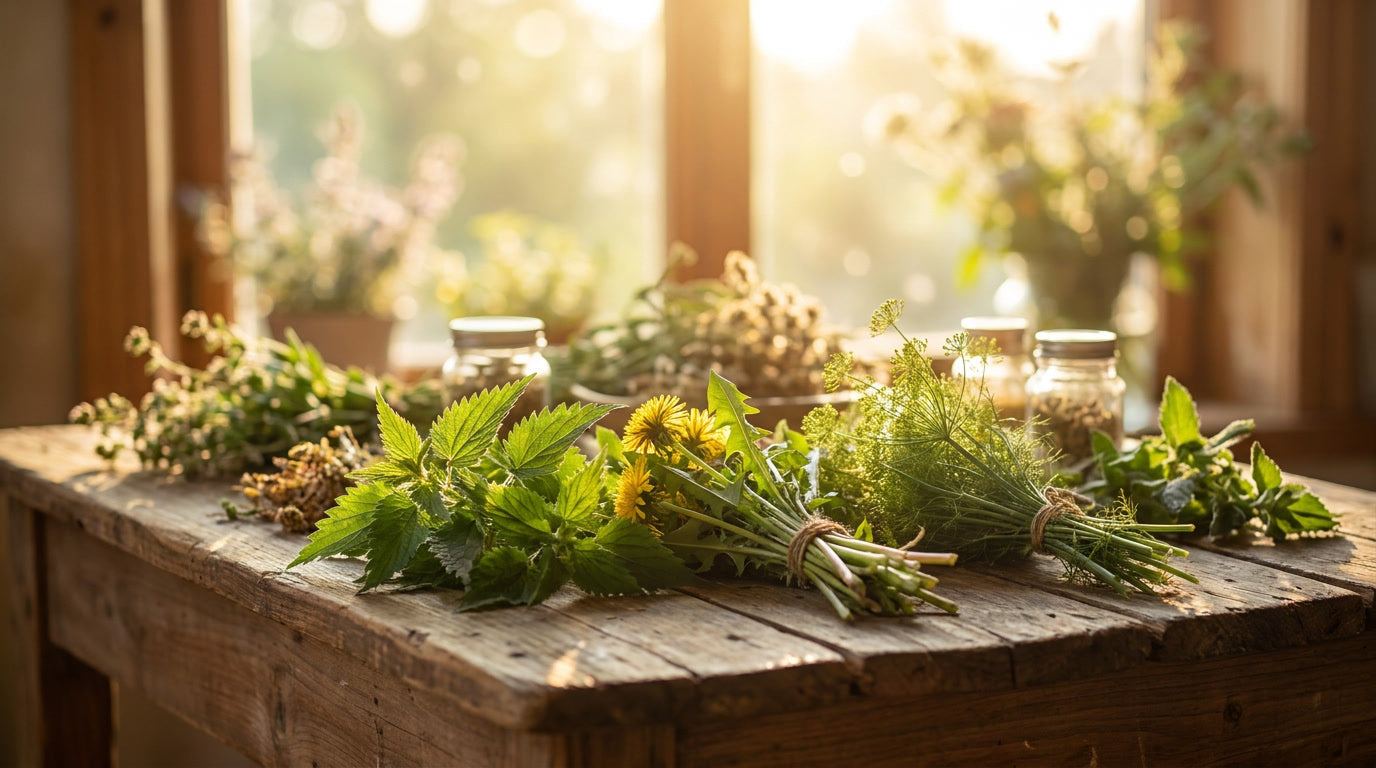
Die Klostermedizin kannte eine beeindruckende Vielfalt an Kräutern, die traditionell in Verbindung mit dem Wohlbefinden der Nieren erwähnt wurden. Viele dieser Pflanzen wachsen noch heute in Bauerngärten, an Wegrändern oder auf Wiesen – und können als Teil einer bewussten Ernährungs- und Lebensstilpflege in den Alltag integriert werden. Es geht dabei nicht um Selbstmedikation, sondern um das Ergänzen einer gesunden Lebensweise mit traditionell geschätzten Pflanzen.
Traditionell bekannte Bitterkräuter mit Bezug zu Niere und Wohlbefinden:
- Löwenzahn (Taraxacum officinale): Eines der bekanntesten Frühlingskräuter überhaupt – in der Klostermedizin traditionell für seine belebende Wirkung auf den gesamten Organismus geschätzt. Löwenzahn wurde seit dem Mittelalter als allgemeines Kräftigungsmittel verwendet und ist reich an Bitterstoffen, die dem Körper als natürliche Ergänzung dienen.
- Brennnessel (Urtica dioica): Die Brennnessel gehört zu den ältesten Heilpflanzen Europas und findet sich in nahezu jedem überlieferten Kräuterbuch. Traditionell wurde sie im Frühjahr als Reinigungspflanze geschätzt und galt als Symbol für Kraft und Vitalität.
- Schafgarbe (Achillea millefolium): Hildegard von Bingen erwähnt die Schafgarbe als eine der vielseitigsten Heilpflanzen. Sie wurde traditionell zur allgemeinen Kräftigung verwendet und ist für ihren leicht bitteren, aromatischen Geschmack bekannt.
- Birkenblätter (Betula pendula): Die Birke gilt in der nordischen und mitteleuropäischen Volksmedizin seit Jahrhunderten als Baum der Erneuerung. Birkenblätter wurden traditionell im Frühjahr gesammelt und als Kräutertee zur allgemeinen Belebung verwendet.
- Goldrute (Solidago virgaurea): Die Goldrute ist in der europäischen Volksmedizin für ihre enge Verbindung mit dem Wohlbefinden der Nieren bekannt. Historisch wurde sie in zahlreichen Kräuterbüchern des 16. und 17. Jahrhunderts ausdrücklich als nierenstärkendes Kraut beschrieben.
- Hauhechel (Ononis spinosa): Diese stachelige Leguminose findet sich in mittelalterlichen Kräuterrezepten als traditionelles Mittel zur allgemeinen Unterstützung. Hildegard schätzte Pflanzen wie die Hauhechel als Zeichen der Heilkraft der wilden Natur.
- Tausendgüldenkraut (Centaurium erythraea): Eines der bittersten Kräuter der europäischen Heilkunde und seit der Antike bekannt. Es gehört zu den klassischen Bittermitteln der Klostermedizin und wurde als tonisierendes Kraut für den gesamten Organismus tradiert.
Diese Pflanzen wurden in der Klostermedizin selten einzeln, sondern meist in sorgfältig komponierten Mischungen verwendet. Die Kunst des Kräuterblendierens war ein hohes Wissen, das von Generation zu Generation weitergegeben wurde. Heute lebt diese Tradition in qualitativ hochwertigen Kräuterprodukten weiter, die auf historischen Rezepturen basieren und das überlieferte Wissen für den modernen Alltag zugänglich machen. Wer tiefer in die Welt der Hildegard von Bingen Produkte Heilkunde einsteigen möchte, wird dort eine reiche Quelle der Inspiration finden.
Die Kombination verschiedener Bitterkräuter in einer Mischung entspricht der alten Klostermedizin-Tradition: Erst das Zusammenspiel der Pflanzen entfaltet die volle Breite des überlieferten Wohlbefindens.
Hildegards Kräuterwissen in der modernen Anwendung
Hildegard von Bingen hinterließ uns mit ihren Schriften ein erstaunlich detailliertes und kohärentes System der Naturheilkunde. Für sie war jede Pflanze ein Geschenk der Schöpfung mit einem bestimmten Platz im großen Gefüge des Lebens. Ihr Ansatz war dabei immer ganzheitlich: Sie betrachtete die Nieren nie isoliert, sondern stets im Zusammenhang mit dem Verdauungssystem, der Leber-Produkte von Bitterkraft, dem emotionalen Wohlbefinden und dem Lebensrhythmus des Menschen. Wer Hildegards Schriften liest, begegnet einem Denken, das verblüffend modern wirkt – trotz oder gerade wegen seiner tiefen Verwurzelung in der christlich-mystischen Tradition.
„Jedes Kraut, das Gott erschaffen hat, trägt in sich die Weisheit seiner Bestimmung. Der Mensch soll sie kennen und nutzen, nicht aus Neugier, sondern aus Ehrfurcht." – Hildegard von Bingen, Physica, 12. Jahrhundert.
Der Umgang mit Bitterkräutern war für Hildegard kein Widerspruch zur körperlichen Freude am Leben – ganz im Gegenteil. Sie empfahl ihre Kräuterkuren als Ausdruck einer liebevollen Selbstfürsorge, als bewussten Akt der Zuwendung zum eigenen Körper. In dieser Tradition steht auch der moderne Ansatz von Bitterkraft.com: Bitterstoffe nicht als Medizin zu verstehen, sondern als kultivierte Ergänzung eines bewussten Lebensstils. Fasten-Produkte und bewusste Ernährungspausen wurden übrigens auch von Hildegard empfohlen – als Zeiten der inneren Reinigung und Erneuerung.
Hildegards Prinzip der „Viriditas" – die grüne Lebenskraft
Hildegard prägte den Begriff Viriditas – die „Grünkraft" oder Lebendigkeit, die allem Lebendigen innewohnt. Sie glaubte, dass Pflanzen diese Kraft in konzentrierter Form besitzen und sie beim Menschen, der sie in sich aufnimmt, erneuern und stärken können. Bittere Kräuter galten ihr dabei als besonders kraftvoll, weil sie trotz widriger Bedingungen gedeihen und ihre Lebendigkeit bewahren. Diese Idee der Viriditas ist heute eines der inspirierendsten Konzepte der Hildegard-Medizin und lädt dazu ein, Pflanzen mit neuen Augen zu betrachten.
Wer Hildegards Kräuterwissen in den modernen Alltag integrieren möchte, muss keine Nonne oder Mönch sein. Es geht vielmehr darum, kleine Rituale zu etablieren: ein täglicher Bittertee am Morgen, ein bewusstes Innehalten beim Kräutersammeln im Frühling, das Kochen mit bitteren Wildkräutern wie Löwenzahn oder Rucola. Diese kleinen Gesten der Aufmerksamkeit für die eigene Gesundheit sind es, die in der langen Tradition der Klostermedizin als heilsam galten – nicht die große einmalige Kur, sondern die gelebte, tägliche Fürsorge für Körper und Seele.
Bitterkräuter in der Alltagspraxis: Vom Wissen zum Ritual
Wissen allein reicht nicht – die traditionelle Heilkunde betonte immer auch die Bedeutung der Praxis, des gelebten Wissens. Kräuter zu kennen ist das eine; sie regelmäßig und bewusst in den Alltag zu integrieren, ist das andere. Die Klöster des Mittelalters waren in dieser Hinsicht vorbildlich: Kräuterkuren, Fastenzeiten und die saisonale Nutzung von Wildpflanzen waren fest in den Jahresrhythmus eingebettet. Dieser strukturierte, rhythmische Umgang mit Heilpflanzen ist ein Gedanke, den wir heute neu entdecken.
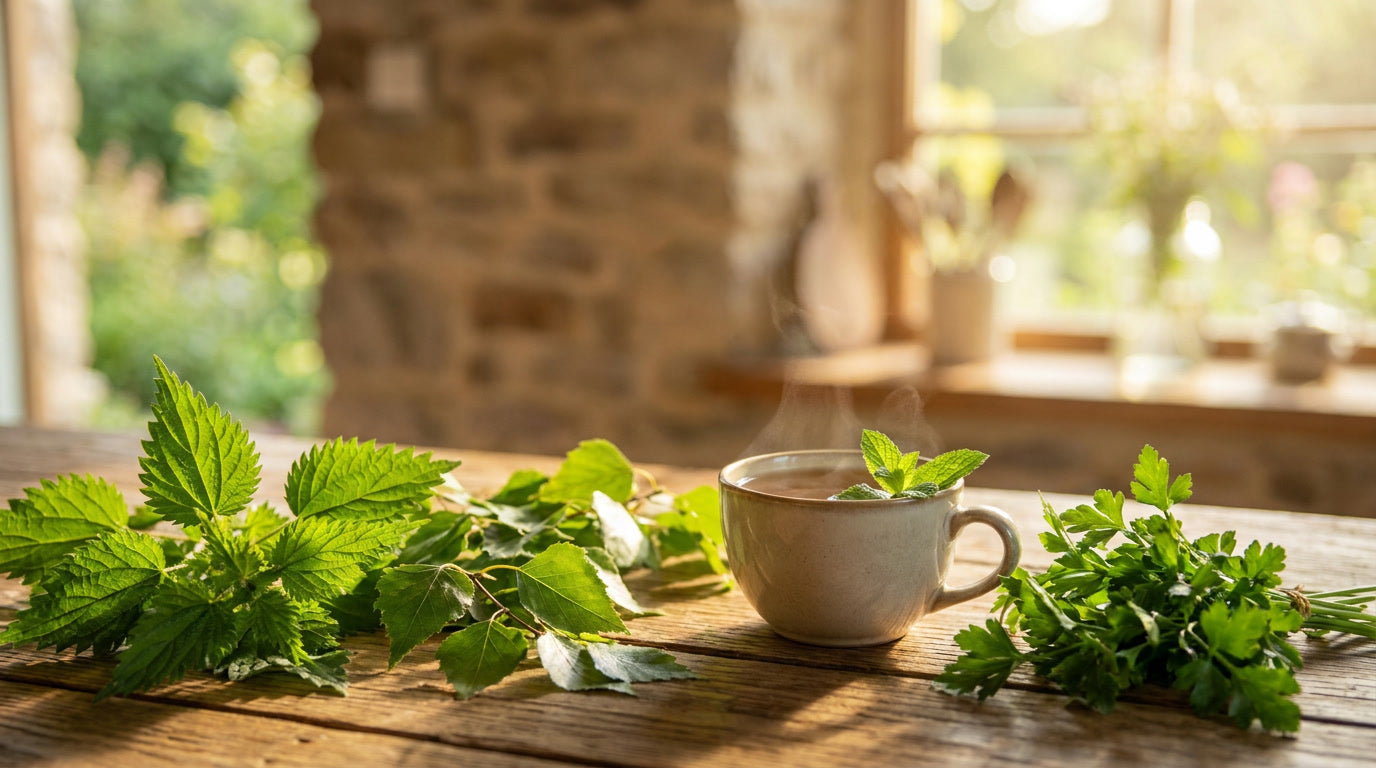
Eine einfache und gleichzeitig wirkungsvolle Möglichkeit, Bitterkräuter im Sinne der Tradition zu nutzen, ist die Zubereitung von Kräutertees aus den oben genannten Pflanzen. Besonders im Frühjahr – der klassischen Zeit der inneren Erneuerung – haben Brennnessel, Löwenzahn und Birkenblätter traditionell Hochkonjunktur. Aber auch als Ergänzung zu den Mahlzeiten, etwa in Form von bitteren Blattsalaten oder aromatischen Kräuterölen, lassen sich Bitterstoffe genussvoll in den Speiseplan integrieren. Wer mehr über den Darm- und Verdauungsprodukte und seine enge Verbindung mit anderen Körpersystemen erfahren möchte, findet dort weitere hilfreiche Informationen.
Das tägliche Ritual des Bitterstoff-Konsums – ob als Tee, Tinktur oder Ergänzung zur Mahlzeit – entspricht dem alten Kloster-Prinzip der konsequenten, liebevollen Selbstfürsorge und ist zeitlos modern.
Neben dem Tee sind Bittertropfen und Tinkturen eine praktische Alternative für den modernen Alltag. Traditionell wurden Kräuter in Alkohol oder Essig angesetzt, um ihre wertvollen Inhaltsstoffe zu konzentrieren. Diese Zubereitungsformen haben den Vorteil, dass die Bitterstoffe direkt auf der Zunge wahrgenommen werden – und nach überlieferter Auffassung beginnt ihre Wirkung bereits mit dem ersten Kontakt mit den Geschmacksrezeptoren im Mund. Wer sich für hochwertige Produkte interessiert, die auf historischen Rezepturen basieren, wird auf alle Bitterkraft Produkte fündig.
Wichtig ist dabei immer die Qualität der verwendeten Pflanzen: In der Klostermedizin wurde penibel auf Herkunft, Erntezeitpunkt und Verarbeitungsweise geachtet. Kräuter galten als besonders wertvoll, wenn sie zur richtigen Jahreszeit und am richtigen Ort geerntet wurden – diese Sorgfalt lässt sich auch heute noch als Maßstab anlegen, wenn man Kräuterprodukte auswählt. Biologischer Anbau, schonende Trocknung und transparente Herkunft sind moderne Entsprechungen dieser alten Qualitätsansprüche.
Die ganzheitliche Perspektive: Nieren, Immunsystem und inneres Gleichgewicht
In der traditionellen Heilkunde wurde kein Organ als isoliertes System betrachtet. Nieren, Leber-Produkte von Bitterkraft, Immunsystem-Produkte und das Wohlbefinden der Seele galten als ein untrennbares Geflecht gegenseitiger Abhängigkeiten. Eine Schwächung in einem Bereich zog nach alter Überzeugung unweigerlich Auswirkungen auf die anderen nach sich. Diese Sichtweise ist es, die die traditionelle Naturheilkunde so komplex und gleichzeitig so tiefgründig macht. Wer Bitterstoffe für die Nieren einsetzt, tut nach dieser Logik gleichzeitig etwas für sein gesamtes inneres Gleichgewicht.
Hildegard verstand das Immunsystem – wenngleich sie diesen Begriff nicht kannte – als natürliche Widerstandskraft des Körpers, die sie „Discretio" nannte: die Fähigkeit des Organismus, das Richtige vom Falschen zu unterscheiden und sich zu schützen. Bitterkräuter galten ihr als Mittel zur Stärkung dieser Discretio, weil sie den Körper in seiner natürlichen Ordnung unterstützen. Diese Idee einer pflanzlichen Unterstützung der körpereigenen Intelligenz ist ein zentrales Motiv der gesamten Klostermedizin-Tradition.
In einer Übersicht zur traditionellen europäischen Phytotherapie (Wichtl, Teedrogen und Phytopharmaka, 6. Aufl.) werden zahlreiche der hier genannten Bitterpflanzen – darunter Goldrute, Brennnessel und Birke – als seit Jahrhunderten in der Volksmedizin gebräuchliche Kräuter mit überliefertem Bezug zum Nierenwohl beschrieben. Die Autoren betonen die lange Tradition dieser Anwendungen als wesentlichen Teil des europäischen Kräuterwissens.
Die Verbindung zwischen innerer Reinigung, Wohlbefinden der Nieren und allgemeiner Vitalität zieht sich wie ein roter Faden durch die gesamte Geschichte der Naturheilkunde. Ob in europäischen Klöstern, in ayurvedischen Texten oder in der TCM – überall begegnen wir der Überzeugung, dass ein regelmäßiges, achtsames Pflegen der inneren Organe zu einem längeren, freudigeren Leben beiträgt. Diese universale Weisheit ist es, die Bitterstoffe heute so relevant macht – nicht als Wundermittel, sondern als zeitlose Begleiter auf dem Weg zu einem bewussteren Leben. Wer auch das Thema Schlaf- und Entspannungsprodukte im Blick hat, wird feststellen, dass auch hier die Klostermedizin überraschend aktuelle Antworten bereithält.
Am Ende ist die Botschaft der traditionellen Heilkunde eine einfache und zugleich tiefe: Schenke deinem Körper Aufmerksamkeit, ergänze deine Ernährung mit dem, was die Natur bereitstellt, und tue es mit Kontinuität und Freude. Die Nieren – wie alle anderen Organe – werden diese Zuwendung auf ihre eigene stille Weise würdigen. Bitterstoffe sind in dieser Tradition nicht Therapie, sondern Lebenskunst.

Hinterlasse einen Kommentar
Diese Website ist durch hCaptcha geschützt und es gelten die allgemeinen Geschäftsbedingungen und Datenschutzbestimmungen von hCaptcha.