

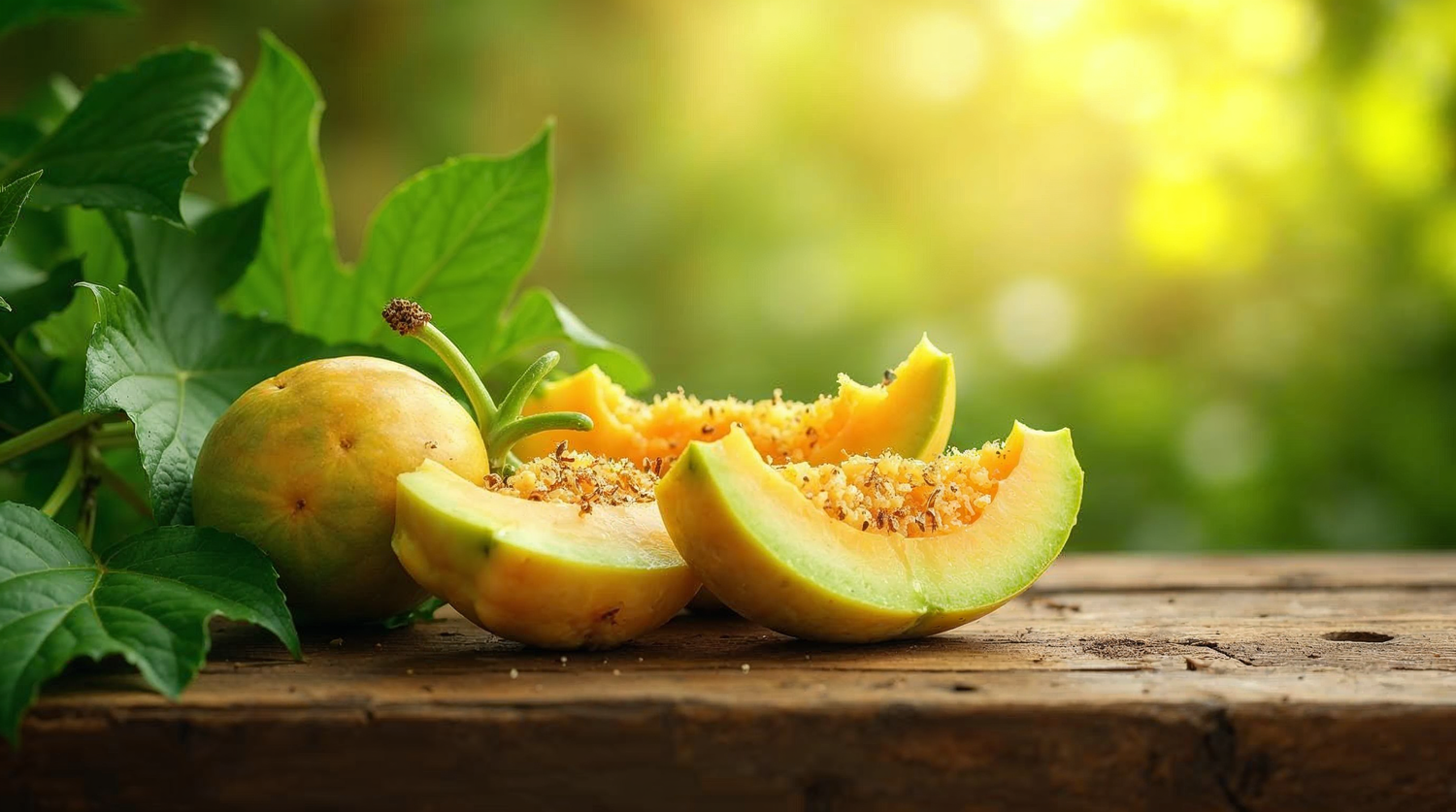
Wer zum ersten Mal eine Bittermelone in der Hand hält, ist meist überrascht: Die höckerige, intensiv grüne Frucht sieht aus wie etwas aus einer anderen Welt – und tatsächlich stammt sie aus einer anderen Küchen- und Heilkulturtradition als die meisten heimischen Gemüsesorten. In Südostasien, Indien, China und Westafrika gehört die Bittermelone seit Jahrtausenden zum Alltag – als Gemüse, als Tee-Zutat und als geschätzter Bestandteil traditioneller Heilpraktiken. Ihr intensiver, unverwechselbarer Geschmack ist dabei kein Makel, sondern ihr Markenzeichen: Er zeugt von einem außergewöhnlich reichen Bitterstoffprofil, das Naturheilkunde-Begeisterte weltweit fasziniert. BitterKraft Original
Die Bittermelone – eine Pflanze mit langer Traditionsgeschichte
Die Bittermelone (Momordica charantia) gehört zur Familie der Kürbisgewächse und ist in tropischen und subtropischen Regionen beheimatet. Ihre Kultivierung reicht in Asien und Afrika weit zurück – erste schriftliche Erwähnungen finden sich in chinesischen Kräuterbüchern aus dem 14. Jahrhundert, und in der indischen Ayurveda-Tradition gilt sie als eine der bedeutendsten Bitterstoffe-Pflanzen überhaupt. Die Frucht wächst an rankenden Kletterpflanzen, die unter günstigen Bedingungen erstaunlich üppig gedeihen und mit ihren gefiederten Blättern und leuchtend gelben Blüten auch optisch bestechen.
Was die Bittermelone von anderen Gemüsesorten unterscheidet, ist ihr konsequent bitterer Geschmack, der sich durch die gesamte Frucht zieht – Schale, Fruchtfleisch und Samen. Dieser Bittergeschmack nimmt mit zunehmender Reife zu, weshalb in der asiatischen Küche meist unreife, grüne Exemplare verwendet werden. Wer die Frucht zum ersten Mal probiert, braucht oft etwas Überwindung – doch gerade diese Überwindung ist für viele Naturheilkunde-Enthusiasten Teil des Rituals: bewusst und achtsam etwas annehmen, was der Gaumen zunächst ablehnt.
In der Geschichte der Naturheilkunde und Volksmedizin spielt die Bittermelone eine bemerkenswerte Rolle. Von der traditionellen chinesischen Medizin über das ayurvedische System bis hin zu westafrikanischen Heiltraditionen – überall dort, wo die Pflanze heimisch ist, wurde sie über Generationen weitergegeben, gepflegt und in das lokale Heilwissen eingebettet. Diese breite kulturelle Verwurzelung macht sie zu einem besonders interessanten Objekt für alle, die sich für traditionelles Pflanzenwissen interessieren. Hildegard von Bingen Produkte
In der ayurvedischen Heilkunde gilt Momordica charantia als eine der klassischen „Tikhta-Dravya" – also Heilpflanzen der Bitterkategorie – und wird dort seit mehr als 3.000 Jahren traditionell genutzt. Ähnliche Überlieferungen finden sich in der traditionellen chinesischen Medizin, wo die Frucht unter dem Namen „Kǔguā" (苦瓜), wörtlich „bittere Melone", als belebendes Sommer-Gemüse geschätzt wird.
Die Bittermelone gehört zu den am intensivsten erforschten tropischen Nutzpflanzen der Welt – ihr außergewöhnliches Bitterstoffprofil macht sie zu einem festen Bestandteil ethnobotanischer Studien auf allen Kontinenten.
Bitterstoffprofil: Was steckt hinter dem intensiven Geschmack?
Der markante Geschmack der Bittermelone ist kein Zufall der Natur, sondern das Ergebnis eines komplexen Zusammenspiels verschiedener sekundärer Pflanzenstoffe. Allen voran sind es Cucurbitacine – eine Gruppe von Triterpenen, die in der Familie der Kürbisgewächse weit verbreitet sind und für intensive Bitternoten verantwortlich zeichnen. In der Bittermelone kommen diese Verbindungen in besonders hoher Konzentration vor, was sie in ihrem Bitterstoffgehalt selbst von anderen bitteren Gemüsesorten wie Rucola oder Chicorée deutlich abhebt.
Die wichtigsten Bitterstoff-Verbindungen der Bittermelone:
Momordicin: Ein typisches Cucurbitacin-Derivat, das für den charakteristischen, anhaltenden Bittergeschmack der Frucht verantwortlich ist. Es findet sich in allen Pflanzenteilen – Blättern, Früchten, Samen und Wurzeln.
Charantin: Ein pflanzliches Steroidglykosid, das ausschließlich in Momordica charantia vorkommt und in der Pflanzenforschung besonderes Interesse genießt.
Polypeptid-P: Ein insulinähnliches pflanzliches Peptid, das ebenfalls nur in dieser Pflanze nachgewiesen wurde und Gegenstand zahlreicher ethnobotanischer Untersuchungen ist.
Vicine: Ein Alkaloid, das vor allem in den Samen der Bittermelone vorkommt.
Quercetin & Kaempferol: Flavonoide mit ausgeprägten antioxidativen Eigenschaften, die in den grünen Blättern und der Schale konzentriert sind.
Neben den Bitterstoffen im eigentlichen Sinne enthält die Bittermelone eine respektable Menge an Vitaminen und Mineralien. Besonders hervorzuheben ist der Vitamin-C-Gehalt: 100 Gramm frische Bittermelone liefern bis zu 84 mg Vitamin C – das entspricht etwa 105 % des empfohlenen Tagesbedarfs für Erwachsene. Dazu kommen Vitamin A, verschiedene B-Vitamine, Folsäure sowie die Mineralstoffe Kalium, Magnesium, Zink und Eisen. Diese Kombination macht die Bittermelone zu einer echten Nährstoffquelle, nicht nur zu einem Bitterstoffträger. Immunsystem-Produkte
Interessant aus ethnobotanischer Sicht ist die Tatsache, dass verschiedene Kulturen unabhängig voneinander zur gleichen Schlussfolgerung kamen: Bitteres ist wertvoll. Diese kulturübergreifende Wertschätzung für Bitterstoffe deckt sich mit dem, was die Naturheilkunde seit Hildegard von Bingen und darüber hinaus lehrt – nämlich dass der Körper Bitterreize als wichtige Signale wahrnimmt und traditionell mit ihrer Hilfe das allgemeine Wohlbefinden unterstützt werden kann.
Mit einem Bitterwert, der je nach Sorte und Reifegrad deutlich über dem von Wermut oder Enzian liegt, zählt die Bittermelone zu den intensivsten Bitterstoffquellen im gesamten Pflanzenreich.
Hildegards Kräuterwissen und die Weisheit der Bitterstoffe
Hildegard von Bingen, die mittelalterliche Universalgelehrte und Äbtissin, kannte die Bittermelone als tropische Pflanze naturgemäß nicht aus eigener Anschauung – die Handelswege des Mittelalters brachten tropische Früchte nicht bis in die rheinischen Klostergärten. Doch ihr tiefes Verständnis für die Kraft der Bitterstoffe trifft sich auf faszinierende Weise mit dem, was die traditionellen Heilsysteme Asiens und Afrikas über die Bittermelone überliefern. Hildegard lehrte, dass bittere Pflanzen dem Menschen helfen, das innere Gleichgewicht zu wahren – eine Überzeugung, die sich wie ein roter Faden durch die gesamte Geschichte der Naturheilkunde zieht. Hildegard von Bingen Produkte
„Der Mensch soll nicht alles Bittere meiden, denn manches Bittere reinigt das Innere wie Feuer das Metall läutert." – sinngemäß nach Hildegard von Bingen, Physica, 12. Jahrhundert. Diese Grundhaltung gegenüber bitteren Pflanzenteilen findet sich in zahlreichen ihrer Schriften und spiegelt eine Weisheit wider, die heute durch die moderne Phytotherapie-Forschung neue Aufmerksamkeit erhält.
Die Klostermedizin, wie sie Hildegard maßgeblich geprägt hat, betrachtete Bitterstoffe nicht als lästige Geschmacksnoten, sondern als wesentliche Bestandteile einer ganzheitlichen Pflanzenheilkunde. Bitter galt als eine der grundlegenden Qualitäten, die der Mensch braucht, um im Gleichgewicht zu bleiben. In den Klostergärten wurden daher bewusst bittere Kräuter kultiviert – Wermut, Enzian, Tausendgüldenkraut, Schafgarbe – und in die Alltagsernährung integriert. Der bewusste Konsum bitterer Pflanzen war ein spiritueller wie auch praktischer Akt. Darm- und Verdauungsprodukte
Diese alte Weisheit erlebt heute eine Renaissance. Immer mehr Menschen entdecken die Welt der Bitterstoffe neu – sei es durch Bitterkräuter-Tinkturen, bittere Salate oder eben durch exotischere Quellen wie die Bittermelone. Das Interesse an traditionellem Pflanzenwissen wächst in einer Zeit, in der viele Menschen nach natürlichen Wegen suchen, ihr Wohlbefinden zu unterstützen und sich bewusster zu ernähren. Die Bittermelone passt dabei hervorragend in das Konzept eines „Hinzufügens" – man ergänzt die moderne Ernährung um etwas, das über Jahrtausende Bestandteil gesunder Esskulturen war.
Traditionelle Bitterpflanzen im Vergleich zur Bittermelone:
- Tausendgüldenkraut (Centaurium erythraea): Eines der am längsten genutzten Bitterkräuter Europas, in der Klostermedizin und bei Hildegard von Bingen hoch geschätzt. Traditionell als Tee oder Tinktur verwendet.
- Enzian (Gentiana lutea): Als „König der Bitterpflanzen" bezeichnet, wird Enzianwurzel seit der Antike traditionell genutzt und ist Bestandteil klassischer Bitterliköre und Kräuterextrakte.
- Wermut (Artemisia absinthium): Hildegard von Bingen widmete dem Wermut besondere Aufmerksamkeit in ihren Schriften. Die Pflanze enthält Absinthin und weitere Bitterterpene und wurde historisch in der europäischen Volksmedizin sehr breit eingesetzt.
- Schafgarbe (Achillea millefolium): In der Klostermedizin als „Allheilkraut" bekannt, enthält Schafgarbe neben ätherischen Ölen auch ausgeprägte Bitterstoffe und wird seit Jahrhunderten traditionell verwendet.
- Bittermelone (Momordica charantia): Das tropische Pendant zu den europäischen Bitterkräutern – mit einem der intensivsten Bitterstoffprofile im gesamten Pflanzenreich und einer Jahrtausende alten Traditionslinie in Asien und Afrika.
Bittermelone in der täglichen Praxis: Formen, Anwendung und Genuss
Wer die Bittermelone in seinen Alltag integrieren möchte, hat verschiedene Möglichkeiten. Die frische Frucht ist in vielen Asialäden und gut sortierten Supermärkten erhältlich. Für die Zubereitung empfiehlt sich das Entfernen der Kerne und des weißen Marks, da diese besonders intensiv bitter sind. In der asiatischen Küche wird die Bittermelone häufig blanchiert oder mit starken Aromen wie Knoblauch, Chili und Fischsauce kombiniert, um die Bitternote in eine harmonische Gesamtkomposition einzubetten. Wer den Geschmack noch intensiver erleben möchte, kann die Frucht roh in dünne Scheiben schneiden und als Teil eines bitteren Salats genießen – ganz im Sinne des bewussten Bitter-Erlebnisses. Fasten-Produkte
Neben der frischen Verwendung hat sich die Bittermelone auch in konzentrierter Form als Nahrungsergänzung etabliert. Extrakte aus Bittermelone sind als Kapseln, Pulver oder Flüssigextrakte erhältlich und bieten eine praktische Möglichkeit, die Bitterstoffe der Pflanze in die tägliche Routine zu integrieren – auch für jene, die den intensiven Geschmack der frischen Frucht (noch) nicht schätzen. Solche Produkte werden traditionell im Kontext einer bewussten, bitterstoffe-reichen Ernährung eingesetzt und passen gut in ein ganzheitliches Wohlbefindens-Konzept.
Als Tee ist die Bittermelone ebenfalls eine faszinierende Erfahrung. Getrocknete Scheiben oder Blätter der Pflanze werden mit heißem Wasser übergossen und einige Minuten gezogen – das Ergebnis ist ein intensiv bitteres, leicht erdiges Getränk, das in vielen asiatischen Ländern als Morgenritual geschätzt wird. Wer den Geschmack mildern möchte, kann ihn mit Ingwer, Zitrone oder Honig kombinieren. Für Einsteiger empfiehlt sich eine kurze Ziehzeit und eine kleine Menge – der Körper und der Gaumen können sich in Ruhe an das neue Geschmackserlebnis gewöhnen.
Bittermelone ist nicht nur ein Lebensmittel, sondern auch ein kulturelles Ritual: In vielen asiatischen Haushalten gehört der morgendliche Bittermelonen-Tee zu den überlieferten Gesundheitspraktiken – ähnlich wie in Europa das Kräutertrinken in der Klostermedizin.
Verschiedene Anwendungsformen der Bittermelone im Überblick:
Frische Frucht: Ideal für Pfannengerichte, Salate und Säfte. Grüne, unreife Exemplare sind am verbreitetsten – sie schmecken intensiv bitter, haben aber das vollständigste Nährstoffprofil.
Bittermelonen-Tee: Aus getrockneten Scheiben oder Blättern. Ein klassisches Ritual in Südostasien und Indien, das sich leicht in den Alltag integrieren lässt.
Extrakt / Kapseln: Konzentrierte Form für alle, die die Bitterstoffe ohne den intensiven Geschmack zu sich nehmen möchten. Praktisch für die tägliche Einnahme als Teil einer bewussten Lebensführung.
Pulver: Getrocknete, gemahlene Bittermelone lässt sich in Smoothies, Säfte oder Joghurt einrühren. Die Bitternote bleibt erhalten, wird aber durch andere Aromen abgemildert.
Ein wichtiger Aspekt bei der Anwendung der Bittermelone ist die Geduld – sowohl mit dem Geschmack als auch mit der Gewöhnung. Wer bisher wenig Bitteres in seiner Ernährung hatte, wird zunächst eine starke Reaktion auf den Geschmack bemerken. Dies ist physiologisch normal: Bitterrezeptoren auf der Zunge sind evolutionär als Warnsystem angelegt und reagieren empfindlich. Wer jedoch regelmäßig bitter isst und trinkt, wie es traditionelle Ernährungskulturen weltweit praktizieren, berichtet häufig, dass sich der Gaumen anpasst und der Bittergeschmack zunehmend als befriedigend und sogar angenehm wahrgenommen wird. Diese Umerziehung des Gaumens hin zu mehr Geschmacksvielfalt ist selbst ein lohnenswertes Ziel – unabhängig von allen anderen Aspekten der Pflanzenheilkunde. alle Bitterkraft Produkte


Hinterlasse einen Kommentar
Diese Website ist durch hCaptcha geschützt und es gelten die allgemeinen Geschäftsbedingungen und Datenschutzbestimmungen von hCaptcha.