

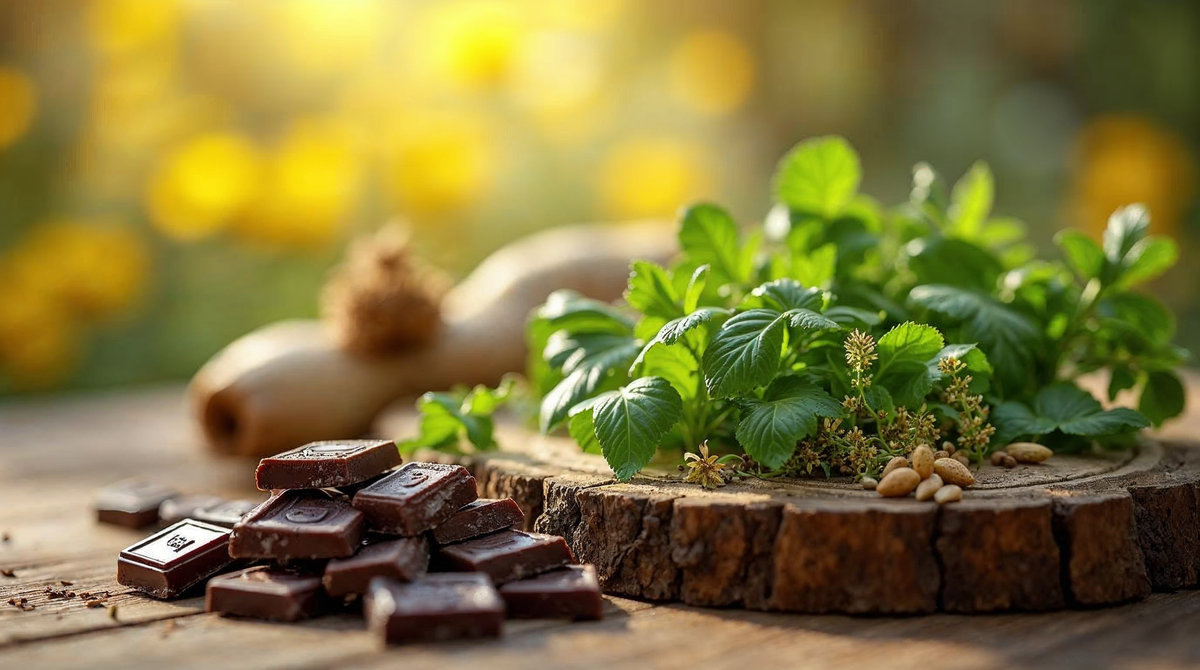
Es ist ein stiller Wandel, der sich über Jahrzehnte vollzogen hat – kaum bemerkt, aber mit spürbaren Folgen für unsere Ernährungsweise: Bitterstoffe verschwinden zunehmend von unseren Tellern. Was früher selbstverständlicher Bestandteil jeder Mahlzeit war, gilt heute vielen als unangenehm, unmodern oder schlichtweg unerwünscht. Dabei gehören Bitterstoffe seit Jahrtausenden zur menschlichen Ernährung – und zu den am meisten geschätzten Elementen der traditionellen Heilkunde. Dieser Artikel beleuchtet, wie es zu diesem Wandel kam, was uns die Klostermedizin darüber lehrt und wie wir Bitterstoffe als bewusstes Ritual wieder in unseren Alltag einladen können. BitterKraft Original
Wie der bittere Geschmack aus unserer Küche verschwand
Noch vor wenigen Generationen gehörten Radicchio, Löwenzahn, Endivie, bittere Gurken und Kräuterliköre nach dem Essen ganz selbstverständlich zur Ernährung. Hausfrauen und Köche wussten instinktiv, dass ein Gericht erst durch das Zusammenspiel aller Geschmacksrichtungen – süß, salzig, sauer, bitter und umami – vollständig wird. Der bittere Akzent war dabei keine Strafe für den Gaumen, sondern ein natürlicher Abschluss, ein Signal, das der Körper kannte und einzuordnen wusste. Dieses Wissen hat sich über Jahrhunderte entwickelt und war tief in der kulinarischen Tradition Europas verankert.
Mit der Industrialisierung der Lebensmittelproduktion ab Mitte des 20. Jahrhunderts begann jedoch ein systematisches Ausblenden des Bittergeschmacks. Lebensmittelhersteller erkannten früh, dass Konsumenten süße und salzige Produkte bevorzugen – und richteten ihre Rezepturen entsprechend aus. Bittere Gemüsesorten wurden durch züchterische Eingriffe immer milder gemacht: Der heutige Chicorée ist kaum noch mit dem seiner Urform vergleichbar, Salatgurken wurden auf nahezu geschmacksneutral gezüchtet, und selbst Grapefruit wird inzwischen in süßeren Sorten angeboten. Was als Verbesserung des Geschmacks vermarktet wurde, war in Wirklichkeit eine schleichende Verarmung unseres Speiseplans.
Hinzu kommt ein kultureller Faktor: In einer Konsumgesellschaft, die auf sofortigen Genuss und Bequemlichkeit ausgerichtet ist, hat der Bittergeschmack einen schweren Stand. Er verlangt Gewöhnung, Geduld und eine gewisse Offenheit. Kinder lehnen ihn instinktiv ab – ein Schutzmechanismus, der evolutionär sinnvoll war, da viele giftige Pflanzen bitter schmecken. Doch was beim Kleinkind als Schutzreflex beginnt, wird in unserer heutigen Ernährungsumgebung durch ständige Exposition gegenüber süßen, milden Produkten nie überwunden. Das Ergebnis: Ganze Generationen sind mit einem Geschmacksprofil aufgewachsen, das Bitterstoffe als fremd und unangenehm empfindet.
Was Hildegard von Bingen über Bitterstoffe wusste
Lange bevor die moderne Ernährungswissenschaft existierte, beschäftigte sich die benediktinische Äbtissin Hildegard von Bingen (1098–1179) intensiv mit der Heilkraft von Pflanzen – und die Bitterstoffe nahmen in ihrem Werk einen besonderen Platz ein. In ihren Schriften, allen voran dem Physica und dem Causae et Curae, beschreibt sie zahlreiche bitter schmeckende Kräuter und Wurzeln als wertvolle Begleiter für die menschliche Gesundheit. Für Hildegard war der Geschmack kein zufälliges Merkmal einer Pflanze, sondern ein Hinweis auf ihre Natur und ihren Charakter. Hildegard von Bingen Produkte
„Hildegard von Bingen schrieb über Wermut: ‚Er ist warm und trocken und hat viele Kräfte in sich.' Bittere Kräuter galten ihr als besonders vital und wurden in der Klostermedizin als wertvoller Bestandteil einer ausgewogenen Kräuterküche betrachtet." – Aus den Überlieferungen der Hildegard-Medizin, historische Quelle ca. 12. Jahrhundert
Hildegard empfahl bittere Kräuter wie Wermut, Enzian, Schafgarbe und Löwenzahn nicht als Medizin im heutigen Sinne, sondern als selbstverständlichen Teil einer achtsamen Lebensführung. Ihre Lehre war ganzheitlich: Nahrung und Pflanzenwissen waren für sie untrennbar verbunden. Die Klosterküche ihrer Zeit war reich an Kräutern, die wir heute kaum noch kennen – Raute, Hirschzunge, Stabwurz – allesamt mit charakteristisch kräftigem, oft bitterem Geschmack. Diese Tradition wurde in Klostergärten über Jahrhunderte gepflegt und weitergegeben, bevor sie im 20. Jahrhundert weitgehend in Vergessenheit geriet.
Was uns Hildegards Kräuterwissen heute noch lehren kann, ist vor allem eine Haltung: die Bereitschaft, dem Unangenehmen einen Platz einzuräumen. Nicht jedes Gute muss süß sein. In der Klostermedizin waren bittere Kräutertees, Elixiere und Gewürzmischungen ein festes Ritual – eingenommen mit Bedacht, Stille und der Überzeugung, dem Körper etwas Gutes zu tun. Dieses Ritual ist es, das wir heute wiederentdecken können. Nicht als Rückschritt in vergangene Zeiten, sondern als bewusste Ergänzung eines modernen Lebensstils, der nach Verwurzelung sucht. Hildegard von Bingen Produkte
Hildegard von Bingen gilt als eine der bedeutendsten Pionierinnen des europäischen Kräuterwissens. Ihre Beschreibungen bitterer Heilpflanzen sind bis heute Grundlage der traditionellen Klostermedizin – und erleben in der modernen Naturheilkunde eine bemerkenswerte Renaissance.
Welche bitteren Pflanzen traditionell besonders geschätzt werden
Die Welt der bitteren Heilpflanzen ist überraschend vielfältig. Viele von ihnen kennen wir aus der Küche, haben sie aber längst aus unserem Alltag verbannt. Andere sind als Wildkräuter auf Wiesen und Wegrändern zu finden – übersehen und unterschätzt. Ein Blick auf die bekanntesten Vertreter zeigt, wie reich diese traditionsreiche Pflanzenwelt ist und warum sie seit Jahrhunderten in der europäischen Naturheilkunde eine so bedeutende Rolle spielt. BitterKraft Original
Traditionell geschätzte Bitterpflanzen im Überblick:
- Enzian (Gentiana lutea): Die Enzianwurzel gilt als eine der bittersten Pflanzen Europas und wird seit der Antike in der Klostermedizin verwendet. In der alpinen Volksmedizin war sie als „Magenwurzel" bekannt und wird bis heute traditionell zur Herstellung von Kräuterlikören genutzt.
- Wermut (Artemisia absinthium): Hildegard von Bingen beschrieb den Wermut als besonders kräftiges Kraut. Er wird seit Jahrhunderten traditionell als bitteres Kräuterpräparat verwendet und findet sich in vielen historischen Klosterrezepturen.
- Löwenzahn (Taraxacum officinale): Der Löwenzahn ist eines der bekanntesten Wildkräuter Mitteleuropas und gehört zur langen Tradition der Frühjahrskräuterkuren. Blätter und Wurzel werden historisch als bittere Frühjahrskost geschätzt.
- Artischocke (Cynara scolymus): Die Artischocke enthält den Bitterstoff Cynarin und wird in der mediterranen Volksmedizin seit der Antike traditionell als Bestandteil einer ausgewogenen Ernährung betrachtet. Leber-Produkte von Bitterkraft
- Schafgarbe (Achillea millefolium): Die Schafgarbe war fester Bestandteil mittelalterlicher Klostergärten und findet in der europäischen Kräutertradition seit Jahrhunderten Verwendung. Ihr herb-bitteres Aroma macht sie zu einem klassischen Bestandteil traditioneller Kräutermischungen.
- Mariendistel (Silybum marianum): Die Mariendistel mit ihrem Wirkstoff Silymarin wird seit der Antike in der europäischen Heilkunde erwähnt und ist historisch eng mit der Klostermedizin verbunden. Leber-Produkte von Bitterkraft
- Tausendgüldenkraut (Centaurium erythraea): Bereits der Name deutet auf die historische Wertschätzung hin. Das Tausendgüldenkraut gehört zur Familie der Enziangewächse und ist seit dem frühen Mittelalter als traditionelles Bitterkraut in ganz Europa bekannt.
Was steckt hinter dem Bittergeschmack?
Der Bittergeschmack von Heilpflanzen entsteht durch eine breite Gruppe sekundärer Pflanzenstoffe – darunter Iridoide, Sesquiterpenlactone, Alkaloide und Flavonoide. Diese Stoffe entstehen in der Pflanze als natürliche Abwehrmechanismen gegen Fraßfeinde und UV-Strahlung. Für den Menschen haben sie eine lange kulturhistorische Bedeutung: In der traditionellen Heilkunde wurden sie stets als Zeichen für die „Kraft" einer Pflanze betrachtet. Je bitterer, desto wertvoller – so lautete die Faustregel der Kräuterkundigen. Der sogenannte Bitterwert ist heute noch ein Qualitätsmerkmal in der europäischen Phytotherapie-Tradition.
Viele dieser Pflanzen lassen sich ganz einfach in den Alltag integrieren: als Wildkräutersalat im Frühling, als Kräutertee am Morgen oder als traditioneller Aperitif vor dem Essen. Die kulinarische Kultur des Bitterstoffs ist in Ländern wie Italien (Amaro, Radicchio, Cicoria) oder der Schweiz (Enzianschnaps) noch deutlich lebendiger als in Deutschland – ein Hinweis darauf, dass es sich nicht um ein überholtes Konzept handelt, sondern um gelebte Tradition, die es lohnt, wiederzuentdecken.
Bitterstoffe bewusst wieder einladen: Praktische Wege in den Alltag
Das Wiederherstellen einer bitteren Dimension in unserer Ernährung muss keine radikale Umstellung sein. Im Gegenteil: Es geht um das Prinzip des „Hinzufügens statt Weglassens" – um kleine, bewusste Ergänzungen, die den Alltag bereichern und gleichzeitig eine Brücke zur traditionsreichen Welt der Naturheilkunde schlagen. Schon eine Handvoll Rucola im Salat, ein Streifen Bitterschokolade nach dem Essen oder ein Kräutertee am Abend kann das Geschmacksprofil eines Tages merklich erweitern. BitterKraft Original
Der Schlüssel zur Wiederentdeckung von Bitterstoffen liegt nicht in drastischen Diäten, sondern in kleinen, täglichen Ritualen – inspiriert von der jahrtausendealten Tradition der Klostermedizin und dem Wissen weiser Kräuterkundiger wie Hildegard von Bingen.
Ein besonders schöner Einstieg ist das morgendliche Kräuterritual, das in vielen Klöstern bis heute gepflegt wird: ein kleines Glas Kräutertinktur oder ein Tee aus bitter-aromatischen Kräutern, eingenommen mit Ruhe und Bewusstsein. Dieses Ritual hat nichts mit Verzicht zu tun – es ist vielmehr eine Form der Selbstfürsorge, die den Tag mit Intention beginnt. Wer die Bitterkraft traditioneller Kräuterpräparate kennenlernen möchte, findet heute eine Vielzahl sorgfältig zusammengestellter Produkte, die auf überlieferten Rezepturen basieren. alle Bitterkraft Produkte
Auch die saisonale Dimension spielt eine Rolle: Frühjahrskräuter wie Löwenzahn, Brennnessel und Giersch, die traditionell als erste Wildkräuter nach dem Winter gesammelt wurden, bringen eine natürliche Bitterkomponente in die Ernährung. Die sogenannte Frühjahrskur – ein festes Ritual in der europäischen Volksmedizin – basiert nicht zufällig auf diesen kräftigen, bitter-aromatischen Pflanzen. Sie spiegelt das intuitive Wissen wider, dass nach der nahrungsarmen Winterzeit eine Ergänzung durch kräftige Wildpflanzen willkommen war. Fasten-Produkte
„In einer Analyse traditioneller Ernährungsmuster verschiedener europäischer Kulturen stellten Ernährungshistoriker fest, dass der durchschnittliche Bitterstoffanteil in der Ernährung des frühen 20. Jahrhunderts um ein Vielfaches höher war als heute – bedingt durch den regelmäßigen Konsum von Wildkräutern, Kräuterlikören und traditionellen Gemüsesorten, die heute weitgehend aus dem Alltag verschwunden sind." – Kulturhistorischer Rückblick zur europäischen Ernährungstradition
Wer tiefer in die Welt der Bitterstoffe einsteigen möchte, dem empfiehlt sich auch ein Blick auf traditionelle Fastenpraktiken. In vielen monastischen Traditionen war das Fasten untrennbar mit dem Einsatz bitterer Kräuter verbunden – nicht als Bestrafung, sondern als bewusste Reinigung und Einkehr. Diese Verbindung zwischen Fasten und Bitterkräutern findet sich quer durch alle Kulturen und Religionen und zeigt, wie tief das Wissen um die Kraft dieser Pflanzen im kollektiven Gedächtnis der Menschheit verankert ist. Fasten-Produkte
Bitterstoffe sind kein Trend, sondern ein Rückgriff auf uraltes Wissen: Menschen haben bitter schmeckende Pflanzen und Kräuter über Jahrtausende hinweg kultiviert, gesammelt und als wertvolle Ergänzung ihrer Ernährung betrachtet. Die Wiederentdeckung dieser Tradition ist ein Akt der kulinarischen und kulturellen Rückbesinnung.
Bitterkraft als ganzheitliches Lebenskonzept – mehr als nur Geschmack
Am Ende steht die Erkenntnis, dass Bitterstoffe weit mehr sind als ein Geschmackselement. Sie sind ein Symbol für eine Haltung gegenüber der Natur, gegenüber dem eigenen Körper und gegenüber der Tradition. Eine Haltung, die Vollständigkeit sucht statt Vereinfachung – die bereit ist, das Unangenehme als Teil des Ganzen zu akzeptieren. In einer Zeit, in der Wohlbefinden oft mit Genuss, Bequemlichkeit und sofortiger Befriedigung gleichgesetzt wird, brauchen wir vielleicht gerade diesen Kontrapunkt: die stille, ernsthafte Kraft des Bitters. Immunsystem-Produkte
Das Hildegard'sche Denken kann uns dabei als Inspiration dienen. Für sie war die Natur keine Ressource, die es auszubeuten gilt, sondern ein Partner im Dialog – reich an Hinweisen für diejenigen, die zu beobachten und zu lauschen wissen. Der bittere Geschmack einer Pflanze war für sie kein Fehler, sondern eine Einladung: Hier ist Kraft, hier ist Substanz, hier ist Wissen, das es zu erkunden lohnt. Diese Einladung gilt auch heute noch. Hildegard von Bingen Produkte
Ob als Kräutertee, Wildkräutersalat, Bitterlikör nach alter Rezeptur oder als sorgfältig formuliertes Nahrungsergänzungsmittel auf pflanzlicher Basis – der Weg zu mehr Bitterkraft im Alltag ist offen für jeden, der ihn gehen möchte. Es braucht keine Expertise, keine komplizierte Ausrüstung und keine radikalen Veränderungen. Es braucht nur die Bereitschaft, dem Bittergeschmack eine neue Chance zu geben. Und vielleicht die Erinnerung daran, dass unsere Urgroßmütter – und Hildegard von Bingen noch viel früher – schon wussten, was wir gerade erst wieder lernen: dass das Bittere zum Leben gehört, und dass es uns bereichert. alle Bitterkraft Produkte

Hinterlasse einen Kommentar
Diese Website ist durch hCaptcha geschützt und es gelten die allgemeinen Geschäftsbedingungen und Datenschutzbestimmungen von hCaptcha.