

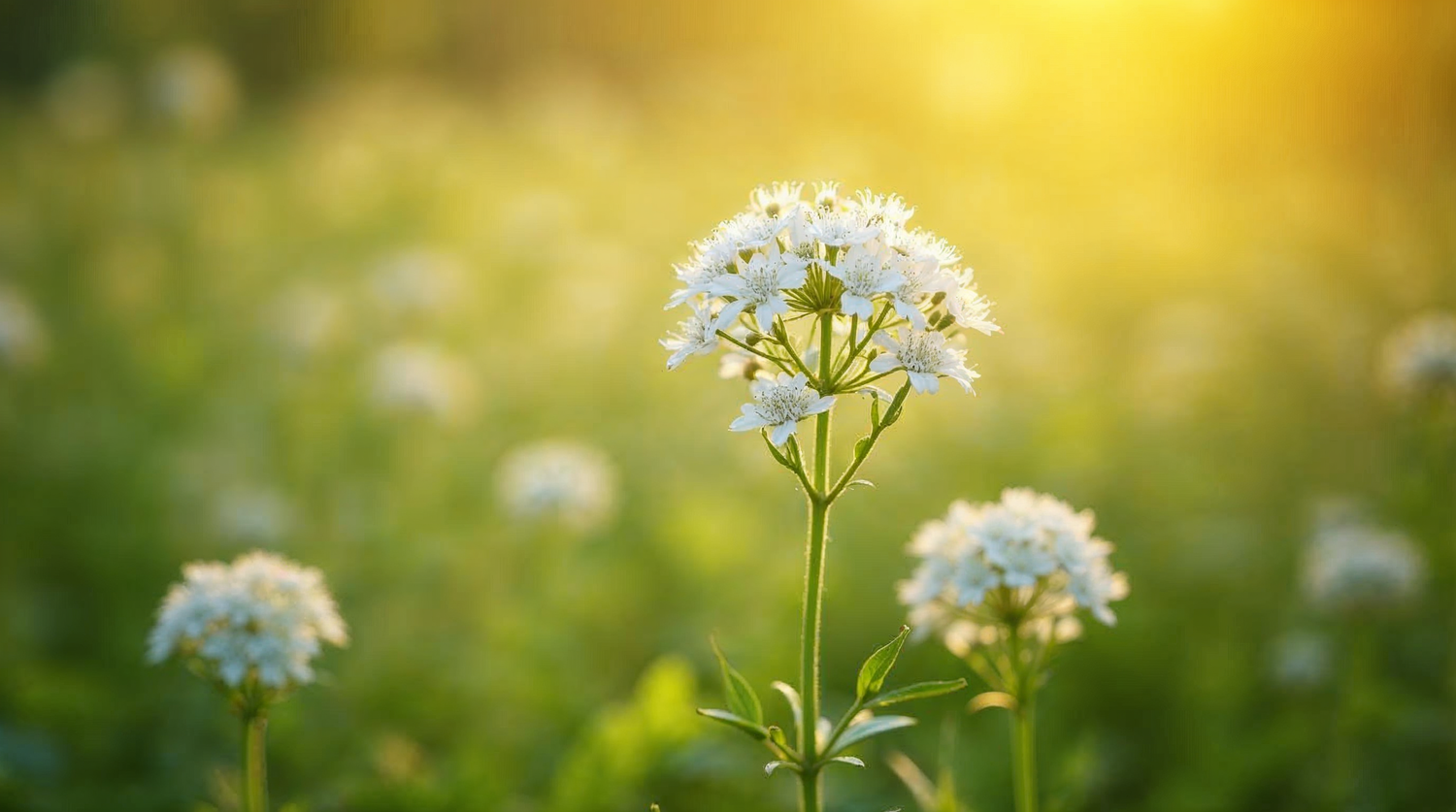
Sie wächst an Wegrändern, auf Wiesen und in Gärten – unscheinbar, bescheiden und von vielen schlicht übersehen. Dabei gehört die Schafgarbe (Achillea millefolium) zu den ältesten und traditionsreichsten Heilpflanzen Europas. Ihr Name erinnert an den griechischen Helden Achilles, dem sie in der Sage die Wunden seiner Krieger heilte. Doch weit über den Mythos hinaus hat die Schafgarbe über Jahrhunderte ihren festen Platz in der Volksmedizin, der Klostermedizin und im naturheilkundlichen Alltag behalten. Wer einmal gelernt hat, ihre zierlichen weißen Dolden zu erkennen, entdeckt überall in der Natur eine treue Begleiterin – eine, die in der modernen Naturheilkunde leider viel zu selten die Aufmerksamkeit bekommt, die sie verdient.
Hildegard von Bingen und das alte Wissen um die Schafgarbe
In der Klostermedizin des Mittelalters war die Schafgarbe keine Unbekannte. Hildegard von Bingen, die visionäre Benediktineräbtissin und Naturforscherin des 12. Jahrhunderts, hinterließ uns ein umfangreiches Kräuterwissen, das bis heute nichts von seiner Faszination verloren hat. Für Hildegard war die Pflanzenwelt Ausdruck göttlicher Ordnung, und jede Pflanze trug eine besondere Kraft in sich – so auch die Schafgarbe. In ihren Schriften beschrieb sie verschiedene Pflanzen in ihrer Wirkung auf Leib und Seele, und das Konzept einer „viriditas", der belebenden Grünkraft der Natur, zog sich durch ihr gesamtes Werk. Hildegard von Bingen Produkte
Die Schafgarbe passte hervorragend in dieses Weltbild: eine Pflanze, die in der Volksmedizin als kraftvoll und vielseitig galt, die der Bauer auf der Weide kannte und die Klosterküche ebenso wie die Klosterapotheke bereicherte. In der traditionellen Kräuterkunde galt sie als „Frauenkraut", als Kraut der Wunden und als Pflanze, die den „inneren Haushalt" des Menschen in Balance halten sollte. Hildegards Kräuterwissen war kein abstraktes Wissen – es war gelebte Erfahrung, weitergegeben von Generation zu Generation, geprüft durch die stille Autorität der Zeit.
„Die Schafgarbe ist warm und trocken. Sie stärkt das Herz und reinigt innerlich." – sinngemäße Paraphrase aus dem Umfeld der Hildegard-Überlieferungen, 12. Jahrhundert. Ähnliche Beschreibungen finden sich in zahlreichen mittelalterlichen Kräuterbüchern, die die Schafgarbe als vielgenutzte Heilpflanze verzeichnen.
Was Hildegard und ihre Zeitgenossen beschrieben, war nicht zuletzt ein ganzheitliches Verständnis der Pflanze: Sie gehörte dazu, wurde Teil der Ernährung, des Alltags und der rituellen Pflege des Körpers. Gerade diese Einbettung in einen lebendigen kulturellen Kontext macht das alte Kräuterwissen so bemerkenswert – und so aktuell. Denn auch heute suchen viele Menschen nach einer Medizin, die den Menschen als Ganzes betrachtet und auf das Wissen der Natur zurückgreift, statt ausschließlich auf isolierte Wirkstoffe zu setzen. BitterKraft Original
Schafgarbe von Kopf bis Fuß: Was steckt in dieser Pflanze?
Wer die Schafgarbe ernst nehmen will, sollte einen Blick in ihre pflanzliche Zusammensetzung werfen. Die kleine Wiesenpflanze enthält ein erstaunlich breites Spektrum an sekundären Pflanzenstoffen – eine Kombination, die in der traditionellen Naturheilkunde seit Jahrhunderten geschätzt wird. Dabei ist es nicht ein einzelner Stoff, der die Pflanze besonders macht, sondern das Zusammenspiel vieler Komponenten, die gemeinsam ein naturheilkundliches Profil ergeben, wie es in dieser Dichte selten vorkommt.
Was steckt in der Schafgarbe?
Die Schafgarbe (Achillea millefolium) enthält eine Vielzahl naturheilkundlich interessanter Inhaltsstoffe:
Ätherische Öle: Darunter Azulen (Chamazulen), das der Pflanze ihren charakteristischen Duft und eine bläuliche Farbe im Destillat verleiht. Es ist eng verwandt mit dem im Kamillenblauen enthaltenen Wirkstoffprofil und in der Volksmedizin seit Langem bekannt.
Bitter- und Gerbstoffe: Sie machen die Schafgarbe zu einem klassischen Bitterkraut. Bitterpflanzen haben in der Naturheilkunde eine lange Geschichte als Teil des traditionellen Kräuteralltags. BitterKraft Original
Flavonoide: Pflanzliche Farbstoffe mit antioxidativen Eigenschaften. Dazu zählen u. a. Apigenin, Luteolin und Rutin – allesamt Substanzen, die in der pflanzenheilkundlichen Forschung auf großes Interesse stoßen.
Alkaloide (Achillein): Benannt nach dem mythischen Achilles, ist es ein charakteristischer Inhaltsstoff dieser Pflanze.
Kaffeesäurederivate und Phenolcarbonsäuren: Typische Inhaltsstoffe vieler traditionell genutzter Heilpflanzen, die in der naturheilkundlichen Literatur breit diskutiert werden.
Was diese Zusammensetzung so reizvoll macht: Die Schafgarbe vereint bittere, adstringierende und aromatische Qualitäten in einer einzigen Pflanze. In der traditionellen Naturheilkunde galten Bitterpflanzen stets als besonders wertvoll – sie wurden in Klostergärten angebaut, in Kräuterlikören verarbeitet und als Teeaufgüsse zu den Mahlzeiten gereicht. Die Schafgarbe war dabei keine Ausnahme, sondern eine der am häufigsten genutzten Bitterstoffe-Pflanzen des europäischen Kulturraums.
Die Schafgarbe gehört zu den wenigen europäischen Heilpflanzen, die sowohl Bitter- und Gerbstoffe als auch ätherische Öle und Flavonoide in einer einzigen Pflanze vereinen – ein naturheilkundliches Allroundtalent, das in keinem Kräutergarten fehlen sollte.
Für die naturheilkundliche Nutzung ist dabei die Qualität der verwendeten Pflanze entscheidend. Wildgesammelte oder biologisch angebaute Schafgarbe enthält in der Regel ein deutlich reicheres Inhaltsstoffprofil als Massenware minderer Qualität. Wer auf Tees, Tinkturen oder Kräuterpräparate setzt, sollte daher auf zertifizierte Bio-Qualität und transparente Herkunft achten – eine Maxime, die in der gesamten Naturheilkunde gilt. alle Bitterkraft Produkte
Schafgarbe und der Bauch: Eine jahrtausendealte Verbindung
Wenn man in alten Kräuterbüchern und Hausmittelsammlungen nach der Schafgarbe sucht, stößt man immer wieder auf denselben Zusammenhang: Magen, Bauch, Verdauung. Die Pflanze war in der Volksmedizin ein klassisches Mittel, das zu den Mahlzeiten getrunken, nach dem Essen genossen oder bei einem „schweren Bauch" eingesetzt wurde. In der traditionellen europäischen Naturheilkunde wurde sie über Jahrhunderte als Teil der Alltagsküche und der häuslichen Kräuterpflege verwendet – nicht als Medizin im modernen Sinne, sondern als selbstverständlicher Begleiter des täglichen Lebens.
Besonders interessant ist dabei die Rolle der Schafgarbe im Kontext der Bitterkräuter-Tradition. BitterKraft Original Bitterpflanzen galten in der Klostermedizin als unverzichtbarer Teil einer ausgewogenen Ernährung. Sie wurden vor oder nach dem Essen gereicht, in Kräuterliköre eingearbeitet und als Tees getrunken. Die Idee dahinter war so einfach wie überzeugend: Bitteres gehört zum natürlichen Geschmackserlebnis des Menschen dazu – und eine Kost, die nur süß, salzig und fettig ist, wurde schon im Mittelalter als unausgewogen betrachtet. Die Schafgarbe passte als Bitterkraut perfekt in dieses Konzept.
In der ethnobotanischen Literatur ist die Schafgarbe (Achillea millefolium) als eine der meistgenutzten Heilpflanzen Europas dokumentiert. Studien zur traditionellen Verwendung in verschiedenen europäischen Kulturen zeigen, dass sie in nahezu allen Regionen des Kontinents traditionsreich für Magen-Darm-Beschwerden eingesetzt wurde – von den Alpen bis Skandinavien, vom Mittelmeerraum bis zur Britischen Insel. Quelle: Vitalità einer Pflanze – Ethnobotanische Studien zur Achillea millefolium (versch. Autoren, 20. Jh.).
In der traditionellen Verwendung steht die Schafgarbe auch im engen Zusammenhang mit dem Leberwohl und dem Darm. Schon Kneipp, der bayerische Pfarrer und Naturheilkundler des 19. Jahrhunderts, schwärmte von der Schafgarbe als einer Pflanze, die „dem ganzen Leib wohltut". Er empfahl sie als Tee und als Sitzbad – eine Anwendungsform, die bis heute in der Naturheilkunde praktiziert wird. In diesem Sinne war die Schafgarbe nie auf ein einziges Organ beschränkt, sondern wurde stets im ganzheitlichen Kontext der körperlichen Pflege verstanden. Darm- und Verdauungsprodukte
Traditionell genutzte Kräuter für den Bauchbereich:
- Schafgarbe: Wird seit Jahrhunderten traditionell als Bitterkraut verwendet und ist ein klassischer Bestandteil europäischer Kräutertees für den Bauchbereich.
- Pfefferminze: Historisch bekannt als kühlendes Kraut für den Bauch; ein fester Bestandteil der europäischen Kloster- und Volksmedizin.
- Kamillenblüten: Bereits in der Antike geschätzt; in der Klostermedizin als universelles Kraut für das allgemeine Wohlbefinden im Bauchbereich tradiert.
- Mariendistel: Historisch in der Klostermedizin für Leber und Gallenwege genutzt; gilt als einer der bekanntesten pflanzlichen Begleiter für den inneren Stoffwechsel. Leber-Produkte von Bitterkraft
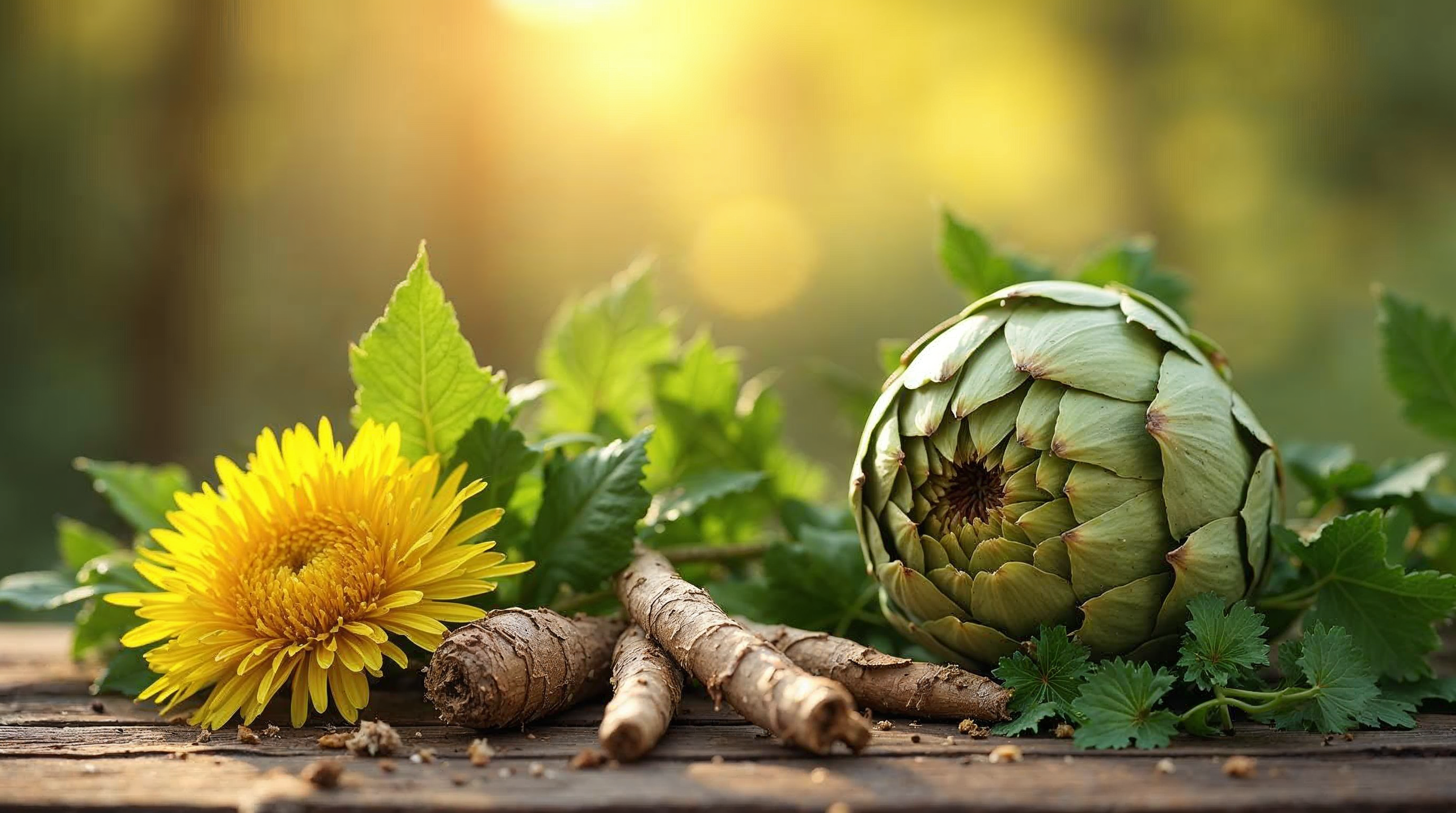
- Löwenzahn: In der Volksmedizin als „Reinigungspflanze" bekannt; wurde traditionell als Frühlingskur eingesetzt und gilt als klassisches Bitterkraut.
Was all diese Kräuter verbindet – und die Schafgarbe im Besonderen – ist ihre tiefe Verwurzelung im alltäglichen Naturerleben. Sie wurden nicht im Labor entdeckt, sondern auf Wiesen und in Gärten, in Klosterapotheken und Bauernküchen. Das macht sie zu einem Stück lebendigem Kulturerbe, das es zu erhalten und weiterzugeben gilt.
Schafgarbe und die Blase: Ein unterschätztes Kapitel der Kräuterheilkunde
Weniger bekannt, aber in der Kräutertradition fest verankert ist die Verbindung der Schafgarbe mit der Blasengesundheit und dem Harnwegsbereich. In der Volksmedizin vieler europäischer Regionen wurde die Schafgarbe traditionell nicht nur als Magenkraut, sondern auch als Kraut für das „Wasserlassen" und das allgemeine Wohlbefinden der ableitenden Harnwege geschätzt. Diese Verwendung findet sich in deutschen, österreichischen und schweizerischen Kräuterbüchern des 18. und 19. Jahrhunderts ebenso wie in folkloristischen Überlieferungen aus dem ländlichen Raum.
Traditionell wurde die Schafgarbe nicht nur für den Bauch, sondern auch für den Harnwegsbereich eingesetzt – eine Verwendungsbreite, die sie zu einer der vielseitigsten Heilpflanzen des europäischen Kulturraums macht.
Das traditionelle Sitzbad mit Schafgarbenaufguss – ein klassisches Hausmittel aus der Volksmedizin – wurde insbesondere für Frauen empfohlen und steht sinnbildlich für die ganzheitliche Anwendungsphilosophie dieser Pflanze. Produkte für Frauengesundheit Hier geht es nicht um Behandlung im medizinischen Sinne, sondern um ein Ritual der Selbstfürsorge, das Körper und Geist gleichermaßen anspricht. Kneipp empfahl Sitzbäder mit Schafgarbenabsud als Teil einer umfassenden Naturheilkunde-Kur – eine Tradition, die in modernen Wellness-Konzepten eine Renaissance erlebt.
In der Monographie der Europäischen Arzneimittelbehörde (EMA) zur Schafgarbe (Achillea millefolium) wird die traditionelle Verwendung als Bittermittel für den Magen-Darm-Bereich sowie zur Unterstützung der Menstruationsgesundheit anerkannt. Die EMA stuft die Schafgarbe als „traditionelles pflanzliches Arzneimittel" ein – ein Status, der ausdrücklich auf langjähriger traditioneller Verwendung basiert, nicht auf klinischen Studien im modernen Sinne. Quelle: EMA/HMPC/344332/2013.
Diese offizielle Anerkennung der Tradition ist bedeutsam: Sie zeigt, dass das alte Kräuterwissen nicht nur romantisches Erbe ist, sondern auch von modernen Behörden als wertvolles, langjährig erprobtes Wissen anerkannt wird. Für naturheilkundlich Interessierte ist das eine wichtige Botschaft: Die Schafgarbe ist kein modischer Trend, sondern ein Jahrhunderte altes Erfahrungswissen, das den Test der Zeit bestanden hat. Ihr Platz in der täglichen Kräuterpflege – sei es als Tee, als Tinktur oder als Badezusatz – ist historisch gut begründet und kulturell tief verwurzelt.
Schafgarbe im Alltag: So lässt sie sich sinnvoll einbinden
Der schönste Aspekt der Schafgarbe ist ihre Zugänglichkeit. Sie ist keine exotische Kostbarkeit aus fernen Ländern, sondern eine europäische Wildpflanze, die vor der Haustür wächst – vorausgesetzt, man weiß, wo man suchen muss. Wer in der Stadt lebt oder keine Möglichkeit hat, selbst zu sammeln, findet hochwertigen Schafgarbentee, getrocknete Blüten und Tinkturen in gut sortierten Naturheilkunde-Shops. Dabei gilt wie immer: Qualität vor Quantität. Bio-zertifizierte Ware aus kontrolliertem Anbau oder aus nachhaltig gesammelter Wildpflanzenernte ist die erste Wahl.
Als Tee ist die Schafgarbe denkbar einfach zuzubereiten: Ein bis zwei Teelöffel getrocknete Schafgarbenblüten oder das gesamte Kraut werden mit heißem Wasser übergossen und fünf bis zehn Minuten ziehen gelassen. Der Geschmack ist leicht bitter, aromatisch-herb und unverkennbar pflanzlich – genau das, was ein echtes Bitterkraut ausmacht. Wer den Geschmack als zu intensiv empfindet, kann die Schafgarbe mit anderen Kräutern kombinieren: Pfefferminze, Kamillenblüten oder Löwenzahn ergänzen sie wunderbar. Im Sinne der Hildegard'schen Kräutertradition waren solche Kräutermischungen ohnehin die Regel – die Kunst der Kombination galt als eigene Disziplin der Klostermedizin. Hildegard von Bingen Produkte
Neben dem klassischen Tee gibt es weitere Anwendungsformen, die in der Volksmedizin traditionsreich sind. Das bereits erwähnte Sitzbad mit Schafgarbenaufguss ist eine davon – ideal für eine entspannte Abendrouti ne und als Teil einer ganzheitlichen Selbstfürsorgepflege. Als Tinktur, also als alkoholischer Auszug der Pflanze, kann die Schafgarbe auch zu festen Bestandteil eines Kräuterrituals werden – einige Tropfen ins Wasser oder direkt auf die Zunge, als bewusste kleine Geste der Pflanzenheilkunde im Alltag. Fasten-Produkte
Die Schafgarbe lässt sich leicht in den Alltag integrieren: als Tee, als Tinktur, als Badezusatz oder als Kräuter-Ergänzung in der Küche – eine Pflanze, die dem Prinzip „Hinzufügen statt Weglassen" perfekt entspricht.
In der Küche hat die Schafgarbe ebenfalls eine Geschichte: Junge Blätter können dem Salat hinzugefügt werden, die Blüten eignen sich als essbare Dekoration, und in einigen regionalen Traditionen Mitteleuropas wurde die Schafgarbe sogar in Kräutersuppen und Wildkräuterpesto verarbeitet. Diese kulinarische Dimension erinnert daran, dass die Grenze zwischen Heilpflanze und Nahrungspflanze in der Volksmedizin immer fließend war – Nahrung war Medizin, und Kräuter waren Teil der täglichen Ernährung, nicht exotische Ausnahmen.
Wer tiefer in die Welt der Bitterpflanzen und der Naturheilkunde eintauchen möchte, findet bei BitterKraft Original eine Welt voller Inspiration – von klassischen Kräuterlikören über moderne Bittertropfen bis hin zu komplexen Kräutermischungen. Die Schafgarbe ist dabei oft ein unverzichtbarer Bestandteil – nicht weil sie die lauteste Pflanze ist, sondern weil sie die verlässlichste ist. Eine stille Heldin des europäischen Kräutergartens, die es verdient, endlich wieder in den Mittelpunkt zu rücken.
Abschließend lässt sich sagen: Die Schafgarbe ist ein Stück lebendigem Naturerbe, das in unserer schnelllebigen Zeit eine Einladung zur Entschleunigung darstellt. Sie wächst nicht schnell, sie schreit nicht laut – aber sie ist da, zuverlässig, Saison für Saison, Wiese für Wiese. In ihr spiegelt sich eine Weisheit wider, die älter ist als jedes Lehrbuch: dass die Natur uns mit allem versorgt, was wir brauchen – wenn wir nur bereit sind, hinzuschauen und zuzuhören. alle Bitterkraft Produkte

Hinterlasse einen Kommentar
Diese Website ist durch hCaptcha geschützt und es gelten die allgemeinen Geschäftsbedingungen und Datenschutzbestimmungen von hCaptcha.