

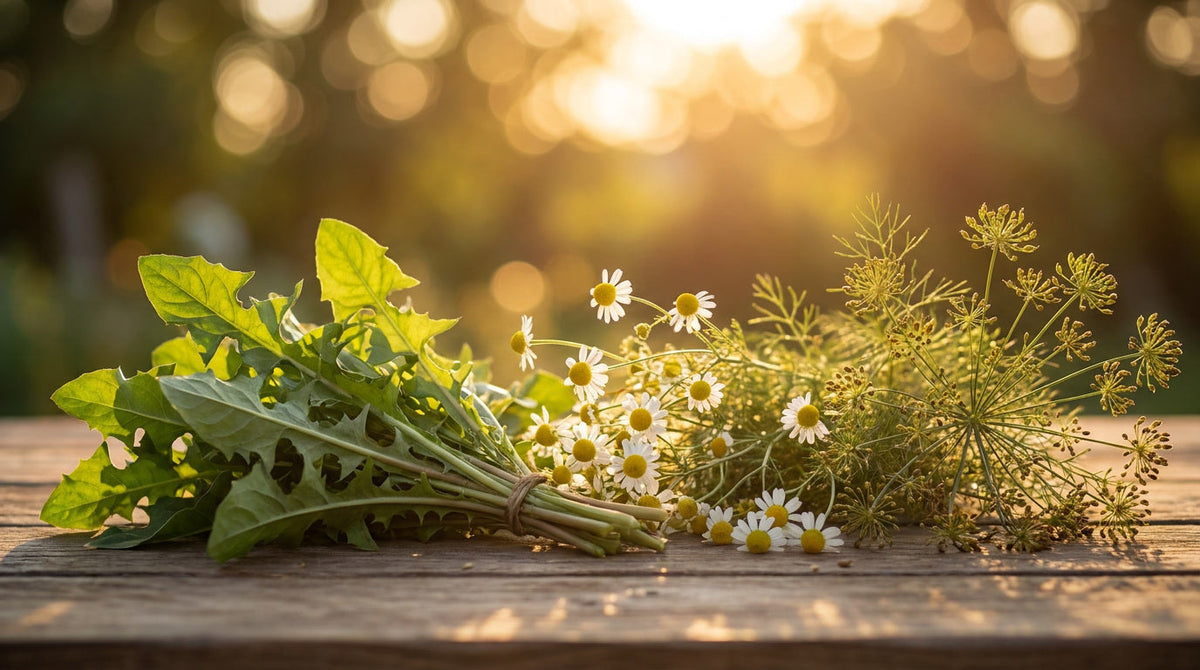
Kinder und Bitteres – das klingt zunächst nach einer echten Herausforderung. Wer kleine Esser kennt, weiß: Brokkoli landet eher auf dem Boden als im Mund, und bittere Kräutertees stoßen selten auf Begeisterung. Dabei gehört der Bittergeschmack zu den ältesten Geschmackseindrücken der Menschheit, und unsere Vorfahren wussten sehr genau, warum sie ihn schätzten. Hildegard von Bingen, die große Kräuterkundige des Mittelalters, empfahl bestimmte Pflanzen bereits für die Kleinsten – stets mit Bedacht auf Verträglichkeit und Maß. Heute erleben Bitterstoffe eine Renaissance, und immer mehr Eltern fragen sich, welche Bitterpflanzen auch für ihre Kinder geeignet sein könnten. Dieser Artikel gibt einen Überblick über das traditionsreiche Wissen rund um sanfte Bitterpflanzen für Kinder, ihre kulturelle Geschichte und worauf Eltern beim Thema Dosierung und Auswahl achten sollten.
Warum Kinder und Bitterstoffe eine lange Geschichte teilen
Bitterstoffe sind keine Erfindung der modernen Nahrungsergänzungsmittelindustrie. Schon in den Klostergärten des Mittelalters wurden Kräuter mit ausgeprägtem Bittergeschmack kultiviert und in der täglichen Ernährung eingesetzt – für Groß und Klein gleichermaßen. Hildegard von Bingen beschrieb in ihrem Werk „Physica" zahlreiche Pflanzen, die sie als wertvoll für den gesamten Organismus erachtete, darunter auch solche mit deutlich bitterem Charakter. Ihre Überzeugung, dass bestimmte Kräuter das innere Gleichgewicht des Menschen fördern, galt ausdrücklich für alle Altersgruppen. Diese Sichtweise spiegelt eine tiefe Weisheit wider: Der menschliche Körper ist von Natur aus mit Bitterrezeptoren ausgestattet – und das bereits von Geburt an.
In traditionellen Kulturen Europas und Asiens war es selbstverständlich, Kinder früh an bittere Aromen heranzuführen. Ob als Kräutertee, verdünnter Bitterpflanzenauszug oder fein gehackte Kräuter in der Mahlzeit – das Bittere galt nicht als Strafe, sondern als Teil einer ausgewogenen Ernährung. Die moderne Ernährung hat dieses Wissen leider weitgehend verdrängt: Industriell verarbeitete Produkte sind so konzipiert, dass bittere Noten vollständig fehlen. Kinder von heute wachsen damit auf, Süßes und Salziges als „normal" zu empfinden und Bitteres reflexartig abzulehnen – ein Muster, das kulturell erworben ist und kein biologisches Schicksal darstellt.
Interessant ist auch der evolutionsbiologische Hintergrund: Die Fähigkeit, Bitteres zu schmecken, diente ursprünglich als Schutzmechanismus vor giftigen Pflanzen. Doch viele der bittersten essbaren Pflanzen sind gleichzeitig besonders reich an sekundären Pflanzenstoffen und wurden von Generation zu Generation als wertvoll weitergegeben. Kinder, die behutsam und spielerisch an sanfte Bitterpflanzen herangeführt werden, können diesen Geschmack erlernen und akzeptieren – genauso wie sie lernen, Zitrone oder Joghurt zu mögen. BitterKraft Original
Kinder sind von Natur aus mit Bitterrezeptoren ausgestattet – die Abneigung gegen Bitteres ist größtenteils kulturell erworben, nicht angeboren.
Diese sanften Bitterpflanzen gelten traditionell als kindgerecht
Nicht jede Bitterpflanze eignet sich für Kinder. Während stark wirkende Kräuter wie Wermut oder Enzianwurzel in der Klostermedizin ausschließlich Erwachsenen vorbehalten waren, gibt es eine Reihe von Bitterpflanzen, die traditionell als besonders sanft und gut verträglich gelten und seit Jahrhunderten auch in der Kinderheilkunde Verwendung fanden. Hildegard von Bingen selbst betonte stets das Prinzip der Mäßigung und der Anpassung an die individuelle Konstitution – ein Grundsatz, der gerade bei Kindern besonders wichtig ist.
Ein goldener Grundsatz aus der Klostermedizin lautet: Je jünger das Kind, desto sanfter die Pflanze und desto kleiner die Menge. Hildegard schrieb über Kräuter nicht als Allheilmittel, sondern als Begleiter im Alltag – „als ob man einen vertrauten Gast empfängt, nicht einen Arzt ruft". Diese Haltung ist auch heute noch zeitgemäß. Eltern, die ihre Kinder sanft mit Bitterpflanzen vertraut machen möchten, tun gut daran, mit milden, küchentauglichen Kräutern zu beginnen, die gleichzeitig geschmacklich ansprechend sind und keine Intensität besitzen, die kleine Gaumen überfordert. Hildegard von Bingen Produkte
Die folgende Auswahl stellt Bitterpflanzen vor, die in der europäischen Kräutertradition seit langer Zeit auch für Kinder als geeignet angesehen werden. Sie alle vereinen einen milden bis moderaten Bittergeschmack mit einer langen Verwendungsgeschichte in Küche und Hausapotheke. Wichtig: Bei Kleinkindern unter zwei Jahren sowie bei bestehenden Erkrankungen oder Medikamenteneinnahme sollte stets Rücksprache mit einer Heilpraktikerin oder einem Arzt gehalten werden.
Diese sanften Bitterpflanzen werden traditionell auch für Kinder verwendet:
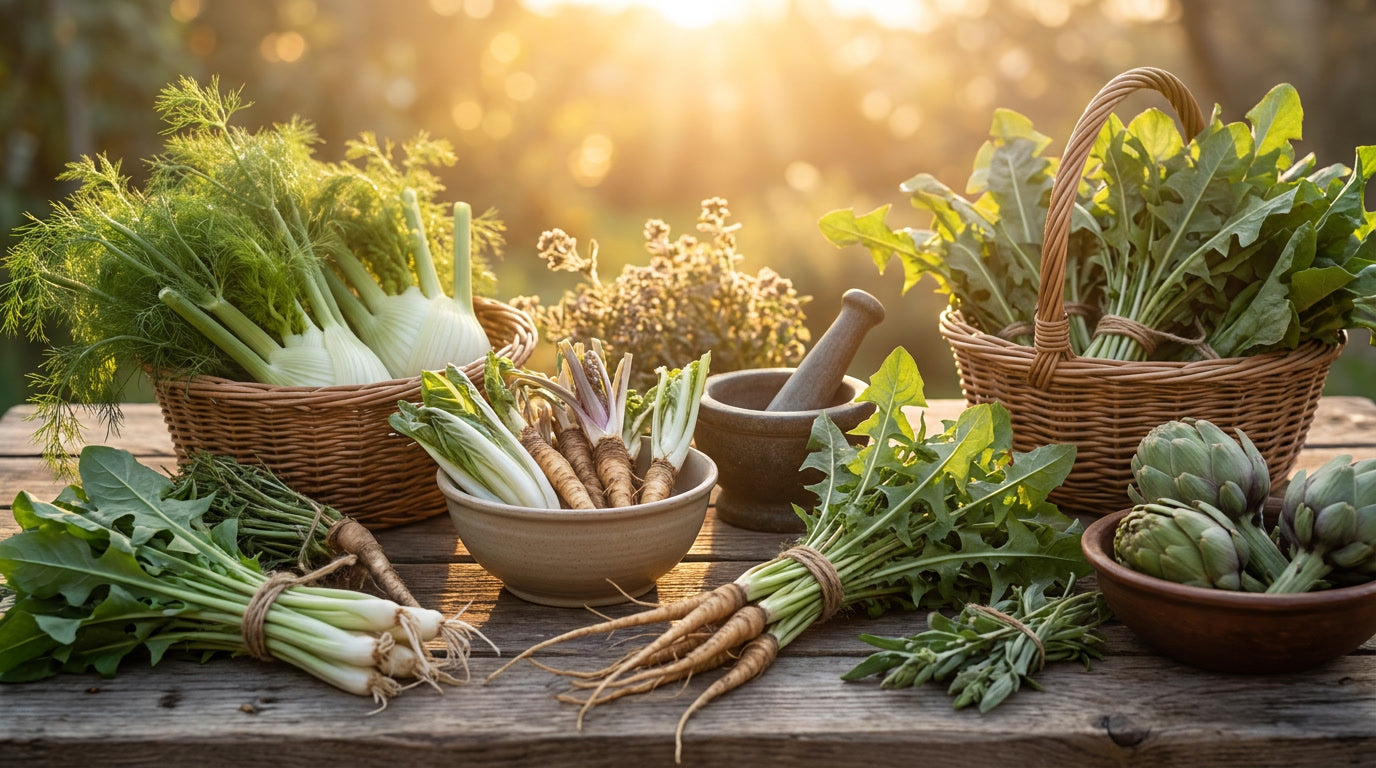
- Löwenzahn: Die wohl bekannteste Bitterpflanze Europas – Blätter, Blüten und Wurzeln werden seit dem Mittelalter in der Volksmedizin geschätzt. Besonders die zarten Frühlingsblätter im Salat sind eine sanfte Möglichkeit, Kinder an Bitterstoffe heranzuführen.
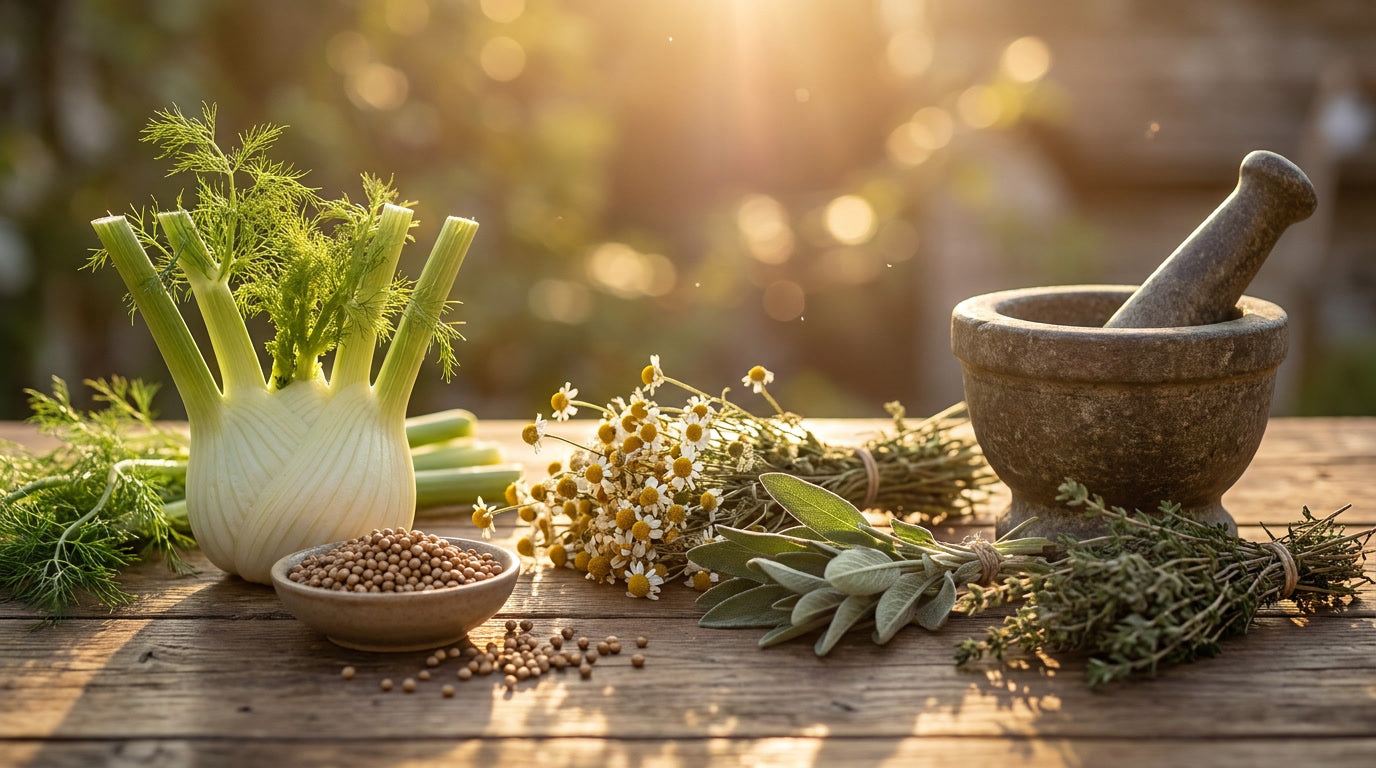
- Kamille: Traditionell als milder Kräutertee für Kinder bekannt und in vielen europäischen Kulturen seit Jahrhunderten im Einsatz. Kamille enthält leichte Bitterstoffe und ist als sanftes Alltagskraut besonders beliebt.
- Fenchel: Hildegard von Bingen schätzte Fenchel außerordentlich und empfahl ihn für nahezu alle Altersgruppen. Mit seinem süßlich-milden Aroma und dem leichten Bitteranteil ist er für Kinder aromatisch besonders gut zugänglich.
- Schafgarbe: Ein historisch bedeutsames Kraut der Klostermedizin mit mildem Bittergeschmack. In verdünnter Teezubereitung wird Schafgarbe in der Volksheilkunde traditionell auch für Kinder eingesetzt.
- Artischocke: Als Nahrungspflanze seit der Antike bekannt, gilt die Artischocke mit ihrem charakteristischen, aber milden Bittergeschmack als gut verträgliche Einführung in die Welt der Bitterpflanzen – auch für Kinder ab dem Schulalter.
- Chicorée und Radicchio: Diese Bitterpflanzen aus der Zichorienfamilie sind kulinarisch vielseitig und lassen sich in der Küche so einsetzen, dass Kinder den Bittergeschmack schrittweise kennenlernen – etwa gedünstet mit etwas Apfelsaft oder in bunten Salaten.
🌿 Was steckt dahinter? Sekundäre Pflanzenstoffe in Bitterpflanzen
Bitterpflanzen enthalten eine Vielzahl verschiedener sekundärer Pflanzenstoffe – darunter Bittersäuren, Gerbstoffe, ätherische Öle und Flavonoide. Diese Stoffe verleihen den Pflanzen nicht nur ihren charakteristischen Geschmack, sondern machen sie auch kulturhistorisch so wertvoll. In der Klostermedizin wurden diese Stoffe intuitiv durch Beobachtung und Erfahrungswissen erkannt und genutzt, lange bevor die moderne Wissenschaft sie systematisch untersuchte. Für kindgerechte Anwendungen empfehlen Kräutertraditionalistinnen stets verdünnte Zubereitungen und kürzere Einnahmedauern als bei Erwachsenen.
Hildegards Weisheit für Eltern: Maß, Ritual und die Kunst des sanften Einstiegs
Hildegard von Bingen betrachtete Kräuter niemals isoliert, sondern immer im Zusammenhang mit dem gesamten Lebensstil: Schlaf, Ernährung, Bewegung, emotionales Gleichgewicht und spirituelles Wohlbefinden gehörten für sie untrennbar zusammen. Ihr ganzheitlicher Ansatz ist besonders wertvoll für Eltern, die ihre Kinder auf natürliche Weise durch das Leben begleiten möchten. Bitterpflanzen waren in ihrer Lehre kein Medikament, sondern ein Alltagsbegleiter – eingebunden in Rituale, Mahlzeiten und jahreszeitliche Gebräuche.
Eines ihrer bekanntesten Prinzipien ist das der „Viriditas" – der Grünkraft oder Lebendigkeit, die jeder Pflanze innewohnt. Hildegard war überzeugt, dass diese Lebendigkeit auf den Menschen übergeht, wenn er mit der Natur in Verbindung tritt. Für Kinder bedeutet das konkret: Kräuter im eigenen Garten ziehen, gemeinsam ernten, in der Küche verarbeiten – das schafft nicht nur eine positive Beziehung zum Bittergeschmack, sondern auch zur Natur insgesamt. Ein Kind, das seinen eigenen Löwenzahn vom Balkon erntet und in den Salat gibt, wird diesen ganz anders wahrnehmen als ein Kind, das einfach ein grünes Blatt auf den Teller gelegt bekommt.
Hildegard empfahl außerdem, Kräuter nicht in rauen Mengen, sondern mit Bedacht und Regelmäßigkeit anzuwenden. Dieses Prinzip der kleinen, konstanten Impulse passt hervorragend zu modernen Erkenntnissen über die Gewöhnung an Geschmäcker: Studien aus der Ernährungspsychologie zeigen, dass Kinder neue Aromen oft erst nach zehn bis fünfzehn Begegnungen akzeptieren. Wer also Geduld hat und Bitterpflanzen spielerisch und ohne Druck einführt, wird langfristig die größten Erfolge erzielen. Hildegard von Bingen Produkte
„Fenchel ist gut für den Menschen, egal in welcher Form er gegessen wird, er macht ihn fröhlich und bringt ihm Wärme, guten Schweiß und einen guten Geruch." – Hildegard von Bingen, Physica (12. Jahrhundert). Diese Aussage spiegelt das damalige Verständnis von Kräutern als Nahrung für Körper und Seele wider – nicht als Heilmittel im modernen Sinne, sondern als täglicher Begleiter für das allgemeine Wohlbefinden.
Praktisch lässt sich Hildegards Weisheit in einfachen Alltagsritualen umsetzen: ein mildes Fenchel-Kamillen-Tee-Ritual vor dem Schlafengehen, frische Löwenzahnblätter im Frühjahrssalat, Artischockenherzen als Gemüsebeilage. Diese kleinen Gesten, über Monate und Jahre hinweg wiederholt, können eine tiefe Verbundenheit mit der Pflanzenwelt schaffen – und ein Geschmacksgedächtnis, das ein Leben lang Bestand hat.
Hildegard von Bingen empfahl Kräuter als tägliche Begleiter, nicht als Mittel für den Notfall – ein Prinzip, das für Kinder besonders wertvoll ist: sanft, regelmäßig und eingebettet in liebevolle Rituale.
Praktische Tipps: So gelingt die Einführung von Bitterstoffen im Kinderalltag
Die größte Hürde bei Bitterpflanzen für Kinder ist häufig nicht die Verträglichkeit, sondern die Akzeptanz. Kinder sind geschmacklich konservativ – das ist evolutionär sinnvoll und kein Zeichen von Sturheit. Der Schlüssel liegt darin, Bitteres als selbstverständlichen Teil der Alltagsküche zu etablieren, ohne es als etwas Besonderes oder gar Unangenehmes hervorzuheben. Eltern, die selbst sichtbar und genussvoll Bitteres essen und trinken, sind die besten Vorbilder – Kinder ahmen nach, was sie täglich beobachten.
Beim Einführen von Bitterpflanzen in die Kinderernährung haben sich einige Strategien bewährt: Bittere Aromen mit Süßem kombinieren (z. B. Radicchio mit Orangendressing), Kräutertees leicht abkühlen lassen und mit einem Hauch Honig süßen (ab einem Alter von einem Jahr), bittere Zutaten fein gehackt in bekannte Speisen mischen oder Kinder aktiv in die Zubereitung einbeziehen. Das gemeinsame Kochen und Zubereiten schafft Neugier und Vorfreude – und nimmt dem Bittergeschmack den Schrecken. BitterKraft Original
Für Eltern, die Bitterstoffprodukte in Betracht ziehen, gilt besonders sorgfältige Auswahl: Kindgerechte Zubereitungen sollten keine starken Bitterpflanzen wie Wermut, Enzian oder Tausendgüldenkraut enthalten, die traditionell ausschließlich für Erwachsene empfohlen werden. Milde Kombinationen aus Fenchel, Kamille, Löwenzahn oder Chicorée sind deutlich besser geeignet. Immer empfiehlt sich die Rücksprache mit einer qualifizierten Heilpraktikerin oder einem Kinderarzt, bevor Nahrungsergänzungsmittel mit Pflanzenextrakten bei Kindern eingesetzt werden – insbesondere bei Kleinkindern unter drei Jahren.
🧒 Dosierungshinweise nach Altersgruppen (traditionelle Richtwerte):
Kleinkinder (1–3 Jahre): Ausschließlich milde Küchenkräuter wie Fenchel und Kamille in sehr verdünnter Teezubereitung; keine konzentrierten Extrakte.
Kindergartenkinder (3–6 Jahre): Sanfte Bitterpflanzen als kulinarischer Bestandteil der Mahlzeiten; leichter Kräutertee (Löwenzahn, Kamille, Fenchel) in kindgerechter Menge.
Schulkinder (6–12 Jahre): Breiteres Spektrum an milden Bitterpflanzen möglich; erste Begegnung mit Artischocke, Schafgarbe, Chicorée; bei Nahrungsergänzungsmitteln immer Rücksprache halten.
Jugendliche (ab 12 Jahre): Annäherung an erwachsene Empfehlungen möglich; individuelle Verträglichkeit beachten.
Diese Angaben basieren auf traditionellen Überlieferungen und ersetzen keine medizinische Beratung.
Ein weiterer praktischer Tipp: Bitterpflanzen jahreszeitlich einführen. Der Frühling ist traditionell die Zeit der Bitterpflanzen – Löwenzahn, junge Brennnesselblätter, Bärlauch. Diese Jahreszeit nutzte auch Hildegard von Bingen, um nach den schweren Wintermonaten mit frischen, lebendigen Kräutern ins Jahr zu starten. Kinder erleben diesen saisonalen Rhythmus als etwas Besonderes, wenn Eltern ihn als kleines Abenteuer gestalten: gemeinsam Löwenzahn auf der Wiese sammeln, zu Hause waschen und in den Salat geben. Dieses Naturerlebnis verbindet Essen mit Neugier, Bewegung und Gemeinschaft – und legt den Grundstein für ein gesundes Verhältnis zur Pflanzenwelt. Fasten-Produkte
Den besten Einstieg in die Bitterstoffwelt bietet die Küche – nicht der Nahrungsergänzungsmittelregal. Frischer Löwenzahn im Salat, Kamillentee am Abend und Fenchel im Gemüse sind natürliche, sanfte Wege, Kinder behutsam an Bitterstoffe heranzuführen.
Sicherheit zuerst: Was Eltern bei Bitterpflanzen für Kinder unbedingt beachten sollten
So wertvoll die Tradition des Pflanzenwissens auch ist – Sicherheit und gesunder Menschenverstand haben immer Vorrang. Nicht jede Bitterpflanze, die für Erwachsene als verträglich gilt, ist automatisch für Kinder geeignet. Die Leber von Kindern verarbeitet Pflanzenstoffe anders als die Erwachsener, und manche sekundären Pflanzenstoffe können in höheren Konzentrationen unerwünschte Reaktionen hervorrufen. Eltern, die auf Nummer sicher gehen möchten, orientieren sich ausschließlich an Pflanzen mit langer, dokumentierter Verwendungsgeschichte in der Kinderheilkunde – und vermeiden grundsätzlich experimentelle oder wenig erforschte Zubereitungen. Leber-Produkte von Bitterkraft
Besondere Vorsicht ist geboten bei: Kindern mit bekannten Allergien gegen Korbblütler (dazu gehören Kamille, Löwenzahn, Schafgarbe und Artischocke); Kindern, die Medikamente einnehmen; Kleinkindern unter einem Jahr; sowie bei Vorerkrankungen der Niere oder Leber. In allen diesen Fällen ist eine individuelle Beratung durch eine medizinische Fachkraft unerlässlich, bevor Kräuter oder Pflanzenextrakte eingesetzt werden. Dies gilt insbesondere für konzentrierte Extrakte und Nahrungsergänzungsmittel – deutlich weniger für die normale kulinarische Verwendung von Küchenkräutern in altersgerechten Mengen.
Auch die Qualität der verwendeten Pflanzen spielt eine wichtige Rolle. Für Kinder sollte stets auf Bio-Qualität geachtet werden, um Pestizidrückstände und andere Verunreinigungen zu vermeiden. Wildkräuter sollten nur aus unbelasteten Gebieten gesammelt werden, fern von Straßen, Äckern und Hundeauslaufflächen. Wer selbst kein ausgeprägtes botanisches Wissen hat, greift besser auf hochwertige, zertifizierte Produkte zurück – oder nimmt an einem Kräuterwanderungskurs teil, um das eigene Wissen zu stärken. Der gemeinsame Ausflug in die Natur mit Kindern, bei dem man gemeinsam Pflanzen bestimmt und lernt, ist ohnehin eine der wertvollsten Erfahrungen, die Eltern ihren Kindern mitgeben können. alle Bitterkraft Produkte
Abschließend lässt sich sagen: Bitterstoffe für Kinder sind kein Risiko, wenn man behutsam vorgeht, auf sanfte Pflanzen setzt und die Weisheit der Tradition mit modernem Verantwortungsbewusstsein verbindet. Hildegard von Bingen hätte es wohl so formuliert: „Gib dem Kind das Kraut, das die Erde kennt und das die Zeit bewährt hat – und lass es in kleinen Gaben Teil seines täglichen Lebens werden." Dieses Bild ist zeitlos – und heute so aktuell wie im zwölften Jahrhundert.

Hinterlasse einen Kommentar
Diese Website ist durch hCaptcha geschützt und es gelten die allgemeinen Geschäftsbedingungen und Datenschutzbestimmungen von hCaptcha.