

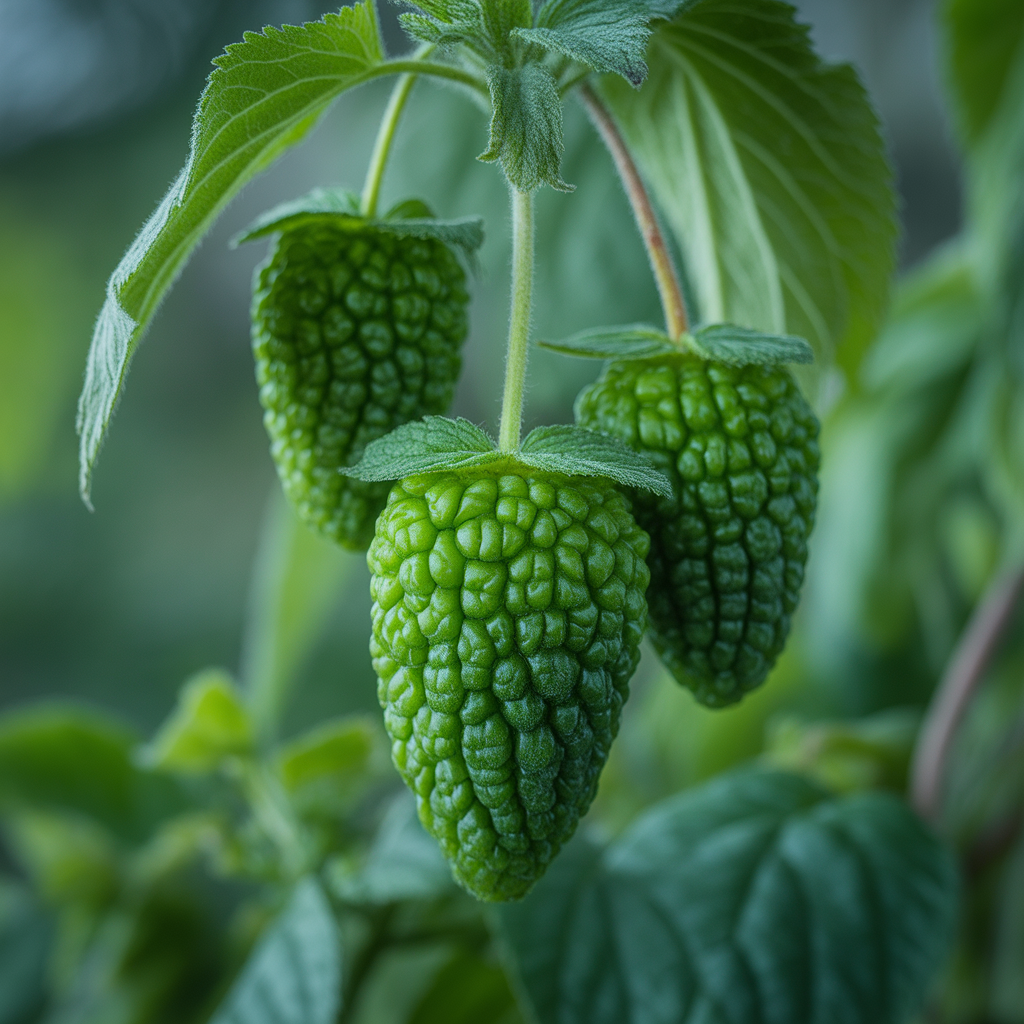
Die Haut als unser größtes Organ steht täglich vor zahlreichen Herausforderungen - von UV-Strahlung bis hin zu Umwelteinflüssen. Während die moderne Wissenschaft erst in den letzten Jahrzehnten die komplexen Mechanismen der Hautphysiologie zu verstehen begann, wusste bereits Hildegard von Bingen um die Kraft bestimmter Pflanzen. Besonders faszinierend ist dabei die Entdeckung, dass BitterKraft Original nicht nur traditionell für das Verdauungssystem verwendet wurden, sondern auch über spezielle Rezeptoren in der Haut wissenschaftlich erforscht werden.
📋 Inhaltsverzeichnis
Die Entdeckung der Bitterrezeptoren in der Haut
Lange Zeit galten Bitterrezeptoren als exklusives Merkmal unserer Geschmacksknospen auf der Zunge. Diese Sichtweise hat sich grundlegend gewandelt, seit Forscher entdeckt haben, dass sich diese spezialisierten Rezeptoren in verschiedensten Körpergeweben finden - einschließlich der Haut. Die sogenannten TAS2R-Rezeptoren (Taste 2 Receptors) sind in Hautzellen, Haarfollikeln und sogar in den tieferen Hautschichten nachweisbar.
Diese Bitterrezeptoren in der Haut werden wissenschaftlich untersucht bezüglich ihrer Eigenschaften und ihrer Reaktion auf sekundäre Pflanzenstoffe, die traditionell als Bitterstoffe bekannt sind. Wenn diese Rezeptoren aktiviert werden, setzen sie eine Kaskade von zellulären Reaktionen in Gang, die Gegenstand aktueller Forschung sind. Besonders bemerkenswert ist, dass viele der Pflanzen, die Hildegard von Bingen bereits im 12. Jahrhundert verwendete, genau jene Bitterstoffe enthalten, die heute wissenschaftlich untersucht werden.
Die Aktivierung dieser Rezeptoren wird in Studien bezüglich verschiedener Prozesse in der Haut erforscht: von der Regulation der Zellerneuerung bis hin zu körpereigenen Reparaturmechanismen. Diese Erkenntnis eröffnet völlig neue Perspektiven für das Verständnis, wie Hildegard von Bingen und ihre Zeitgenossen intuitiv bestimmte Pflanzen traditionell verwendeten.
Wissenschaftliche Forschung zu freien Radikalen
In der wissenschaftlichen Forschung wird untersucht, wie das Gleichgewicht zwischen freien Radikalen und körpereigenen Antioxidantien funktioniert. Freie Radikale sind hochreaktive Moleküle, die durch UV-Strahlung, Umweltverschmutzung, Stress oder auch normale Stoffwechselprozesse entstehen. In der Haut werden ihre Auswirkungen auf Kollagenfasern und Elastizität wissenschaftlich erforscht.
Die Haut verfügt über ein ausgeklügeltes antioxidatives System, das aus Enzymen wie Katalase und Superoxiddismutase sowie aus Molekülen wie Glutathion besteht. Dieses System wird in der Forschung als körpereigenes Schutzsystem beschrieben. Hier kommen pflanzliche Antioxidantien ins Spiel, die seit Jahrhunderten traditionell geschätzt werden.
Besonders interessant ist die Beobachtung, dass viele Pflanzen mit ausgeprägten Bitterstoffen auch reich an Antioxidantien sind. Diese Kombination ist kein Zufall: Bitterstoffe dienen der Pflanze oft als natürlicher Schutz vor Fressfeinden und Umweltstress, während Antioxidantien sie vor Schäden bewahren. Diese doppelte Schutzfunktion macht sie zu traditionell wertvollen Pflanzen.
Hildegards Kräuterschatz: Traditionelles Wissen trifft moderne Forschung
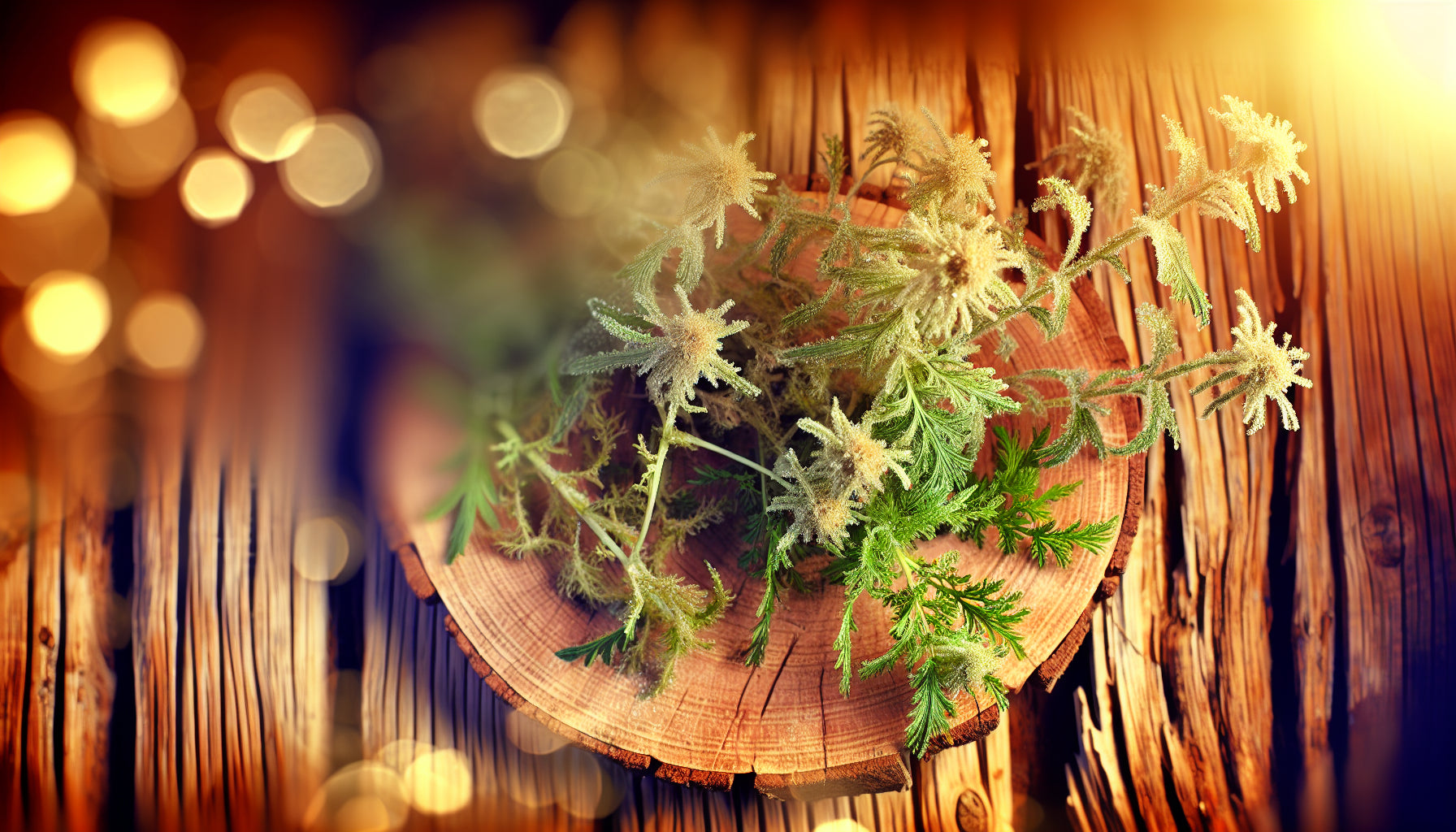
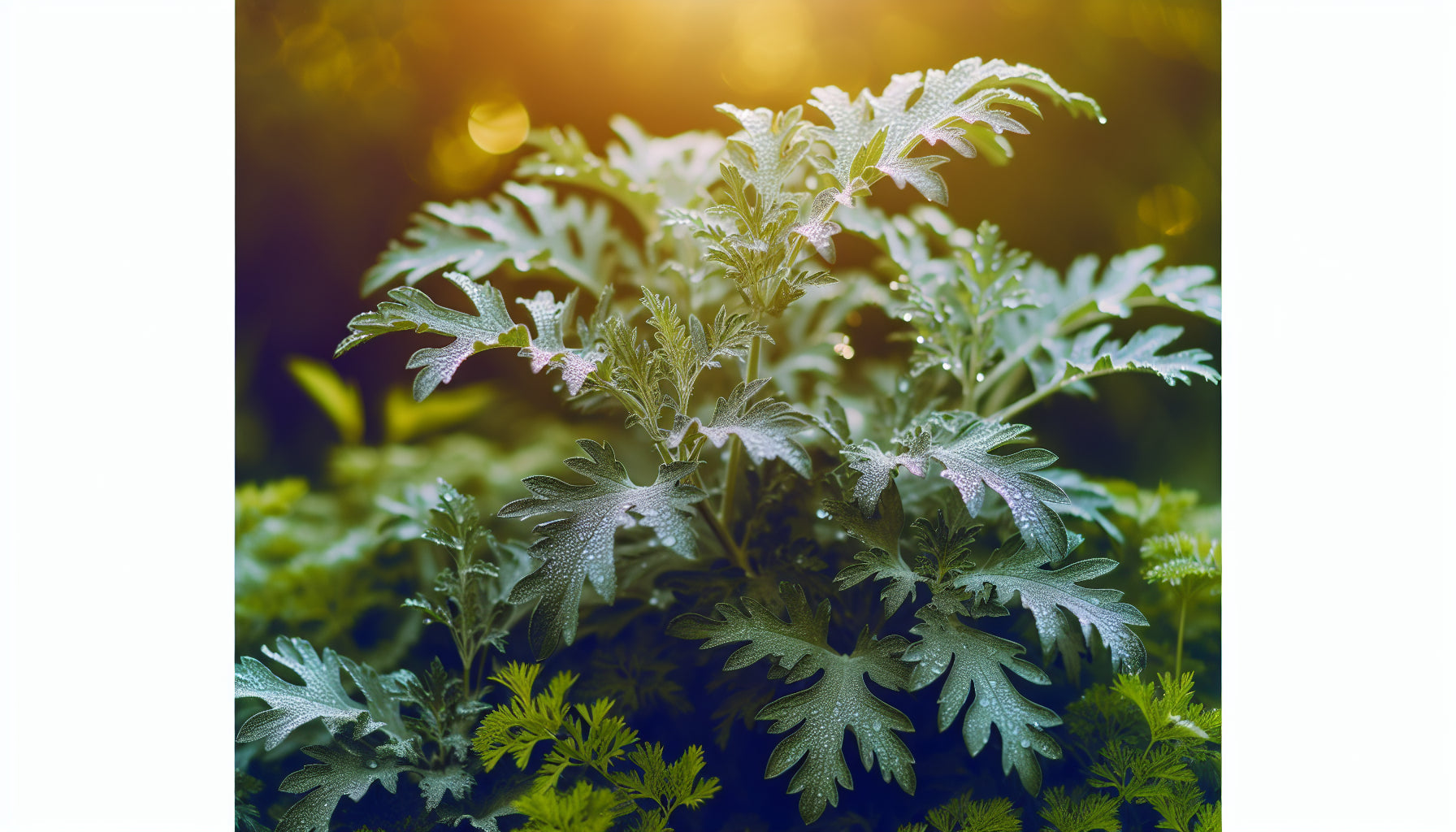
Hildegard von Bingen beschrieb in ihren Werken bereits detailliert, wie bestimmte Kräuter traditionell verwendet wurden. Pflanzen wie Löwenzahn, Wermut und Schafgarbe wurden seit Jahrhunderten geschätzt und traditionell für ihre Eigenschaften verwendet. Heute wissen wir, dass diese Pflanzen reich an Bitterstoffen und Antioxidantien sind.
Der Löwenzahn beispielsweise enthält Sesquiterpenlactone - bitter schmeckende Verbindungen, die antioxidative Eigenschaften besitzen. Wermut ist bekannt für seine Absinthine und andere Bitterstoffe, die in der traditionellen Anwendung seit Jahrhunderten bekannt sind. Diese traditionellen Verwendungen werden heute durch die wissenschaftliche Entdeckung der Bitterrezeptoren in der Haut erforscht.
Die moderne Forschung untersucht immer wieder, was die traditionelle Naturheilkunde bereits intuitiv erkannt hatte: Die Natur bietet uns in Form von Bitterstoffen und Antioxidantien interessante Inhaltsstoffe. Diese Erkenntnis verbindet jahrhundertealtes Wissen mit modernster Wissenschaft und zeigt, wie zeitlos die Prinzipien der traditionellen Naturheilkunde sind.
Praktische Anwendung: Bitterstoffe traditionell nutzen
Die Integration von bitteren Pflanzen in die tägliche Routine erfolgt traditionell auf verschiedene Weise. Seit Jahrhunderten wurden Kräutertees aus bitteren Pflanzen nicht nur innerlich angewendet, sondern auch für Waschungen und Umschläge verwendet. Diese traditionelle äußerliche Anwendung ermöglicht es den Bitterstoffen, direkt mit den Bitterrezeptoren in der Haut zu interagieren.
Ein traditioneller Ansatz berücksichtigt auch die innerliche Anwendung von Bitterstoffen. Wenn Bitterstoffe über die Nahrung oder als Kräutertee zu uns genommen werden, können sie über die Verdauung und den Blutkreislauf systemisch wirken. Diese traditionelle systemische Anwendung wird seit Jahrhunderten für das Wohlbefinden geschätzt.
Besonders wichtig ist dabei die Qualität der verwendeten Pflanzen. Wildkräuter oder biologisch angebaute Kräuter enthalten oft höhere Konzentrationen an wertvollen Bitterstoffen und Antioxidantien als konventionell angebaute Pflanzen. Die schonende Verarbeitung und richtige Lagerung sind weitere Faktoren, die die Qualität der pflanzlichen Inhaltsstoffe beeinflussen können. So wird das jahrhundertealte Wissen um die traditionelle Verwendung biterer Pflanzen zu einem modernen, wissenschaftlich erforschten Bereich der Naturheilkunde.
🤖 Das Beitragsbild dieses Artikels wurde mit DALL·E 3 (OpenAI) mithilfe von Künstlicher Intelligenz generiert (gemäß EU AI Act Art. 50 gekennzeichnet).

Hinterlasse einen Kommentar
Diese Website ist durch hCaptcha geschützt und es gelten die allgemeinen Geschäftsbedingungen und Datenschutzbestimmungen von hCaptcha.