

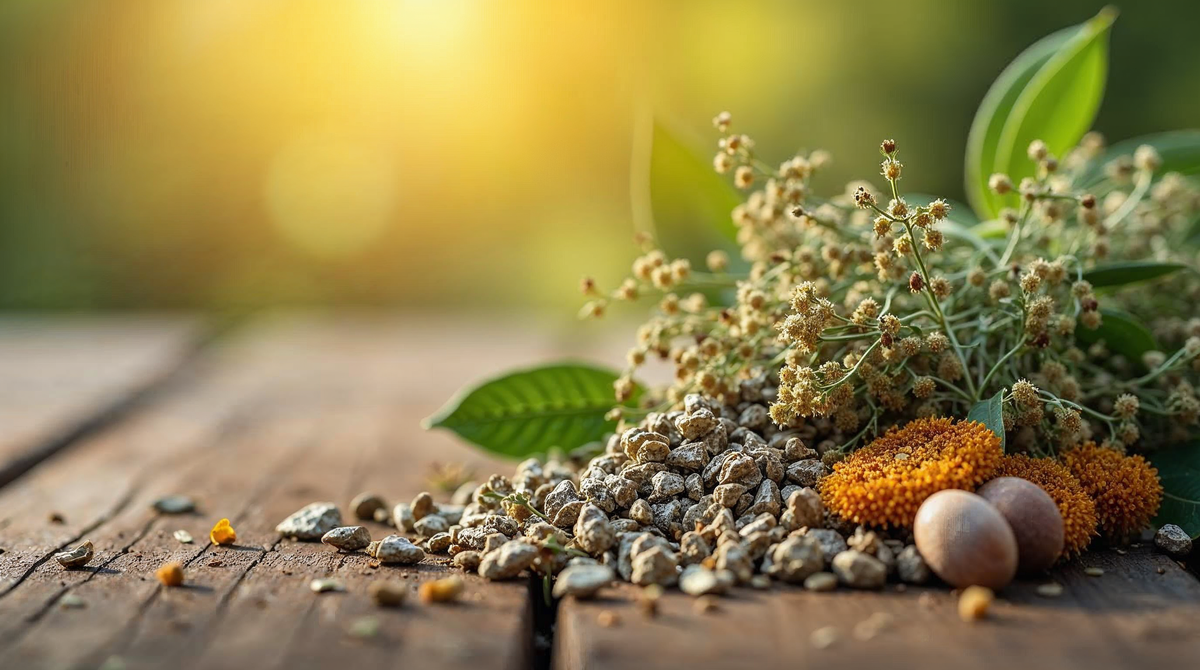
Mit Mitte vierzig beginnt für viele Frauen eine Zeit des Wandels – körperlich, emotional und in mancherlei Hinsicht auch spirituell. Die Wechseljahre sind kein Makel und keine Krankheit, sondern ein natürlicher Übergang, den Frauen auf der ganzen Welt seit Jahrtausenden erleben. Und doch wünschen sich viele eine begleitende Unterstützung, die sanft, pflanzlich und ganzheitlich ist. Genau hier knüpft die jahrhundertealte Tradition der Kräuterheilkunde an – und ganz besonders das Wissen der Hildegard von Bingen, die bereits im 12. Jahrhundert beschrieb, wie Pflanzen das innere Gleichgewicht der Frau stärken können. Dieser Artikel nimmt dich mit auf eine Reise durch die wichtigsten Kräuter, Bitterpflanzen und pflanzlichen Begleiter, die traditionell für Frauen ab 45 geschätzt werden. Produkte für Frauengesundheit
Was passiert im Körper – und warum die Wechseljahre mehr sind als ein hormonelles Thema
Die Wechseljahre, medizinisch auch als Klimakterium bezeichnet, erstrecken sich oft über einen Zeitraum von zehn bis fünfzehn Jahren. Die Perimenopause beginnt häufig bereits Mitte vierzig, bevor die eigentliche Menopause – definiert als das Ausbleiben der Menstruation für zwölf Monate – eintritt. In dieser Phase verändert sich der weibliche Hormonhaushalt grundlegend: Die Produktion von Östrogen und Progesteron schwankt zunächst stark, bevor sie langfristig abnimmt. Diese hormonellen Verschiebungen können sich auf vielfältige Weise bemerkbar machen – von Schlafveränderungen über Stimmungsschwankungen bis hin zu einem veränderten Körpergefühl.
Doch die ganzheitliche Naturheilkunde betrachtet die Wechseljahre nie isoliert als rein hormonelles Geschehen. In der traditionellen Pflanzenheilkunde gilt die Leber als zentrales Organ der Transformation – sie ist nicht nur für den Stoffwechsel bedeutsam, sondern wird in der Klostermedizin und der chinesischen Heilkunde als Sitz der inneren Balance gesehen. Auch der Darm, das Nervensystem und die Schlafqualität spielen eine entscheidende Rolle dabei, wie eine Frau diese Lebensphase erlebt. Leber-Produkte von Bitterkraft Wer die Wechseljahre ganzheitlich begleiten möchte, richtet den Blick also auf das gesamte System – nicht nur auf einen einzelnen Hormonwert.
Hinzu kommt eine psychosoziale Dimension, die in der modernen Medizin oft zu kurz kommt: Viele Frauen berichten, dass sie in den Wechseljahren eine tiefgreifende Neuausrichtung erleben. Prioritäten verschieben sich, das Bedürfnis nach Stille und Selbstfürsorge wächst. Traditionelle Kulturen haben diesen Übergang stets geehrt – als Eintritt in eine neue Phase der Weisheit und inneren Stärke. Die begleitende Kraft von Kräutern und Bitterpflanzen kann in diesem Kontext als rituelles und pflanzliches Fundament verstanden werden, das dem Alltag Struktur und Tiefe verleiht.
Die Wechseljahre sind kein medizinisches Problem, das behoben werden muss – sondern ein natürlicher Übergang, der durch traditionelles Pflanzenwissen achtsam begleitet werden kann.
Hildegard von Bingen und ihr Kräuterwissen für Frauen
Hildegard von Bingen (1098–1179) gilt als eine der bedeutendsten Naturheilerinnen des Mittelalters. In ihrem Hauptwerk „Physica" und in der „Causae et Curae" beschrieb sie detailliert, wie Pflanzen, Steine und Ernährung das innere Gleichgewicht des Menschen – und insbesondere der Frau – beeinflussen können. Hildegard sprach vom Konzept der „Viriditas", der grünen Lebenskraft, die allem Wachsenden innewohnt und die der Mensch durch den richtigen Umgang mit der Natur in sich stärken kann. Für Frauen in der zweiten Lebenshälfte empfahl sie unter anderem bestimmte Würzkräuter, Bitterpflanzen und wärmende Gewürze – eine Weisheit, die bis heute in der Klostermedizin weiterlebt. Hildegard von Bingen Produkte
„Die Frau trägt die Kraft des Mondes in sich – mal zunehmend, mal abnehmend, immer im Wandel. Wer diese Kraft ehrt und mit den rechten Kräutern nährt, findet in jedem Lebensabschnitt ihr inneres Gleichgewicht." – Sinngemäß nach Hildegard von Bingen, „Causae et Curae", 12. Jahrhundert
Besonders geschätzt hat Hildegard die Kraft der sogenannten „warmen" Kräuter, die sie als belebend und ausgleichend beschrieb. Dazu zählten Fenchel, Bertram (Anacyclus pyrethrum), Galgant und Lavendel – Pflanzen, die bis heute im Hildegard-Kräutergarten ihren festen Platz haben. Für Frauen in den Wechseljahren empfahl sie besonders Zubereitungen, die das „Feuer" im Leib nähren, ohne es zu überhitzen – ein feines Gleichgewicht, das in der modernen Phytotherapie als Konzept der adaptogenen und tonisierenden Pflanzenwirkung wiederzufinden ist.
Die Wiederentdeckung von Hildegards Pflanzenwissen im 20. Jahrhundert durch Dr. Gottfried Hertzka und Dr. Wighard Strehlow hat dazu geführt, dass ihre Rezepturen heute in modernen Nahrungsergänzungsmitteln und Teeblends weiterverarbeitet werden. Besonders für Frauen ab 45 bietet das Hildegard-Konzept eine ganzheitliche Perspektive: Kräuter werden nicht als Einzelmittel gegen einzelne Symptome eingesetzt, sondern als Teil einer Lebensphilosophie, die Ernährung, Bewegung, Gebet und Naturbeobachtung miteinander verbindet. Wer diesen Weg geht, berichtet oft von einer neuen Qualität des Selbstwahrnehmens – und genau das ist der tiefere Sinn der pflanzlichen Begleitung.
Hildegard von Bingen gilt als Pionierin der weiblichen Kräuterheilkunde – ihr Wissen über wärmende und ausgleichende Pflanzen wird seit Jahrhunderten tradiert und ist heute moderner denn je.
Die wichtigsten Kräuter und Bitterpflanzen für Frauen ab 45
In der traditionellen Pflanzenheilkunde hat sich über Generationen ein reicher Schatz an Kräutern herausgebildet, die seit Jahrhunderten von Frauen in den Wechseljahren geschätzt werden. Diese Pflanzen werden nicht als Arzneimittel eingesetzt, sondern als begleitende Naturmittel, die das allgemeine Wohlbefinden unterstützen können. Besonders interessant ist dabei die Gruppe der Bitterpflanzen: Sie spielen in der Klostermedizin eine herausragende Rolle und wurden historisch als „Reiniger" und „Aufwecker" des inneren Systems beschrieben. BitterKraft Original
Bitterpflanzen enthalten sogenannte Bitterstoffe – sekundäre Pflanzenstoffe, die der Pflanze selbst als Schutz vor Fraßfeinden dienen. In der menschlichen Ernährung sind Bitterpflanzen seit Jahrtausenden ein fester Bestandteil – von der Artischocke über den Löwenzahn bis hin zu Enzian und Schafgarbe. Leider sind Bitterstoffe in der modernen westlichen Ernährung weitgehend verschwunden, da Züchtung und Verarbeitung auf Süße und Milde ausgerichtet sind. Dabei galt in der Volksmedizin der tägliche Kontakt mit Bitterem als wesentlicher Bestandteil einer ausgewogenen Lebensweise – ganz besonders für Frauen in Phasen des Wandels.
Die folgende Auswahl stellt traditionell verwendete Pflanzen vor, die in der Kräuterheilkunde für Frauen ab 45 eine besondere Rolle spielen. Sie werden seit Jahrhunderten überliefert und sind Teil des europäischen, aber auch des fernöstlichen Heilpflanzenschatzes. Einige von ihnen finden sich auch in modernen Kräuterkompositionen und Nahrungsergänzungsmitteln wieder – kombiniert für eine synergistische Wirkungstiefe, die die einzelne Pflanze allein nicht erreichen könnte.
Traditionell geschätzte Kräuter und Bitterpflanzen für Frauen in den Wechseljahren:
- Traubensilberkerze (Cimicifuga racemosa): In der nordamerikanischen Indianerheilkunde seit Jahrhunderten bekannt und tradiert; wird heute in der europäischen Kräuterheilkunde als klassische Frauenpflanze beschrieben und ist für Frauen ab 45 besonders bekannt.
- Rotklee (Trifolium pratense): Historisch in der Volksmedizin Europas und Nordamerikas verwendet; enthält Isoflavone, die zu den sekundären Pflanzenstoffen zählen und traditionell für Frauen in der zweiten Lebenshälfte empfohlen werden.
- Mönchspfeffer (Vitex agnus-castus): Bereits im antiken Griechenland bekannt und von Hippokrates beschrieben; in der europäischen Klostermedizin traditionell als „Frauenkraut" überliefert, besonders in der Perimenopause geschätzt.
- Schafgarbe (Achillea millefolium): Eine der ältesten Heilpflanzen Europas, in der Hildegard-Medizin als ausgleichend und tonisierend beschrieben; wird traditionell als Tee oder Tinktur eingesetzt.
- Löwenzahn (Taraxacum officinale): Als klassische Bitterpflanze in der Volksmedizin seit dem Mittelalter bekannt; besonders in der Frühjahrskur geschätzt und als sanfter Begleiter für Wohlbefinden und innere Leichtigkeit tradiert. Leber-Produkte von Bitterkraft
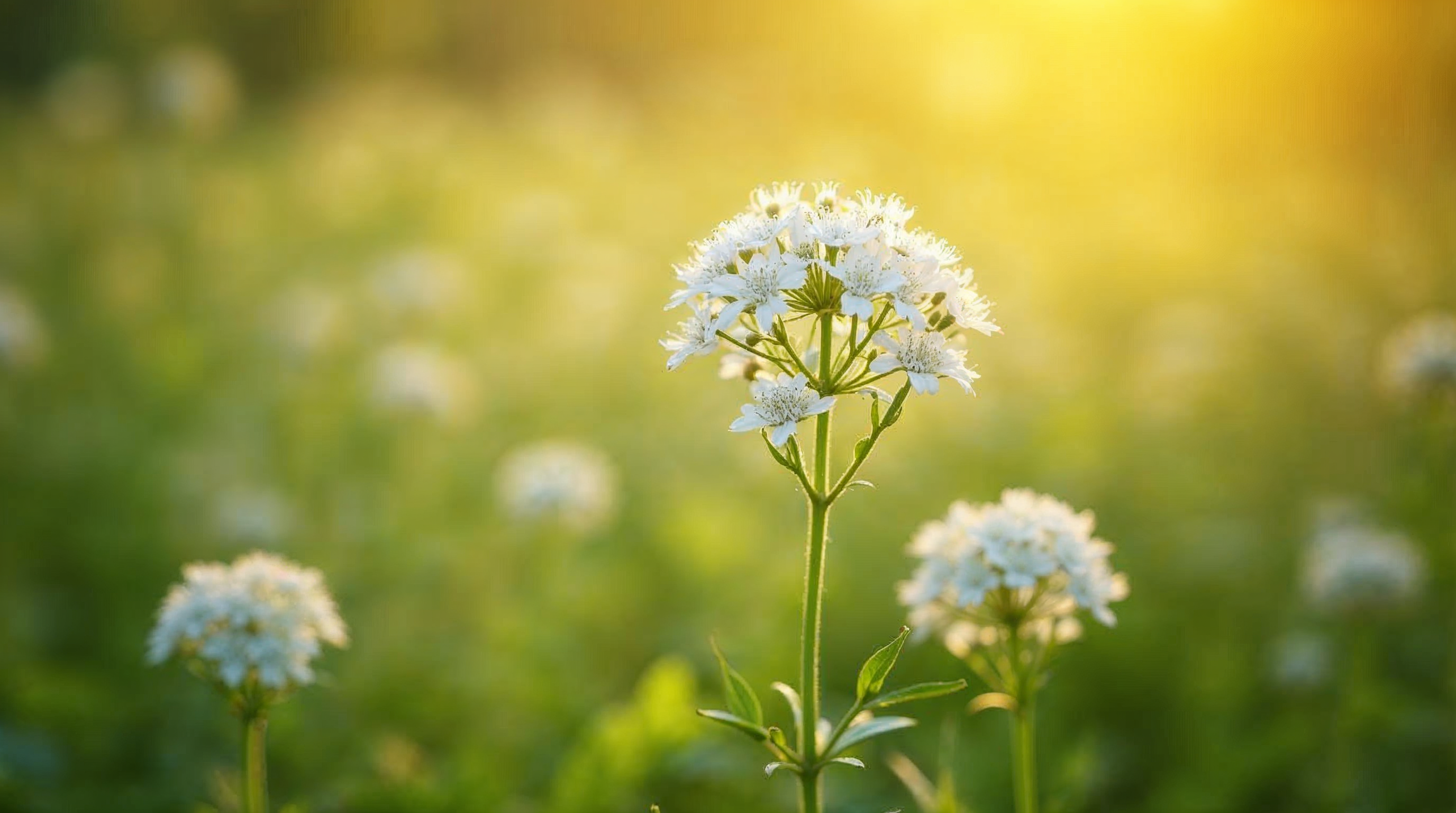
- Baldrian (Valeriana officinalis): In der Klostermedizin seit dem Mittelalter verwendet; von Hildegard von Bingen als beruhigende Pflanze geschätzt und traditionell für ruhigere Nächte empfohlen. Schlaf- und Entspannungsprodukte
- Hopfen (Humulus lupulus): Historisch in europäischen Klostergärten angebaut; wird seit Jahrhunderten traditionell mit ruhigem Schlaf und innerem Gleichgewicht in Verbindung gebracht.
- Salbei (Salvia officinalis): Im Mittelalter als „Heilige Pflanze" verehrt; in der Hildegard-Medizin als wärmendes, stabilisierendes Kraut beschrieben und bis heute in traditionellen Frauenkräutermischungen enthalten.
- Ginseng (Panax ginseng): In der traditionellen chinesischen Heilkunde seit über 2000 Jahren als Tonikum für Frauen in der zweiten Lebenshälfte verwendet; wird auch in der westlichen Kräuterheilkunde zunehmend als Adaptogen geschätzt.
Was steckt hinter Bitterpflanzen?
Bitterpflanzen enthalten eine Vielzahl von sekundären Pflanzenstoffen – darunter Sesquiterpenlactone, Iridoide und phenolische Verbindungen. Diese Stoffe verleihen der Pflanze nicht nur ihren charakteristischen Geschmack, sondern werden in der traditionellen Heilkunde seit Jahrtausenden als besonders wertvoll für das innere Gleichgewicht betrachtet. In der Hildegard-Medizin gelten Bitterstoffe als Ausdruck der „kalten und trockenen" Pflanzenkräfte, die in einem ausgewogenen Verhältnis zu wärmenden Kräutern stehen sollten. Moderne Kräuterkompositionen kombinieren daher oft Bitterstoffe mit wärmenden Gewürzen wie Ingwer oder Galgant – eine Tradition, die direkt auf Hildegards Rezepturen zurückgeht.
Alltagsrituale und Anwendungsideen: Wie Kräuter in den Alltag fließen können
Das Wissen um heilsame Kräuter entfaltet seine tiefste Wirkung nicht als einmalige Intervention, sondern als gelebtes Alltagsritual. Genau das ist der Geist der Klostermedizin: Nicht die einmalige Gabe einer Arznei, sondern die tägliche, liebevolle Zuwendung zur eigenen Natur steht im Mittelpunkt. Frauen ab 45 profitieren besonders von Ritualen, die Konstanz und Bewusstsein miteinander verbinden – etwa dem morgendlichen Bittertropfen vor dem Frühstück, dem abendlichen Kräutertee oder dem saisonalen Fasten, das in der Hildegard-Tradition eine zentrale Rolle spielt. Fasten-Produkte
Bitterpflanzen-Tropfen oder -Tinkturen, die traditionell vor den Mahlzeiten eingenommen werden, sind eine der ältesten Formen der Kräuteranwendung in Mitteleuropa. Sie sind einfach in den Alltag zu integrieren und wurden von Generation zu Generation weitergegeben – von der Klosterapotheke über die Landheilerin bis in die moderne Naturküche. Wichtig ist dabei die Regelmäßigkeit: Viele Frauen berichten, dass sich ihr allgemeines Wohlbefinden erst nach wochen- bis monatelanger täglicher Anwendung merklich verändert – ein Hinweis darauf, dass die Wirkung von Kräutern als nachhaltige Begleitung und nicht als schnelle Lösung gedacht ist.
Auch Kräutertees spielen in der weiblichen Selbstfürsorge eine wichtige Rolle. Mischungen aus Schafgarbe, Salbei und Baldrian sind in der Volksmedizin seit Jahrhunderten bekannt. Das Ritual des Teebereitens selbst – das Abwiegen der Kräuter, das Aufbrühen mit heißem Wasser, das ruhige Warten und Inhalieren des Dampfes – hat eine meditative Qualität, die weit über die pflanzlichen Inhaltsstoffe hinausgeht. In der Klostermedizin war die Zubereitung von Kräutern immer auch ein spiritueller Akt, der Bewusstsein und Dankbarkeit einschloss. Hildegard von Bingen Produkte
Eine Analyse traditioneller europäischer Kräuterrezepturen im „Journal of Ethnopharmacology" (2019) dokumentierte, dass über 60 % der überlieferten Frauenkräuter-Rezepturen aus dem Mittelalter mindestens eine Bitterpflanze enthielten – ein Hinweis auf die historische Bedeutung von Bitterstoffen in der weiblichen Kräuterheilkunde.
Wer tiefer in die Welt der pflanzlichen Begleitung einsteigen möchte, findet bei BitterKraft Original eine Auswahl hochwertiger Bitterstoff-Produkte, die nach traditionellen Rezepturen hergestellt werden. Wichtig ist bei der Auswahl immer die Qualität: Bio-zertifizierte Kräuter, schonende Extraktionsverfahren und transparente Inhaltsstoffangaben sind das Mindestmaß, das ein gutes Naturprodukt erfüllen sollte. Nur so kann sichergestellt werden, dass die wertvollen Pflanzenstoffe in ausreichender Konzentration und Reinheit vorhanden sind.
Ganzheitlich durch die Wechseljahre: Ernährung, Schlaf und innere Mitte
Kräuter und Bitterpflanzen sind ein wertvoller Bestandteil einer ganzheitlichen Begleitung der Wechseljahre – aber sie sind nur ein Teil des Puzzles. Die traditionelle Naturheilkunde versteht Gesundheit als Zusammenspiel von Ernährung, Bewegung, Schlaf, emotionalem Ausdruck und spiritueller Praxis. Für Frauen ab 45 empfiehlt sich eine Ernährungsweise, die reich an pflanzlichen Lebensmitteln, hochwertigen Fetten und fermentierten Speisen ist – eine Ernährungsphilosophie, die sowohl in der Hildegard-Medizin als auch in der modernen Ernährungswissenschaft zunehmend Beachtung findet. Darm- und Verdauungsprodukte
Schlaf ist in den Wechseljahren ein besonders sensibles Thema: Viele Frauen berichten von unruhigen Nächten, frühem Erwachen und einem allgemeinen Gefühl von Unausgeruhtheit. Traditionell wurde hier auf beruhigende Kräuter wie Baldrian, Hopfen und Melisse zurückgegriffen – eine Kombination, die in der Klosterheilkunde seit dem Mittelalter überliefert ist. Auch Lavendel-Kissensprays, Abendroutinen mit Kräutertee und das bewusste Abschalten von digitalen Geräten vor dem Schlafengehen sind einfache, wirkungsvolle Wege, um die Schlafqualität auf natürliche Weise zu unterstützen. Schlaf- und Entspannungsprodukte
Besonders in der zweiten Lebenshälfte gewinnt auch die Darmgesundheit an Bedeutung: Ein ausgeglichenes Darmmikrobiom gilt in der modernen Mikrobiomforschung als grundlegend für das Wohlbefinden – und die traditionelle Klostermedizin hat diese Zusammenhänge intuitiv schon lange erkannt. Bitterpflanzen, fermentierte Lebensmittel wie Sauerkraut und Kefir sowie ballaststoffreiche Ernährung sind traditionell bekannte Wege, um das innere Ökosystem zu pflegen. Auch ein gelegentliches Entlastungsfasten, wie es in der Hildegard-Tradition praktiziert wird, kann das Wohlbefinden in den Wechseljahren auf sanfte Weise unterstützen.
Ganzheitliche Begleitung der Wechseljahre bedeutet: Kräuter als Ritual, Ernährung als Fundament, Schlaf als Erneuerung – und das eigene Wohlbefinden als tägliche Praxis.
Die emotionale Dimension der Wechseljahre verdient ebenfalls Aufmerksamkeit: In vielen Kulturen gelten Frauen in dieser Lebensphase als besonders weise und kraftvoll – eine Perspektive, die in der westlichen Gesellschaft leider oft fehlt. Die Rückbesinnung auf traditionelles Pflanzenwissen kann in diesem Kontext auch eine Form der kulturellen Selbstermächtigung sein: Frauen, die sich mit dem Kräuterwissen ihrer Großmütter und der mittelalterlichen Heilkundigen verbinden, erleben oft eine neue Qualität von Selbstvertrauen und Erdung. Das Wissen um Pflanzen, ihre Geschichte und ihre traditionelle Anwendung ist ein lebendiges Erbe – und es wartet darauf, von jeder Generation neu entdeckt zu werden.
Wer seine pflanzliche Reise beginnen möchte, findet bei Produkte für Frauengesundheit eine kuratierte Auswahl an Produkten, die speziell für Frauen ab 45 zusammengestellt wurden – von Bitterstoff-Tropfen über Kräutertees bis hin zu Kapseln mit traditionellen Pflanzenkombinationen. Entscheidend ist letztlich nicht das Produkt allein, sondern die Haltung, mit der es eingesetzt wird: als liebevoller Akt der Selbstfürsorge, als Verbindung zur Natur und als Anerkennung der eigenen inneren Weisheit.

Hinterlasse einen Kommentar
Diese Website ist durch hCaptcha geschützt und es gelten die allgemeinen Geschäftsbedingungen und Datenschutzbestimmungen von hCaptcha.