

In einer Zeit, in der verschiedene Ansätze zur Unterstützung des Wohlbefindens diskutiert werden, lohnt sich ein Blick auf die jahrhundertealte Weisheit der traditionellen Kräuterkunde. Bereits Hildegard von Bingen erkannte die außergewöhnliche Kraft der Bitterpflanzen und ihre Bedeutung für das körperliche Wohlbefinden. Die BitterKraft Original Rezepturen basieren auf diesem traditionellen Kräuterwissen und bieten einen ganzheitlichen Ansatz für das allgemeine Wohlbefinden. Dieser Artikel beleuchtet die Unterschiede zwischen modernen synthetischen Ansätzen und der traditionellen Verwendung von Bitterkräutern in der Naturheilkunde.
📋 Inhaltsverzeichnis
Moderne Ansätze in der Pharmazie
Die moderne Pharmazie entwickelt kontinuierlich neue synthetische Substanzen, die gezielt in körperliche Prozesse eingreifen. Ein Beispiel hierfür sind GLP-1-Rezeptor-Agonisten, die ursprünglich für bestimmte medizinische Anwendungen entwickelt wurden und das körpereigene Hormon GLP-1 nachahmen. Diese Medikamente binden an spezielle Rezeptoren und beeinflussen verschiedene Körperfunktionen.
Die Wirkung solcher synthetischen Substanzen ist hochspezifisch und zielt direkt auf bestimmte Rezeptoren ab. Der synthetische Charakter bedeutet, dass sie als Fremdsubstanzen in den Körper eingebracht werden und bei medizinischer Anwendung dauerhaft zugeführt werden müssen, um ihre Wirkung aufrechtzuerhalten.
Ein wesentlicher Aspekt bei der Anwendung synthetischer Substanzen ist deren spezifische Wirkweise auf einzelne Körperfunktionen. Diese gezielten Eingriffe unterscheiden sich grundlegend von den traditionellen, ganzheitlichen Ansätzen der Naturheilkunde, die seit Jahrhunderten zur Unterstützung des allgemeinen Wohlbefindens verwendet werden.
Hildegards Bitterkräuter: Jahrtausendealte Weisheit für modernes Wohlbefinden
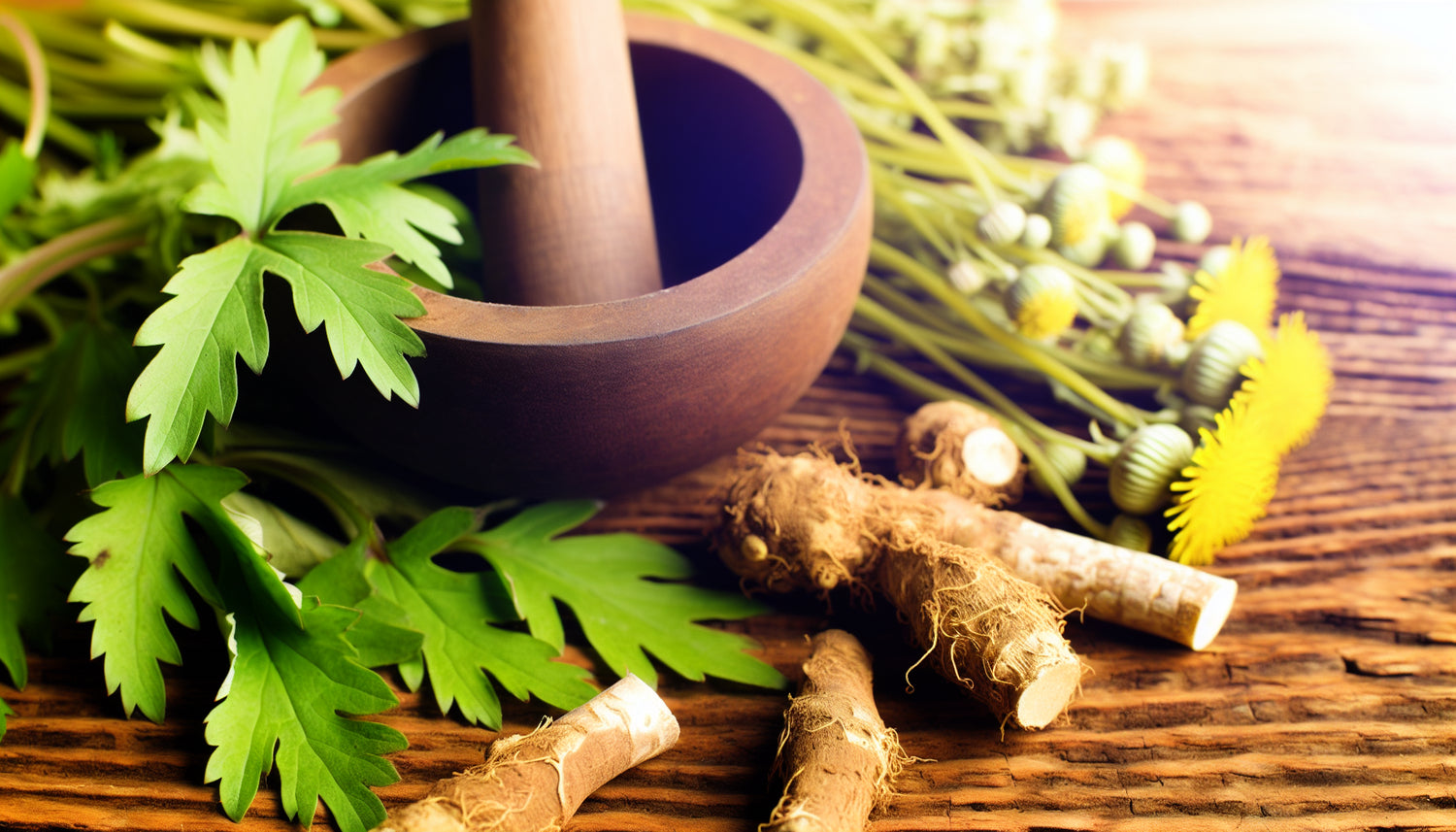
Hildegard von Bingen Produkte basieren auf den Erkenntnissen der bedeutenden Äbtissin des 12. Jahrhunderts, die die besondere Bedeutung der Bitterstoffe für die Verdauung und das allgemeine Wohlbefinden erkannte. In ihren Schriften beschreibt sie detailliert, wie Bitterkräuter wie Wermut, Enzian und Löwenzahn traditionell zur Unterstützung der Verdauung verwendet werden. Diese Tradition basiert auf der jahrhundertelangen Beobachtung, dass Bitterstoffe über Geschmacksrezeptoren nicht nur im Mund, sondern im gesamten Verdauungstrakt wahrgenommen werden.
Die traditionelle Verwendung der Bitterkräuter unterscheidet sich grundlegend von modernen synthetischen Ansätzen. Bereits beim ersten Kontakt mit der Zunge aktivieren die Bitterstoffe natürliche Reflexe: Die Speichelproduktion wird angeregt, und der gesamte Verdauungsapparat bereitet sich auf die Nahrungsaufnahme vor. Die Leber-Produkte von Bitterkraft werden traditionell zur Unterstützung der Gallensaftproduktion geschätzt. Dieser natürliche Prozess kann eine effiziente Verdauung unterstützen und wird seit Jahrhunderten für das allgemeine Wohlbefinden geschätzt.
Besonders bemerkenswert ist die Tatsache, dass neueste Forschungen Bitterrezeptoren nicht nur im Mund- und Rachenraum, sondern auch im gesamten Verdauungsbereich nachweisen konnten. Diese Entdeckung bestätigt wissenschaftlich, was die traditionelle Naturheilkunde seit Jahrhunderten lehrt: Bitterstoffe werden vom Körper ganzheitlich wahrgenommen und können zur natürlichen Unterstützung der Darm- und Verdauungsprodukte beitragen.
Traditionelle Verwendung von Bitterstoffen
Während moderne synthetische Substanzen als externe Wirkstoffe gezielt einzelne Rezeptoren stimulieren, werden Bitterstoffe aus Pflanzen wie Enzian, Artischocke und Mariendistel seit Jahrhunderten traditionell zur Unterstützung der Verdauung und des allgemeinen Wohlbefindens verwendet. Der entscheidende Unterschied liegt in der Art der Anwendung: Statt externe Substanzen zuzuführen, werden Bitterkräuter traditionell dazu eingesetzt, die natürlichen Körperfunktionen zu unterstützen.
Pflanzliche Bitterstoffe werden traditionell zur Unterstützung der Darmgesundheit geschätzt, was sich positiv auf das allgemeine Wohlbefinden auswirken kann. Ein gesunder Darm mit einer ausgewogenen Mikrobiota wird in der traditionellen Heilkunde seit jeher als Grundlage für das Wohlbefinden betrachtet. Die traditionelle Anwendung von Bitterkräutern vor den Mahlzeiten kann das Verdauungssystem optimal auf die Nahrungsaufnahme vorbereiten und zu einem bewussteren Essverhalten beitragen.
Ein weiterer Vorteil pflanzlicher Bitterkräuter liegt in ihrer komplexen, natürlichen Zusammensetzung. Während synthetische Substanzen meist einzelne, konzentrierte Verbindungen darstellen, enthalten Heilpflanzen Hunderte verschiedener natürlicher Substanzen, die traditionell als Vielstoffgemische geschätzt werden. Diese natürlichen Komplexe, wie sie in der traditionellen BitterKraft Original verwendet werden, können das Wohlbefinden auf verschiedenen Ebenen unterstützen und werden seit Jahrhunderten für ihre gute Verträglichkeit geschätzt.
Ganzheitlicher Ansatz versus Einzelwirkstoff
Der fundamentale Unterschied zwischen synthetischen Einzelwirkstoffen und traditionellen Bitterkräutern liegt in der Herangehensweise: Während moderne Medikamente gezielt einzelne Körperfunktionen beeinflussen, verfolgt die traditionelle Naturheilkunde einen ganzheitlichen Ansatz. Hildegards Verständnis von Wohlbefinden basierte auf dem Gleichgewicht aller Körperfunktionen, wobei die Verdauung als Grundlage für das allgemeine Wohlbefinden betrachtet wurde. Bitterkräuter werden traditionell nicht nur zur Unterstützung einzelner Aspekte, sondern für die ganzheitliche Stärkung von Verdauung und Wohlbefinden geschätzt.
Die Nachhaltigkeit beider Ansätze unterscheidet sich erheblich. Während synthetische Medikamente eine dauerhafte Anwendung erfordern und spezifische medizinische Indikationen haben, können Bitterkräuter dabei helfen, langfristige, gesunde Gewohnheiten zu etablieren. Die regelmäßige Anwendung von Bitterstoffen vor den Mahlzeiten kann zu einer bewussteren Nahrungsaufnahme führen und wird traditionell zur Unterstützung der natürlichen Verdauungsfunktionen geschätzt. Dies entspricht einem traditionellen Ansatz, bei dem der Körper dabei unterstützt wird, seine eigenen natürlichen Funktionen optimal zu nutzen.
Schließlich spielt auch die traditionelle Erfahrung eine wichtige Rolle. Während bei synthetischen Medikamenten spezifische Nebenwirkungen dokumentiert sind, werden traditionelle Bitterkräuter seit Jahrhunderten für ihre gute Verträglichkeit geschätzt. Die jahrhundertelange Erfahrung mit diesen Pflanzen hat gezeigt, dass sie bei sachgemäßer Anwendung eine sichere und natürliche Möglichkeit darstellen, das Wohlbefinden zu unterstützen. Für Menschen, die einen natürlichen, traditionellen Weg suchen und langfristige, nachhaltige Gewohnheiten entwickeln möchten, können BitterKraft Original eine wertvolle Unterstützung für das tägliche Wohlbefinden darstellen.
🤖 Das Beitragsbild dieses Artikels wurde mit DALL·E 3 (OpenAI) mithilfe von Künstlicher Intelligenz generiert (gemäß EU AI Act Art. 50 gekennzeichnet).


Hinterlasse einen Kommentar
Diese Website ist durch hCaptcha geschützt und es gelten die allgemeinen Geschäftsbedingungen und Datenschutzbestimmungen von hCaptcha.