

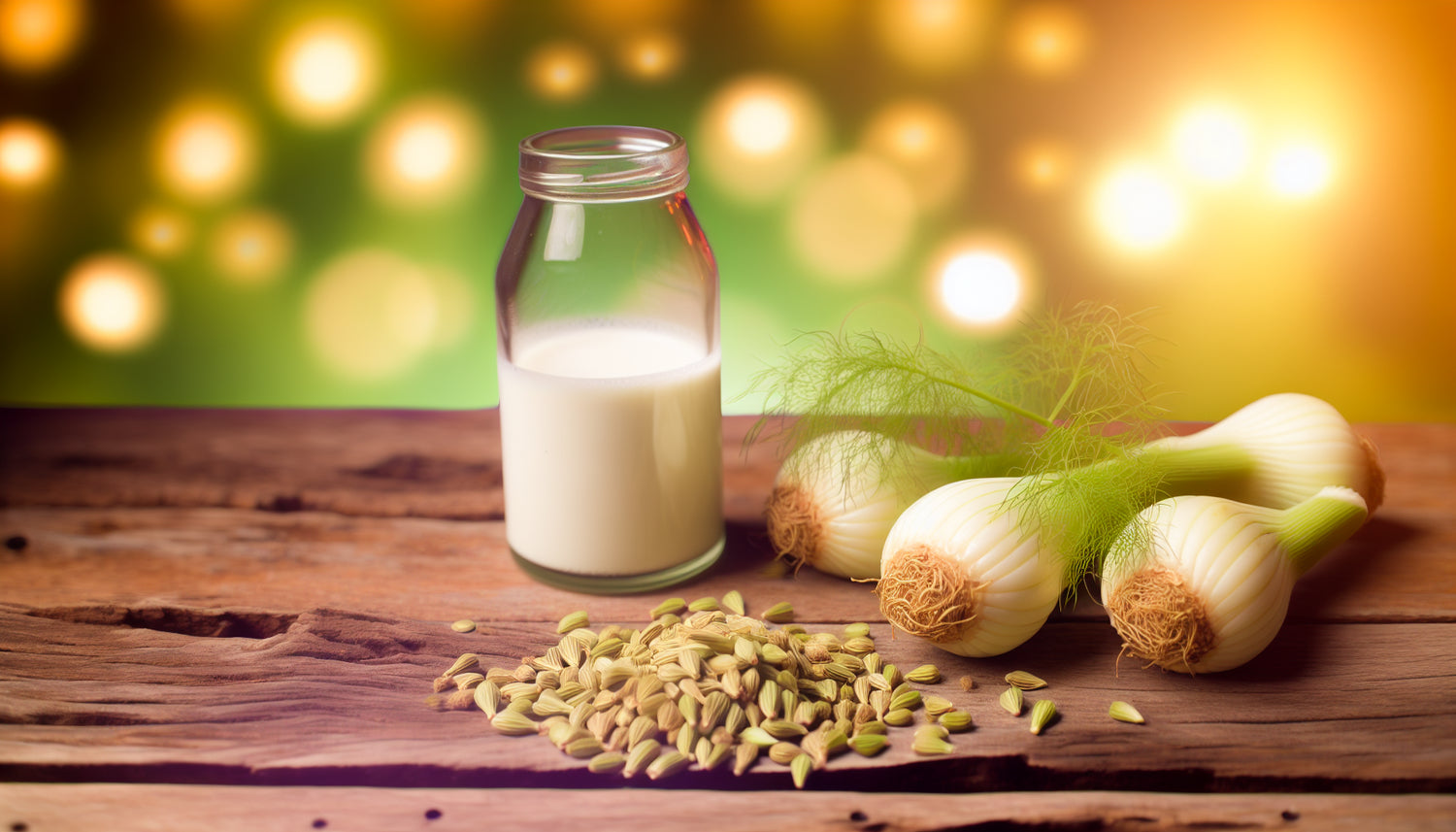
Wichtiger Hinweis: Dieser Artikel dient ausschließlich der allgemeinen Information und ersetzt keine medizinische Beratung. Bei anhaltenden Verdauungsbeschwerden oder Verdacht auf Laktoseintoleranz konsultieren Sie bitte einen qualifizierten Arzt oder Ernährungsberater.
Laktoseintoleranz betrifft Millionen von Menschen weltweit und kann das tägliche Leben erheblich beeinträchtigen. Doch was steckt wirklich hinter dieser weit verbreiteten Verdauungsherausforderung? Die Antwort liegt oft in der Stärke unserer gesamten Verdauung und der natürlichen Fähigkeit des Körpers, wichtige Enzyme zu produzieren. Bereits Hildegard von Bingen erkannte die Bedeutung einer harmonischen Verdauung für das gesamte Wohlbefinden und entwickelte zeitlose Ansätze, die auch heute noch geschätzt werden.
📋 Inhaltsverzeichnis
Was ist Laktoseintoleranz und wie entsteht sie?
Laktoseintoleranz entsteht durch einen Mangel an Laktase, einem Enzym, das normalerweise im Dünndarm produziert wird und für die Aufspaltung von Milchzucker (Laktose) verantwortlich ist. Wenn nicht genügend Laktase vorhanden ist, gelangt unverdaute Laktose in den Dickdarm, wo sie von Bakterien fermentiert wird. Dies kann zu den typischen Beschwerden wie Blähungen, Bauchschmerzen und Verdauungsproblemen führen.
Interessant ist, dass die Laktaseproduktion bei den meisten Menschen nach dem Säuglingsalter natürlicherweise abnimmt. Dies ist ein evolutionärer Prozess, da Muttermilch ursprünglich nur in den ersten Lebensjahren konsumiert wurde. Die Fähigkeit, auch im Erwachsenenalter Laktose zu verdauen, entwickelte sich erst durch die Domestizierung von Nutztieren und den regelmäßigen Konsum von Milchprodukten über Jahrtausende hinweg.
Die Schwere der Laktoseintoleranz kann stark variieren. Während manche Menschen bereits bei geringen Mengen Milchprodukte Beschwerden entwickeln, können andere moderate Mengen ohne Probleme vertragen. Diese individuelle Variabilität hängt von der noch vorhandenen Laktaseaktivität und der allgemeinen Verdauungsgesundheit ab.
Die Rolle der Verdauungsstärke bei der Enzymproduktion
Eine starke, gut funktionierende Verdauung wird in der traditionellen Betrachtung mit der natürlichen Enzymproduktion des Körpers in Verbindung gebracht. Der Darm spielt dabei eine zentrale Rolle, da hier nicht nur die Laktase, sondern auch zahlreiche andere wichtige Verdauungsenzyme produziert werden. Eine gesunde Darmflora und intakte Darmschleimhaut gelten seit jeher als Grundlage für eine harmonische Verdauung.
Die Bauchspeicheldrüse trägt ebenfalls wesentlich zur Verdauungsleistung bei, indem sie verschiedene Enzyme für die Aufspaltung von Fetten, Proteinen und Kohlenhydraten bereitstellt. Eine gut funktionierende Bauchspeicheldrüse wird in der traditionellen Heilkunde als wichtiger Baustein für die gesamte Verdauungsharmonie betrachtet.
Die Leber ist für die Produktion von Gallenflüssigkeit verantwortlich, die für die Fettverdauung unerlässlich ist. Eine gesunde Leber und eine ausgewogene Gallenproduktion werden traditionell mit der allgemeinen Verdauungsharmonie in Verbindung gebracht und gelten als wichtiger Bestandteil eines funktionierenden Verdauungssystems.
Hildegards zeitlose Weisheit für die Verdauungsgesundheit
Hildegard von Bingen betrachtete Verdauungsbeschwerden immer im Kontext der gesamten körperlichen und seelischen Verfassung. Ihrer Lehre nach entstehen Verdauungsprobleme oft durch ein Ungleichgewicht der Körpersäfte und eine geschwächte Verdauungskraft. Sie empfahl daher ganzheitliche Ansätze, die nicht nur die Symptome, sondern die zugrunde liegenden Ursachen berücksichtigen.
In der Hildegard-Heilkunde werden bestimmte Kräuter und Gewürze seit Jahrhunderten für ihre traditionelle Verwendung geschätzt. Fenchel wird seit jeher traditionell geschätzt und kann das Wohlbefinden unterstützen. Kümmel wird traditionell verwendet und ist bekannt für seine jahrhundertelange Anwendung in der Volksheilkunde. Auch Anis wird seit Generationen traditionell geschätzt und für das allgemeine Wohlbefinden verwendet.
Besonders wertvoll sind in der Hildegard-Tradition auch die bitter schmeckenden Kräuter und Pflanzen. Diese werden traditionell verwendet und sind seit Jahrhunderten für ihre Eigenschaft geschätzt, das natürliche Wohlbefinden zu unterstützen. Bitterstoffe werden seit Jahrhunderten traditionell geschätzt und sind bekannt dafür, das allgemeine Wohlbefinden nach den Mahlzeiten zu unterstützen.
Natürliche Unterstützung für eine harmonische Verdauung
Neben der gezielten Verwendung von Heilkräutern gibt es weitere natürliche Ansätze, die traditionell für die Verdauungsgesundheit geschätzt werden. Eine bewusste Ernährungsweise mit regelmäßigen Mahlzeiten und ausreichend Zeit zum Kauen wird seit jeher empfohlen. Das bewusste Kauen aktiviert bereits im Mund die Speichelproduktion und bereitet den gesamten Verdauungstrakt auf die kommende Nahrung vor.
Bewusstes Fasten und Entlastungstage werden traditionell geschätzt, um der Verdauung Regeneration zu ermöglichen. Während solcher Ruhephasen haben die Verdauungsorgane Zeit zur Erholung und können ihre natürlichen Funktionen wieder optimieren. Diese Praxis wird seit Jahrhunderten in verschiedenen Kulturen für das allgemeine Wohlbefinden eingesetzt.
Informative Produkte zur traditionellen Unterstützung:
Die hier erwähnten Darm- und Verdauungsprodukte, Leber-Produkte, Hildegard von Bingen Produkte, BitterKraft Original und Immunsystem-Produkte dienen der allgemeinen Information über traditionelle Anwendungen.
Die Verbindung zwischen Verdauungsgesundheit und dem allgemeinen Wohlbefinden ist nicht zu unterschätzen. Ein gesunder Darm mit einer ausgewogenen Mikrobiota wird traditionell als wichtiger Baustein für das körperliche Wohlbefinden betrachtet. Diese ganzheitliche Betrachtung entspricht ganz der Hildegard'schen Tradition, die den Menschen als Einheit von Körper, Geist und Seele versteht und Heilung immer im Zusammenhang mit der gesamten Lebensweise sieht.
🤖 Das Beitragsbild dieses Artikels wurde mit DALL·E 3 (OpenAI) mithilfe von Künstlicher Intelligenz generiert (gemäß EU AI Act Art. 50 gekennzeichnet).


Hinterlasse einen Kommentar
Diese Website ist durch hCaptcha geschützt und es gelten die allgemeinen Geschäftsbedingungen und Datenschutzbestimmungen von hCaptcha.