

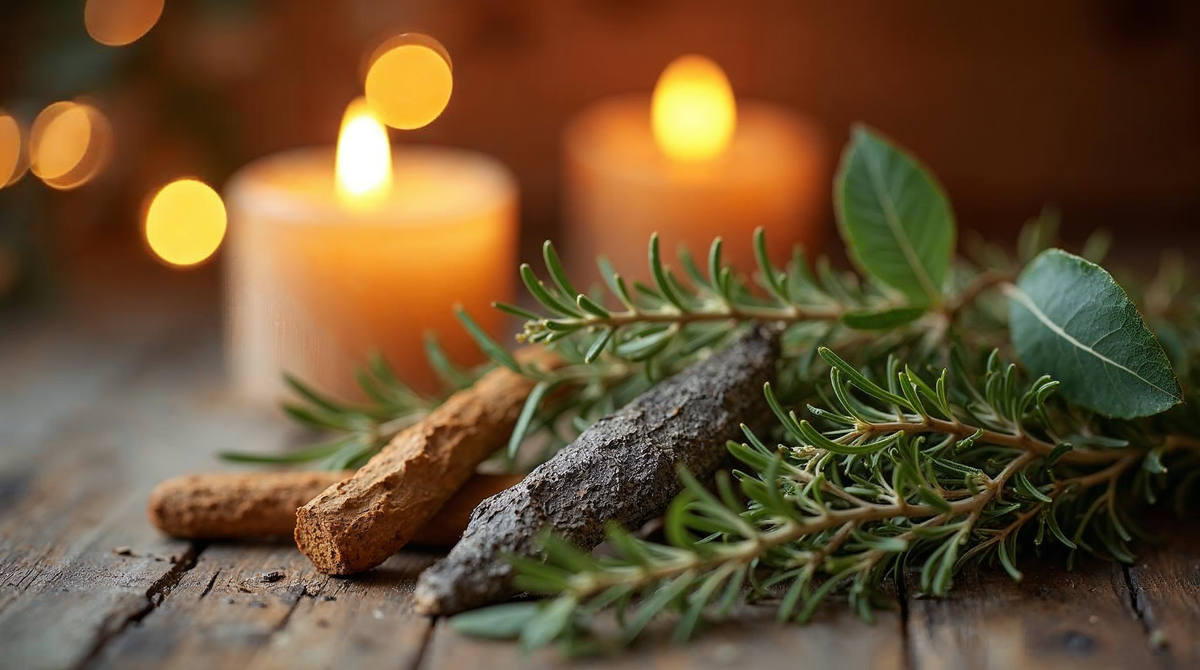
Wenn die Tage kürzer werden, die Temperaturen sinken und das erste Kratzen im Hals beginnt, greift der Mensch seit Jahrtausenden zu den Schätzen der Natur. Die Winterzeit war schon für unsere Vorfahren eine Jahreszeit, in der Kräuter, Wurzeln und Harze eine besondere Rolle im Alltag spielten – nicht als Medikamente im modernen Sinne, sondern als Begleiter, die das körperliche Wohlbefinden in der kalten Jahreszeit traditionell unterstützt haben. Diese Überlieferungen sind bis heute lebendig, und gerade im Bereich der Naturheilkunde erleben sie eine Renaissance. Wer sich mit dem Kräuterwissen von Hildegard von Bingen beschäftigt oder die Klostermedizin des Mittelalters studiert, findet dort eine erstaunliche Fülle an pflanzlichem Wissen, das uns auch heute noch inspirieren kann.
Was die Kälte mit unserem Körper macht – und warum Schleim eine Rolle spielt
Der Winter stellt besondere Anforderungen an den menschlichen Organismus. Trockene Heizungsluft, wechselhafte Temperaturen beim Wechsel zwischen kalter Außenluft und beheizten Innenräumen sowie weniger Bewegung und Licht – all das gehört zu den typischen Begleiterscheinungen der kalten Jahreszeit. In der Naturheilkunde wird dem Schleim eine ambivalente Rolle zugeschrieben: Einerseits ist er ein natürlicher Schutzfilm der Schleimhäute, andererseits kann eine übermäßige Schleimproduktion das allgemeine Wohlbefinden merklich beeinträchtigen. Wer kennt das nicht – ein verstopfter Kopf, zäher Schleim in den Atemwegen, das Gefühl, nicht richtig durchatmen zu können.
In der Humoralpathologie, dem medizinischen Weltbild des Mittelalters und damit auch der Grundlage von Hildegards Denken, spielte der Schleim als Körpersaft eine zentrale Rolle. Das sogenannte Phlegma galt als einer der vier Körpersäfte und war dem Element Wasser sowie der kalten, feuchten Jahreszeit zugeordnet. Ein Überschuss an Phlegma wurde traditionell mit Trägheit, Schwere und eben jenen Beschwerden in Verbindung gebracht, die wir heute als typische Erkältungssymptome kennen. Die Klostermedizin hatte auf diese Zustände klare pflanzliche Antworten, die über Generationen weitergegeben wurden. Hildegard von Bingen Produkte
Besonders interessant ist dabei, dass viele der Kräuter, die historisch zur Unterstützung bei verschleimten Atemwegen eingesetzt wurden, auch in der modernen Naturheilkunde noch eine Rolle spielen. Die Verbindung zwischen überliefertem Wissen und zeitgemäßem Interesse an natürlichen Lebensweisen macht dieses Thema so lebendig. Es geht nicht darum, moderne Medizin zu ersetzen, sondern das traditionelle Pflanzenwissen als Ergänzung des Alltags zu verstehen – als Ritual, als Fürsorge für sich selbst, als bewusstes Hinzufügen von Naturmomenten in eine oft hektische Lebensweise.
In der Klostermedizin galt der Winter als die Jahreszeit des Phlegmas – also des Schleims. Kräuter wie Thymian, Spitzwegerich und Andorn wurden traditionell als Begleiter durch die kalte Jahreszeit geschätzt und sind bis heute fester Bestandteil des naturheilkundlichen Kräuterwissens.
Hildegards Kräuterapotheke: Die wichtigsten schleimlösenden Pflanzen der Klostermedizin
Hildegard von Bingen (1098–1179) hinterließ in ihren Werken „Physica" und „Causae et Curae" ein beeindruckendes Kompendium des Pflanzenwissens ihrer Zeit. Als Äbtissin und Gelehrte verfügte sie über ein umfangreiches botanisches Wissen, das sie systematisch aufzeichnete und das bis heute als wertvolle historische Quelle gilt. Besonders für die Atemwege und den Winter nannte Hildegard eine Reihe von Pflanzen, die in der klösterlichen Praxis regelmäßig Verwendung fanden.
„Der Ysop ist warm und trocken. Wer an der Brust leidet und Schleim hat, koche Ysop in reinem Wasser oder in Wein und trinke ihn oft, und der Schleim in seiner Brust wird verringert." – Hildegard von Bingen, Physica (ca. 1150–1160), übersetzt aus dem Mittellateinischen
Ysop – heute vielen nur als Küchenkraut bekannt – war in der Klostermedizin eine der zentralen Pflanzen für die Atemwege. Hildegard schätzte ihn für seine erwärmenden Eigenschaften, die im humoralpathologischen System ideal gegen das kalte, feuchte Phlegma eingesetzt werden konnten. Die Praxis, Kräuter in Wasser oder Wein zu kochen und den Sud zu trinken, entspricht im Wesentlichen dem, was wir heute als Kräutertee kennen – ein Ritual, das auch im modernen Alltag seinen Platz hat.
Ebenso bedeutsam war für Hildegard der Thymian, den sie als wärmend und stärkend beschrieb. Er fand sich in vielen klösterlichen Rezepturen und wurde sowohl innerlich als Sud als auch äußerlich in Form von Dämpfen angewendet. Das inhalative Anwenden von Kräuterdampf – heute wieder als Gesichtsdampfbad beliebt – hat also eine sehr lange Tradition. Auch Salbei und Lavendel tauchen in Hildegards Schriften im Zusammenhang mit Atemwegsbeschwerden auf, immer eingebettet in das ganzheitliche Verständnis von Körper, Seele und Natur. Hildegard von Bingen Produkte
Diese Kräuter aus der Klostermedizin wurden traditionell bei Schleim und Erkältung geschätzt:
- Thymian (Thymus vulgaris): Seit Jahrhunderten in der Klostermedizin geschätzt und wird traditionell bei Beschwerden der Atemwege verwendet. Hildegard beschrieb ihn als wärmendes Kraut, das dem kalten Phlegma entgegenwirke.
- Ysop (Hyssopus officinalis): Historisch eine der wichtigsten Kräuterpflanzen des Mittelalters, explizit von Hildegard für die Atemwege erwähnt. Wird traditionell als Teeaufguss oder Dampfinhalation verwendet.
- Spitzwegerich (Plantago lanceolata): Wird seit Jahrhunderten traditionell als Begleiter bei verschleimten Atemwegen verwendet. Die Pflanze war in der Volksmedizin vieler europäischer Kulturen bekannt.
- Andorn (Marrubium vulgare): Historisch bekannt als „Hustenkraut" der Klöster, wird traditionell als Teeaufguss zubereitet und ist Teil des überlieferten europäischen Kräuterwissens.
- Süßholzwurzel (Glycyrrhiza glabra): Bereits in der antiken Medizin und später in der Klostermedizin für die Atemwege geschätzt. Wird traditionell als Tee oder Extrakt verwendet und verleiht Mischungen eine angenehm süßliche Note.
- Salbei (Salvia officinalis): „Warum sollte ein Mensch sterben, dem Salbei im Garten wächst?" – so lautete ein berühmter mittelalterlicher Spruch. Wird traditionell für Hals und Atemwege verwendet.
Traditionelle Zubereitungsformen: Tee, Dampf und mehr
Das Wissen um schleimlösende Kräuter ist nur halb so wertvoll ohne das Wissen um die richtige Zubereitung. In der Naturheilkunde und besonders in der Klostermedizin war die Zubereitungsform keineswegs beliebig – sie war Teil eines ganzheitlichen Rituals, das Körper und Geist gleichermaßen ansprach. Der Kräutertee ist dabei die bekannteste und zugänglichste Form. Doch auch Dampfinhalationen, Brusttücher, Halswickel und Kräuterhonige spielten historisch eine wichtige Rolle und haben bis heute ihre Berechtigung im naturheilkundlichen Alltag.
Kräutertee richtig zubereiten – worauf es ankommt:
Für einen optimalen Aufguss werden die meisten Blätterkräuter wie Thymian, Salbei oder Pfefferminze mit frisch gekochtem, aber leicht abgekühltem Wasser (ca. 90°C) übergossen und 5–8 Minuten abgedeckt ziehen gelassen. Wurzeln und härtere Pflanzenteile wie Süßholzwurzel oder Ingwer werden idealerweise als Dekokt zubereitet: kurz aufkochen, dann 10–15 Minuten ziehen lassen. Das Abdecken beim Ziehen ist wichtig, um ätherische Öle nicht entweichen zu lassen – diese sind traditionell ein wesentlicher Bestandteil des geschätzten Kräuteraromas.
Die Dampfinhalation ist eine weitere traditionsreiche Methode, die in der Volksmedizin vieler Kulturen bekannt ist. Dabei werden Kräuter – besonders solche mit ätherischen Ölen wie Thymian, Eukalyptus oder Pfefferminze – in heißem Wasser übergossen, und der aufsteigende Dampf wird über ein Handtuch eingeatmet. Diese Methode wird seit Generationen weitergegeben und ist bis heute ein fester Bestandteil naturheilkundlicher Empfehlungen für die Winterzeit. Wichtig ist dabei Vorsicht bei Kindern, da heiße Dämpfe mit ätherischen Ölen für kleine Kinder nicht geeignet sind.
Eine weniger bekannte, aber historisch bedeutsame Zubereitungsform ist der Kräuterhonig. Durch das Einlegen von frischen oder getrockneten Kräutern in Honig entsteht nach einigen Wochen ein aromatischer, konzentrierter Auszug, der traditionell löffelweise eingenommen wurde. Thymian-Honig und Salbei-Honig sind klassische Beispiele, die sich auch heute noch leicht selbst herstellen lassen. Honig selbst wurde in der Klostermedizin als wertvolles Lebensmittel betrachtet, dem Hildegard von Bingen eine besondere Bedeutung beimaß – er galt als warm und wohltuend für den Körper. Hildegard von Bingen Produkte
Die Dampfinhalation mit Thymian oder Pfefferminze ist eine der ältesten überlieferten Methoden zur Unterstützung der Atemwege im Winter – einfach, kostengünstig und tief in der europäischen Kräutertradition verwurzelt.
Bittere Kräuter als Winterbegleiter: Die unterschätzte Rolle der Bitterstoffe
Wer an Erkältung und Atemwege denkt, kommt nicht immer sofort auf Bitterstoffe. Und doch spielen sie in der Naturheilkunde und besonders in der Tradition der Klostermedizin eine bemerkenswerte Rolle als Winterbegleiter. Bittere Pflanzen wie Enzian, Schafgarbe oder Tausendgüldenkraut wurden historisch nicht nur für die Verdauung geschätzt, sondern galten als Stärker des gesamten Organismus in der kalten Jahreszeit. Das Prinzip des „Bitter ist Balsam" zieht sich wie ein roter Faden durch die europäische Kräutertradition. BitterKraft Original
In der Fachliteratur zur Hildegard-Medizin (u.a. Wighard Strehlow: „Hildegard von Bingen – Die Heilkraft der Bitterkräuter", 2003) wird darauf hingewiesen, dass Hildegard bittere Pflanzen als besonders wertvoll für die Konstitution in der Winterzeit betrachtete und sie als „Reiniger" des Körpers beschrieb – ein Konzept, das der modernen naturheilkundlichen Auffassung von Bitterstoffen als Tonikum nahekommt.
Interessanterweise verbindet die Naturheilkunde das Thema Schleim und Atemwege häufig mit dem Konzept der inneren Balance. Ein geschwächter Organismus – der aus naturheilkundlicher Sicht auch durch eine unausgewogene Ernährung, Mangel an Bewegung oder Stress entsteht – gilt als anfälliger für winterliche Beschwerden. Bitterkräuter werden in diesem Kontext traditionell als Begleiter verstanden, die das allgemeine Wohlbefinden unterstützen können und den Körper in der Jahreszeit des Phlegmas zu stärken helfen. Sie stehen dabei nicht im Gegensatz zu den schleimlösenden Kräutern, sondern ergänzen sie auf sinnvolle Weise. Immunsystem-Produkte
In der praktischen Anwendung bedeutet das: Wer im Winter regelmäßig zu einem Tee aus Thymian und Andorn greift, kann dies wunderbar mit einem kleinen Bitter-Ritual ergänzen. Ein paar Tropfen eines hochwertigen Kräuterbitters vor den Mahlzeiten, ein Tee aus Schafgarbe und Pfefferminze am Abend – so entsteht eine ganzheitliche, naturheilkundlich inspirierte Routine, die nicht auf einzelne Symptome zielt, sondern das Wohlbefinden als Ganzes im Blick hat. Dies entspricht dem Grundprinzip der traditionellen Naturheilkunde: nicht Weglassen, sondern Hinzufügen. Nicht isoliert behandeln, sondern ganzheitlich begleiten.
Bitterkräuter und schleimlösende Kräuter schließen sich nicht aus – sie ergänzen sich im Sinne der ganzheitlichen Naturheilkunde. Die Winterroutine aus Thymian-Tee und Kräuterbitter entspricht einem überlieferten Konzept der Klostermedizin, das auf die Balance des gesamten Organismus zielt.
Praktische Winter-Rituale: So lässt sich das Kräuterwissen in den Alltag integrieren
Das wertvollste Kräuterwissen nützt wenig, wenn es im Bücherregal verstaubt. Die eigentliche Kunst liegt in der Alltagsintegration – und genau hier hat die Klostermedizin noch etwas Entscheidendes zu lehren. In den Klöstern war die Kräuteranwendung kein außergewöhnliches Ereignis, sondern Bestandteil des täglichen Lebens. Der Kräutergarten, die Klosterküche, die Hausapotheke – all das war Teil eines rhythmischen Alltags, in dem die Natur und ihre Jahreszeiten aktiv einbezogen wurden. Diesen Rhythmus können wir heute neu entdecken.
Ein einfacher Einstieg ist die Einrichtung einer kleinen Winterapotheke zu Hause: getrockneter Thymian, Spitzwegerich, Andorn, Süßholzwurzel und Ysop als Grundausstattung für die Erkältungszeit. Dazu ein guter Kräuterbitter und ein hochwertiger Thymian-Honig. Diese Zutaten lassen sich zu einer individuellen Erkältungszeit-Routine zusammenstellen, die morgens mit einem wärmenden Tee beginnt und abends mit einem beruhigenden Salbei-Dampfbad enden kann. Das Ritual selbst hat dabei einen eigenen Wert – es signalisiert dem Körper: „Ich kümmere mich um mich." Schlaf- und Entspannungsprodukte
Für die Teemischung empfiehlt sich eine klassische Kombination, die tief in der europäischen Kräutertradition verwurzelt ist:
Traditionelle Winterkräuter für die selbst gemischte Erkältungszeit-Teemischung:
- Thymian: Das Rückgrat jeder klassischen Atemwegs-Kräuterteemischung. Wird traditionell als Hauptkraut verwendet und gibt der Mischung ihre charakteristische Wärme.
- Spitzwegerich: Ergänzt Thymian ideal und ist seit Jahrhunderten fester Bestandteil überlieferter Erkältungs-Kräutermischungen in der europäischen Volksmedizin.
- Süßholzwurzel: Gibt der Mischung eine angenehme natürliche Süße und wird traditionell zur Abrundung von Atemwegs-Kräutertees verwendet.
- Andorn: Historisch als „Hustenkraut" bekannt, ergänzt die Mischung um eine leicht bittere Note und eine lange volksmedizinische Tradition.
- Ingwer: Nicht in Hildegards ursprünglichem Repertoire, aber seit dem Mittelalter über den Gewürzhandel in Europa bekannt und geschätzt. Gibt der Mischung Wärme und Schärfe.
Neben dem Tee verdient auch die Dampfinhalation einen festen Platz im Winterritual. Schon zwei- bis dreimal pro Woche ein kurzes Kräuter-Dampfbad kann das allgemeine Wohlbefinden in der Erkältungszeit auf angenehme Weise begleiten. Wer die Tradition der Klostermedizin weiterdenkt, kann auch einen einfachen Brusttee-Wickel ausprobieren: Ein in warmem Thymiantee getränktes, ausgewrungenes Tuch, auf die Brust gelegt und mit einem trockenen Handtuch abgedeckt, ist eine uralte Form der äußerlichen Kräuteranwendung, die in vielen Pflegetraditionen bis heute lebendig ist. Immunsystem-Produkte
Am Ende ist es vor allem das Bewusstsein, das zählt: die Jahreszeiten wahrzunehmen, den eigenen Körper zu beobachten und rechtzeitig – nicht erst wenn man schon mitten in einer ausgewachsenen Erkältung steckt – mit kleinen, natürlichen Ritualen für das eigene Wohlbefinden zu sorgen. Das ist die eigentliche Lektion der Klostermedizin und des Kräuterwissens von Hildegard von Bingen: nicht warten, bis etwas zusammenbricht, sondern kontinuierlich und liebevoll für Balance sorgen. Die Natur bietet dafür seit Jahrtausenden ihre Mittel an – wir müssen sie nur nutzen.

Hinterlasse einen Kommentar
Diese Website ist durch hCaptcha geschützt und es gelten die allgemeinen Geschäftsbedingungen und Datenschutzbestimmungen von hCaptcha.