

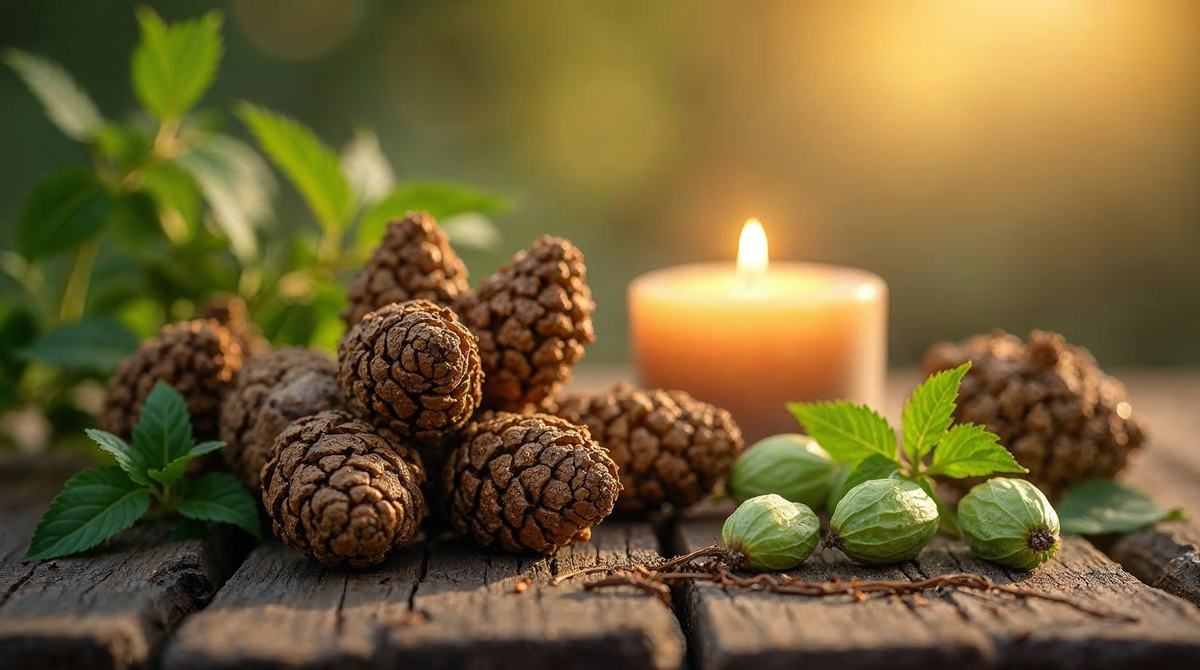
Wer kennt es nicht: Man liegt im Bett, die Gedanken kreisen, der Schlaf will einfach nicht kommen. In einer Zeit, in der Reizüberflutung und innere Unruhe für viele Menschen zum Alltag gehören, suchen immer mehr nach natürlichen Wegen, um zur Ruhe zu finden. Baldrian und Hopfen zählen dabei zu den bekanntesten Kräutern der europäischen Naturheilkunde – und das schon seit vielen Jahrhunderten. Doch was steckt wirklich hinter dem traditionellen Ruf dieser beiden Heilpflanzen? Und warum griffen bereits mittelalterliche Kräuterkundige wie Hildegard von Bingen auf sie zurück? Dieser Artikel nimmt Baldrian und Hopfen genauer unter die Lupe – ihre Geschichte, ihre Inhaltsstoffe und ihre Rolle im Rahmen einer naturnahen Abendroutine. Schlaf- und Entspannungsprodukte
Baldrian und Hopfen: Eine jahrtausendealte Tradition der Nachtruhe
Die Geschichte des Baldrians reicht weit zurück – bis in die Antike, wo griechische und römische Ärzte die Pflanze bereits schätzten. Im Mittelalter erlebte das Wissen um Heilkräuter in den Klostergärten Europas eine wahre Blütezeit. Die Benediktinerin und Universalgelehrte Hildegard von Bingen (1098–1179) beschäftigte sich intensiv mit der Heilkraft der Pflanzen und hinterließ ein umfassendes Kräuterwissen, das bis heute nachwirkt. In ihren Schriften finden sich Hinweise auf Pflanzen, die dem Menschen bei innerer Unruhe und Schlaflosigkeit traditionell zur Seite stehen sollten – Baldrian gehörte dabei zu den geschätzten Kräutern im klösterlichen Repertoire.
Auch der Hopfen blickt auf eine beeindruckende Geschichte zurück. Während er heute vor allem als Brauzutat bekannt ist, wurde er in der Volksmedizin schon lange vor der Bierkultur als Beruhigungskraut eingesetzt. Mönche, die in Klosterbrauereien arbeiteten, beobachteten angeblich, dass Hopfenpflückerinnen bei der Ernte ungewöhnlich schnell ermüdeten – ein Hinweis, der das Interesse an der pflanzlichen Wirkung weckte. Diese Beobachtung spielte eine Rolle dabei, den Hopfen fest in der traditionellen Kräuterkunde zu verankern.
Die Verbindung von Baldrian und Hopfen ist kein moderner Marketingtrend, sondern ein über Generationen gewachsenes Erfahrungswissen. In der Volksmedizin Mitteleuropas wurden beide Pflanzen häufig gemeinsam verwendet – sei es als Tee, Kräuterkissen oder Extrakt. Diese Kombination gilt bis heute als eines der klassischsten Duos der pflanzlichen Schlafunterstützung. Wer sich für das Thema Naturheilkunde und Schlaf interessiert, stößt unweigerlich auf diese beiden Namen. Hildegard von Bingen Produkte
„Hildegard von Bingen beschrieb in ihrer ‚Physica' zahlreiche Kräuter, die dem Menschen dabei helfen sollen, innere Balance und Ruhe zu finden – ein Konzept, das sie als Voraussetzung für einen erholsamen Nachtschlaf betrachtete." – Aus der historischen Kräuterüberlieferung der Benediktinerinnen
Was steckt in Baldrian und Hopfen? Die Inhaltsstoffe im Überblick
Hinter dem traditionellen Ruf von Baldrian und Hopfen stecken komplexe Pflanzenstoffe, die die Naturwissenschaft seit Jahrzehnten faszinieren. Beim Baldrian (Valeriana officinalis) sind es vor allem die ätherischen Öle, Valepotriate und Isovaleriansäure, die im Fokus der pflanzlichen Forschung stehen. Zudem enthält Baldrian Lignane und Flavonoide – sekundäre Pflanzenstoffe, die in der traditionellen Kräuterkunde seit jeher eine besondere Rolle spielen. Die Pflanzenwurzel, die für ihre charakteristische, etwas erdige Note bekannt ist, wird traditionell in getrockneter Form oder als Extrakt verwendet.
Die wichtigsten Inhaltsstoffe im Baldrian:
Die Baldrian-Wurzel enthält ein einzigartiges Spektrum an sekundären Pflanzenstoffen. Besonders bekannt sind die sogenannten Valepotriate – instabile Verbindungen, die nur in frischer oder schonend getrockneter Wurzel vorkommen. Hinzu kommen ätherische Öle (darunter Isovaleriansäure), die dem Baldrian seinen unverwechselbaren Geruch verleihen, sowie Lignane und Flavonoide wie Linarin und Hesperidin. All diese Stoffe gemeinsam machen Baldrian zu einem vielschichtigen Pflanzenkomplex, der in der traditionellen Anwendung als Ganzes betrachtet wird – nicht als Summe einzelner isolierter Substanzen.
Der Hopfen (Humulus lupulus) wiederum beeindruckt mit einem anderen Inhaltsstoffprofil. Besonders interessant ist der Bitterstoff 2-Methyl-3-buten-2-ol, der beim Trocknen aus dem Hopfen-eigenen Stoff Humulon entsteht. Zusätzlich enthält Hopfen Flavonoide wie Xanthohumol und 8-Prenylnaringenin sowie ätherische Öle. In der traditionellen Anwendung werden vor allem die getrockneten Hopfenzapfen – die weiblichen Blütenstände der Pflanze – verwendet. Sie bilden die Grundlage für Tees, Kräuterkissen und Extrakte.
Baldrian und Hopfen werden seit Jahrhunderten traditionell in Kombination eingesetzt – und genau diese Kombination gilt in der Pflanzenheilkunde als besonders bewährt, da sich die Inhaltsstoffe beider Pflanzen gegenseitig ergänzen.
Diese Heilkräuter werden traditionell zur Unterstützung eines ruhigen Abends eingesetzt:
- Baldrian (Valeriana officinalis): Seit der Antike traditionsreich genutzt, wird Baldrian in der europäischen Kräuterkunde seit Jahrhunderten mit Entspannung und Nachtruhe in Verbindung gebracht. Die Wurzel ist die am häufigsten verwendete Pflanzenteil.
- Hopfen (Humulus lupulus): In der Volksmedizin historisch als Beruhigungskraut bekannt, oft in Kräuterkissen verwendet. Hopfenzapfen gelten als klassische Ergänzung zu Baldrian in der traditionellen Schlafunterstützung.
- Melisse (Melissa officinalis): Die Zitronenmelisse wird seit dem Mittelalter in Klostergärten angebaut und war auch Hildegard von Bingen bekannt. Traditionell wird sie bei nervöser Unruhe und als Begleitkraut für ruhige Abende geschätzt.
- Passionsblume (Passiflora incarnata): Ursprünglich aus Amerika stammend, hat sich die Passionsblume auch in der europäischen Kräutermedizin etabliert. Sie wird traditionell bei innerer Anspannung und Schlafproblemen eingesetzt.
- Lavendel (Lavandula angustifolia): Das duftende Kraut der Provence ist weit mehr als ein Duftstoff. In der traditionellen Anwendung wurde Lavendel seit Jahrhunderten für ruhige Nächte geschätzt – als Öl, Tee oder getrocknete Pflanze. alle Bitterkraft Produkte
Hildegards Kräuterwissen trifft auf moderne Naturheilkunde
Hildegard von Bingen verstand Schlaf als einen zentralen Baustein der menschlichen Gesundheit. In ihrer ganzheitlichen Weltsicht – die Körper, Seele und Geist als untrennbare Einheit betrachtete – war erholsamer Schlaf keine Selbstverständlichkeit, sondern etwas, das aktiv gepflegt werden wollte. Ihre Empfehlungen umfassten nicht nur bestimmte Kräuter, sondern auch Rituale: das Abendgebet, das Abschalten von Alltagsgedanken, das bewusste Zur-Ruhe-Kommen. Diese Idee einer ganzheitlichen Abendroutine klingt erstaunlich modern – und findet sich heute in vielen Konzepten der Schlafhygiene wieder.
Was Hildegard dabei intuitiv verstand, beschäftigt auch die moderne Naturheilkunde: Schlaf ist nicht einfach ein passiver Zustand, sondern ein aktiver Prozess, der der Vorbereitung bedarf. Kräuter wie Baldrian und Hopfen können dabei als Teil einer bewussten Abendroutine eingebunden werden – als ein Signal an Körper und Geist, dass der Tag zu Ende geht. In der Klostermedizin wurden Kräutertees und Kräuterkissen als Rituale eingesetzt, nicht als schnelle Lösung. Diese Haltung des „Hinzufügens statt Weglassens" – also die Ergänzung des Alltags durch wohltuende Rituale – entspricht dem Geist der traditionellen Naturheilkunde.
„In der Hildegard-Medizin gilt das Abendliche als heilige Zeit – eine Übergangsphase zwischen der aktiven Welt und der Welt der inneren Stille. Kräuter und Rituale begleiten diesen Übergang seit Jahrhunderten." – Aus der Hildegard-Medizin-Tradition, überliefert durch den Benediktinerorden
Die moderne Naturheilkunde schätzt diesen ganzheitlichen Ansatz. Anstatt Schlafprobleme isoliert zu betrachten, fragt sie nach den Ursachen: Gibt es chronischen Stress? Fehlt es an Abgrenzung zwischen Arbeitszeit und Erholungszeit? Ist die Ernährung ausgewogen? Auch Themen wie Darmgesundheit und Lebergesundheit werden in der traditionellen Naturheilkunde mit dem Schlaf in Verbindung gebracht – ein weiteres Zeugnis dafür, wie vernetzt das Hildegardische Denken war. Leber-Produkte von Bitterkraft Darm- und Verdauungsprodukte
Hildegard von Bingen erkannte bereits im 12. Jahrhundert, dass guter Schlaf kein Zufallsprodukt ist, sondern aktiv durch Rituale, Kräuter und eine bewusste Lebensweise unterstützt werden kann – ein Gedanke, der in der modernen Schlafforschung erstaunliche Parallelen findet.
Baldrian und Hopfen im Alltag: Traditionelle Anwendungsformen und praktische Tipps
Wer Baldrian und Hopfen in seinen Alltag integrieren möchte, hat verschiedene Möglichkeiten. Die traditionellste Form ist der Kräutertee: Getrocknete Baldrianwurzel und Hopfenzapfen lassen sich gemeinsam aufbrühen und ergeben einen erdigen, leicht bitteren Abendtee, der seit Generationen als Abendritual geschätzt wird. Wer den charakteristischen Geschmack von Baldrian als zu intensiv empfindet, kann ihn mit Melisse oder Lavendel kombinieren – eine Praxis, die auch in historischen Klosterrezepturen zu finden ist. Der Tee sollte etwa 30 bis 60 Minuten vor dem Zubettgehen genossen werden, um als Teil der Abendroutine zu wirken.
Eine weitere traditionelle Anwendungsform ist das Kräuterkissen. Getrocknete Hopfenzapfen – allein oder gemischt mit Lavendel und Melisse – wurden früher direkt ins Kopfkissen gegeben. Der sanfte Duft der ätherischen Öle begleitete den Schlaf auf natürliche Weise. Diese Tradition ist bis heute lebendig und erlebt gerade in der Naturheilkunde-Gemeinschaft eine kleine Renaissance. Wer kein eigenes Kissen nähen möchte, findet im Handel fertige Kräuterkissen oder kann ein kleines Leinensäckchen mit getrockneten Kräutern befüllen und neben das Kopfkissen legen.
Für alle, die eine konzentriertere und praktischere Form bevorzugen, bieten sich hochwertige Extrakte, Kapseln oder Tropfen an. Dabei ist die Qualität der Rohstoffe entscheidend: Traditionell hergestellte Produkte, die auf biologisch angebaute Kräuter setzen und möglichst wenig industrielle Verarbeitung durchlaufen, entsprechen am ehesten dem Geist der ursprünglichen Naturheilkunde. Schlaf- und Entspannungsprodukte
Tipps für eine naturnahe Abendroutine mit Baldrian und Hopfen:
✦ Abendtee: Baldrianwurzel und Hopfenzapfen zu gleichen Teilen mischen, mit heißem (nicht kochendem) Wasser übergießen und 10 Minuten ziehen lassen. Eventuell mit Melisse oder Lavendel verfeinern.
✦ Kräuterkissen: Getrocknete Hopfenzapfen, Lavendelblüten und Melissenblätter in ein Leinensäckchen füllen und ans Kopfkissen legen – ein Ritual, das aus mittelalterlichen Klöstern stammt.
✦ Digitaler Sonnenuntergang: Bildschirme 60–90 Minuten vor dem Schlafen ausschalten und die Zeit mit dem Kräutertee und einem Buch verbringen – ganz im Sinne Hildegards Idee der bewussten Abendgestaltung.
✦ Regelmäßigkeit: Kräuter entfalten ihre Wirkung am besten als Teil einer konsequenten Abendroutine – nicht als einmalige Maßnahme, sondern als tägliches Ritual über mehrere Wochen.
Wichtig ist, beim Einsatz von Baldrian und Hopfen auf Regelmäßigkeit zu setzen. In der traditionellen Naturheilkunde gilt der Grundsatz, dass pflanzliche Rituale Zeit brauchen, um sich in den Alltag einzugliedern. Wer Baldrian und Hopfen nur sporadisch einsetzt, wird weniger von der rituellen Kraft profitieren als jemand, der die Abendroutine über mehrere Wochen konsequent pflegt. Dies entspricht auch der klösterlichen Tradition: Das tägliche Abendgebet, die gleichmäßige Struktur des Tages – Regelmäßigkeit war in der Klostermedizin kein Zufall, sondern Prinzip.
Baldrian und Hopfen entfalten ihre traditionelle Kraft am besten als Teil einer bewussten, regelmäßigen Abendroutine – nicht als kurzfristige Lösung, sondern als langfristiges Ritual für mehr innere Ruhe und Nachtqualität.
Schlaf als Spiegel des Lebensstils: Der ganzheitliche Blick der Naturheilkunde
Schlafprobleme sind selten ein isoliertes Phänomen. In der ganzheitlichen Naturheilkunde – und in Hildegards Denken noch ausgeprägter – wird der Schlaf als Spiegel des gesamten Lebensstils verstanden. Wer tagsüber unter chronischem Stress steht, sich kaum bewegt, unausgewogen ernährt oder wenig Zeit in der Natur verbringt, wird auch nachts mit den Folgen konfrontiert. Baldrian und Hopfen können in diesem Zusammenhang ein wertvolles Element sein – aber sie ersetzen nicht die grundlegende Beschäftigung mit dem eigenen Lebensstil.
Hildegard von Bingen sprach in diesem Zusammenhang von der sogenannten „Discretio" – der Tugend der Mäßigung und des Gleichgewichts. Wer zu viel arbeitet, zu wenig ruht, zu viel isst oder zu wenig trinkt, bringt nach ihrem Verständnis sein inneres Gleichgewicht aus den Fugen – und der Schlaf leidet darunter. Diese Weisheit klingt zeitlos und lässt sich mühelos in die moderne Welt übertragen: Bildschirmzeit am Abend, Koffein nach 15 Uhr, fehlende Schlafrituale und innere Anspannung sind die heutigen Störquellen, die das nächtliche Gleichgewicht gefährden. Hildegard von Bingen Produkte
In der modernen Naturheilkunde wird ergänzend zu Schlafkräutern häufig auch auf Bitterstoffe, Leberpflege und Darmpflege hingewiesen – denn in der traditionellen Medizin gilt: Wer tagsüber in Balance ist, schläft nachts besser. Bitterkräuter, die traditionell vor den Mahlzeiten eingesetzt werden, können das allgemeine Wohlbefinden unterstützen und zu einer harmonischen Tagesstruktur beitragen. Diese Vernetzung der Körpersysteme ist ein Kerngedanke der Naturheilkunde – und erklärt, warum Schlaf selten nur ein „Schlafproblem" ist. BitterKraft Original Leber-Produkte von Bitterkraft
Wer seinen Schlaf auf natürlichem Weg unterstützen möchte, sollte daher nicht nur an Baldrian und Hopfen denken, sondern auch an die anderen Säulen einer naturnahen Lebensweise: ausreichend Bewegung in der Natur, leichte Abendmahlzeiten, klare Grenzen zwischen Arbeits- und Ruhezeit, regelmäßige Fastenzeiten und – ganz im Sinne Hildegards – das tägliche Moment der Stille, in dem man zur Ruhe kommt. Das Kräutertee-Ritual am Abend kann dabei der Einstieg in eine umfassendere Veränderung sein – ein kleiner, aber bedeutsamer erster Schritt. Fasten-Produkte


Hinterlasse einen Kommentar
Diese Website ist durch hCaptcha geschützt und es gelten die allgemeinen Geschäftsbedingungen und Datenschutzbestimmungen von hCaptcha.