

Stell dir vor, dein Körper spricht ständig mit dir – in einer Sprache, die wir verlernt haben zu verstehen. Wenn nach dem Essen Schwere und Völlegefühl dominieren, wenn die Lust auf Süßes kaum zu bändigen ist oder wenn morgens das Aufstehen schwerer fällt als es sollte, dann könnte hinter all dem ein gemeinsamer Nenner stecken: ein Mangel an Bitterstoffen. Was unsere Vorfahren noch selbstverständlich über Wildkräuter, bittere Gemüsesorten und traditionelle Kräuterküche zu sich nahmen, ist aus dem modernen Speiseplan nahezu verschwunden. Die gute Nachricht: Wer die Zeichen seines Körpers lesen lernt, kann gezielt gegensteuern – ganz im Sinne der überlieferten Klostermedizin und des uralten Wissens rund um die Heilkraft der Bitterpflanzen.
Was Bitterstoffe sind – und warum wir sie so dringend brauchen
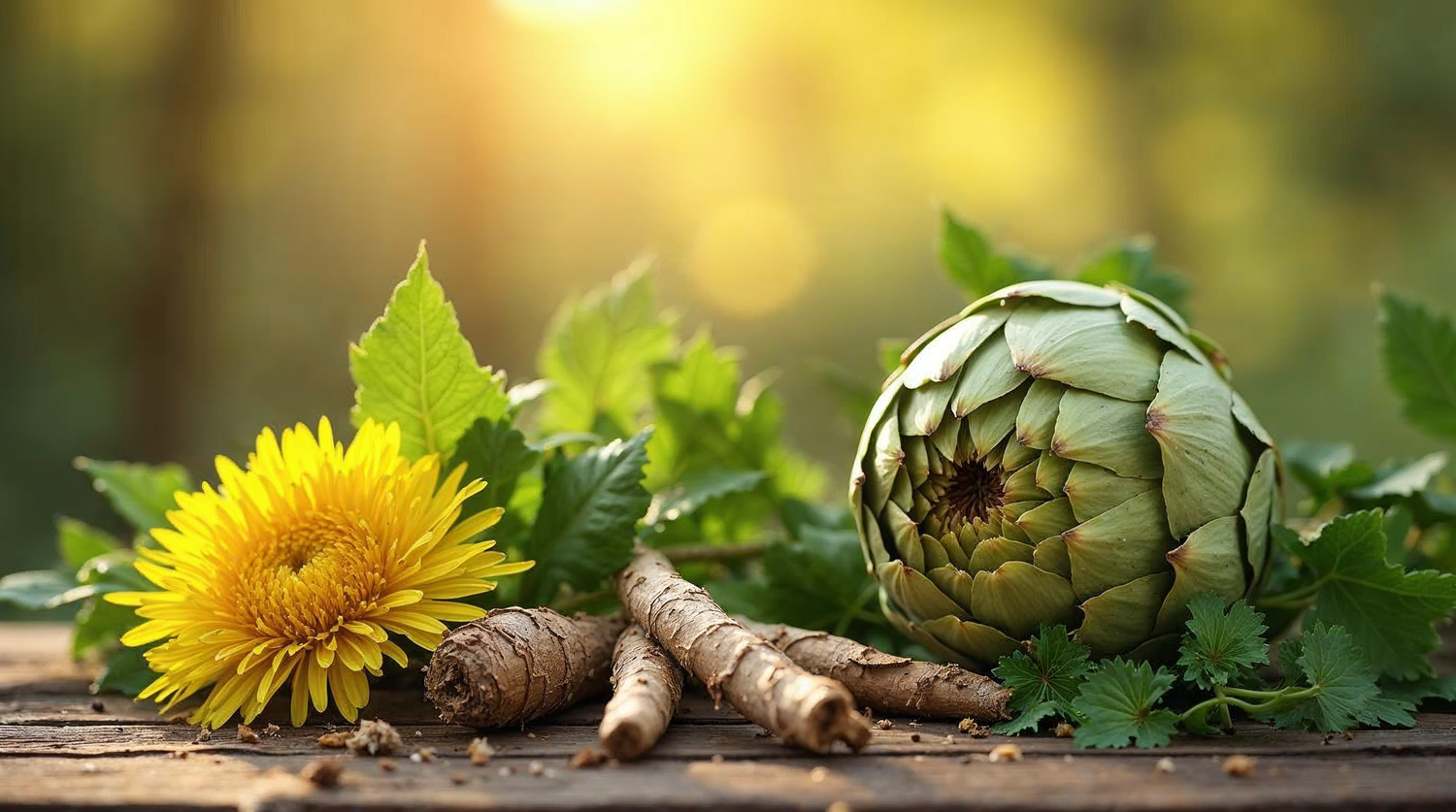
Bitterstoffe sind sekundäre Pflanzenstoffe, die in einer Vielzahl von Heilpflanzen, Wildkräutern und traditionellen Gemüsesorten vorkommen. Sie sind das Ergebnis einer langen Evolutionsgeschichte: Pflanzen entwickelten diese Verbindungen ursprünglich als natürlichen Schutz gegenüber Fressfeinden. Für den Menschen hingegen haben sie eine ganz andere Bedeutung erlangt – sie gelten in der Naturheilkunde und der Klostermedizin seit Jahrhunderten als wertvoller Bestandteil einer ausgewogenen Ernährungsweise. Radicchio, Chicorée, Artischocke, Löwenzahn, Enzian oder Schafgarbe – sie alle tragen diese besonderen Pflanzenstoffe in sich und wurden in der Volksmedizin vieler Kulturen hoch geschätzt.
Hildegard von Bingen, die große Äbtissin und Naturkundlerin des 12. Jahrhunderts, war eine der ersten, die Bitterpflanzen systematisch in ihrem überlieferten Heilwissen beschrieb. In ihren Schriften, vor allem in „Physica" und „Causae et Curae", widmete sie zahlreichen bitteren Heilkräutern eigene Kapitel und empfahl sie als festen Bestandteil eines gesunden Lebensstils. Für Hildegard waren Bitterstoffe kein Zufallsprodukt der Natur, sondern ein gezieltes Geschenk – ein Werkzeug, das der menschliche Körper braucht, um im Gleichgewicht zu bleiben. Dieses Wissen Hildegard von Bingen Produkte ist heute aktueller denn je.
In der modernen Ernährung sind Bitterstoffe nahezu verschwunden: Züchtung auf süßen Geschmack, industrielle Verarbeitung und veränderte Essgewohnheiten haben dazu geführt, dass viele Menschen täglich kaum noch natürliche Bitterstoffe zu sich nehmen – mit möglichen Folgen für das allgemeine Wohlbefinden.
Das Problem liegt auch in unserem veränderten Geschmackssinn. Jahrzehntelange Gewöhnung an Süßes, Salziges und Umami hat dazu geführt, dass Bitteres für viele Menschen schlicht unattraktiv geworden ist. Kinder lehnen bittere Lebensmittel instinktiv ab – das ist biologisch erklärbar, da Bitterstoffe in der Natur auch auf Giftstoffe hinweisen können. Im Laufe des Lebens sollte sich diese Abwehr jedoch abschwächen, und Erwachsene, die regelmäßig bittere Lebensmittel essen, entwickeln eine echte Vorliebe dafür. Wer heute das Gegenteil beobachtet – also eine anhaltende Abneigung gegen Bitteres –, dem mag schlicht die Gewöhnung fehlen. Und genau hier setzt das traditionelle Kräuterwissen an: schrittweise, sanft und mit dem Wissen um die Kraft der Pflanzen.
„Hildegard von Bingen schrieb über Enzian: ‚Er ist warm und nützlich und hat viele Tugenden in sich.' Bittere Heilkräuter galten in der mittelalterlichen Medizin als besonders kraftvoll – ein Wissen, das in der Naturheilkunde bis heute lebendig ist." – Aus den überlieferten Schriften der Hildegard von Bingen, 12. Jahrhundert
Die häufigsten Zeichen, die auf einen Bitterstoffmangel hindeuten können
Der Körper kommuniziert – manchmal laut, manchmal leise. Wer genau hinhört, erkennt bestimmte wiederkehrende Muster, die in der traditionellen Naturheilkunde seit jeher mit einem Mangel an bitteren Pflanzenstoffen in Verbindung gebracht werden. Dabei ist wichtig zu betonen: Keines dieser Zeichen ist für sich allein ein eindeutiger Beweis. Vielmehr geht es darum, ein Gesamtbild wahrzunehmen und den eigenen Körper besser kennenzulernen. Darm- und Verdauungsprodukte
Eines der bekanntesten Signale ist ein starkes, kaum kontrollierbares Verlangen nach Süßem – insbesondere nach den Mahlzeiten oder am Nachmittag. In der Klostermedizin wurde Bitteres stets als natürlicher Gegenpol zum Süßen betrachtet. Wenn das Bittere fehlt, so die traditionelle Sichtweise, sucht der Körper auf anderen Wegen nach Balance. Ein weiteres häufig beobachtetes Zeichen ist das Gefühl von Schwere oder Völle nach dem Essen, selbst wenn die Mahlzeit nicht besonders groß war. Dieses Phänomen, das viele als „träge Verdauung" beschreiben, wurde in der Naturheilkunde traditionell mit einem Defizit an bitteren Pflanzenstoffen in Verbindung gebracht.
Hinzu kommen Zeichen wie ein belegte Zunge am Morgen, ein fader oder metallischer Geschmack im Mund, ein anhaltend verminderter Appetit oder umgekehrt eine Tendenz zum unkontrollierten Essen ohne echtes Hungergefühl. Auch Unwohlsein im Bereich der Leber und Gallenblase, das sich als Druckgefühl im rechten Oberbauch äußern kann, zählt in der traditionellen Naturheilkunde zu den klassischen Hinweisen. Leber-Produkte von Bitterkraft Diese Zeichen werden in der Volksmedizin vieler europäischer Kulturen beschrieben und haben im Kräuterwissen der Klöster eine lange Geschichte.
Besonders aufschlussreich: Wer bittere Lebensmittel oder Kräuter konsequent ablehnt oder als unangenehm empfindet, könnte genau dort den größten Nachholbedarf haben – denn die Abneigung gegen Bitteres kann ein Hinweis auf eine verlorene Gewöhnung sein.
Was steckt dahinter? Die „Bitter-Reflex"-Theorie der Klostermedizin
In der klösterlichen Heilkunde war es üblich, vor jeder Hauptmahlzeit einen kleinen Schluck Kräuterbitter oder ein paar Blätter eines bitteren Krauts zu sich zu nehmen. Diese Praxis – heute würde man sie als „Aperitif-Ritual" kennen – hatte den Hintergrund, den Körper auf die kommende Mahlzeit vorzubereiten. Das Bittere galt als Signal an den Organismus: „Jetzt kommt etwas Wichtiges." Diese rituelle Einbindung von Bitterstoffen in den Alltag ist ein zentrales Element der Hildegard'schen Ernährungslehre und findet sich in ähnlicher Form in der ayurvedischen und chinesischen Medizin wieder.
Typische Körpersignale im Überblick: Wann solltest du aufhorchen?
Es gibt eine Reihe von körperlichen Empfindungen und Verhaltensmustern, die in der Naturheilkunde traditionell als mögliche Hinweise auf eine zu geringe Aufnahme von Bitterstoffen gedeutet werden. Wichtig ist dabei immer: Diese Zeichen sind keine Diagnose und ersetzen keinen Arztbesuch. Sie sind vielmehr eine Einladung zur Selbstbeobachtung – und zur bewussten Rückkehr zu dem, was die Natur uns bietet.
Diese Körpersignale verdienen deine Aufmerksamkeit:
- Anhaltende Lust auf Süßes: Ein kaum stillbares Verlangen nach Süßigkeiten, Gebäck oder zuckerhaltigen Getränken – besonders nach Mahlzeiten – wird in der traditionellen Kräuterheilkunde oft mit einem Ungleichgewicht zwischen süßen und bitteren Geschmacksreizen in Verbindung gebracht.
- Völlegefühl und Druckgefühl nach dem Essen: Wenn selbst leichte Mahlzeiten ein Gefühl von Schwere hinterlassen und das Essen „liegt wie ein Stein im Bauch", gilt das in der Naturheilkunde als klassisches Zeichen dafür, dass der Organismus möglicherweise zu wenig bittere Impulse erhält.
- Belegte Zunge am Morgen: Ein weißlicher oder gelblicher Belag auf der Zunge – besonders morgens nach dem Aufwachen – wird in der Klostermedizin als mögliches Zeichen gedeutet, dass die körpereigene Regulierung aus dem Gleichgewicht geraten sein könnte.
- Unlust und Antriebslosigkeit nach dem Mittagessen: Das berühmte „Mittagstief" ist weit verbreitet, muss aber nicht zwangsläufig als normal akzeptiert werden. In der traditionellen Ernährungslehre galt ein ausgewogenes Bitterstoff-Angebot als Faktor, der zu einem gleichmäßigeren Energieniveau über den Tag beitragen kann.
- Wenig Freude am Essen oder verminderter Appetit: Wenn die Vorfreude auf Mahlzeiten nachlässt und das Essen zur reinen Pflicht wird, deutete die Volksmedizin dies mitunter auf ein fehlendes sensorisches Signal hin – denn Bitteres regt traditionell das Interesse am Essen an.
- Reizbarkeit und innere Unruhe: In der Humoralpathologie – der Säftelehre, auf die sich auch Hildegard stützte – galten Bitterreize als ausgleichend für einen überhitzten, gereizten Zustand. Anhaltende innere Unruhe wurde daher mitunter mit einem Mangel an kühlenden, bitteren Pflanzenstoffen in Verbindung gebracht.
Diese Liste erhebt keinen Anspruch auf Vollständigkeit – und sie ist, wie gesagt, kein diagnostisches Werkzeug. Aber sie lädt ein zur Reflexion: Wie viele dieser Signale kennst du aus deinem eigenen Alltag? Und wann hast du zuletzt bewusst etwas Bitteres gegessen – nicht als Strafe, sondern als Genuss und Ritual?
Besonders aufschlussreich ist auch die Reaktion deines Körpers auf Bitteres selbst: Wenn du einen Schluck Kräutertee mit Enzian oder Löwenzahn nimmst und sofort ein Zucken durch den Körper geht, ein intensives Speicheln einsetzt oder du unwillkürlich das Gesicht verziehst – dann reagiert dein Bitterrezeptorsystem sehr sensibel. Das ist in der Naturheilkunde kein schlechtes Zeichen, sondern ein Hinweis darauf, dass die Rezeptoren noch aktiv sind und dass der Körper möglicherweise schon lange auf genau diesen Impuls gewartet hat.
Traditionelle Bitterpflanzen: Das Erbe der Klostermedizin
Die Klöster des Mittelalters waren nicht nur Orte des Gebets, sondern auch lebendige Forschungsstätten für das Pflanzenwissen. Die Mönche und Nonnen bauten in ihren Klostergärten gezielt Heilkräuter an, beobachteten deren Wirkung und überlieferten ihr Wissen in handgeschriebenen Kräuterbüchern. Viele dieser Pflanzen, die damals täglich verwendet wurden, sind heute in Vergessenheit geraten oder fristen ein Nischendasein. BitterKraft Original Dabei sind sie von zeitloser Relevanz – denn die Natur hat sich nicht verändert, nur unsere Verbindung zu ihr.
„Die Naturforscherin Maria Treben, eine der bedeutendsten Kräuterkundigen des 20. Jahrhunderts, schrieb: ‚In der Natur liegt die Apotheke.' Sie bezog sich dabei explizit auf bittere Wildkräuter wie Schafgarbe und Löwenzahn, die sie als unverzichtbaren Bestandteil einer naturgemäßen Lebensweise betrachtete." – Aus Maria Trebens „Gesundheit aus der Apotheke Gottes", 1980
Diese traditionellen Bitterpflanzen sind seit Jahrhunderten bekannt:
- Enzian (Gentiana lutea): Der gelbe Enzian gilt als eine der intensivsten Bitterpflanzen überhaupt und wird seit der Antike in der europäischen Naturheilkunde verwendet. In der Hildegard-Medizin wird er als kraftvolles Kraut beschrieben, das traditionell zur Unterstützung des allgemeinen Wohlbefindens genutzt wurde.
- Löwenzahn (Taraxacum officinale): Kaum eine Pflanze ist in der Volksmedizin so universell eingesetzt worden wie der Löwenzahn. Seine Blätter, Wurzeln und Blüten werden seit Jahrhunderten traditionell verwendet und gelten als klassisches Frühjahrskraut in der europäischen Kräuterheilkunde.
- Artischocke (Cynara scolymus): Die Artischocke war bereits im antiken Griechenland und Rom bekannt und zählt zu den am längsten kultivierten Bitterpflanzen. Sie wird traditionell in der Mittelmeerküche und der Naturheilkunde geschätzt. Leber-Produkte von Bitterkraft
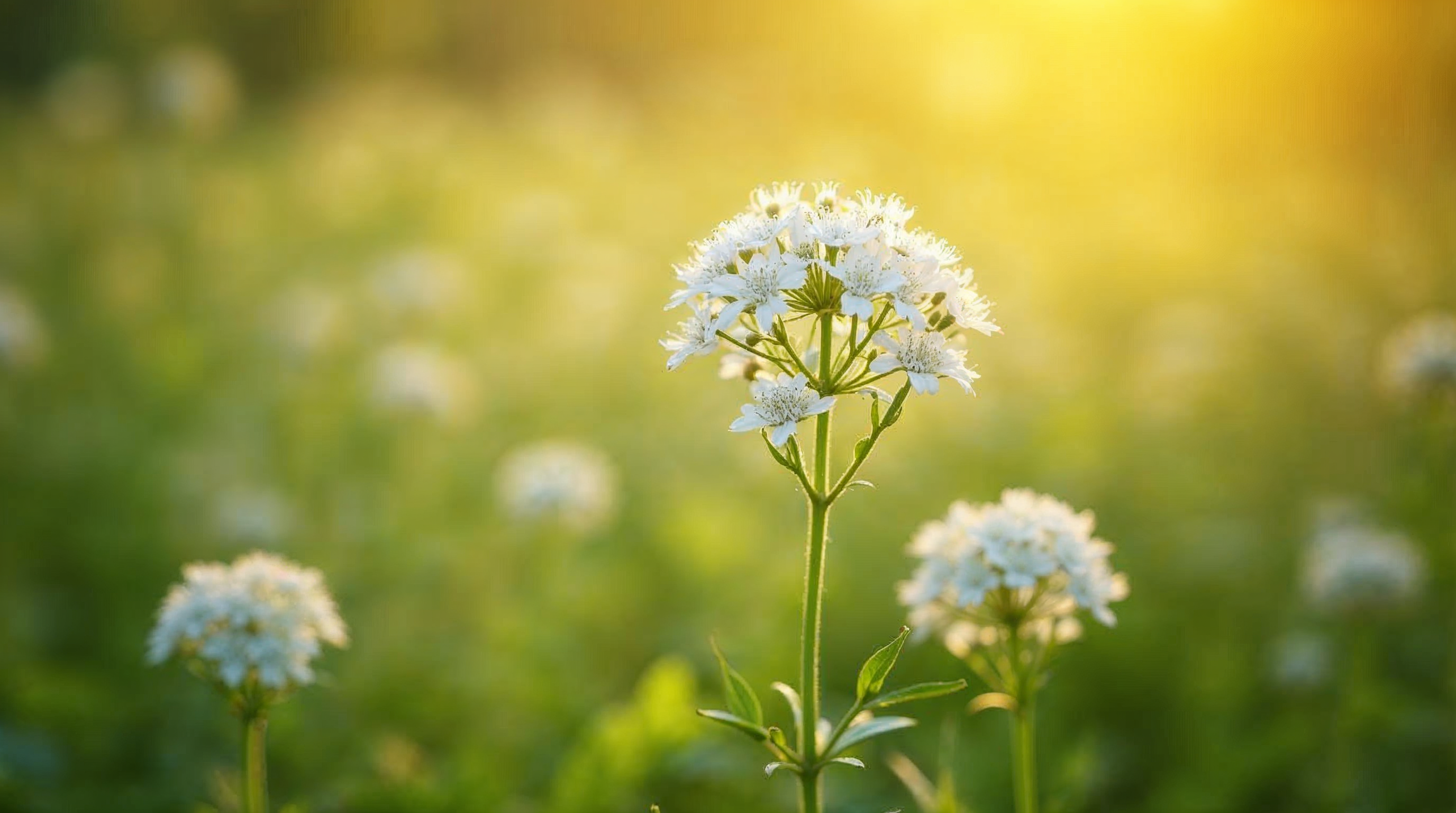
- Schafgarbe (Achillea millefolium): Hildegard von Bingen beschrieb die Schafgarbe als ein Kraut mit breiter traditioneller Verwendung. Sie gehört zu den ältesten Heilpflanzen Europas und wurde in der Klostermedizin besonders geschätzt.
- Wermut (Artemisia absinthium): Der Wermut ist für seinen außergewöhnlich intensiven Bittergeschmack bekannt und wurde in der europäischen Klostermedizin seit dem frühen Mittelalter als bedeutende Heilpflanze geführt. Er ist Grundlage für viele traditionelle Kräuterbitter-Rezepturen.
- Tausendgüldenkraut (Centaurium erythraea): Schon sein Name deutet auf seine Wertschätzung hin: In der Volksmedizin galt das Tausendgüldenkraut buchstäblich als „tausend Gulden wert". Es wird seit der Antike traditionell eingesetzt und findet sich in vielen überlieferten Rezepten der Klosterheilkunde.
- Mariendistel (Silybum marianum): Die Mariendistel, der Legende nach aus den Milchtropfen der Jungfrau Maria entstanden, hat eine tief verwurzelte Tradition in der europäischen Naturheilkunde. Ihre bitteren Samen werden seit Jahrhunderten traditionell verwendet. Leber-Produkte von Bitterkraft
Was diese Pflanzen verbindet, ist nicht nur ihr Bittergeschmack, sondern auch ihre tiefe Verwurzelung in der Kulturgeschichte Europas. Sie sind nicht exotisch oder neu – sie sind heimisch, erprobt und Teil eines Wissens, das wir gerade dabei sind, wiederzuentdecken. In vielen Klostergärten wachsen sie noch heute, gepflegt von Menschen, die das Erbe Hildegards lebendig halten. Hildegard von Bingen Produkte
Wer diese Pflanzen in den eigenen Alltag integrieren möchte, hat viele Möglichkeiten: als Tee, als Tinktur, als Bestandteil von Kräuterbitter-Tropfen oder ganz praktisch als Zutat in der Küche. Junge Löwenzahnblätter im Salat, Artischockenherzen als Beilage, ein Schuss Kräuterbitter vor dem Essen – das sind kleine Gesten mit großer Tradition. Sie kosten wenig, erfordern keine besonderen Vorkenntnisse und sind ein schöner erster Schritt zurück zu einer Ernährungsweise, die Bitteres als Bestandteil begreift – nicht als Strafe, sondern als Pflege.
So kannst du Bitterstoffe sinnvoll in deinen Alltag integrieren
Der Wiedereinstieg in eine bitterstoffreiche Lebensweise muss nicht radikal sein. Im Gegenteil: Die Klostermedizin lehrte stets den sanften, behutsamen Weg – das Hinzufügen statt das Weglassen. Es geht nicht darum, über Nacht die Ernährung umzustellen oder sich bittere Kräutertees aufzuzwingen, die man nicht mag. Es geht um kleine, bewusste Schritte, die sich mit der Zeit zu einem neuen Bewusstsein für Geschmack und Wohlbefinden zusammenfügen.
Das Klosterprinzip: Bitterstoffe wirken am besten als tägliches Ritual – nicht als einmalige Kur. Schon eine kleine Menge bitterer Pflanzenstoffe vor oder zu den Mahlzeiten gilt in der Naturheilkunde als wertvolle, traditionell verwurzelte Praxis.
Praktische Alltagsideen aus der Klosterküche:
Morgens: Ein kleiner Schluck Kräutertee mit Löwenzahn oder Schafgarbe als Auftakt in den Tag – warm, bewusst eingenommen, vielleicht mit einem Moment der Stille verbunden.
Vor dem Essen: Traditionell empfahl die Klostermedizin einen kleinen bitteren Impuls vor der Mahlzeit. Ein paar Tropfen pflanzlicher Kräuterbitter in Wasser, ein Blatt Radicchio oder ein kleines Glas Bitterlimonade (möglichst ohne industriellen Zucker) können dieses Ritual erfüllen.
Im Salat: Radicchio, Chicorée, Rucola, Endivie oder junge Löwenzahnblätter mischen wunderbar mit milden Zutaten wie Fenchel, Apfel oder Walnüssen – so entsteht Bitteres, das Freude macht.
Als Gewürz: Kurkuma, Bockshornklee oder Bitterorangen-Schale sind Küchenhelfer mit langer Tradition, die sich leicht in viele Gerichte integrieren lassen.
Als Supplement: Wer keinen Zugang zu frischen Kräutern hat oder mehr Regelmäßigkeit wünscht, kann auf traditionelle Kräuterextrakte oder Bittertropfen zurückgreifen – wie sie in der Naturheilkunde seit Generationen weitergegeben werden. BitterKraft Original
Ein wichtiger Hinweis für den Einstieg: Der Geschmack für Bitteres will geübt sein. Wer jahrelang kaum Bitteres gegessen hat, empfindet die ersten Begegnungen möglicherweise als intensiv oder unangenehm. Das ist normal und kein Zeichen dafür, dass Bitterstoffe „nicht für einen gemacht" sind. Im Gegenteil: Die Veränderung des Geschmackssinns ist ein faszinierender Prozess, den viele Menschen als eine Art Wiederentdeckung erleben – als würden sie eine Sinnesebene reaktivieren, die lange im Dornröschenschlaf lag. Gib dir und deinem Körper die Zeit, die er braucht.
Besonders empfehlenswert ist es, Bitterstoffe bewusst und achtsam einzunehmen – nicht nebenbei, nicht hastig. Die Klostermedizin war stets auch eine Medizin der Langsamkeit, der Aufmerksamkeit und der Verbindung zwischen Mensch und Natur. Wenn du einen Bitterkräutertee trinkst, nimm dir einen Moment Zeit: Rieche daran, lass den Geschmack im Mund entstehen, beobachte, was dein Körper meldet. Dieses rituelle Bewusstsein ist ein Teil des Weges – und vielleicht sogar der wertvollste. Fasten-Produkte

Hinterlasse einen Kommentar
Diese Website ist durch hCaptcha geschützt und es gelten die allgemeinen Geschäftsbedingungen und Datenschutzbestimmungen von hCaptcha.