

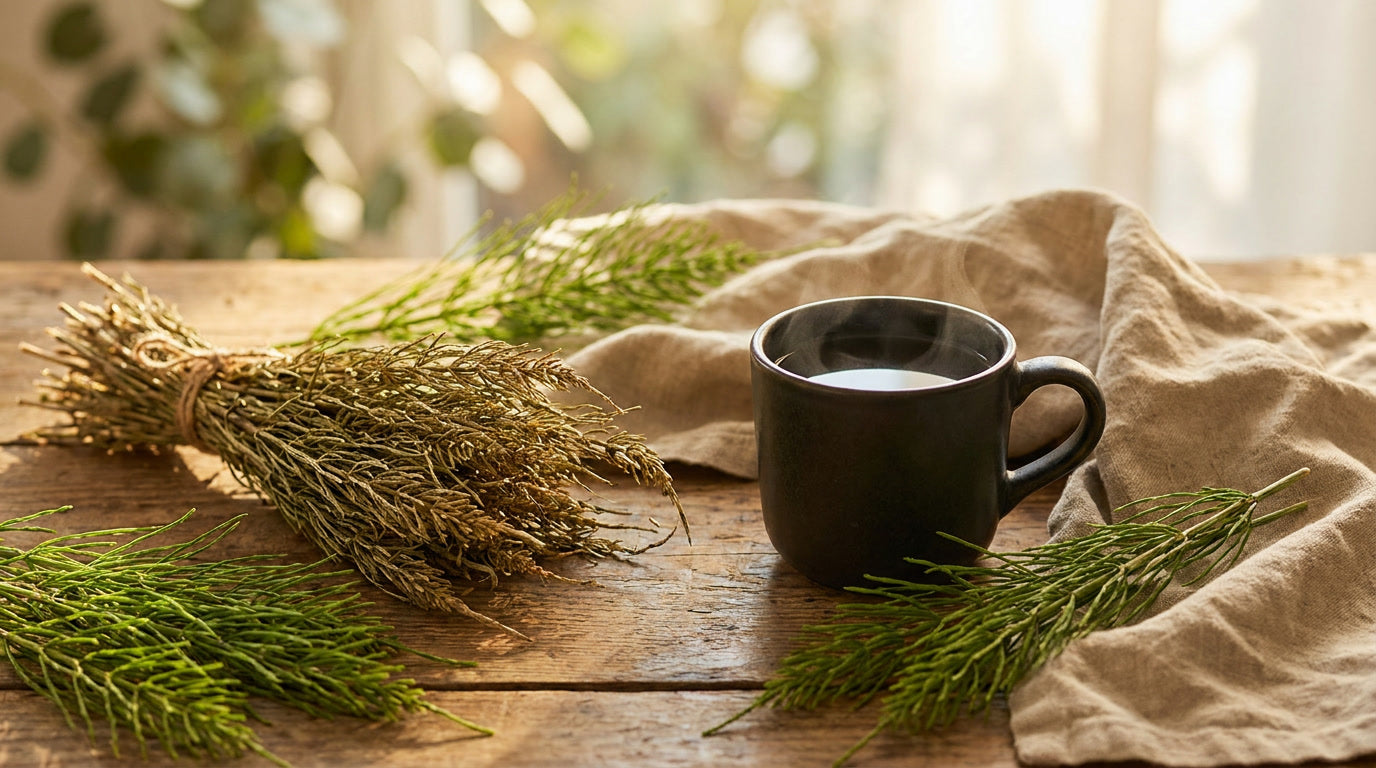
Wenn die Beine gegen Abend schwer werden, die Schuhe plötzlich zu eng sitzen oder sich um die Knöchel ein unangenehmes Spannungsgefühl bemerkbar macht, kennen viele Menschen dieses Phänomen allzu gut. Wassereinlagerungen – medizinisch als Ödeme bezeichnet – können in vielfältigen Alltagssituationen auftreten und das persönliche Wohlbefinden merklich beeinträchtigen. In der langen Geschichte der europäischen Kräutermedizin hat sich eine Pflanze dabei immer wieder als besonders geschätzte Begleiterin erwiesen: der Schachtelhalm (Equisetum arvense). Sein feines, nadelartiges Erscheinungsbild mag auf den ersten Blick unscheinbar wirken – doch in der Naturheilkunde und Klostermedizin gilt er seit Jahrhunderten als wichtige Pflanze für das körperliche Gleichgewicht. Dieser Artikel führt Sie durch Geschichte, Anwendung und Dosierung von Schachtelhalmtee und erklärt, warum er auch heute noch in vielen naturheilkundlichen Haushalten einen festen Platz hat.
Schachtelhalm – eine Urpflanze mit langer Tradition in der Kräutermedizin
Der Schachtelhalm ist wahrlich eine Pflanze mit Geschichte – nicht nur im übertragenen Sinne. Als eine der ältesten Pflanzenformen der Erde blickt Equisetum arvense auf eine Entwicklungsgeschichte zurück, die weit vor dem Erscheinen der Menschen liegt. In prähistorischen Zeiten wuchsen verwandte Arten als mächtige Baumfarne in riesigen Wäldern. Heute begegnet uns der Acker-Schachtelhalm als bescheidene, grasartige Pflanze am Wegesrand, auf Wiesen und an Böschungen – und genau diese zierliche Erscheinung täuscht über seine Bedeutung in der traditionellen Pflanzenkunde hinweg.
In der Volksmedizin Mitteleuropas wurde Schachtelhalm über viele Generationen hinweg überliefert und in der häuslichen Kräuterpraxis eingesetzt. Kräuterkundige Klosterfrauen und Apothekermönche sammelten ihn ebenso wie weise Frauen auf dem Land. Besonders in der Klostermedizin, die im Mittelalter und in der frühen Neuzeit das Wissen um heilsame Pflanzen bewahrte und weiterentwickelte, fand der Schachtelhalm Beachtung. Hildegard von Bingen Produkte Hildegard von Bingen, die große Äbtissin und Kräuterkundige des 12. Jahrhunderts, erwähnte Pflanzen mit harntreibenden Eigenschaften in ihrem Werk, wenn auch der Schachtelhalm nicht zu ihren meistgenannten Kräutern zählt. Das Wissen um seine traditionelle Verwendung wurde jedoch durch spätere Kloster- und Kräuterkundige wie Leonhart Fuchs oder Hieronymus Bock im 16. Jahrhundert ausführlich dokumentiert.
Was den Schachtelhalm in der Kräutertradition so besonders macht, ist seine außergewöhnliche Zusammensetzung. Er enthält eine für Pflanzen ungewöhnlich hohe Menge an Kieselsäure sowie Flavonoide, organische Säuren und verschiedene Mineralstoffe. Diese Inhaltsstoffe machen ihn zu einer botanisch faszinierenden Pflanze, die in der Naturheilkunde seit Jahrhunderten traditionell verwendet wird – vor allem im Zusammenhang mit dem Flüssigkeitshaushalt des Körpers und der Nierenfunktion als unterstützende Maßnahme im Alltag.
Leonhart Fuchs beschrieb in seinem „New Kreuterbuch" von 1543 den Schachtelhalm als Pflanze, die „den Urin treibt" und bei Schwellungen traditionell Anwendung fand. Diese historische Überlieferung bildet die Grundlage für den bis heute anhaltenden Gebrauch in der europäischen Kräutermedizin.
Im Laufe der Jahrhunderte wurde das Wissen über den Schachtelhalm nicht nur bewahrt, sondern durch Erfahrungen unzähliger Kräuterkundiger verfeinert. In Österreich, der Schweiz und Deutschland gehört er zu den klassischen Haushaltskräutern, die in vielen Familien von Generation zu Generation weitergegeben werden. Dass er heute in der Naturheilkunde Renaissance erlebt, ist daher keine Überraschung, sondern die logische Fortsetzung einer langen und lebendigen Tradition. BitterKraft Original
Was steckt im Schachtelhalm? Die wichtigsten Inhaltsstoffe im Überblick
Um zu verstehen, warum Schachtelhalm in der Kräutermedizin so geschätzt wird, lohnt sich ein Blick auf seine botanische Zusammensetzung. Die sterilen, grünen Sommertriebe – der Teil der Pflanze, der für Tee und Kräuterpräparate verwendet wird – enthalten ein bemerkenswert vielfältiges Spektrum an Pflanzenstoffen, das ihn von vielen anderen heimischen Kräutern unterscheidet.
Was steckt im Schachtelhalm?
Der Acker-Schachtelhalm (Equisetum arvense) enthält eine für Pflanzen außergewöhnlich hohe Konzentration an Kieselsäure (bis zu 10 % der Trockenmasse), die in löslicher und unlöslicher Form vorliegt. Hinzu kommen Flavonoide wie Isoquercitrin und Kämpferol-Glykoside, organische Säuren (Aconitsäure, Äpfelsäure), Saponine sowie Kaliumsalze und Spurenelemente. Diese Kombination macht den Schachtelhalm zu einem der kieselsäurereichsten Kräuter der mitteleuropäischen Flora überhaupt.
Die Kieselsäure ist dabei der bekannteste und am häufigsten diskutierte Inhaltsstoff des Schachtelhalms. In der Naturheilkunde wird sie traditionell in Verbindung mit Bindegewebe, Haut, Haaren und Nägeln gebracht. Doch auch im Zusammenhang mit Wassereinlagerungen spielt sie in der überlieferten Kräuterpraxis eine Rolle: Traditionell wurde angenommen, dass eine ausreichende Versorgung des Körpers mit dieser Verbindung das natürliche Gleichgewicht im Gewebe unterstützen kann.
Diese Inhaltsstoffe machen den Schachtelhalm besonders:
- Kieselsäure (Siliciumdioxid): Macht bis zu 10 % der Trockenmasse aus und ist in der Naturheilkunde historisch mit Bindegewebe und Mineralstoffhaushalt verbunden. Wird seit Jahrhunderten traditionell in der Kräutermedizin eingesetzt.
- Flavonoide (Isoquercitrin, Kämpferol): Pflanzliche Sekundärstoffe, die in vielen Kräutern vorkommen und in der traditionellen Pflanzenkunde Beachtung finden.
- Kaliumsalze: Natürlich vorkommende Mineralstoffe, die im Zusammenhang mit dem Flüssigkeitshaushalt des Körpers historisch Beachtung fanden.
- Saponine: Natürliche Pflanzenstoffe, die in zahlreichen traditionell verwendeten Heilkräutern vorkommen und zur charakteristischen Zusammensetzung des Schachtelhalms beitragen.
- Organische Säuren (Aconitsäure, Äpfelsäure): Typische Inhaltsstoffe vieler traditionsreicher Heilpflanzen, die zur Gesamtzusammensetzung des Krauts beitragen.
Besonders interessant aus botanischer Sicht ist die Tatsache, dass der Schachtelhalm seine Kieselsäure teilweise in einer wasserlöslichen Form speichert. Das bedeutet, dass beim Aufbrühen des Tees ein Teil dieser Verbindung tatsächlich in die Flüssigkeit übergeht – was ihn von vielen anderen siliciumhaltigen Quellen unterscheidet. In der überlieferten Kräuterpraxis wurde stets darauf hingewiesen, dass der Tee ausreichend lange ziehen sollte, um möglichst viele der wertvollen Pflanzenstoffe zu lösen. Traditionell empfahlen Kräuterkundige sogar ein sanftes Köcheln für einige Minuten, um die Ausbeute an löslicher Kieselsäure zu erhöhen. Darm- und Verdauungsprodukte
Schachtelhalm enthält mit bis zu 10 % Kieselsäure eine der höchsten Konzentrationen dieses Mineralstoffs unter allen mitteleuropäischen Heilkräutern – ein wichtiger Grund für seine jahrhundertelange Verwendung in der Naturheilkunde.
Schachtelhalmtee bei Wassereinlagerungen: Traditionelle Anwendung und richtige Zubereitung
Die traditionelle Verwendung von Schachtelhalm im Zusammenhang mit dem Flüssigkeitshaushalt des Körpers gehört zu den bestdokumentierten Anwendungsgebieten dieses Krauts in der europäischen Kräutergeschichte. In der Volksheilkunde Mitteleuropas wurde Schachtelhalmtee seit dem Mittelalter als sogenanntes „harntreibendes" Mittel eingesetzt – also als Pflanze, die traditionell im Zusammenhang mit der Harnausscheidung und damit verbundenen Schwellungen Verwendung fand. Diese Überlieferung zieht sich als roter Faden durch nahezu alle bedeutenden Kräuterwerke der letzten 500 Jahre.
Für die Zubereitung eines klassischen Schachtelhalmtees empfiehlt die überlieferte Kräuterpraxis folgende Vorgehensweise: Man nimmt etwa zwei Teelöffel (ca. 3–4 g) getrocknetes Schachtelhalmkraut und übergießt es mit 250 ml heißem, nicht mehr kochendem Wasser (ca. 90°C). Wichtig dabei ist, dass der Tee mindestens 15 Minuten ziehen sollte – traditionell sogar bis zu 30 Minuten oder leicht abgedeckt sanft köcheln darf. Durch die längere Ziehzeit lösen sich mehr der wasserlöslichen Inhaltsstoffe. Anschließend wird der Tee abgeseiht und kann nach Belieben mit etwas Honig oder einem Spritzer Zitronensaft verfeinert werden, was auch dem Geschmack zugutekommt.
Für eine optimale Zubereitung sollte Schachtelhalmtee mindestens 15–30 Minuten ziehen oder sanft köcheln – so lösen sich deutlich mehr der wertvollen Pflanzenstoffe aus dem Kraut als bei einer kurzen Ziehzeit.
In der traditionellen Anwendung bei Wassereinlagerungen wurde Schachtelhalmtee in der Regel als Kur über einen begrenzten Zeitraum eingesetzt. Die klassische Empfehlung aus dem Kräuterwissen lautet: zwei bis drei Tassen täglich, über einen Zeitraum von etwa drei bis vier Wochen. Diese Form der Anwendung als sogenannte „Frühjahrskur" oder „Herbstkur" hat in der europäischen Volksmedizin tiefe Wurzeln – sie entspricht dem Rhythmusprinzip, das auch in der Hildegard-Medizin Hildegard von Bingen Produkte eine zentrale Rolle spielt: der Körper soll in bestimmten Jahreszeiten gezielt mit unterstützenden Kräutern begleitet werden, um sein natürliches Gleichgewicht zu fördern.
Das Europäische Arzneibuch (Ph. Eur.) sowie das Committee on Herbal Medicinal Products (HMPC) der EMA haben Equisetum arvense als traditionelles Arzneimittel eingestuft. Die traditionelle Verwendung als Kräuter-Diuretikum bei leichten Harnwegsbeschwerden und zur Durchspülung der Harnwege ist offiziell als „well-established use" bzw. „traditional use" anerkannt – basierend auf der langen Überlieferung in der europäischen Volksmedizin.
Die Durchspülungstherapie – also das bewusste Erhöhen der Flüssigkeitszufuhr durch Kräutertees wie Schachtelhalm – ist eines der ältesten Konzepte der europäischen Naturheilkunde. Dabei wird nicht nur der Tee selbst getrunken, sondern die gesamte Trinkmenge über den Tag erhöht. Zusätzlich zu den zwei bis drei Tassen Schachtelhalmtee sollte reichlich stilles Wasser oder ein mildes, mineralstoffarmes Mineralwasser getrunken werden. Dieses Prinzip findet sich bereits in mittelalterlichen Klosterrezepten wieder und entspricht dem ganzheitlichen Ansatz, den natürliche Heilmethoden traditionell verfolgen. Fasten-Produkte
Dosierung, Anwendungsdauer und wichtige Hinweise für den sicheren Genuss
Wie bei allen Kräutern und Naturmitteln gilt auch beim Schachtelhalmtee: Die richtige Dosierung und Anwendungsdauer sind entscheidend für ein harmonisches Ergebnis. In der überlieferten Kräuterpraxis und in modernen naturheilkundlichen Empfehlungen hat sich ein klarer Rahmen etabliert, der auf dem Erfahrungswissen vieler Generationen von Kräuterkundigen beruht.
Die empfohlene Tagesdosierung für Schachtelhalmkraut liegt traditionell bei 6–9 g getrockneter Droge pro Tag – was in der Praxis zwei bis drei frisch aufgebrühten Tassen entspricht. Eine Tasse enthält dabei etwa 2–3 g getrocknetes Kraut. Für eine klassische Kur in der Naturheilkunde empfiehlt sich eine Anwendungsdauer von zwei bis vier Wochen. Nach dieser Zeit ist es sinnvoll, eine Pause einzulegen und den Körper zu beobachten, bevor gegebenenfalls ein weiterer Kur-Zyklus begonnen wird. Diese rhythmische Herangehensweise entspricht dem Prinzip, das in der Klostermedizin Hildegard von Bingen Produkte traditionell hochgehalten wurde: Kräuter werden nicht dauerhaft und ununterbrochen eingesetzt, sondern gezielt und in bewussten Zyklen.
Besonders wichtig ist der Hinweis, dass Schachtelhalmtee nur aus Equisetum arvense – dem Acker-Schachtelhalm – zubereitet werden sollte. Andere Schachtelhalm-Arten, insbesondere der Sumpf-Schachtelhalm (Equisetum palustre), enthalten das Alkaloid Palustrinosid, das für Menschen nicht verträglich ist und keinesfalls verwendet werden sollte. Da die Pflanzen für Laien schwer zu unterscheiden sind, empfiehlt es sich dringend, ausschließlich qualitativ hochwertige, zertifizierte Schachtelhalmprodukte von seriösen Anbietern zu beziehen, bei denen die botanische Identität garantiert ist.
Diese ergänzenden Naturmittel werden traditionell im Zusammenhang mit dem Flüssigkeitshaushalt genannt:
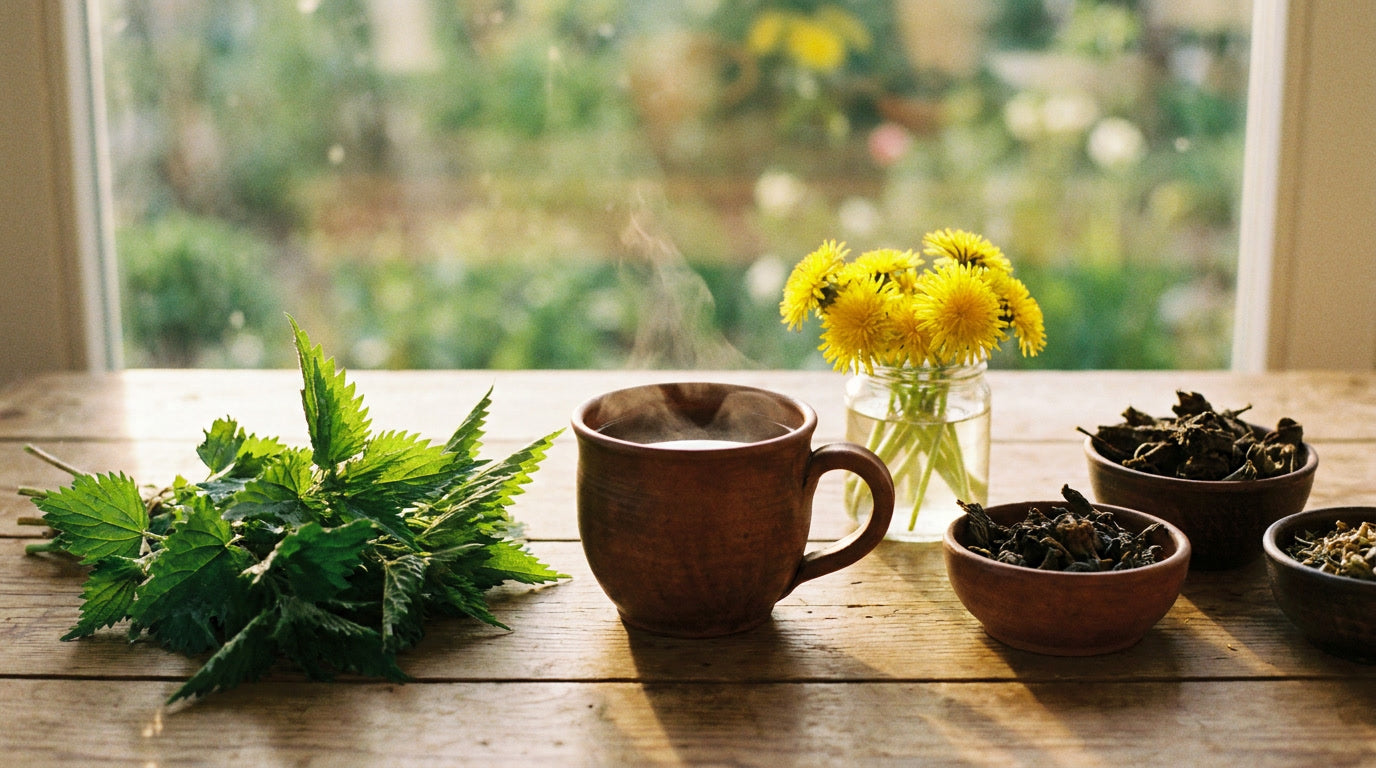
- Brennnessel (Urtica dioica): Wird seit Jahrhunderten in der europäischen Volksmedizin als klassisches „Frühjahrskraut" traditionell verwendet und ist ein häufiger Begleiter des Schachtelhalms in Kräutermischungen. BitterKraft Original
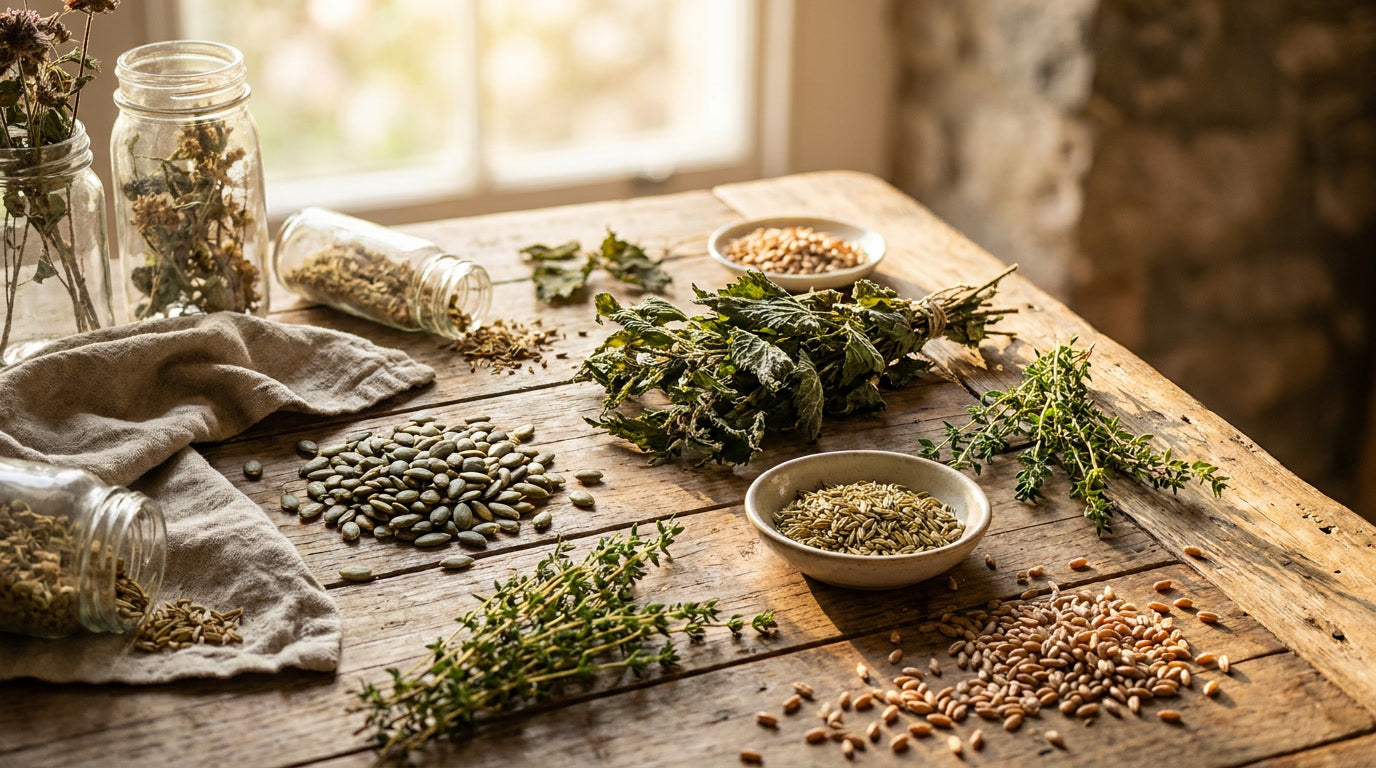
- Birkenblätter (Betula pendula): In der Klostermedizin und Volksmedizin Nordeuropas traditionell im Zusammenhang mit dem Flüssigkeitshaushalt verwendet; häufig als Tee-Mischung mit Schachtelhalm kombiniert.
- Löwenzahn (Taraxacum officinale): In der europäischen Kräutertradition historisch bekannt und wird seit Jahrhunderten traditionell als Bestandteil von Frühjahrskräuterkuren eingesetzt. Leber-Produkte von Bitterkraft
- Goldrute (Solidago virgaurea): In der mitteleuropäischen Volksmedizin traditionell verwendet und als klassische „Nierenpflanze" in der überlieferten Kräuterpraxis bekannt.
- Petersilienwurzel (Petroselinum crispum): Bereits in mittelalterlichen Kräuterbüchern erwähnt und in der traditionellen Küchen- und Kräutermedizin als geschätzte Begleiterin bei Frühjahrs- und Herbstkuren überliefert.
Für all jene, die Schachtelhalmtee erstmals ausprobieren möchten, empfiehlt die naturheilkundliche Tradition einen behutsamen Einstieg: Beginnen Sie mit einer Tasse täglich und steigern Sie langsam auf die volle Tagesdosis. Hören Sie dabei auf die Signale Ihres Körpers. Kräuterkuren sind keine Behandlung, sondern eine Ergänzung des Lebensstils – im Sinne des traditionellen Kräuterwissens, das stets den Menschen in seiner Ganzheit und in Verbindung mit den Rhythmen der Natur betrachtet hat. Immunsystem-Produkte
Verwende für Schachtelhalmtee ausschließlich botanisch zertifiziertes Equisetum arvense – der Acker-Schachtelhalm ist die einzige für den Menschen geeignete Art. Andere Schachtelhalm-Arten sollten niemals für Tees verwendet werden.
Schachtelhalm im Kontext des ganzheitlichen Wohlbefindens: Alltagstipps und das große Bild
Ein Kräutertee – und sei er noch so traditionsreich – entfaltet sein volles Potenzial als Begleiter stets dann am besten, wenn er in ein stimmiges Gesamtbild des Wohlbefindens eingebettet ist. Das war die Überzeugung der mittelalterlichen Klostermedizin, es ist die Grundlage der modernen Naturheilkunde Hildegard von Bingen Produkte – und es entspricht dem gesunden Menschenverstand. Schachtelhalmtee bei Wassereinlagerungen ist daher am wirkungsvollsten, wenn er als Teil eines bewussten Lebensstils getrunken wird, der Bewegung, ausgewogene Ernährung und ausreichend Schlaf einschließt.
Was die Ernährung betrifft, empfiehlt die Erfahrungsmedizin im Zusammenhang mit Wassereinlagerungen eine Reduktion von stark salzreichen Speisen und stark verarbeiteten Lebensmitteln, da übermäßiges Natrium im Körper erfahrungsgemäß dazu neigt, Flüssigkeit im Gewebe zu binden. Gleichzeitig ist eine ausreichende Kaliumzufuhr durch frisches Gemüse, Kräuter und Hülsenfrüchte sinnvoll. In Kombination mit einem reichlich fließenden Schachtelhalmtee und ausreichend Bewegung – beispielsweise tägliche Spaziergänge, die die Muskulatur der Beine aktivieren und so den venösen Rückstrom natürlich unterstützen – kann ein solches Programm das allgemeine Wohlbefinden nach traditioneller Überzeugung deutlich unterstützen. Fasten-Produkte
Der Aspekt des Rituals sollte dabei nicht unterschätzt werden. Das tägliche Zubereiten eines Tees – das Abmessen des Krauts, das Aufgießen, das geduldige Warten und schließlich das bewusste Trinken – ist in sich selbst eine Form der Achtsamkeit. In der Hildegard-Medizin und in der gesamten klösterlichen Kräutertradition war das Bewusstsein, mit dem man Kräuter einnahm, ebenso wichtig wie die Pflanze selbst. Der Tee wurde nicht hastig heruntergeschluckt, sondern in Ruhe genossen – als ein Moment der Besinnung und der bewussten Zuwendung zum eigenen Körper. Dieses Ritualverständnis lässt sich wunderbar in den modernen Alltag integrieren: eine Tasse Schachtelhalmtee am Morgen als bewusster Start in den Tag, eine weitere am Nachmittag als kleine Auszeit.
Hildegard von Bingen schrieb in ihrem Werk „Physica" über die Bedeutung der inneren Ordnung (lat. discretio) für die Gesundheit: Das rechte Maß in allem – in der Ernährung, in der Bewegung, in der Ruhe – sei die Grundlage des körperlichen Gleichgewichts. Kräuter sah sie als Werkzeuge zur Unterstützung dieser natürlichen Ordnung, nicht als Ersatz für einen achtsamen Lebensstil.
Wer Schachtelhalmtee regelmäßig in seinen Alltag integriert, wird vielleicht feststellen, dass er Teil einer weit größeren Tradition wird: der jahrtausendealten Verbindung zwischen Mensch und Pflanzenwelt, die in der europäischen Kräutermedizin so reich dokumentiert ist. Es ist eine Einladung, langsamer zu werden, auf den eigenen Körper zu hören und dem Wissen der Ahnen zu vertrauen – angereichert durch das Beste, was die moderne Naturheilkunde zu bieten hat. alle Bitterkraft Produkte
Zum Abschluss sei noch einmal darauf hingewiesen: Schachtelhalmtee ist ein traditionsreiches Naturmittel, das seit Jahrhunderten geschätzt wird – er ist jedoch keine medizinische Behandlung. Bei anhaltenden oder unklaren Wassereinlagerungen, besonders wenn diese plötzlich auftreten, stark ausgeprägt sind oder von anderen Beschwerden begleitet werden, ist immer eine ärztliche Abklärung angezeigt. Das Wissen um Kräuter ist ein wertvolles Erbe – verantwortungsvoll und im richtigen Kontext eingesetzt, kann es das Leben auf sanfte und nachhaltige Weise bereichern.

Hinterlasse einen Kommentar
Diese Website ist durch hCaptcha geschützt und es gelten die allgemeinen Geschäftsbedingungen und Datenschutzbestimmungen von hCaptcha.