

Wer kennt es nicht: Das Bauchgrummeln, das Spannungsgefühl nach dem Essen, die unberechenbaren Tage, an denen der Bauch einfach nicht mitmachen will. Das Reizdarmsyndrom gehört zu den häufigsten funktionellen Magen-Darm-Beschwerden unserer Zeit – und betrifft in Deutschland schätzungsweise 10 bis 15 Prozent der Bevölkerung. Viele Betroffene fühlen sich damit allein gelassen, denn eine eindeutige schulmedizinische Ursache lässt sich oft nicht finden. Genau hier knüpft das alte Wissen der Naturheilkunde an: Bittere Kräuter und Bitterstoffe werden seit Jahrhunderten im Umgang mit Verdauungsbeschwerden geschätzt – und auch die Klostermedizin von Hildegard von Bingen kannte die besondere Bedeutung der Bitterkeit für das innere Gleichgewicht. In diesem Artikel erfährst du, was Bitterstoffe sind, welche Kräuter traditionell eine Rolle spielen und wie du dieses uralte Wissen in deinen Alltag integrieren kannst.
Was ist Reizdarm – und warum suchen so viele Menschen nach Alternativen?
Das Reizdarmsyndrom – medizinisch als Irritable Bowel Syndrome (IBS) bezeichnet – beschreibt eine Reihe von Beschwerden, die den Verdauungstrakt betreffen, ohne dass eine organische Ursache gefunden wird. Zu den typischen Erfahrungen gehören wiederkehrende Bauchschmerzen, Blähungen, Völlegefühl sowie ein unregelmäßiges Stuhlverhalten. Die Diagnose erfolgt meist durch Ausschluss anderer Erkrankungen und kann für Betroffene frustrierend sein – denn das Gefühl, „nichts Richtiges" zu haben und dennoch täglich unter dem Bauch zu leiden, ist belastend.
Was viele Betroffene zusätzlich beschäftigt: Die schulmedizinischen Behandlungsoptionen stoßen oft an ihre Grenzen. Krampflösende Mittel, Ernährungsanpassungen (etwa die Low-FODMAP-Diät) und psychologische Begleitung können sinnvoll sein – aber nicht jeder Mensch erlebt damit langfristig Erleichterung. Der Wunsch nach einem ganzheitlicheren Ansatz, der den Körper als Einheit betrachtet, ist deshalb groß. Immer mehr Menschen entdecken dabei die Welt der Naturheilkunde und fragen sich: Können Pflanzen, die seit Jahrtausenden kultiviert und überliefert wurden, vielleicht etwas bieten, das die Moderne vergessen hat?
Genau dieser Gedanke führt uns zu den Bitterstoffen. Diese Pflanzenstoffe, die in zahlreichen Kräutern und Wildpflanzen vorkommen, wurden in der Volksmedizin und Klostermedizin seit Jahrhunderten als wertvolle Begleiter bei Verdauungsbeschwerden geschätzt. Nicht als Wundermittel – sondern als Teil einer Lebensweise, die Körper, Seele und Natur als untrennbar versteht. Darm- und Verdauungsprodukte
Das Reizdarmsyndrom betrifft in Deutschland rund 10–15 % der Bevölkerung – viele von ihnen suchen nach naturnahen Wegen, die ihre Lebensweise ergänzen können.
Bitterstoffe: Uraltes Wissen, das wir verlernt haben
Bitterstoffe – wissenschaftlich auch Amara genannt – sind sekundäre Pflanzenstoffe, die in einer Vielzahl von Kräutern, Wildpflanzen und Gemüsen vorkommen. Ihre Aufgabe in der Pflanzenwelt ist ursprünglich eine Schutzfunktion: Sie sollen Fressfeinde abschrecken. Doch im Laufe der Evolution haben Menschen gelernt, genau diese Stoffe zu nutzen – und sie über Jahrtausende hinweg gezielt einzusetzen. In der traditionellen europäischen Kräutermedizin galten bittere Pflanzen stets als besonders kraftvoll.
Ein zentrales Problem unserer Zeit: Die moderne Lebensmittelindustrie hat bittere Aromen systematisch aus unserer Ernährung entfernt. Chicorée wurde milder gezüchtet, Wildkräuter verschwanden vom Speiseplan, und selbst der klassische Aperitif mit Bitterkräutern, der einst zur Mahlzeit gehörte, ist zur Ausnahme geworden. Was bleibt, ist eine Ernährung, die überwiegend süß, salzig und fettig ist – und in der die Bitterkeit als Geschmack kaum noch vorkommt. Viele Naturheilkundler sehen darin einen Faktor, der das innere Gleichgewicht des Körpers beeinflusst.
„Wer täglich Bitteres isst, hält den Leib in Ordnung" – dieses sinngemäße Überlieferungsprinzip aus der Klostermedizin spiegelt wider, was Generationen von Kräuterheilern aus eigener Erfahrung kannten: Die regelmäßige Begegnung mit Bitterstoffen galt als Teil einer gesunden Lebensführung.
Hildegard von Bingen, die große Naturmystikerin und Äbtissin des 12. Jahrhunderts, hat zahlreiche bittere Kräuter in ihrer Heilkunde beschrieben. Für sie war die Natur ein Apothekenschrank, dessen Schätze der Mensch nur zu erkennen und zu nutzen lernen musste. Ihr Konzept der Viriditas – der grünen Lebenskraft – umfasste auch die Idee, dass bestimmte Pflanzen dem menschlichen Körper Impulse geben, die er in der modernen Welt selten bekommt. Bittere Kräuter gehörten für sie zur Grundausstattung eines gesunden Lebens. Hildegard von Bingen Produkte
Bittere Aromen wurden in der modernen Lebensmittelproduktion fast vollständig weggezüchtet – ein Verlust, den die Naturheilkunde seit Langem thematisiert.
Was sind Bitterstoffe genau?
Bitterstoffe (Amara) ist ein Sammelbegriff für chemisch sehr unterschiedliche Pflanzenstoffe, die alle eines gemeinsam haben: ihren charakteristisch bitteren Geschmack. Zu den bekanntesten zählen Secoiridoide (z. B. in Enzian), Sesquiterpenlactone (z. B. in Artischocke und Schafgarbe), Alkaloide (z. B. in Engelwurz) sowie Flavonoide mit bitterem Charakter. In der Phytotherapie und Naturheilkunde werden sie seit Jahrhunderten traditionell verwendet – und die Vielfalt der Kräuter, in denen sie vorkommen, ist beeindruckend.
Bittere Kräuter und ihre traditionelle Rolle für den Darm
Wenn wir über Bitterstoffe und den Darm sprechen, begeben wir uns auf historisch gut dokumentiertes Terrain. Von der antiken Heilkunde über die arabische Medizin bis hin zu europäischen Klöstern – bittere Kräuter wurden in praktisch jeder Heilkultur der Welt im Zusammenhang mit der Verdauung erwähnt und eingesetzt. Das ist keine Zufälligkeit, sondern der Ausdruck einer kollektiven Beobachtung über Generationen hinweg: Menschen, die regelmäßig Bitteres in ihre Ernährung integrierten, schienen mit ihrer Verdauung besser klarzukommen.
Für Menschen mit einem sensiblen Darm, wie es beim Reizdarmsyndrom der Fall ist, kann die Rückkehr zu traditionellen Ernährungsprinzipien eine interessante Ergänzung darstellen. Dabei geht es nicht darum, eine medizinische Behandlung zu ersetzen, sondern den Alltag bewusst um Impulse zu erweitern, die historisch als wertvoll galten. Ein Kräutertee am Morgen, ein kleines Bittermittel vor dem Essen oder das gezielte Einbeziehen bitterer Wildkräuter in die Küche – das sind kleine Rituale, die tief in der europäischen Volksmedizin verwurzelt sind. BitterKraft Original
Diese Heilkräuter werden traditionell für den sensiblen Darm geschätzt:
- Enzian (Gentiana lutea): Der gelbe Enzian gilt als einer der stärksten Bitterstofflieferanten der Pflanzenwelt und wird seit der Antike in der europäischen Kräutermedizin traditionell verwendet. In der Volksmedizin der Alpen war er ein unverzichtbarer Bestandteil bei Verdauungsbeschwerden.
- Artischocke (Cynara scolymus): Das bittere Cynarin in der Artischocke ist seit der Antike bekannt – bereits die alten Römer schätzten die Pflanze als Teil ihrer Mahlzeiten. In der Naturheilkunde wird sie traditionell bei empfindlichem Bauch und Völlegefühl eingesetzt.
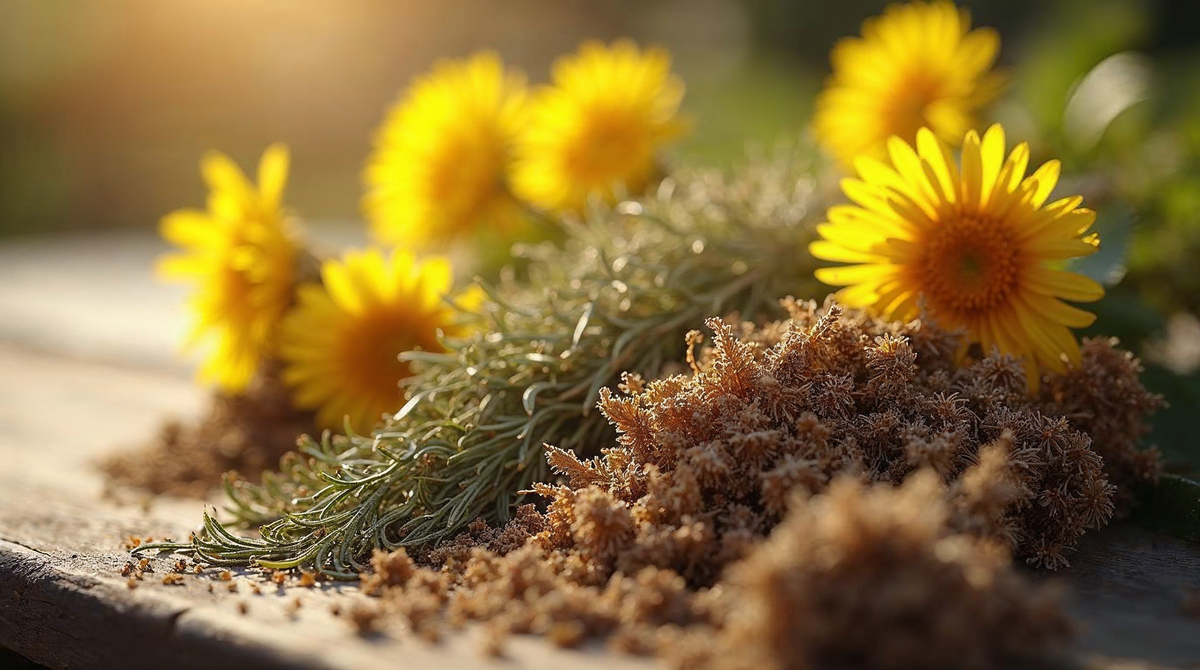
- Schafgarbe (Achillea millefolium): Hildegard von Bingen beschrieb die Schafgarbe als eine der vielseitigsten Heilpflanzen. Sie enthält bittere Sesquiterpenlactone und wird seit Jahrhunderten traditionell bei Unwohlsein im Bauchbereich verwendet.
- Engelwurz (Angelica archangelica): Die Engelwurz – von Hildegard hoch geschätzt und in vielen Klostergärten kultiviert – zählt zu den klassischen Bittermitteln der europäischen Kräutermedizin und wurde historisch bei Verdauungsbeschwerden und innerer Unruhe eingesetzt.
- Löwenzahn (Taraxacum officinale): Der oft unterschätzte Löwenzahn ist eine der bekanntesten Bitterstofffpflanzen Europas. Seine Blätter und Wurzeln wurden in der Volksmedizin seit Jahrhunderten traditionell als Frühjahrskur und bei träger Verdauung eingesetzt.
- Tausendgüldenkraut (Centaurium erythraea): Schon der Name deutet auf seinen hohen Stellenwert in der alten Medizin hin. Das Tausendgüldenkraut ist reich an Bittersecoiridoiden und war in der europäischen Volksmedizin eine der meistgenutzten Pflanzen bei Magenbeschwerden.
- Wermut (Artemisia absinthium): Einer der bekanntesten Bitterstofflieferanten Europas, seit der Antike dokumentiert und auch von Hildegard von Bingen in ihrer Physica erwähnt. Wermut wurde traditionell als Magentonikum und bei Verdauungsschwäche verwendet.
All diese Pflanzen eint, dass sie nicht als isolierte Wirkstoffe, sondern als Ganzes betrachtet werden – als lebendige Pflanzen mit einem komplexen Spektrum an Inhaltsstoffen, die zusammenwirken. Genau das ist der Grundgedanke der Phytotherapie und der traditionellen Kräutermedizin: die Komplexität der Natur als Stärke zu begreifen, nicht als Schwäche. Immunsystem-Produkte
Hildegards Weisheit: Bitterkeit als Weg zur inneren Balance
Hildegard von Bingen (1098–1179) war nicht nur Mystikerin und Komponistin – sie war auch eine der bedeutendsten Heilkundigen des Mittelalters. In ihren Werken Physica und Causae et Curae beschrieb sie Hunderte von Pflanzen, Steinen und Tieren in ihrer Bedeutung für die menschliche Gesundheit. Ihr Ansatz war ganzheitlich: Körper, Seele und Geist gehörten zusammen, und Beschwerden entstanden dort, wo dieses Gleichgewicht – die discretio – ins Wanken geriet.
Hildegard schrieb über den Wermut: „Er ist warm und trocken (…) und ist nützlich für den Menschen." Die Bitterkeit der Pflanze sah sie nicht als Makel, sondern als Ausdruck ihrer Kraft – ein Prinzip, das sich durch die gesamte Hildegard-Medizin zieht.
In der Hildegard-Medizin spielte die Vorstellung von Schlacken und Unreinheiten im Körper eine zentrale Rolle. Bittere Pflanzen galten als Mittel, um den Körper zu „reinigen" und die natürliche Ordnung wiederherzustellen. Ob Schafgarbe, Bertram oder Fenchel – die Klosterapotheken waren reich an Pflanzen, die heute als Bitterstoffflieferanten bekannt sind. Diese traditionelle Sichtweise bietet keine medizinischen Versprechen, aber sie gibt uns einen kulturellen Rahmen, in dem die Hinwendung zur Natur als Ergänzung des Lebens einen tiefen Sinn ergibt. Hildegard von Bingen Produkte
Was Hildegard und ihre Zeitgenossen intuitiv wussten, deckt sich mit dem, was die moderne Ethnobotanik und Phytotherapieforschung heute systematisch erfasst: Bittere Kräuter sind in nahezu jeder traditionellen Heilkultur der Welt präsent – von der ayurvedischen Medizin über die chinesische Kräuterheilkunde bis hin zur europäischen Volksmedizin. Diese kulturelle Universalität ist für viele Naturheilkunde-Interessierte ein starkes Argument: Was so viele Kulturen unabhängig voneinander als wertvoll erkannt haben, verdient es, ernst genommen zu werden.
Hildegard von Bingen beschrieb bittere Kräuter als kraftvolle Pflanzen für das innere Gleichgewicht – eine Weisheit, die seit über 800 Jahren im europäischen Kräuterwissen lebendig ist.
Hildegards Klostergarten und der sensible Bauch
In den Klostergärten des Mittelalters waren bittere Kräuter wie Wermut, Schafgarbe, Engelwurz und Tausendgüldenkraut keine Zufallspflanzen – sie wurden gezielt kultiviert und täglich eingesetzt. Mönche und Nonnen tranken Kräutertees, bereiteten Tinkturen zu und integrierten Bitterstoffe in Form von Kräuterwein und Gewürzmischungen in ihre Mahlzeiten. Diese Praxis war keine Kuriosität, sondern Teil einer durchdachten Gesundheitsphilosophie: Der Darm wurde als Zentrum des Wohlbefindens betrachtet – und Bitterkeit als sein natürlicher Freund.
Bitterstoffe im Alltag: So kannst du sie sinnvoll integrieren
Das Schöne an Bitterstoffen ist ihre Zugänglichkeit: Sie sind kein Luxusgut, kein exotisches Superfood aus fernen Ländern. Viele bittere Kräuter wachsen direkt vor unserer Haustür – auf Wiesen, in Parks, in heimischen Gärten. Der erste Schritt ist oft der bewussteste: die Bereitschaft, Bitterkeit wieder als wertvollen Geschmack zu akzeptieren und nicht sofort zu neutralisieren.
In der Praxis gibt es verschiedene Wege, Bitterstoffe in den Alltag zu integrieren. Der klassischste ist der Kräutertee: Ein Tee aus Schafgarbe, Tausendgüldenkraut oder Löwenzahnwurzel – idealerweise 15–30 Minuten vor einer Mahlzeit getrunken – ist eine Praxis, die in der europäischen Volksmedizin Jahrhunderte lang gepflegt wurde. Alternativ haben sich Bitterkräutertropfen (Tinkturen) als praktische Lösung für unterwegs bewährt. Auch die Küche bietet Möglichkeiten: Radicchio, Chicoree, Rucola und frische Kräuter wie Petersilie oder Kerbel bringen Bitternoten auf den Teller, die unserem Körper historisch vertraut sind. Fasten-Produkte
Für Menschen mit einem sensiblen Reizdarm-Bauch empfiehlt die Naturheilkunde oft einen behutsamen Einstieg: klein beginnen, auf die Signale des Körpers hören und Bitterstoffe als langfristige Ergänzung betrachten, nicht als schnelle Lösung. Ritualisierung kann dabei helfen – ein festes Zeitfenster für den Bitterkräutertee, eine kleine Auszeit vom Alltagsstress, verbunden mit dem bewussten Genießen des bitteren Aromas. Solche Rituale haben in der Klostermedizin immer eine wichtige Rolle gespielt: Sie verbinden Körper, Geist und Intention. Darm- und Verdauungsprodukte
Praktische Formen der Bitterstoff-Ergänzung im Überblick:
Kräutertee: Klassische Zubereitung aus getrockneten Kräutern wie Schafgarbe, Enzianwurzel oder Tausendgüldenkraut. Üblicherweise 1–2 Tassen täglich, traditionell vor den Mahlzeiten.
Bitterkräutertinktur: Alkoholischer Auszug aus mehreren Bitterkräutern – praktisch dosierbar und in der Volksmedizin als Digestif-Vorgänger bekannt. Wenige Tropfen in Wasser verdünnt.
Bitterkräuter-Kapseln oder -Pulver: Für alle, die den Bitterstoff-Geschmack noch nicht mögen – eine moderne Form der traditionellen Anwendung, standardisiert und gut dosierbar.
Bittere Lebensmittel: Radicchio, Rucola, Chicorée, Grapefruit, dunkle Schokolade ab 85 % und frische Wildkräuter wie Löwenzahn sind kulinarische Alltagsquellen.
Ein Hinweis ist wichtig: Bitterstoffe sind nicht für jeden Menschen in jeder Situation gleich geeignet. Menschen mit bestimmten Erkrankungen – etwa Magengeschwüren oder Gallensteinen – sollten vor der Einnahme von Bitterkräuterpräparaten Rücksprache mit einem Arzt oder Heilpraktiker halten. Auch während der Schwangerschaft ist Vorsicht geboten, da einige Bitterpflanzen wie Wermut in dieser Zeit nicht verwendet werden sollten. Als ergänzende Praxis für gesunde Erwachsene mit funktionellen Beschwerden steht Bitterstoffen in moderaten Mengen jedoch nichts im Wege – so wie es Generationen vor uns getan haben. alle Bitterkraft Produkte
Ein ganzheitlicher Blick: Reizdarm und die Verbindung von Körper und Seele
Das Reizdarmsyndrom ist keine rein körperliche Angelegenheit – das wissen heute Gastroenterologen ebenso wie Naturheilkundler. Der Darm gilt als unser „zweites Gehirn": Er beherbergt ein riesiges Netzwerk von Nervenzellen (das enterische Nervensystem) und steht in enger Wechselwirkung mit dem Gehirn über die sogenannte Darm-Hirn-Achse. Stress, emotionale Belastungen und psychische Erschöpfung können sich unmittelbar auf den Darm auswirken – und umgekehrt. Diese Verbindung ist für die ganzheitliche Naturheilkunde seit jeher selbstverständlich.
Hildegard von Bingen erkannte diese Zusammenhänge auf ihre Weise: In ihrer Lehre spielte die Seele als Lebensprinzip eine zentrale Rolle für die körperliche Gesundheit. Bittere Kräuter wurden nicht nur als Mittel für den Körper betrachtet, sondern als Teil einer gesamten Lebensordnung (Ordo), die Schlaf, Ernährung, Bewegung, geistige Arbeit und Stille umfasste. Wer seinen Bauch beruhigen möchte, tut also gut daran, nicht nur an Kräuter zu denken, sondern auch an Stressreduktion, ausreichend Schlaf, Bewegung in der Natur und eine achtsame Haltung gegenüber den eigenen Bedürfnissen. Schlaf- und Entspannungsprodukte
In diesem größeren Kontext sind Bitterstoffe ein wunderbares Werkzeug – nicht weil sie allein „den Darm reparieren", sondern weil sie Teil einer bewussten Lebensgestaltung sein können. Das tägliche Ritual des Bitterkräutertees ist ein Moment der Fürsorge für sich selbst. Das Kennenlernen wilder Kräuter auf dem Spaziergang ist eine Form der Naturverbundenheit. Das Integrieren bitterer Lebensmittel in die Küche ist ein bewusster Akt gegen die Gleichförmigkeit der modernen Ernährung. Und all das zusammen kann dazu beitragen, dass der Körper – und der Darm als sein sensibles Zentrum – sich ein Stück wohler fühlt. Darm- und Verdauungsprodukte
Die traditionelle Naturheilkunde betrachtet den Darm nicht als isoliertes Organ, sondern als Spiegel des gesamten Befindens. Diese Sichtweise gewinnt auch in der modernen Forschung zur Darm-Hirn-Achse zunehmend an Bedeutung – und verbindet altes Kräuterwissen mit aktuellen wissenschaftlichen Fragen.
Zum Abschluss sei noch einmal betont: Die Hinwendung zu Bitterstoffen und Kräutern ist eine Ergänzung – eine Bereicherung des Alltags, kein Ersatz für ärztliche Beratung und Behandlung. Wer unter wiederkehrenden Beschwerden leidet, sollte immer zunächst abklären lassen, was dahintersteckt. Doch innerhalb eines ganzheitlichen Rahmens, der Körper und Seele gleichermassen einbezieht, haben bittere Kräuter einen festen und wertvollen Platz – heute so wie vor Jahrhunderten in den Gärten der Klöster und auf den Wildwiesen Europas. Hildegard von Bingen Produkte

Hinterlasse einen Kommentar
Diese Website ist durch hCaptcha geschützt und es gelten die allgemeinen Geschäftsbedingungen und Datenschutzbestimmungen von hCaptcha.