





The path away from cigarettes is already a big challenge – and if the scale suddenly jumps up, it can significantly dampen motivation. Many people who quit smoking are interested in natural support during this transition phase. But nature offers a proven solution: BitterKraft Original has traditionally been used to support well-being. Even Hildegard von Bingen recognized the special properties of certain herbs and used them specifically to maintain the body's health.
📋 Table of Contents
Why do people often gain weight after quitting smoking?
When people quit smoking, their situation changes fundamentally. Nicotine acted as an appetite suppressant for years – when this substance is removed, eating behavior can change. At the same time, natural appetite returns, and many reach for snacks more often to compensate for the craving for a cigarette.
The body goes through a phase of adjustment in the first weeks after quitting smoking. Here, bitter substances for well-being can traditionally be used to provide support. Many people report increased appetite, especially for sweet or salty foods.
Additionally, the sense of taste regenerates after quitting smoking. Suddenly, food tastes more intense and tempting again. Although this natural reaction of the body is a positive sign of healing, it can lead to changes in eating behavior. This is where traditional herbal applications come in, which have been valued for their bitter properties for centuries.
The traditional use of bitter substances
Bitter substances have traditionally been used to support well-being and were once a fixed part of our diet. Today, they have been bred out of many foods, yet they can be especially helpful for people in transition phases. For centuries, bitter substances have been appreciated for their special properties from the very first contact with the tongue.
The traditional use of bitter herbs is based on centuries-old knowledge. Even when chewing or tasting, bitter substances are known for their distinctive properties. This traditional use has proven effective over generations and is still applied today.
The traditional appreciation of bitter substances in herbal medicine is particularly valuable. These plant compounds have always been valued for their bitter properties and can support overall well-being – an important aspect for people going through transition phases.
Hildegard’s proven herbs for well-being
Hildegard von Bingen already knew the special properties of certain herbs in the 12th century. She especially valued wormwood for its "warming" effect on digestion. This medieval term aptly describes what is traditionally understood as a beneficial property. Wormwood has been appreciated for its bitter properties for centuries.
Gentian was also highly valued in Hildegard von Bingen products. Its intensely bitter roots were traditionally prized for their special properties. Modern users especially appreciate gentian for its traditional bitter qualities – exactly what many people seek during adjustment phases.
Centaury, another favorite herb of Hildegard, has been valued for its bitter properties for centuries. Its milder bitters make it an ideal introduction for people who need to get used to the bitter taste. Dandelion, which Hildegard recommended as "kitchen medicine," is traditionally appreciated for its bitter properties and can support well-being.
Practical application for well-being
Integrating bitter herbs into daily life can be done in various ways. Taking bitter drops about 15 minutes before meals has proven especially effective. This lead time is traditionally valued and can support overall well-being.
An important time for use is also when you want to take a conscious break. Instead of resorting to unhealthy habits, a few drops of a bitter herbal blend can help create a moment of mindfulness. Many people report that the intense taste of bitters inspires them to make more conscious choices.
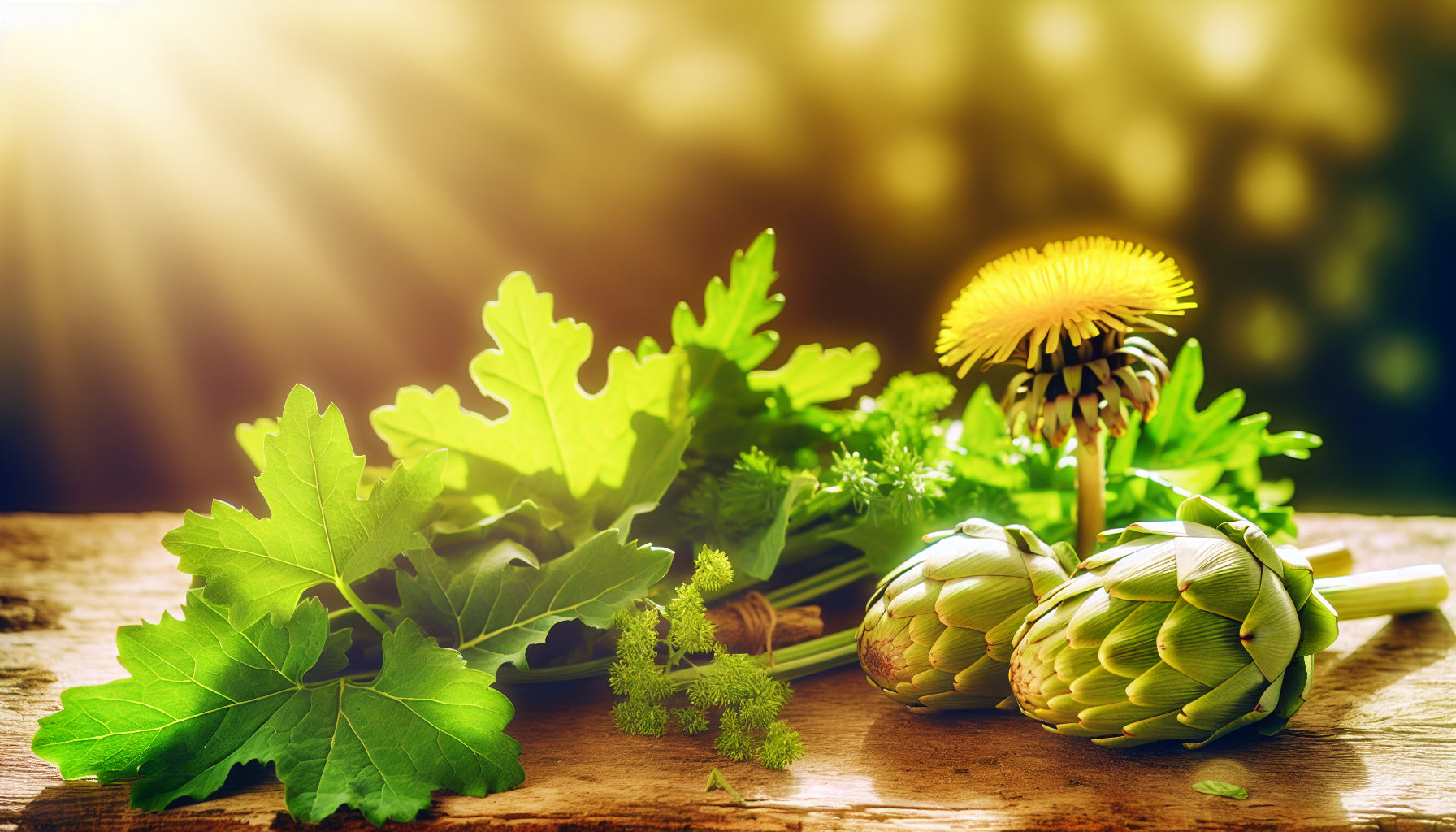
For long-term support of well-being, integrating bitter salads and herbs into the diet can also be helpful. Arugula, chicory, radicchio, or fresh herbs like dandelion can be regularly included in meals. This natural form of bitter intake is traditionally valued and can support well-being. Gut and digestion products are traditionally appreciated for their valuable properties, which can positively affect overall well-being.
🤖 The featured image of this article was generated with DALL·E 3 (OpenAI) using artificial intelligence (marked according to EU AI Act Art. 50).


Leave a comment
This site is protected by hCaptcha and the hCaptcha Privacy Policy and Terms of Service apply.