

Der Entschluss, mit dem Rauchen aufzuhören, ist ein wichtiger Schritt für die Gesundheit. Doch die ersten Wochen ohne Zigarette können herausfordernd sein: Veränderte Gewohnheiten und das Verlangen nach bekannten Ritualen beschäftigen viele Ex-Raucher. Die traditionelle Pflanzenheilkunde kennt seit Jahrhunderten BitterKraft Original – kleine Helfer aus der Pflanzenwelt, die bereits Hildegard von Bingen für ihre besonderen Eigenschaften schätzte.
📋 Inhaltsverzeichnis
Warum sich Gewohnheiten nach dem Rauchstopp verändern
Nach dem Aufhören mit dem Rauchen durchläuft der Organismus eine Phase der Anpassung an die veränderten Umstände. Besonders die ersten zwei bis vier Wochen sind eine Zeit der Gewöhnung an neue Routinen und Rituale.
In dieser Phase zeigt sich oft ein verstärktes Verlangen nach Süßigkeiten oder anderen Genussmitteln. Gleichzeitig ist die Leber-Produkte von Bitterkraft verstärkt damit beschäftigt, den Körper bei seinen natürlichen Reinigungsprozessen zu begleiten.
Die emotionale Komponente spielt bei dieser Umstellung ebenfalls eine wichtige Rolle. Das Gefühl des Verzichts auf gewohnte Rituale kann zu veränderten Gewohnheiten führen. Hier setzt die traditionelle Pflanzenheilkunde mit ihren seit Jahrhunderten bewährten Ansätzen an.
Bitterstoffe - traditionell geschätzte Pflanzen
Schon Hildegard von Bingen Produkte erkannte die besondere Bedeutung bitterer Pflanzen. Bitterstoffe werden seit Jahrhunderten traditionell verwendet und für ihre besonderen Eigenschaften geschätzt. Diese Pflanzen enthalten spezielle Verbindungen, die Bitterrezeptoren nicht nur auf der Zunge, sondern im gesamten Verdauungstrakt aktivieren.
Besonders bekannt sind Pflanzen wie Enzian, Wermut und Tausendgüldenkraut, die seit Jahrhunderten in der traditionellen Anwendung geschätzt werden. Ein paar Tropfen eines hochwertigen Bitterstoff-Elixiers können als traditioneller Begleiter zu den Mahlzeiten verwendet werden und sind für ihre jahrhundertealte Verwendung bekannt.
Die Anwendung von Bitterstoffen geht über den reinen Geschmack hinaus. Sie werden traditionell geschätzt und seit Generationen verwendet. Gerade in Zeiten der Umstellung kann diese traditionelle Begleitung wertvoll sein, da sie Teil bewährter Rituale werden kann.
Beruhigende Kräuter für mehr innere Ruhe
Neben veränderten Gewohnheiten suchen viele Ex-Raucher nach neuen Ritualen für Entspannung und Gelassenheit. Hier bietet die traditionelle Klosterheilkunde bewährte Pflanzenverbündete: Melisse, Lavendel und Hopfen werden seit Jahrhunderten traditionell verwendet und geschätzt.
Melisse, von Hildegard als "Herzenfreude" bezeichnet, wird traditionell bei der Suche nach Wohlbefinden verwendet. Die ätherischen Öle der Pflanze sind seit Jahrhunderten bekannt und werden traditionell geschätzt. Ein Tee aus frischen oder getrockneten Melissenblättern am Abend ist ein bewährtes Ritual für Schlaf- und Entspannungsprodukte.
Lavendel wird traditionell für seine besonderen Eigenschaften geschätzt. Bereits der Duft ist seit Jahrhunderten bekannt und wird traditionell verwendet. Ob als Tee, in Form von ätherischem Öl oder als Bestandteil einer Kräutermischung – Lavendel bietet vielseitige traditionelle Anwendungsmöglichkeiten für entspannte Momente im Alltag.
Praktische Anwendung und Alltagsintegration
Die Integration von Bitterstoffen und beruhigenden Kräutern in den Alltag muss nicht kompliziert sein. Ein bewährter Ansatz ist es, Bitterstoff-Elixiere als traditionelle Begleiter zu den Mahlzeiten zu verwenden. Dies kann als angenehmes neues Ritual in den Tagesablauf integriert werden.
Beruhigende Kräutertees eignen sich besonders gut für regelmäßige traditionelle Anwendungen. Morgens kann eine Tasse Melissentee ein entspanntes Ritual darstellen, während abends eine Mischung aus Lavendel und Hopfen ein wohltuendes Abendritual werden kann. Wichtig ist die Regelmäßigkeit – die Pflanzen werden traditionell bei kontinuierlicher Anwendung geschätzt.
Ergänzend können auch andere naturheilkundliche Maßnahmen die Umstellungszeit begleiten: Regelmäßige Bewegung an der frischen Luft, Fasten-Produkte für bewusste Auszeiten oder spezielle Atemtechniken. Die Kombination verschiedener natürlicher Ansätze kann dabei helfen, diese Zeit der Veränderung erfolgreich zu gestalten und den Weg in ein rauchfreies Leben zu begleiten.
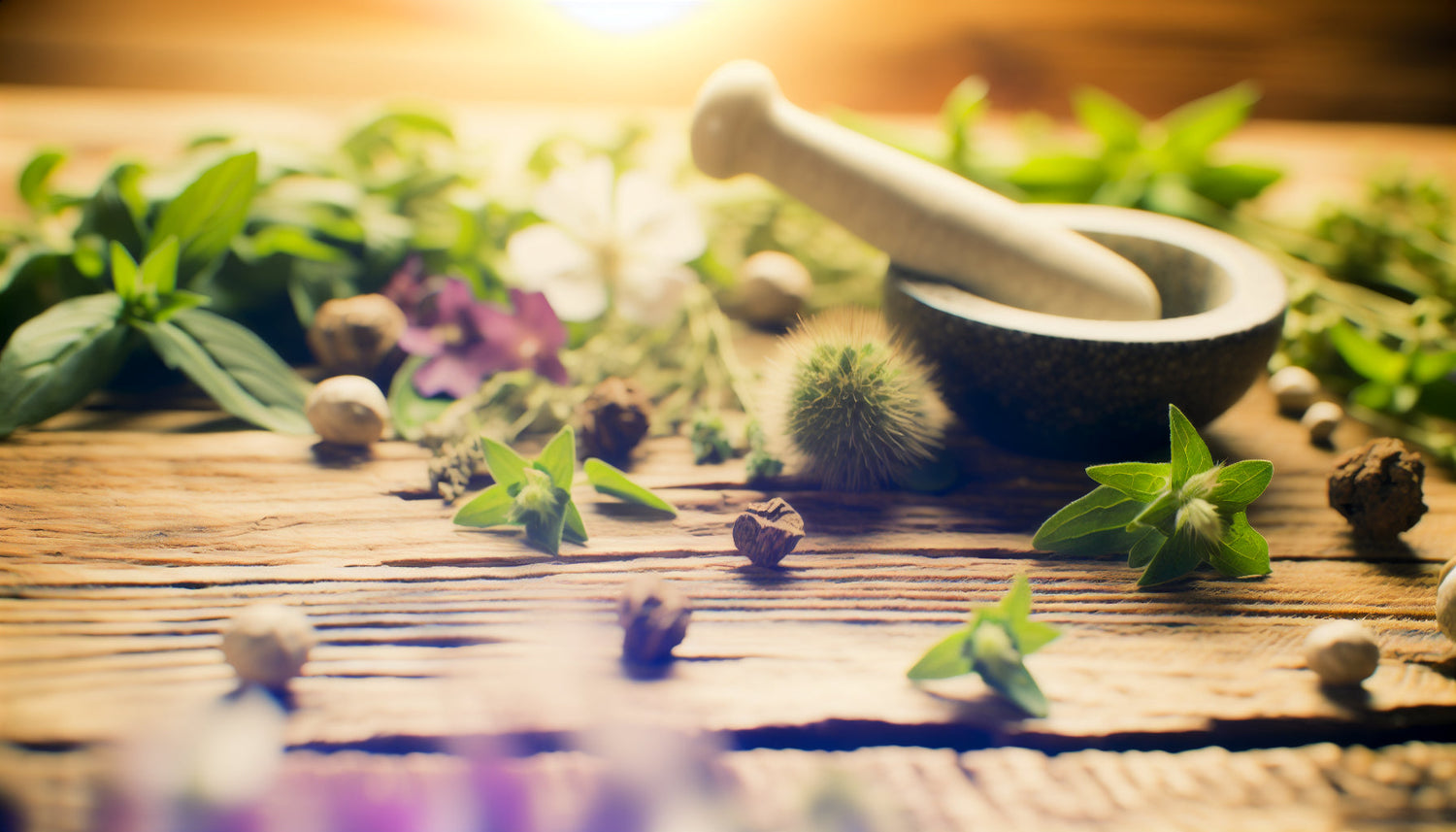
🤖 Das Beitragsbild dieses Artikels wurde mit DALL·E 3 (OpenAI) mithilfe von Künstlicher Intelligenz generiert (gemäß EU AI Act Art. 50 gekennzeichnet).


Hinterlasse einen Kommentar
Diese Website ist durch hCaptcha geschützt und es gelten die allgemeinen Geschäftsbedingungen und Datenschutzbestimmungen von hCaptcha.