





The path to quitting smoking is a complex process in which the body must eliminate not only the addictive nicotine but also numerous other harmful substances from tobacco smoke. While modern methods often rely on nicotine replacement therapies, a look into traditional naturopathy reveals interesting approaches. Especially BitterKraft Original has made a name for itself in folk medicine and is traditionally valued for general well-being.
📋 Table of Contents
How Nicotine Is Metabolized in the Body
After inhalation, nicotine takes a fascinating journey through our body. Within 10-20 seconds, it reaches the brain via the lungs, where it binds to specific receptors and exerts its well-known effects. The breakdown of nicotine mainly occurs in the liver, our most important metabolic organ.
The liver converts about 80-90% of the absorbed nicotine into cotinine, which as the main metabolite has a significantly longer half-life of 16-20 hours. This process is controlled by the enzyme CYP2A6, whose activity can vary greatly from person to person. People with slower metabolism tend to smoke less because nicotine remains longer in the body, while fast metabolizers tend to reach for cigarettes more often.
Besides cotinine, other metabolites such as nicotine-N-oxide and various glucuronides are produced and excreted via the kidneys. Interestingly, the pH value of urine influences the elimination speed: nicotine is eliminated faster in acidic urine and slower in alkaline urine. This insight highlights the complexity of the body's metabolic processes.
Bitter Substances in Traditional Use
Bitter substances have a millennia-old tradition in naturopathy and have been valued for general well-being for centuries. Even the holy Hildegard of Bingen recognized the special power of these plant compounds and traditionally used them to strengthen the digestive organs. In traditional use, bitter substances are known to trigger a cascade of reactions after contacting the taste receptors.
The traditional use of bitter substances is based on centuries of experience: the production of digestive juices is traditionally stimulated, bile production is encouraged, and liver function is activated. This traditional use has been employed in folk medicine for generations to promote well-being.
Particularly remarkable is the fact that bitter substances are traditionally not only used locally in the digestive tract but are also valued for general well-being in the Hildegard von Bingen products medicine. Traditional medicine contains numerous references to the use of bitter herbs for "cleansing the humors"—a term from historical medicine.
Natural Bitter Sources for Well-Being
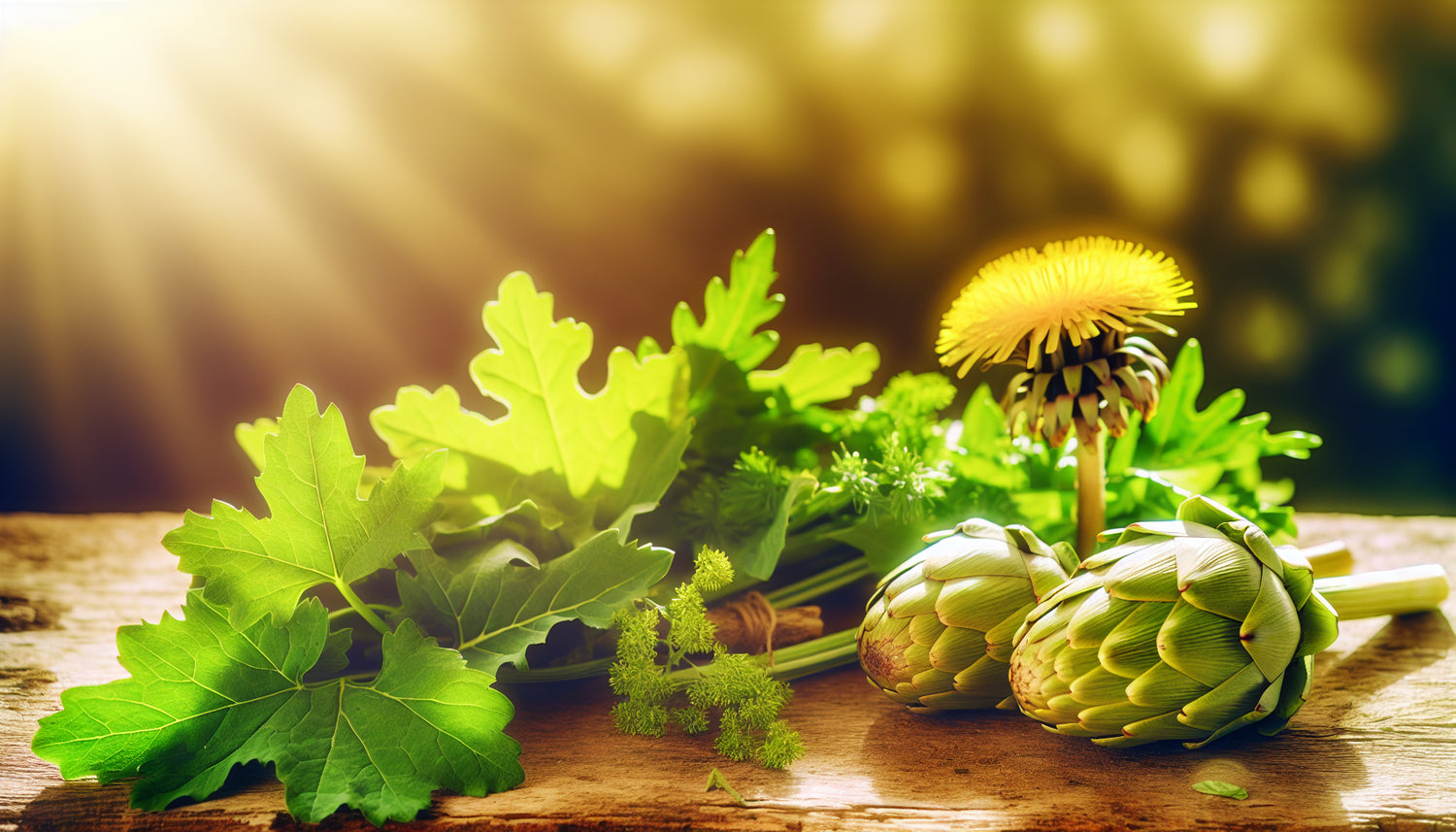
Nature offers us a wealth of bitter plants traditionally used for well-being. Dandelion, long known as the "blowball," is much more than an inconspicuous weed. Its leaves and roots contain valuable bitter substances traditionally appreciated in folk medicine. Artichoke leaf extract has also been used traditionally for centuries and is known for its valuable bitter compounds.
Wormwood, one of the most bitter plants, holds a special place in Hildegard medicine. The abbess called it the "master over all exhaustion" and traditionally used it to strengthen digestive power. Gentian root, centaury, and yarrow are also classic bitter plants traditionally used for well-being for centuries.
Modern bitter substance blends often combine various traditional plants to offer a broad spectrum of valuable ingredients. The quality of raw materials is crucial: only carefully selected, gently processed plants can preserve the valuable bitter substances in their full concentration. Intake typically occurs as drops or capsules, with direct contact with the taste receptors considered important in traditional use.
Holistic Support for Well-Being
A holistic approach to well-being considers both body and mind equally. Besides the traditional use of bitter substances, other factors play an important role in general well-being. Adequate fluid intake can support well-being, while moderate exercise stimulates metabolism and contributes to vitality.
Nutrition can also make a valuable contribution to well-being: antioxidant-rich foods such as berries, green leafy vegetables, and herbs are traditionally known for their valuable properties. At the same time, it can be helpful to reduce highly processed foods. Fasting is also traditionally valued for well-being, as it gives the body space for regeneration.
The importance of mental balance should not be underestimated. Relaxation techniques, sufficient sleep, and building new habits can support well-being. Bitter substances are traditionally appreciated because, based on centuries of experience, they can contribute to general well-being. Many people report feeling more balanced and energized when using bitter substances traditionally—important aspects for daily well-being.
🤖 The featured image of this article was generated with DALL·E 3 (OpenAI) using Artificial Intelligence (marked according to EU AI Act Art. 50).


Leave a comment
This site is protected by hCaptcha and the hCaptcha Privacy Policy and Terms of Service apply.