

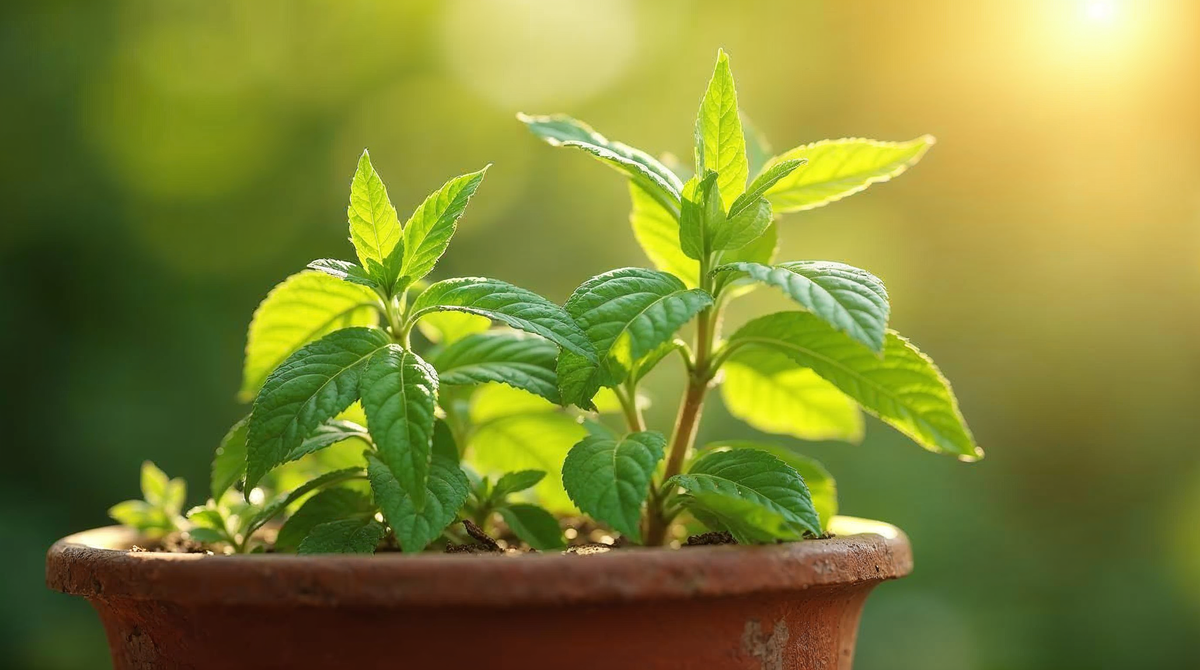
Es gibt Pflanzen, die seit Jahrhunderten in Gärten, Klöstern und Küchen zu Hause sind – und die Zitronenmelisse gehört zweifellos dazu. Mit ihrem zarten Zitronenduft und den hellgrünen, gezackten Blättern ist sie eine der beliebtesten Heilpflanzen der europäischen Naturheilkunde. Wer einmal an einem frischen Melissenblatt gerieben hat und diesen feinen, belebenden Duft eingeatmet hat, versteht sofort, warum diese Pflanze so viele Menschen seit so langer Zeit fasziniert. Melissa officinalis – so ihr lateinischer Name – wurde bereits in der Antike beschrieben, von arabischen Gelehrten hochgeschätzt und fand später einen festen Platz in der mittelalterlichen Klostermedizin. Noch heute gehört die Melisse zu den meistgenutzten Heilkräutern in der naturheilkundlichen Praxis – besonders wenn es um das Thema innere Ruhe, Entspannung und erholsamen Schlaf geht. In diesem Artikel nehmen wir Sie mit auf eine Reise durch Geschichte und Tradition dieser außergewöhnlichen Pflanze.
Die Melisse in der Geschichte: Von der Antike bis zur Klostermedizin
Die Geschichte der Melisse als Heilpflanze reicht weit zurück. Schon im alten Griechenland wurde Melissa – das griechische Wort für Biene – als wertvolles Kraut beschrieben, das Imker nutzten, um Bienenvölker anzulocken und zu beruhigen. Dioskurides, der bedeutende griechisch-römische Arzt und Botaniker, erwähnte die Melisse in seinen Schriften und beschrieb sie als Pflanze mit besonderen Eigenschaften für das Wohlbefinden des Menschen. Auch Avicenna, der persische Universalgelehrte des 11. Jahrhunderts, schrieb ihr in seinem „Canon Medicinae" eine bedeutende Rolle zu – insbesondere im Zusammenhang mit der Pflege des Herzens und der Lebensgeister.
Einen besonderen Platz in der Überlieferung nimmt die Zitronenmelisse in der Klostermedizin des Mittelalters ein. Die Benediktinermönche und -nonnen kultivierten sie in ihren Heilgärten mit großer Sorgfalt. Es war die Äbtissin Hildegard von Bingen (1098–1179), die der Melisse in ihrer Heilkunde einen prominenten Platz einräumte. Hildegard, die als eine der bedeutendsten Naturheilerinnen des Mittelalters gilt, beschrieb in ihren Werken zahlreiche Heilpflanzen und legte dabei stets Wert auf die Verbindung von Körper, Seele und Geist. Hildegard von Bingen Produkte Die Melisse galt ihr als Pflanze, die das Gemüt erheitere und den Menschen innerlich stärke – ein Zeugnis, das bis heute nichts von seiner Anziehungskraft verloren hat.
Hildegard von Bingen schrieb sinngemäß über die Melisse: „Die Melisse ist warm und hat eine gute Kraft. Wer viel Kummer und Traurigkeit im Herzen trägt, der koche Melisse in Wein und trinke ihn öfters warm – es erheitert das Gemüt." Diese Überlieferung aus dem 12. Jahrhundert zeigt, wie tief das Wissen um die seelische Dimension dieser Pflanze bereits im Mittelalter verwurzelt war.
Im 16. und 17. Jahrhundert erlebte die Melisse eine weitere Blütezeit: Der berühmte Kräuterkundler Paracelsus zählte sie zu den wertvollsten Pflanzen überhaupt. Klosterliköre und Destillate wie das bis heute bekannte „Karmelitergeist" – ein im 17. Jahrhundert von Karmelitermönchen in Paris entwickeltes Melissendestillat – machten die Pflanze weit über Klostermauern hinaus bekannt. Das Rezept dieses Destillats wird als kulturhistorisches Zeugnis bis heute gepflegt und zeigt, welchen Stellenwert die Melisse in der Volksheilkunde einnahm. BitterKraft Original
Was steckt in der Melisse? Die Inhaltsstoffe und ihr traditioneller Hintergrund
Die Faszination für die Zitronenmelisse gründet sich nicht zuletzt auf ihre vielschichtige Pflanzenzusammensetzung. Wer verstehen möchte, warum diese Pflanze seit Jahrhunderten so geschätzt wird, lohnt sich ein genauerer Blick auf das, was in ihren Blättern steckt. Es ist das harmonische Zusammenspiel verschiedener natürlicher Verbindungen, das Forscher und Naturheilkundige gleichermaßen begeistert – und das die Melisse zu einem der interessantesten Kräuter der europäischen Pflanzentradition macht.
Was steckt in der Melisse?
Ätherische Öle (Citral, Citronellal, Linalool): Sie sind für den typischen Zitronenduft der Melisse verantwortlich und wurden seit jeher als belebendes sowie beruhigendes Element in der Kräutertradition geschätzt. Das Verhältnis dieser Öle variiert je nach Erntezeitpunkt und Herkunft der Pflanze – frische Blätter vor der Blüte gelten traditionell als besonders aromatisch.
Rosmarinsäure: Eine phenolische Verbindung, die in der Melisse in beachtlicher Konzentration vorkommt. Die Rosmarinsäure ist auch in anderen Lippenblütlern wie Rosmarin und Salbei zu finden und gilt als charakteristischer Bestandteil dieser Pflanzenfamilie.
Flavonoide (u.a. Luteolin, Apigenin): Pflanzliche Farbstoffe, die in vielen Heilpflanzen vorkommen und seit der Antike Gegenstand der Naturheilkunde sind. In der Melisse treten sie gemeinsam mit anderen Inhaltsstoffen auf.
Gerbstoffe und Bitterstoffe: Diese Verbindungen prägen den leicht herben Geschmack des Melissentees und sind Teil der traditionellen Wertschätzung für die Pflanze in der Kräuterküche und Klostermedizin.
Triterpene (u.a. Ursolsäure, Oleanolsäure): Weitere sekundäre Pflanzenstoffe, die zur Komplexität des Melissenprofils beitragen und in der modernen Pflanzenforschung zunehmendes Interesse wecken.
Das Zusammenspiel dieser Inhaltsstoffe – in der Naturheilkunde oft als „Synergismus" bezeichnet – ist wohl der Grund, warum Melissenprodukte in ihrer Ganzheit traditionell anders bewertet werden als einzelne isolierte Substanzen. Die Pflanzentradition lehrt, dass das Ganze mehr ist als die Summe seiner Teile: Vollextrakte, Tees aus getrockneten Blättern oder frisch bereitete Aufgüsse wurden stets dem Isolat vorgezogen. Schlaf- und Entspannungsprodukte Wer die Melisse in ihr Alltagsleben integrieren möchte, findet daher in hochwertigen, schonend verarbeiteten Produkten den engsten Anschluss an die jahrhundertealte Pflanzenüberlieferung.
Die Zitronenmelisse gehört zu den am besten dokumentierten Heilpflanzen Europas – ihre Verwendung als Kräuter der Ruhe und des Schlafes ist in zahllosen historischen Quellen belegt, von der Antike über die Klostermedizin bis in die moderne Naturheilkunde.
Melisse als Nervenkraut: Tradition der inneren Ruhe
In kaum einem anderen Bereich ist das traditionelle Ansehen der Melisse so ausgeprägt wie in der Pflege des Nervensystems und der inneren Ruhe. Die Bezeichnung „Nervenkraut" ist in der Volksmedizin eng mit der Melisse verknüpft – sie begleitet Menschen seit Jahrhunderten in Zeiten, in denen das Leben besonders fordernd erscheint. In der Klostermedizin wurde sie bei Unruhe, Nervosität und innerer Anspannung eingesetzt, und dieser Ruf hat sich bis in die Gegenwart erhalten. Der sanfte, zitronige Duft allein gilt in der Aromaheilkunde als erster Schritt zur Entspannung.
Die Verbindung zwischen Melisse und dem seelischen Wohlbefinden zieht sich wie ein roter Faden durch die Kräutertradition. Hildegard von Bingen empfahl die Melisse ausdrücklich bei Schwermut und Traurigkeit – sie sah in der Pflanze die Fähigkeit, das „Herz zu erfreuen" und das Gemüt aufzuhellen. Paracelsus nannte die Melisse gar „das beste Kraut für das Herz". Diese historischen Beschreibungen spiegeln ein tiefes, über Generationen weitergereichertes Wissen wider, das in unserer schnelllebigen Zeit neue Relevanz gewinnt. Menschen, die sich von Alltagsstress und mentaler Anspannung erholen möchten, greifen heute wie damals auf die Melisse zurück – als Tee, als Kräuterbad oder als konzentrierter Extrakt. Hildegard von Bingen Produkte
Traditionelle Anwendungsformen der Melisse bei innerer Unruhe:
- Melissentee: Seit Jahrhunderten die klassische Form der Einnahme. Frische oder getrocknete Melissenblätter werden mit heißem Wasser übergossen und 5–10 Minuten ziehen gelassen. Traditionell wird empfohlen, den Tee am Abend zu genießen – als bewusstes Ritual des Zur-Ruhe-Kommens.
- Melissentinktur: In der Klostermedizin wurden Heilpflanzen häufig als alkoholische Auszüge konserviert und konzentriert. Tinkturen aus Melisse finden sich bis heute in der naturheilkundlichen Praxis als Ergänzung zum Tee.
- Melissenöl (ätherisch): Das ätherische Öl der Melisse wird in der Aromaheilkunde für Einreibungen oder Duftanwendungen genutzt. Schon allein das Inhalieren des zitronigen Duftes gilt traditionell als Einladung zur inneren Ruhe.
- Melissenbad: Ein Vollbad oder Fußbad mit Melissenaufguss ist eine alte Volksheilkunde-Tradition – besonders am Abend als Einschlafritual geschätzt.
- Melissenkissen: Getrocknete Melissenblätter, in ein Kissen eingenäht und neben das Kopfkissen gelegt, gehören zu den ältesten aromatherapeutischen Überlieferungen Mitteleuropas.
Besonders interessant ist die traditionelle Kombinationskultur rund um die Melisse: Sie wird in der Naturheilkunde selten allein eingesetzt, sondern häufig in Verbindung mit anderen beruhigenden Heilkräutern. Baldrian, Hopfen und Passionsblume sind die klassischen Begleiter der Melisse in der europäischen Kräutertradition. Diese Kombination findet sich in zahllosen historischen Rezepten und ist bis heute in naturheilkundlichen Präparaten weit verbreitet. Schlaf- und Entspannungsprodukte Das Prinzip der pflanzlichen Kombinationsrezepturen, das in der Hildegard-Medizin und der Klostermedizin tief verankert ist, spiegelt eine Weisheit wider, die die moderne Naturheilkunde weiterhin pflegt.
Melisse wird seit über 2000 Jahren in der europäischen Heilkunde als "Kraut der inneren Ruhe" überliefert – ihre traditionelle Verwendung bei Nervosität und Anspannung gehört zu den am längsten dokumentierten pflanzlichen Anwendungen überhaupt.
Melisse und Schlaf: Das Kräuter-Ritual für die Nacht
Wer kennt es nicht: Man liegt abends im Bett, der Kopf rattert, die Gedanken kreisen unaufhörlich, und der Schlaf will einfach nicht kommen. In solchen Nächten greifen immer mehr Menschen bewusst auf naturheilkundliche Alternativen zurück – und die Melisse nimmt dabei eine zentrale Rolle ein. In der Volksheilkunde ist sie seit Jahrhunderten als „Schlafkraut" bekannt, das abendliche Entspannungsrituale bereichert und den Übergang von der Aktivität zur Ruhe unterstützen soll. Die Kräutertradition empfiehlt die Melisse dabei nicht als Mittel, das Schlaf „erzwingt", sondern als sanfte Einladung an Körper und Geist, loszulassen.
Das abendliche Melissenritual hat in der Naturheilkunde eine lange Tradition. Besonders in Klöstern war die Abendzeit mit festen Ritualen verbunden: Gebet, Stille und das Trinken beruhigender Kräutertees gehörten zur gelebten Klosterkultur. Die Melisse war Teil dieser Abendroutinen – als Tee nach dem Abendessen oder als Teil komplexer Kräuterrezepturen, die für Nachtstunden empfohlen wurden. Diese Ritualkultur, die Körper und Geist gemeinsam in Betracht zieht, ist eines der großen Geschenke der Klostermedizin an unsere Zeit. Hildegard von Bingen Produkte
Eine traditionelle Empfehlung aus der Klosterheilkunde lautet: „Eine Stunde vor dem Schlafengehen eine Tasse frischen Melissentees bereiten, in Stille trinken und dabei bewusst die Gedanken des Tages loslassen." Diese Empfehlung verbindet die pflanzliche Anwendung mit einer achtsamen Haltung – ein Prinzip, das in der modernen Naturheilkunde als ganzheitlicher Ansatz wiederentdeckt wird.
Besonders interessant ist die Melisse im Kontext der sogenannten Schlafhygiene – einem Konzept, das die Naturheilkunde schon lange vor der modernen Schlafmedizin kannte. Der bewusste Übergang vom Tag zur Nacht, die Vermeidung von Reizüberflutung und die Integration beruhigender Rituale gelten als Grundpfeiler eines gesunden Schlafrhythmus. Die Melisse kann dabei als pflanzliche Begleiterin in diesem Prozess dienen: eine Tasse abendlichen Melissentees, ein Melissenbad oder wenige Tropfen Melissenöl auf dem Kopfkissen – solche einfachen Handlungen schaffen Übergangsmomente, die dem Gehirn signalisieren: Jetzt ist Ruhezeit. Schlaf- und Entspannungsprodukte
Die Kombination aus Melisse und Baldrian gilt in der europäischen Kräutertradition als eines der bewährtesten pflanzlichen Duos für den Abend – historische Rezepturen aus Klosterarchiven belegen diese Paarung seit dem Mittelalter.
Melisse im Alltag: So lässt sich das Nervenkraut sinnvoll integrieren
Die gute Nachricht für alle, die sich für die Melisse begeistern: Sie gehört zu den anspruchslosesten Heilpflanzen überhaupt und lässt sich wunderbar selbst im kleinsten Garten, auf dem Balkon oder sogar auf der Fensterbank anbauen. Ein Topf Zitronenmelisse, der bei Bedarf beerntet werden kann, bringt die jahrhundertealte Klostergartentradition direkt in die eigene Küche. Frische Blätter lassen sich zu Tee aufbrühen, in Wasser oder Kräuterlimonaden geben, in sommerliche Salate zupfen oder einfach mit den Fingern zerreiben und inhalieren – als einfachster aromatherapeutischer Moment des Alltags.
Wer auf konzentrierte Produkte zurückgreifen möchte, findet im Naturheilkunde-Bereich eine große Auswahl: Trockenextrakte in Kapselform, standardisierte Melissentinkturen, Kombinationspräparate mit Baldrian, Hopfen oder Passionsblume sowie hochwertige ätherische Öle. Bei der Auswahl von Melissenprodukten empfehlen naturheilkundliche Praktiker stets auf Qualität und Herkunft zu achten – biologisch angebaute Melisse aus kontrolliertem Anbau und schonende Verarbeitungsverfahren gelten als Garanten dafür, dass die pflanzliche Vielfalt der Inhaltsstoffe erhalten bleibt. Gerade das ätherische Öl der Melisse ist aufwendig in der Herstellung und wird deshalb auf dem Markt häufig verfälscht – echtes Melissenöl ist entsprechend wertvoll. BitterKraft Original
Traditionelle Kräuter-Begleiter der Melisse für innere Ruhe und Schlaf:
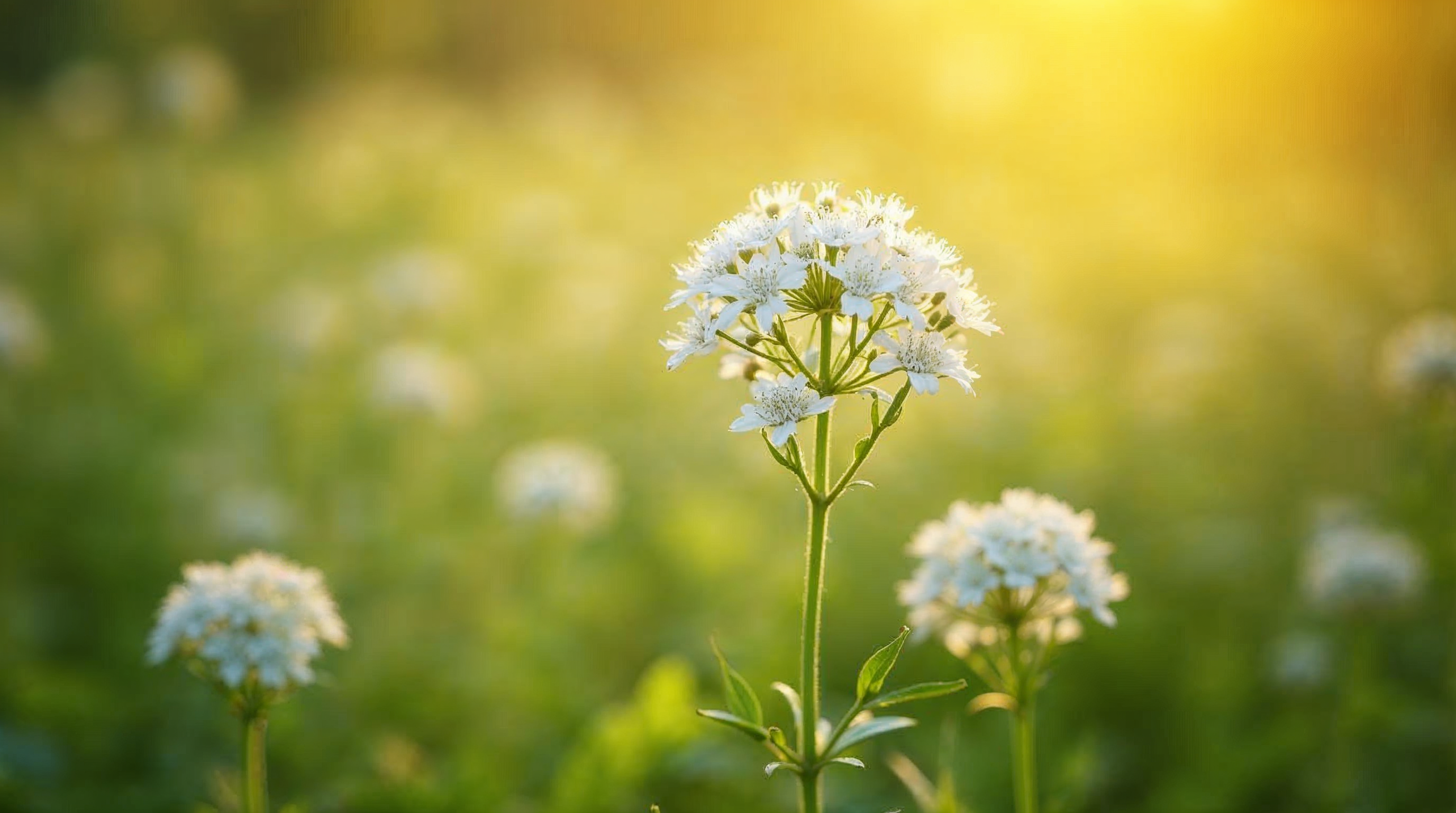
- Baldrian (Valeriana officinalis): Der klassische pflanzliche Begleiter der Melisse in der europäischen Schlafkräuter-Tradition. Baldrianwurzel wird seit dem Mittelalter in Kombination mit Melisse verwendet und findet sich in unzähligen historischen Kräuterrezepten für den Abend.
- Hopfen (Humulus lupulus): Die weiblichen Hopfenzapfen sind seit Jahrhunderten Teil der Kräutertradition bei Unruhe und Schlafstörungen. In Kombination mit Melisse und Baldrian bilden sie das klassische „Nerventrio" der Naturheilkunde.
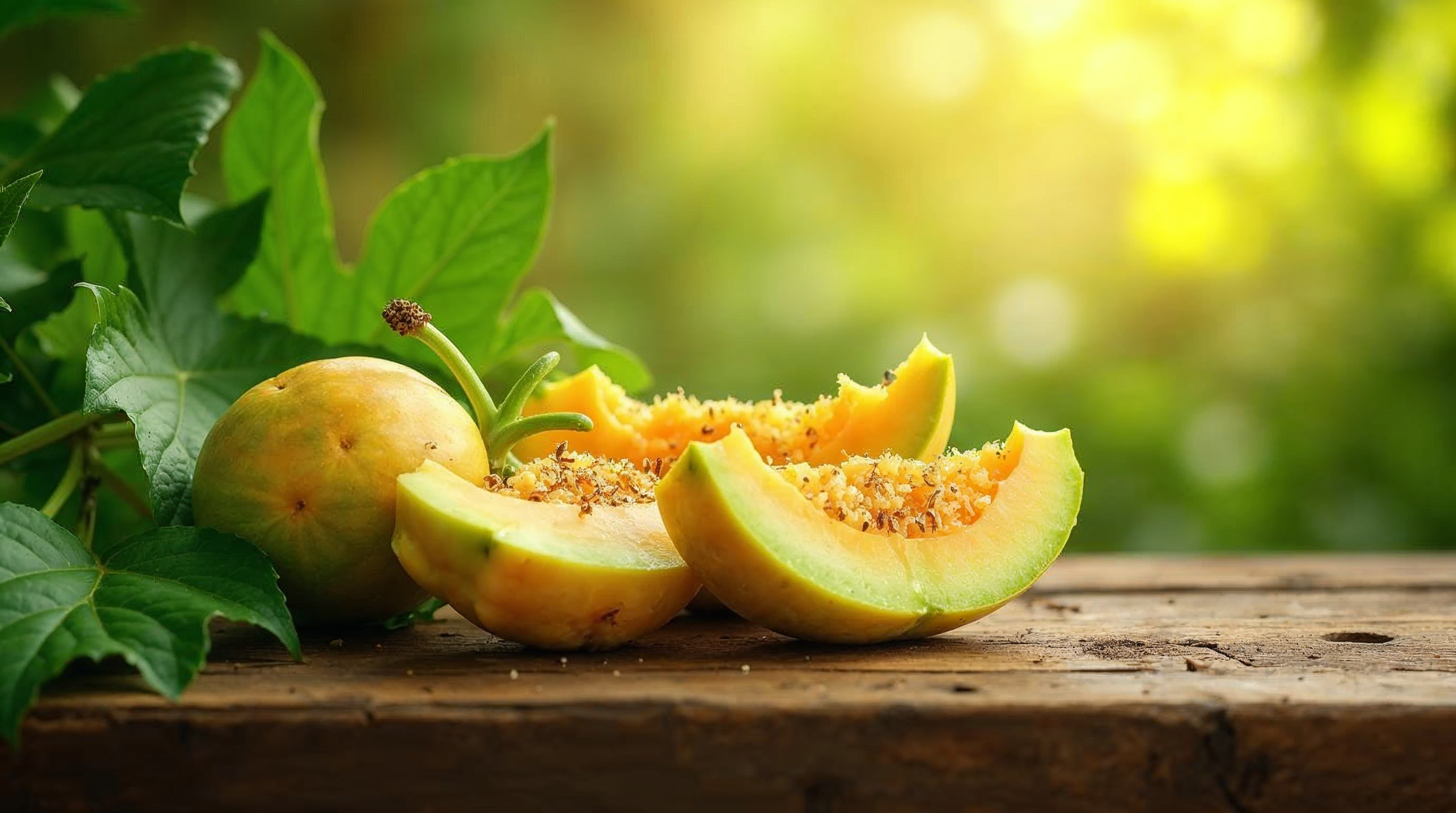
- Passionsblume (Passiflora incarnata): Die aus Amerika stammende Pflanze hat sich in der europäischen Naturheilkunde fest etabliert und wird traditionell bei nervöser Unruhe und Einschlafschwierigkeiten geschätzt.
- Lavendel (Lavandula angustifolia): Nicht nur als Aromapflanze, sondern auch als Tee und Extrakt ist Lavendel ein geschätzter Begleiter der Melisse in der Schlafkräuter-Tradition des Mittelmeerraums und der Klostergärten Mitteleuropas.
- Kamille (Matricaria chamomilla): Die „Mutter aller Kräuter" – so wird sie in der Volksmedizin genannt – ergänzt die Melisse im Abendtee durch ihren sanften, wärmenden Charakter. In der Hildegard-Medizin nimmt die Kamille einen ebenso bedeutenden Platz ein wie die Melisse selbst.
Wer die Melisse ganzheitlich in seinen Alltag integrieren möchte, profitiert davon, sie nicht als isolierte Maßnahme zu betrachten, sondern als Teil eines umfassenderen Ansatzes für das persönliche Wohlbefinden. Regelmäßige Schlafenszeiten, digitale Ruhepausen vor dem Zubettgehen, achtsame Abendrituale und eine naturnahe Ernährung schaffen den besten Rahmen, in dem pflanzliche Begleiter wie die Melisse ihre volle traditionelle Stärke entfalten können. Die Klostermedizin lehrte stets: Das Kraut allein macht nicht gesund – es ist die Haltung, mit der wir es einsetzen, die den Unterschied macht. Fasten-Produkte Wer diesen Grundsatz beherzigt, entdeckt in der Zitronenmelisse nicht nur ein Heilkraut, sondern eine Einladung zu einem bewussteren, naturnäheren Lebensstil – und das ist vielleicht ihr größtes Geschenk an uns.

Hinterlasse einen Kommentar
Diese Website ist durch hCaptcha geschützt und es gelten die allgemeinen Geschäftsbedingungen und Datenschutzbestimmungen von hCaptcha.