

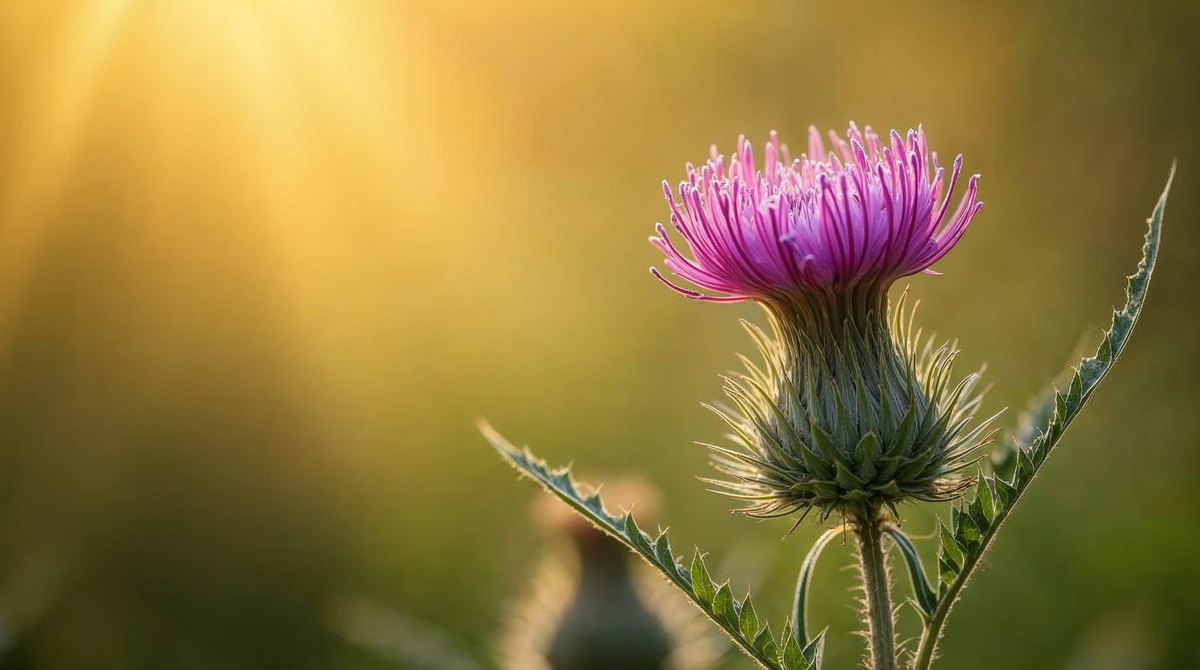
Die Mariendistel gehört zu den bekanntesten Heilpflanzen der europäischen Naturheilkunde – und das seit mehr als zweitausend Jahren. Mit ihren charakteristischen weißen Blattadern, die der Legende nach vom Milch der Jungfrau Maria stammen sollen, zieht diese stattliche Distel seit Generationen Menschen an, die auf der Suche nach Unterstützung für ihr körperliches Wohlbefinden sind. Besonders in Verbindung mit der Leber wird sie in der traditionellen Pflanzenheilkunde immer wieder genannt – ein Umstand, der bis heute nichts von seiner Faszination verloren hat. Wer sich für Naturheilkunde interessiert, wird früher oder später auf diese kraftvolle Pflanze stoßen. Leber-Produkte von Bitterkraft
Die Mariendistel und ihre Geschichte: Eine Pflanze mit langer Tradition
Die Geschichte der Mariendistel reicht tief in die antike Kräuterheilkunde zurück. Bereits der griechische Arzt Dioskurides beschrieb im ersten Jahrhundert nach Christus eine Pflanze, die heute als Vorläufer der bekannten Silybum marianum gilt. Über die Jahrhunderte hinweg wurde die Mariendistel in Klostergärten kultiviert, von Benediktinerinnen und Benediktinern gepflegt und in handschriftlichen Kräuterbüchern als wertvolle Pflanze festgehalten. Die Klostermedizin des Mittelalters spielte dabei eine entscheidende Rolle bei der Weitergabe dieses Wissens.
Hildegard von Bingen, die große Äbtissin und Universalgelehrte des 12. Jahrhunderts, widmete sich in ihrem Werk „Physica" ausführlich der Welt der Kräuter und Pflanzen. Obwohl sie die Mariendistel nicht unter diesem Namen beschreibt, zeigt ihr umfassendes Kräuterwissen, wie tief die Beschäftigung mit bitter schmeckenden Pflanzen in der mittelalterlichen Klostermedizin verankert war. Bittere Kräuter galten in ihrem Weltbild als besonders wertvoll – sie standen symbolisch für Reinigung und innere Ordnung. Dieses Verständnis bildet bis heute die Grundlage für den Einsatz der Mariendistel in der traditionellen Naturheilkunde. Hildegard von Bingen Produkte
Im 16. und 17. Jahrhundert erlebte die Mariendistel eine wahre Renaissance. Kräuterbuchautoren wie Leonhart Fuchs und Hieronymus Bock beschrieben sie ausführlich und empfahlen verschiedene Zubereitungsformen. Die Pflanze wurde sowohl als Nahrungsmittel – die jungen Blätter und Wurzeln galten als essbar – als auch als Bestandteil von Kräuterrezepturen geschätzt. Dieser doppelte Charakter als Nahrungs- und Heilpflanze macht sie zu einem besonders interessanten Beispiel für die ganzheitliche Betrachtungsweise der alten Kräutermedizin, die nicht zwischen Ernährung und Wohlbefinden trennte.
Die Mariendistel wird seit mehr als 2.000 Jahren in der europäischen Kräuterheilkunde traditionell verwendet – sie gehört damit zu den am längsten genutzten Heilpflanzen des westlichen Kulturraums.
„Die Bitterpflanzen waren für Hildegard von Bingen Ausdruck einer kosmischen Ordnung: Sie standen für jene Kraft, die das Innere des Menschen wieder in Einklang bringt – eine Überzeugung, die auch in der modernen Klostermedizin noch lebendig ist." – Aus der Forschungsliteratur zur Hildegard-Medizin, Benediktinerinnenabtei Eibingen
Silymarin und Co.: Was steckt eigentlich in der Mariendistel?
Das Besondere an der Mariendistel liegt in ihren Samen – genauer gesagt in der Schale der reifen Früchte. Hier konzentrieren sich jene Substanzen, für die die Pflanze in der modernen Naturheilkunde bekannt ist. Der wichtigste Inhaltsstoff ist der sogenannte Silymarinkomplex, ein Gemisch aus verschiedenen Pflanzenstoffen, zu denen Silybinin, Silydianin und Silychristin gehören. Diese Verbindungen gehören zur Gruppe der Flavonoide – sekundäre Pflanzenstoffe, die in der Natur häufig als Schutzstoffe für die Pflanze selbst dienen.
Was ist Silymarin?
Silymarin ist kein einzelner Wirkstoff, sondern ein Komplex aus mehreren Flavonolignanen, die ausschließlich in der Mariendistel (Silybum marianum) vorkommen. Der Anteil an Silymarin in standardisierten Extrakten beträgt üblicherweise 70–80 %. Hochwertige Extrakte aus den Früchten der Mariendistel gelten in der traditionellen Pflanzenheilkunde als besonders gehaltvoll – die Qualität des Ausgangsmaterials und die Extraktionsmethode spielen dabei eine entscheidende Rolle.
Neben Silymarin enthält die Mariendistel weitere interessante Pflanzenstoffe: fette Öle (bis zu 30 % im Samen), Eiweiße, Biogene Amine sowie Schleimstoffe. Auch Betain, Trimethylglycin und verschiedene Polyphenole wurden nachgewiesen. Diese Vielzahl an Substanzen spiegelt die Komplexität der Pflanze wider – ein Umstand, der in der ganzheitlichen Naturheilkunde als Vorzug gegenüber isolierten Einzelstoffen gewertet wird. Hildegard von Bingen hätte diese Ganzheitlichkeit wohl als Ausdruck der „viriditas" – der grünen Lebenskraft der Schöpfung – beschrieben.
Die Art der Verarbeitung beeinflusst maßgeblich, welche Inhaltsstoffe in welcher Konzentration letztlich im fertigen Produkt vorhanden sind. Traditionell wurden die Samen gemahlen und als Tee oder Pulver eingenommen. Moderne standardisierte Trockenextrakte bieten den Vorteil einer gleichbleibenden Konzentration der Inhaltsstoffe. Bei der Auswahl eines Mariendistel-Produkts lohnt es sich daher, auf den Silymarin-Gehalt zu achten sowie darauf, ob es sich um einen reinen Samenextrakt oder um ein Gesamtpflanzenpulver handelt. BitterKraft Original
Wichtige Inhaltsstoffe der Mariendistelsamen:
- Silymarin: Komplexgemisch aus Flavonolignanen, traditionell als Hauptinhaltsstoff der Mariendistelsamen bekannt; wird seit Jahrhunderten in der europäischen Kräuterheilkunde geschätzt.
- Silybinin: Mengenmäßig bedeutendster Einzelbestandteil des Silymarinkomplexes; gilt in der traditionellen Naturheilkunde als besonders charakteristisch für die Pflanze.
- Fette Öle: Machen bis zu 30 % des Samenanteils aus und tragen zum ganzheitlichen Charakter des Mariendistelsamens bei.
- Flavonoide: Sekundäre Pflanzenstoffe, die auch in anderen traditionellen Heilpflanzen wie Artischocke und Löwenzahn vorkommen; historisch in der Klostermedizin als wertvolle Bitterstoffbegleiter bekannt.
Traditionelle Anwendung und Dosierung: So wird Mariendistel klassisch verwendet
In der traditionellen Pflanzenheilkunde wurde Mariendistel auf ganz unterschiedliche Weisen eingenommen. Die einfachste und älteste Form ist das frisch gemahlene Samenpulver, das traditionell morgens – oft auf nüchternen Magen – mit einem Glas Wasser eingenommen wurde. Dieser Brauch hat sich bis heute in vielen naturheilkundlichen Haushalten erhalten und gilt als Ritual, das den Tag mit einer bewussten Zuwendung zum eigenen Körper beginnt. Die klösterliche Tradition betonte dabei stets die Regelmäßigkeit: Nicht eine einmalige Einnahme, sondern die beständige, rhythmische Anwendung galt als Ausdruck echter Fürsorge für sich selbst.
Traditionell wird Mariendistel als gemahlenes Samenpulver oder als standardisierter Extrakt über einen längeren Zeitraum eingenommen – die Klostermedizin empfahl eine regelmäßige, rituelle Anwendung über mehrere Wochen.
Für die Zubereitung eines Mariendistel-Tees werden die Samen zunächst grob gemahlen und dann mit heißem Wasser übergossen. Da die Wirkstoffe des Silymarinkomplexes wasserunlöslich sind, ist die Teezubereitung nach heutigem Verständnis weniger geeignet, um die Inhaltsstoffe vollständig aufzunehmen – sie hat jedoch als wohltuendes Ritual durchaus ihren Platz in einer bewussten Naturheilkunde-Praxis. Für eine gezieltere Einnahme empfehlen naturheilkundliche Anwender heute eher Kapseln oder Tabletten mit standardisiertem Trockenextrakt, da hier der Silymarin-Gehalt gleichbleibend und nachvollziehbar ist. Fasten-Produkte
Zur Frage der Dosierung: In der traditionellen Anwendung wurden täglich etwa 12–15 Gramm der gemahlenen Samen empfohlen. Bei modernen standardisierten Extrakten variieren die Angaben je nach Konzentration – hier gilt es, die Herstellerempfehlung zu beachten und im Zweifelsfall eine erfahrene Heilpraktikerin oder einen Heilpraktiker zu konsultieren. Die Einnahme erfolgt klassischerweise über einen Zeitraum von vier bis sechs Wochen, woraufhin eine Pause eingelegt wird. Dieses rhythmische Vorgehen spiegelt das Prinzip vieler traditioneller Kräuranwendungen wider, die stets den Wechsel von Anwendung und Ruhe als Teil des natürlichen Gleichgewichts verstanden.
„Phytotherapeutische Standardwerke wie die Monographie der Kommission E (Bundesgesundheitsamt) beschreiben Mariendistelsamen (Cardui mariae fructus) als traditionell genutzte Heilpflanze und empfehlen für Extrakte einen täglichen Silymarin-Gehalt von 200–400 mg in geteilten Dosen." – Kommission E, Bundesanzeiger 1986
Klassische Zubereitungsformen der Mariendistel im Überblick:
- Gemahlenes Samenpulver: Die traditionsreichste Form; wird seit Jahrhunderten morgens eingenommen und steht für eine bewusste, rituelle Kräuterpraxis.
- Trockenextrakt in Kapseln: Moderne Weiterentwicklung mit standardisiertem Silymarin-Gehalt; ermöglicht eine gleichbleibende und bequeme tägliche Einnahme.
- Mariendistel-Tinktur: Traditionelle alkoholische Zubereitung, die in der Klostermedizin verbreitet war; heute vor allem bei naturheilkundlich orientierten Anwendern noch geschätzt.
- Mariendistel-Tee: Eher als wohltuendes Ritual zu verstehen; die gemahlenen Samen werden überbrüht und als warmes Getränk genossen – besonders im Frühjahr als Teil einer Entschlackungskur beliebt.
Erfahrungsberichte und Kombinationen: Was Anwender berichten
Wer in Naturheilkunde-Foren, auf Kräuterblogs oder in den Kundenbewertungen von Naturkostläden und Online-Shops stöbert, stößt auf eine bemerkenswert vielfältige Palette an Erfahrungen mit der Mariendistel. Viele Anwender berichten, dass sie die Pflanze erstmals in einer Phase intensiver Belastung – sei es durch Stress, eine unausgewogene Ernährungsphase oder nach Festtagen – für sich entdeckt haben. Besonders häufig tauchen Berichte auf, in denen Mariendistel im Rahmen einer Frühjahrskur oder einer bewussten Fastenwoche eingesetzt wird. Fasten-Produkte
„Ich nehme Mariendistel seit drei Jahren jeden Frühling als Teil meiner Fastenwoche – gemeinsam mit Artischocke und Löwenzahn. Ich schätze das Ritual sehr, weil es mir das Gefühl gibt, etwas Gutes für mich zu tun", berichtet eine 47-jährige Lehrerin aus München in einem Naturheilkunde-Forum. Solche Aussagen stehen stellvertretend für eine Haltung, die in der modernen Naturheilkunde immer mehr Anhänger findet: Heilpflanzen nicht als schnelle Lösungen zu sehen, sondern als Teil eines bewussten Lebensstils, der Pflege und Zuwendung in den Alltag integriert. Diese Haltung entspricht im Kern dem ganzheitlichen Verständnis der Hildegard-Medizin, die den Menschen nie als Summe einzelner Symptome, sondern immer als Ganzes betrachtete. Hildegard von Bingen Produkte
Häufig kombinieren erfahrene Anwender die Mariendistel mit anderen traditionellen Kräutern, die in der Naturheilkunde ebenfalls einen langen Ruf genießen. Besonders beliebt sind Kombinationen mit Artischocke, Löwenzahnwurzel und Kurkuma. Diese Pflanzen teilen mit der Mariendistel eine lange Tradition in der europäischen und asiatischen Kräutermedizin und werden seit jeher als Ergänzung zu einer bewussten Ernährung und einem gesunden Lebensstil geschätzt. In der Hildegard-Medizin wurde ein solches Zusammenspiel verschiedener Kräuter als „Symphonie der Pflanzen" verstanden – jede Pflanze bringt ihre eigene Note ein, und gemeinsam entfalten sie ihre volle Wirkung als natürliches Ritual.
Mariendistel wird besonders häufig in Kombination mit Artischocke, Löwenzahn und Kurkuma eingesetzt – ein Trio, das in der traditionellen Kräuterheilkunde für seine begleitende Rolle bei Fastenkuren und saisonalen Reinigungsritualen bekannt ist.
Bewährte Kräuterkombinationen mit Mariendistel:
- Artischocke (Cynara scolymus): In der Klostermedizin und mediterranen Volksmedizin seit Jahrhunderten traditionell verwendet; häufig gemeinsam mit Mariendistel im Rahmen von Frühjahrskuren eingesetzt. BitterKraft Original
- Löwenzahn (Taraxacum officinale): Eine der bekanntesten Frühjahrspflanzen der europäischen Naturheilkunde; Hildegard von Bingen schätzte Bitter- und Wildkräuter als wertvolle Gaben der Natur.
- Kurkuma (Curcuma longa): Das goldene Gewürz aus der ayurvedischen Tradition findet sich heute auch in der europäischen Naturheilkunde wieder; wird von vielen Anwendern als ergänzende Pflanze zu Mariendistel geschätzt.
- Schafgarbe (Achillea millefolium): Ein klassisches Hildegard-Kraut mit langer Tradition in der mittelalterlichen Klostermedizin; harmoniert gut mit Mariendistel in pflanzlichen Mischungen.
Mariendistel richtig kombinieren – ein Hinweis aus der Praxis:
Viele erfahrene Naturheilkunde-Anwender empfehlen, Mariendistel nicht dauerhaft, sondern in Kuren von vier bis sechs Wochen einzunehmen – idealerweise im Wechsel der Jahreszeiten, also besonders im Frühjahr und Herbst. Diese rhythmische Vorgehensweise entspricht dem Prinzip der Hildegard-Medizin, die den natürlichen Jahresrhythmus als Leitfaden für alle gesundheitlichen Maßnahmen verstand. Wer Mariendistel mit anderen Bitterkräutern kombinieren möchte, sollte auf gut abgestimmte Fertigprodukte zurückgreifen oder eine erfahrene Heilpraktikerin zu Rate ziehen. Leber-Produkte von Bitterkraft
Mariendistel im Alltag: Praktische Tipps für eine bewusste Kräuterpraxis
Die Integration von Mariendistel in den Alltag muss weder kompliziert noch aufwändig sein. Viele Menschen beginnen mit einer einfachen Morgenroutine: Eine Kapsel Mariendistelextrakt oder ein Teelöffel frisch gemahlenes Samenpulver, eingenommen mit einem großen Glas Wasser – idealerweise bevor der erste Kaffee kommt. Dieses kleine Ritual verankert die Kräuterpflege im Tagesbeginn und lässt sich leicht über Wochen aufrechterhalten. Es geht dabei nicht nur um die Pflanzenstoffe selbst, sondern auch um die bewusste Pause, die Zuwendung an den eigenen Körper.
Im Kontext einer Fastenkur oder einer bewussten Ernährungsumstellung kann Mariendistel besonders sinnvoll in eine umfassendere Kräuterroutine eingebettet werden. Viele Anwender kombinieren sie dann mit einem reduzierten Ernährungsplan, der auf verarbeitete Lebensmittel, Alkohol und Zucker verzichtet, und ergänzen das Ganze mit Spaziergängen in der Natur, ausreichend Schlaf und bewussten Atemübungen. Diese ganzheitliche Herangehensweise – Pflanze plus Lebensstil – entspricht dem, was in der traditionellen Naturheilkunde seit jeher als weiser Umgang mit dem eigenen Körper gilt. Immunsystem-Produkte
Für alle, die tiefer in die Welt der Bitterkräuter und der Leberpflege einsteigen möchten, lohnt sich ein Blick in die Hildegard-Medizin. Ihre Schriften zeigen eindrücklich, wie eine ganzheitliche Betrachtung von Körper, Geist und Seele aussehen kann – und welche zentrale Rolle dabei bittere Kräuter und eine bewusste Ernährung spielen. Die Mariendistel ist in diesem Sinne nicht nur eine Pflanze, sondern ein Symbol für eine alte Weisheit: dass wahre Gesundheit aus dem bewussten Umgang mit dem entsteht, was die Natur uns schenkt. Wer diesen Weg beschreiten möchte, findet in der langen Geschichte der Mariendistel einen verlässlichen Begleiter – von den Klostergärten des Mittelalters bis in die moderne Naturheilkunde-Küche. Hildegard von Bingen Produkte
„Mariendistelsamen (Cardui mariae fructus) ist seit dem 16. Jahrhundert in Europa als traditionell genutzte Heilpflanze dokumentiert. Die europäische Arzneimittelbehörde EMA listet die Pflanze in ihrer Monographie als traditionelles pflanzliches Arzneimittel mit langer Nutzungsgeschichte." – EMA/HMPC Community Herbal Monograph, 2011

Hinterlasse einen Kommentar
Diese Website ist durch hCaptcha geschützt und es gelten die allgemeinen Geschäftsbedingungen und Datenschutzbestimmungen von hCaptcha.