






After quitting smoking, the body longs for regeneration. Especially the respiratory tract, which has been burdened for years, now requires special attention. Traditional herbal medicine has offered proven plants for centuries that are known for their beneficial properties on the respiratory tract. Hildegard of Bingen already recognized the power of certain medicinal herbs for the well-being of the respiratory tract and described their traditional use in her writings. Modern experience confirms that these centuries-old wisdoms are still valued today when it comes to supporting overall well-being.
📋 Table of contents
Understanding the natural self-cleaning mechanisms of the respiratory tract
Our respiratory tract has impressive self-cleaning powers that can be reactivated after quitting smoking. The fine cilia in the airways begin to regenerate and transport mucus and deposits outward. This natural process is called mucociliary clearance and is essential for the well-being of the respiratory tract.
In traditional medicine, this natural process has always been accompanied by specific herbs. These plants are traditionally used to enhance well-being and support natural functions. Nature provides us with a variety of medicinal plants that have been valued for their beneficial properties for generations.
The timeframe for the regeneration of the respiratory tract varies individually, but positive changes can be noticeable just a few weeks after quitting smoking. Traditional herbal applications can accompany this natural healing process and promote overall well-being. A holistic approach that includes body, mind, and soul corresponds to the principles of traditional medicine.
Hildegard’s proven respiratory herbs for well-being
Hildegard of Bingen described various medicinal plants in her works that were traditionally used to support the well-being of the respiratory tract. For example, horehound was especially valued by her and described as a "warm" plant traditionally used for chest well-being. In the Hildegard von Bingen products tradition, horehound has been appreciated for centuries as a soothing herb for the respiratory tract.
Fennel also held a special place in Hildegard’s herbal knowledge. She described it as a plant traditionally used for respiratory well-being. Fennel is traditionally valued not only as a spice but also as a medicinal plant known in natural medicine for generations. Its essential oils are known for their beneficial properties and have been used traditionally for generations.
Wild thyme (quendel), a type of wild thyme, was also recommended by Hildegard for the respiratory tract. This powerful plant grows in our native regions and is traditionally used to support respiratory well-being. Quendel can be prepared as a tea or used for inhalation to utilize the beneficial properties of its essential oils. The combination of various medicinal herbs, as Hildegard recommended, is traditionally valued and can support overall well-being.
Modern herbal classics for respiratory support
In addition to the historical recommendations, other medicinal plants have established themselves in modern natural medicine that are traditionally used to support respiratory well-being. Thyme is one of these proven classics known for its powerful essential oils. This plant has been valued for centuries and can be used both as tea and for inhalations.
Plantain, often called "lung leaf," is another traditional medicinal herb appreciated for respiratory complaints. This inconspicuous plant, often found by the roadside, contains valuable mucilage and is traditionally used for well-being. Plantain can be drunk as tea or used for poultices and compresses.
Eucalyptus, originally from Australia, has also established itself in our latitudes as a soothing medicinal herb for the respiratory tract. Its intense essential oils are known for their refreshing properties. Especially for inhalations, eucalyptus is traditionally valued because its vapors penetrate deep into the respiratory tract and can unfold their beneficial properties there.
Practical applications and holistic support
The traditional preparation of herbal teas is one of the simplest methods to use the beneficial properties of medicinal plants. For a respiratory tea, various herbs can be combined: thyme, plantain, and fennel create a harmonious blend traditionally used to support well-being. The herbs should be poured over with hot, not boiling water and steeped for about 10 minutes.
Inhalations with essential oils or herbal decoctions are another proven form of application. Here, the valuable ingredients are absorbed directly through the respiratory tract. A bowl of hot water, a few drops of essential oil or a handful of fresh herbs, and a towel over the head – this simple method can provide a soothing inhalation. This method has been valued for generations and can support the well-being of the respiratory tract.
Besides targeted herbal use, holistic support of the body is important. BitterKraft Original herbs are traditionally valued for digestion and can thus support overall well-being. A healthy diet, sufficient exercise in fresh air, and stress reduction are other important building blocks for regeneration after quitting smoking. The body needs time and support to recover, but with patience and the right natural helpers, this process can be optimally accompanied. Please note that this information is of a general nature and does not replace medical advice.
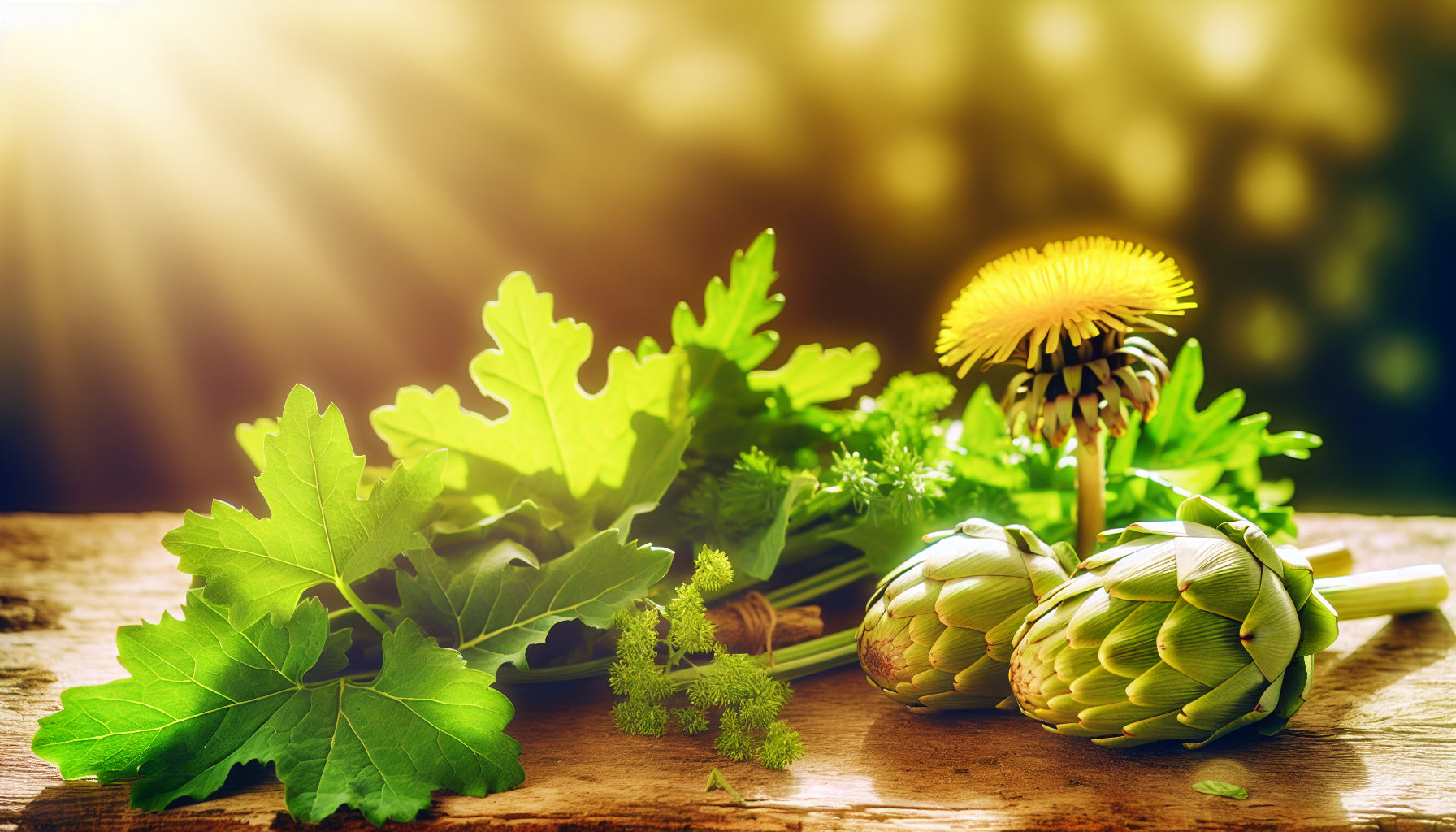
🤖 The featured image of this article was generated with DALL·E 3 (OpenAI) using Artificial Intelligence (marked according to EU AI Act Art. 50).



Leave a comment
This site is protected by hCaptcha and the hCaptcha Privacy Policy and Terms of Service apply.