

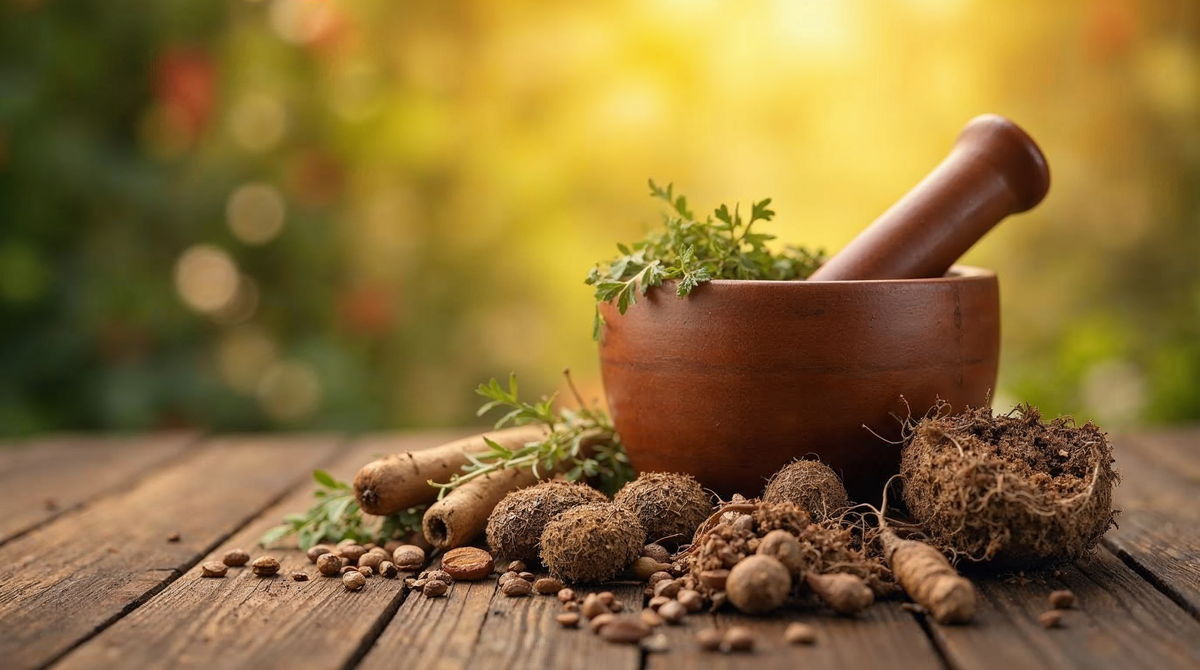
Der Begriff „Leaky Gut" – auf Deutsch etwa „durchlässiger Darm" – ist in den letzten Jahren in aller Munde. Viele Menschen beschreiben ein diffuses Unwohlsein, das sie nicht richtig einordnen können: Blähungen, Müdigkeit, Hautprobleme, ein Gefühl innerer Unruhe. Die moderne Darmforschung hat sich diesem Phänomen intensiv gewidmet, doch auch die traditionelle Naturheilkunde kannte bereits lange vor dem wissenschaftlichen Zeitalter die Bedeutung eines gesunden Darms – und hat über Jahrhunderte hinweg ein reiches Erfahrungswissen dazu entwickelt. Dieser Artikel beleuchtet, was der Begriff Leaky Gut Syndrom bedeutet, was die Klostermedizin und insbesondere die Lehren der Hildegard von Bingen dazu zu sagen haben, und welche Pflanzen und Rituale in der naturheilkundlichen Tradition seit Jahrhunderten als wertvoll gelten.
Was steckt hinter dem Begriff „Leaky Gut Syndrom"?
Der Darm ist weit mehr als ein schlichtes Verdauungsorgan. Er beherbergt Billionen von Mikroorganismen, steht in ständigem Austausch mit dem Immunsystem und bildet mit seiner Schleimhaut eine hochkomplexe Barriere zwischen dem Körperinneren und der Außenwelt. Die Darmschleimhaut besteht aus eng zusammengeschlossenen Zellen, den sogenannten Epithelzellen, die durch spezielle Verbindungen – die „Tight Junctions" – zusammengehalten werden. Ist diese Barriere intakt, kann der Darm selektiv entscheiden, welche Substanzen in den Blutkreislauf gelangen und welche ausgeschieden werden.
Beim sogenannten Leaky Gut Syndrom – auch als „intestinale Permeabilitätsstörung" bezeichnet – wird in Fachkreisen diskutiert, ob diese Barrierefunktion beeinträchtigt sein kann, sodass unerwünschte Substanzen leichter passieren. Das Konzept ist in der modernen Forschung noch Gegenstand aktiver wissenschaftlicher Auseinandersetzung; als anerkannte medizinische Diagnose ist das Leaky Gut Syndrom im klassischen Sinne bislang nicht etabliert. Dennoch beschäftigen sich zunehmend Gastroenterologen, Ernährungswissenschaftler und Naturheilkundler mit der Frage, wie die Darmbarriere und das mikrobielle Gleichgewicht die allgemeine Gesundheit beeinflussen könnten.
Die traditionelle Naturheilkunde hat den Darm schon immer als Zentrum des Wohlbefindens betrachtet – lange bevor die moderne Wissenschaft begann, seine Rolle im Immungeschehen zu erforschen. Dieses uralte Erfahrungswissen erlebt heute eine bemerkenswerte Renaissance.
Was Menschen heute als Leaky Gut beschreiben – ein Gefühl innerer Dysbalance, das sich in Haut, Stimmung und Energielevel äußert – wurde in der traditionellen Naturheilkunde unter verschiedenen Begriffen gefasst: als „geschwächte Leibesmitte", als Ungleichgewicht der Säfte oder als gestörte „Verdauungskraft". Die Sprache war eine andere, doch das Grundprinzip – dass ein ungesunder Darm das gesamte Wohlbefinden beeinflusst – ist zeitlos.
Hildegard von Bingen und die Weisheit der Leibesmitte
Hildegard von Bingen (1098–1179) gilt als eine der bedeutendsten Naturheilkundlerinnen des Mittelalters. Die Benediktinerin, Äbtissin, Mystikin und Autorin medizinischer Schriften wie „Causae et Curae" (Ursachen und Heilungen) und „Physica" entwickelte ein umfassendes System der Heilkunde, das Körper, Geist und Seele als untrennbare Einheit betrachtete. Im Zentrum ihrer Lehre stand die sogenannte „Viriditas" – die Grünkraft, die lebendige Urkraft der Natur, die in Pflanzen, Tieren und Menschen wirkt und die Grundlage aller Heilung darstellt.
„Der Mensch soll seinen Leib so in Ordnung halten, dass er nicht von Unreinheiten überwältigt wird. Denn wie ein guter Gärtner sein Land pflegt, so soll der Mensch seinen Leib hegen." – Hildegard von Bingen, Causae et Curae (sinngemäße Übertragung)
Hildegard maß dem Magen und den Eingeweiden eine zentrale Rolle im Körpergeschehen bei. In ihrer Tradition war die „Leibesmitte" nicht nur für die Nahrungsverarbeitung zuständig, sondern galt als Ursprung vieler Ungleichgewichte im Körper. Sie unterschied verschiedene Typen von Nahrungsmitteln nach ihrer „Qualität" – warm, kalt, feucht, trocken – und empfahl, bestimmte Speisen zu meiden und andere gezielt in den Alltag zu integrieren, um die innere Balance zu erhalten. Dieser Gedanke erinnert frappierend an moderne Konzepte rund um Darmgesundheit und Ernährung.
Besonders bemerkenswert ist Hildegards Betonung der Bitterkeit als heilsame Qualität. In ihrer Kräuterlehre werden bittere Pflanzen als besonders wertvoll beschrieben – eine Einschätzung, die sich durch die gesamte Geschichte der europäischen Klostermedizin zieht. Bitterstoffe galten als Mittel, um die innere Ordnung wiederherzustellen, den Körper von Ballast zu befreien und die Lebensenergie neu zu entfachen. BitterKraft Original Ob in der Klosterküche, im Kräutergarten oder in der Apotheke der Benediktinerklöster: Bitterpflanzen hatten stets einen Ehrenplatz.
Was Hildegard als „Schleim" (lateinisch: phlegma) bezeichnete – eine übermäßige, zähflüssige Substanz im Körper, die Ungleichgewichte verursache – lässt sich gewissermaßen als vormodernes Konzept für das deuten, was heute unter gestörter Darmbarriere und verminderter Vitalität diskutiert wird. Auch wenn die Terminologien grundlegend verschieden sind, zeigt sich eine bemerkenswerte konzeptuelle Parallele: Die Leibesmitte als empfindlicher Spiegel des gesamten Befindens. Hildegard von Bingen Produkte
Traditionelle Heilpflanzen, die seit Jahrhunderten für den Darm geschätzt werden
In der europäischen Klostermedizin und Naturheilkunde hat sich über Jahrhunderte ein reicher Schatz an Pflanzenwissen angesammelt. Viele dieser Kräuter und Wurzeln wurden und werden tradiert, weil Generationen von Heilern und Kräuterkundigen gute Erfahrungen mit ihnen gemacht haben – nicht weil klinische Studien sie validiert hätten, sondern weil das Erfahrungswissen über lange Zeiträume weitergegeben wurde. Heute erlebt dieses Wissen eine Renaissance, und viele Menschen entdecken die Kraft traditioneller Pflanzen für ihr tägliches Wohlbefinden neu.
In der Klostermedizin galt der Grundsatz: Ein Kräuter für den Darm ist ein Kräuter für das ganze Leben. Die Pflege der Leibesmitte war kein Sonderthema, sondern tägliche Praxis – eingebettet in Rhythmus, Stille und achtsame Ernährung.
Diese Heilpflanzen werden traditionell für die Darmgesundheit geschätzt:
- Fenchel (Foeniculum vulgare): Fenchel gehört zu den ältesten Kulturpflanzen Europas und wird seit der Antike in der Naturheilkunde geschätzt. In der Hildegard-Medizin gilt er als wärmendes, harmonisierendes Kraut, das traditionell bei einem Gefühl von Schwere und Unbehagen im Bauchbereich eingesetzt wurde.
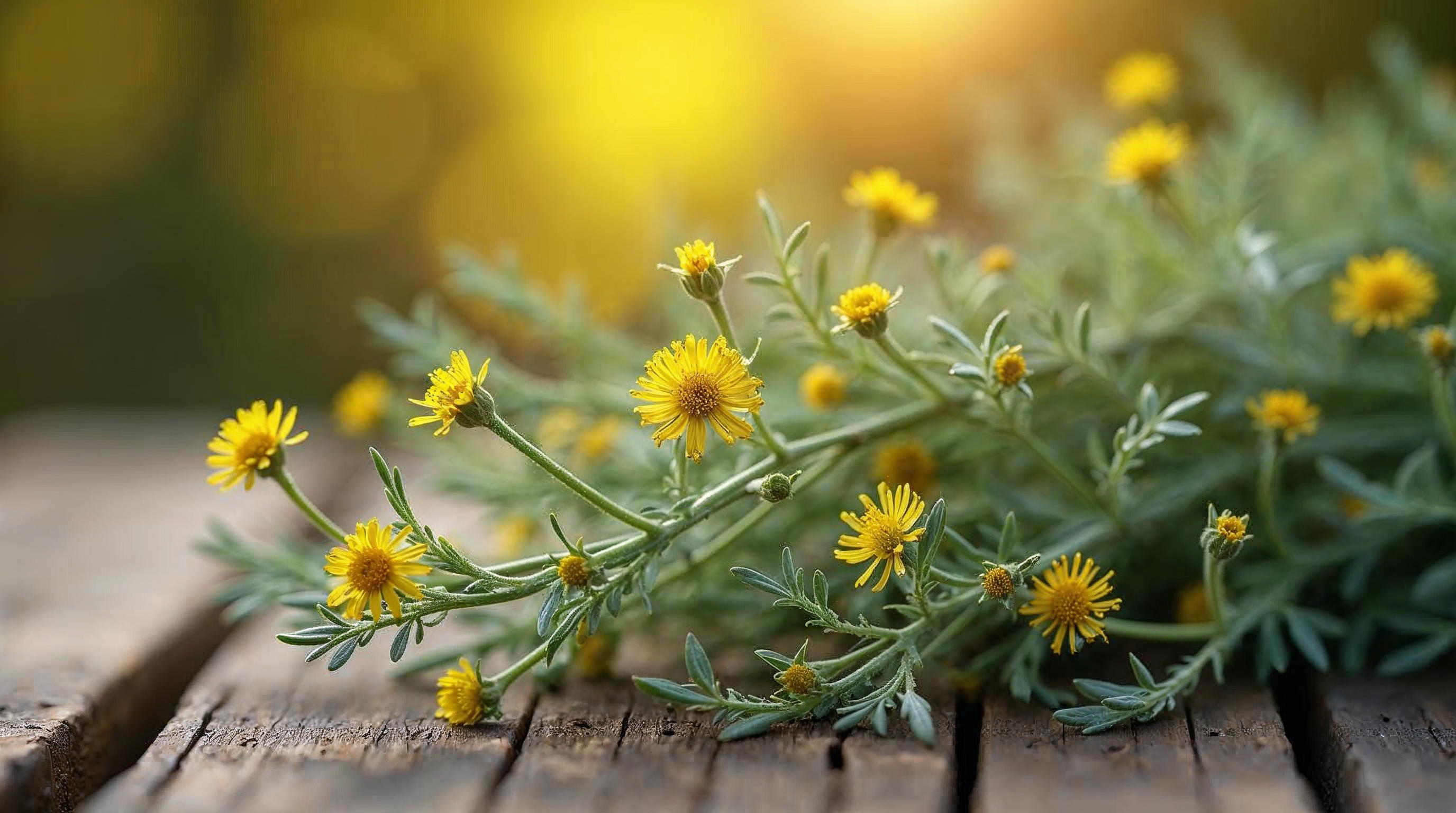
- Wermut (Artemisia absinthium): Der Wermut ist eine der bekanntesten Bitterpflanzen der europäischen Kräuterkunde und war in mittelalterlichen Klostergärten weit verbreitet. Hildegard von Bingen erwähnte ihn als „König der Kräuter" und schätzte seine intensive Bitternote als besonders ausgleichend für die Leibesmitte.
- Engelwurz (Angelica archangelica): Die imposante Engelwurz hat in der Klostermedizin eine lange Geschichte als wärmendes Wurzelkraut. Traditionell wird sie bei einem Gefühl innerer Kälte und Trägheit verwendet und ist ein klassischer Bestandteil klösterlicher Kräutermischungen.
- Löwenzahn (Taraxacum officinale): Als klassisches Frühjahrs- und Bitterkraut ist der Löwenzahn in der Naturheilkunde seit Jahrhunderten bekannt. In vielen traditionellen Überlieferungen wird er als ideale Pflanze für die „innere Reinigung" im Frühling beschrieben – als Teil eines saisonalen Rituals zur Erneuerung. Fasten-Produkte
- Schafgarbe (Achillea millefolium): Die Schafgarbe galt in der mittelalterlichen Kräuterkunde als vielseitige Heilpflanze. Ihre charakteristischen, leicht bitteren Inhaltsstoffe machten sie zu einem geschätzten Begleiter im klösterlichen Kräutergarten, besonders in Verbindung mit dem Gefühl eines unruhigen, überreizten Bauches.
- Flohsamenschalen (Plantago ovata): Flohsamenschalen sind seit Jahrtausenden in der indischen Ayurveda-Tradition bekannt und fanden ihren Weg auch in die europäische Naturheilkunde. Traditionell werden sie als sanfte, hüllende Pflanzenkost für den Darm beschrieben und gelten als ein klassisches Mittel, um die Darmpassage zu regulieren.
- Kurkuma (Curcuma longa): Das goldene Gewürz aus der ayurvedischen und chinesischen Medizin ist heute weltweit bekannt. In der traditionellen Verwendung gilt Kurkuma als wärmendes, belebendes Gewürz, das seit Jahrhunderten in verschiedenen Kulturen rituell und kulinarisch eingesetzt wird – auch als Teil von Reinigungskuren und saisonalen Fastentraditionen.
Was steckt hinter Bitterstoffen?
Bitterstoffe – wissenschaftlich als Iridoide, Sesquiterpenlactone oder Alkaloide klassifiziert – sind sekundäre Pflanzenstoffe, die Pflanzen ursprünglich als Schutz vor Fressfeinden entwickelt haben. In der menschlichen Ernährungsgeschichte spielten Bitterstoffe lange eine zentrale Rolle: Wildkräuter, Wurzeln und Blattsalate enthielten deutlich mehr davon als heutige Kultursorten. Erst durch jahrhundertelange Züchtung auf milde, süße Geschmacksprofile sind Bitterstoffe aus unserer modernen Ernährung weitgehend verschwunden. Die traditionelle Naturheilkunde betrachtet diese Entwicklung mit Skepsis und empfiehlt, Bitterkräuter bewusst wieder in den Alltag zu integrieren – nicht als Medizin, sondern als kulturelles Erbe und sinnliches Erlebnis. BitterKraft Original
Wer die traditionellen Pflanzen in seinen Alltag integrieren möchte, findet heute eine breite Auswahl an Möglichkeiten: als Tee, Tinktur, Kapseln oder als frische Kräuter in der Küche. Wichtig ist dabei stets der ganzheitliche Blick: Eine einzelne Pflanze allein macht noch keine gesunde Lebensweise aus. Traditionelle Systeme wie die Hildegard-Medizin betonten immer die Einbettung in einen geordneten Lebensrhythmus – mit ausreichend Schlaf, bewusster Ernährung und innerer Stille. Schlaf- und Entspannungsprodukte
Alltagsrituale aus der Klostermedizin: Mehr als nur Kräuter
Was die Klostermedizin von modernen Wellness-Trends unterscheidet, ist ihr tief verwurzeltes Verständnis von Rhythmus und Ordnung. Im klösterlichen Leben war alles auf einen festen Tages- und Jahresrhythmus ausgerichtet: Gebetszeiten, Mahlzeiten, Schlafzeiten, Arbeit und Stille folgten einem geregelten Ablauf. Dieses Konzept – heute würde man es Chronobiologie nennen – war intuitiv richtig: Der Körper liebt Regelmäßigkeit, und besonders der Darm reagiert sensibel auf Unordnung im Tagesrhythmus.
Historische Quellen aus benediktinischen Klöstern des 12. bis 14. Jahrhunderts belegen, dass Mönche und Nonnen Kräutergärten nach klaren Prinzipien anlegten: Bitterkräuter, Wärme spendende Wurzeln und Heilpflanzen für die Leibesmitte hatten stets prominente Plätze. Das Wissen wurde in Klosterapotheken weitergegeben und bildete die Grundlage für die europäische Phytotherapie.
Zu den in der Klostermedizin überlieferten Alltagsritualen, die heute neu entdeckt werden, gehören unter anderem: das bewusste Fasten zu bestimmten Jahreszeiten, das Trinken von warmen Kräutertees vor den Mahlzeiten, das Kauen von Kräutern oder Samen als Einstimmung auf das Essen sowie das Meiden bestimmter Speisenkombinationen. Hildegard von Bingen empfahl beispielsweise ausdrücklich, Dinkel als Grundkorn zu bevorzugen – ein Getreide, das heute im Kontext von Darmgesundheit und Verträglichkeit wieder stark diskutiert wird. Hildegard von Bingen Produkte
Besonders interessant ist das klösterliche Konzept des Fastens als saisonales Reinigungsritual. Zweimal im Jahr – im Frühling und im Herbst – empfahl die Klostermedizin eine bewusste Reduktion der Nahrungsaufnahme und den gezielten Einsatz von Bitterkräutern, um den Körper von angesammelten „Unreinheiten" zu befreien. Dieses Ritual hat erstaunliche Parallelen zu modernen Konzepten wie dem intermittierenden Fasten oder Darmsanierungskuren. Fasten-Produkte Der wesentliche Unterschied: Im Kloster war das Fasten keine Diät, sondern eine spirituelle und körperliche Praxis, eingebettet in Gemeinschaft, Gebet und Stille.
Rhythmus, Ruhe und Bitterkeit – das sind die drei Säulen, auf denen die klösterliche Darmweisheit ruhte. Wer diese alten Prinzipien in den modernen Alltag überträgt, knüpft an ein Jahrtausende altes Erfahrungswissen an.
Heute können wir diese Alltagsrituale auf vielfältige Weise neu interpretieren. Eine Tasse warmer Kräutertee am Morgen, bewusstes Kauen und langsames Essen, kleine Fastenpausen zwischen den Mahlzeiten, das Einführen von Bitterkräutern in die tägliche Ernährung – all das sind einfache, alltagstaugliche Wege, um das Erbe der Klostermedizin lebendig zu halten. Es geht nicht um Perfektion, sondern um Kontinuität: kleine, tägliche Rituale, die das allgemeine Wohlbefinden auf sanfte Weise begleiten können.
Ganzheitlicher Blick: Darm, Immunsystem und das große Ganze
Eine der faszinierendsten Erkenntnisse der modernen Darmforschung ist die enge Verbindung zwischen Darm und Immunsystem: Schätzungen zufolge befinden sich rund 70 Prozent aller Immunzellen des Körpers im Darm oder in seiner unmittelbaren Umgebung. Diese Entdeckung klingt revolutionär – und doch würde Hildegard von Bingen wohl lächeln und nicken. Denn in ihrer ganzheitlichen Weltanschauung war der Körper immer ein zusammenhängendes System, in dem kein Teil isoliert betrachtet werden konnte. Immunsystem-Produkte
Auch die Verbindung zwischen Darm und Leber wurde in der traditionellen Naturheilkunde intuitiv erkannt. Die Leber galt als „Feuerherd" des Körpers – als Organ, das Wärme und Vitalität erzeugt und eng mit der Verdauungskraft verbunden ist. In der Hildegard-Medizin und anderen traditionellen Systemen wurden Leber und Darm stets gemeinsam betrachtet, nie isoliert. Wer den Darm pflegen möchte, solle auch die Leber im Blick behalten – und umgekehrt. Leber-Produkte von Bitterkraft Dieses integrative Denken ist eines der wertvollsten Vermächtnisse der alten Heilkunde.
Das Mikrobiom – die Gemeinschaft der Mikroorganismen im Darm – war den mittelalterlichen Heilern natürlich nicht als solches bekannt. Doch das Konzept einer inneren Lebensgemeinschaft, die gepflegt werden will, findet sich sinngemäß in vielen traditionellen Quellen. Die Empfehlung, fermentierte Lebensmittel zu sich zu nehmen (wie etwa saures Brot, fermentiertes Gemüse oder Kefir), war weit verbreitet – lange bevor die Wissenschaft verstand, warum. Und auch hier zeigt sich: Das Erfahrungswissen der Jahrhunderte hat oft einen rationalen Kern, den die moderne Forschung erst nach und nach entschlüsselt.
Tradition trifft Moderne: Was können wir mitnehmen?
Die traditionelle Naturheilkunde bietet keinen schnellen Fix und keine medizinische Behandlung für das, was heute als Leaky Gut diskutiert wird. Was sie bietet, ist ein Rahmen: eine Einladung, den Körper als Ganzes zu betrachten, den Rhythmus des Lebens zu respektieren und bewusst auf das zu hören, was die Leibesmitte uns mitteilt. Kräuter, Rituale und eine achtsame Ernährung sind dabei keine Alternativen zur modernen Medizin – sie sind Ergänzungen, die das allgemeine Wohlbefinden auf sanfte, nachhaltige Weise begleiten können. In diesem Sinne ist das Wissen von Hildegard und ihren Zeitgenossen heute aktueller denn je. alle Bitterkraft Produkte
Wer sich für das Thema Darmgesundheit aus naturheilkundlicher Perspektive interessiert, wird feststellen, dass es keine Einheitslösung gibt. Jeder Mensch ist anders, jeder Körper reagiert auf unterschiedliche Kräuter und Rituale verschieden. Die Klostermedizin wusste das und betonte immer die individuelle Beobachtung: Was tut mir gut? Was belastet mich? Diese Fragen sind zeitlos – und ihre Beantwortung ist der erste Schritt zu mehr Wohlbefinden.

Hinterlasse einen Kommentar
Diese Website ist durch hCaptcha geschützt und es gelten die allgemeinen Geschäftsbedingungen und Datenschutzbestimmungen von hCaptcha.