

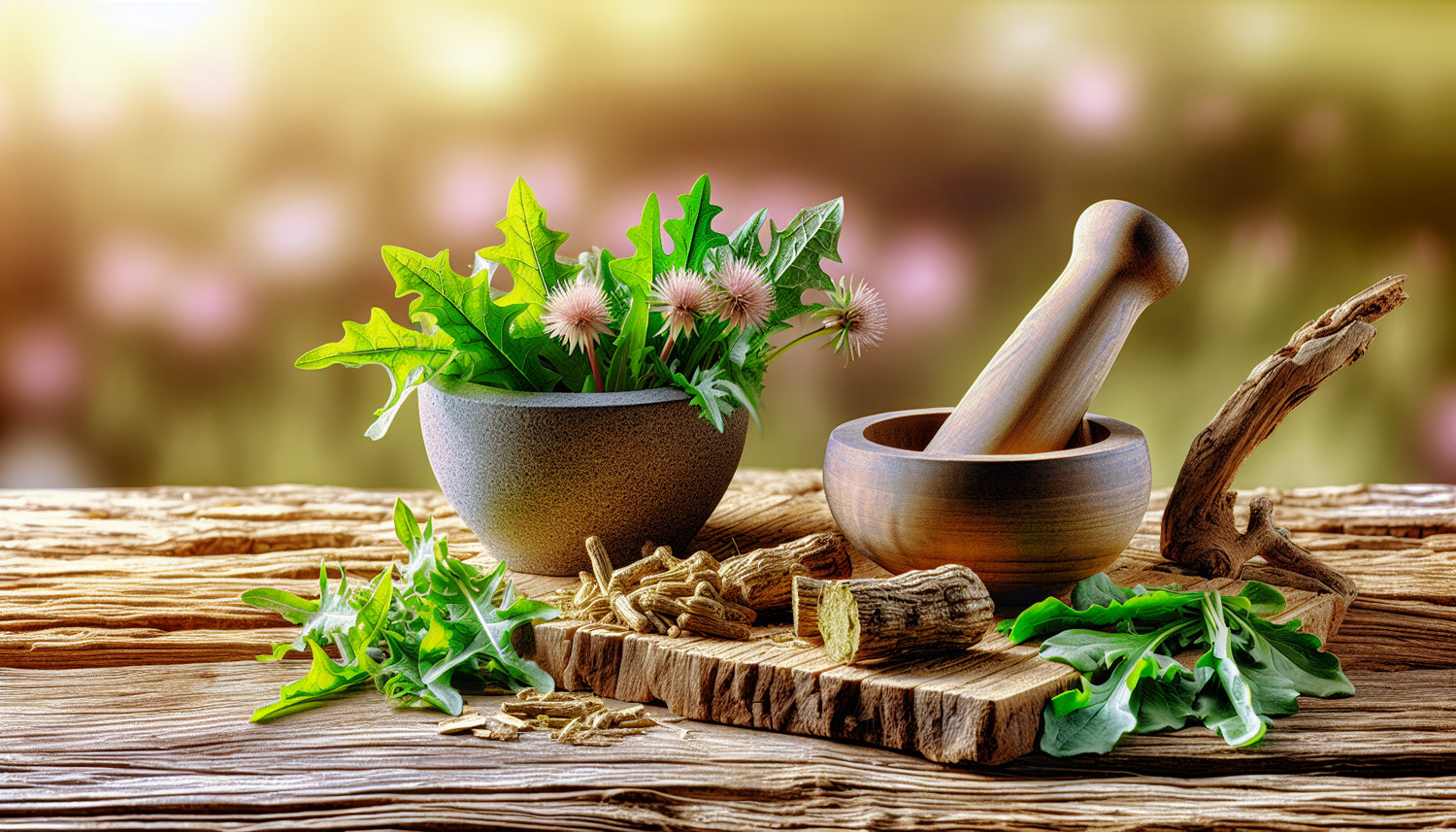
Fructoseintoleranz betrifft immer mehr Menschen und macht den Alltag oft zur Herausforderung. Bauchschmerzen, Blähungen und Unwohlsein nach dem Verzehr von Obst oder süßen Speisen können die Lebensqualität erheblich beeinträchtigen. Während die moderne Medizin meist nur Verzichtsempfehlungen gibt, wusste bereits Hildegard von Bingen um die traditionelle Verwendung bitterer Pflanzenstoffe zur Unterstützung der Verdauung. Ihre jahrhundertealten Erkenntnisse über die natürliche Begleitung bei Verdauungsbeschwerden durch bittere Pflanzenstoffe gewinnen heute wieder an Bedeutung und bieten einen traditionellen Ansatz für mehr Wohlbefinden bei Fructoseintoleranz.
📋 Inhaltsverzeichnis
Was passiert bei Fructoseintoleranz im Dünndarm?
Bei einer Fructoseintoleranz ist die Aufnahme von Fruchtzucker im Dünndarm gestört. Normalerweise transportieren spezielle Transportproteine die Fructose durch die Darmwand ins Blut. Sind diese Transporter überfordert oder in ihrer Funktion beeinträchtigt, gelangt unverdaute Fructose in den Dickdarm, wo sie von Bakterien vergoren wird. Dieser Prozess führt zu den typischen Beschwerden wie Bauchkrämpfen, Durchfall und starken Blähungen.
Der Dünndarm spielt dabei eine zentrale Rolle als Ort der Nährstoffaufnahme. Seine gesunde Funktion ist entscheidend dafür, wie gut unser Körper Zucker und andere Nährstoffe verarbeiten kann. Stress, unausgewogene Ernährung und moderne Lebensumstände können die empfindliche Darmbalance belasten und die natürlichen Verdauungsprozesse beeinträchtigen.
Interessant ist, dass die Fructoseaufnahme auch von anderen Faktoren beeinflusst wird. Glucose kann beispielsweise die Fructoseaufnahme verbessern, weshalb manche Menschen Haushaltszucker besser vertragen als reinen Fruchtzucker. Auch die Darmbewegung und die Verweildauer der Nahrung im Dünndarm spielen eine wichtige Rolle bei der Entstehung von Unverträglichkeitsreaktionen.
Hildegards Wissen über bittere Heilkräuter und Verdauung
Bereits im 12. Jahrhundert erkannte Hildegard von Bingen, dass bittere Kräuter traditionell zur Verdauungsunterstützung verwendet werden können. In ihren Schriften beschrieb sie detailliert, wie Bitterstoffe in der Volksheilkunde zur Anregung der "Verdauungswärme" und zur traditionellen Begleitung bei schwacher Verdauung geschätzt wurden. Für Hildegard waren Bitterstoffe ein Geschenk der Natur, um das Wohlbefinden zu unterstützen und das Gleichgewicht im Verdauungssystem zu begleiten.
Kräuter wie Wermut, Enzian und Tausendgüldenkraut wurden in der Hildegard-Medizin traditionell zur Begleitung der Darmfunktion eingesetzt. Diese Pflanzen enthalten komplexe Bitterstoffe, die seit Jahrhunderten für ihre traditionelle Verwendung bei Verdauungsbeschwerden geschätzt werden. Hildegard betrachtete die Verdauung als Grundlage für das Wohlbefinden des gesamten Organismus und sah in schwachen Verdauungskräften oft die Ursache vieler Beschwerden.
Besonders bemerkenswert ist Hildegards ganzheitlicher Ansatz: Sie verknüpfte die körperlichen Verdauungsprozesse mit seelischen und geistigen Aspekten. Nach ihrer Lehre können bittere Kräuter nicht nur traditionell zur Verdauungsbegleitung verwendet werden, sondern auch dabei unterstützen, "unverdauliche" Emotionen und Gedanken besser zu verarbeiten - ein Ansatz, der auch heute noch Relevanz besitzt.
Wie Bitterstoffe traditionell zur Verdauungsunterstützung verwendet werden
Bitterstoffe werden traditionell zur Anregung der Verdauungsabläufe verwendet. Bereits beim ersten Kontakt mit der Zunge aktivieren sie über spezielle Bitterrezeptoren eine Kaskade von Verdauungsreaktionen. In der Volksheilkunde ist bekannt, dass dadurch die Produktion von Speichel, Magensaft und Verdauungsenzymen angeregt werden kann. Diese verstärkte Vorverdauung kann möglicherweise die Belastung des Dünndarms reduzieren und die Verträglichkeit verschiedener Nahrungsmittel begleiten.
Im Dünndarm selbst werden Bitterstoffe traditionell zur Unterstützung der natürlichen Darmbewegung verwendet. Eine gesunde Darmbewegung ist wichtig, damit Nahrungsreste nicht zu lange im Darm verweilen und unerwünschte Gärungsprozesse entstehen. Zudem wird traditionell angenommen, dass Bitterstoffe das Wohlbefinden der Darmschleimhaut begleiten können.
Moderne Forschungen zeigen, dass Bitterrezeptoren nicht nur im Mund, sondern auch im gesamten Verdauungstrakt vorkommen. Diese Entdeckung bestätigt die traditionellen Erfahrungen mit Bitterstoffen und erklärt, warum sie traditionell so umfassend zur Verdauungsbegleitung verwendet werden. Die regelmäßige Aktivierung dieser Rezeptoren durch natürliche Bitterstoffe könnte langfristig das Wohlbefinden begleiten.
Praktische Anwendung bitterer Kräuter im Alltag mit Fructoseintoleranz
Für Menschen mit Fructoseintoleranz kann die Integration bitterer Kräuter in den Alltag eine wertvolle traditionelle Unterstützung darstellen. In der Volksheilkunde werden Bittertropfen oder Bitterkräuter-Tees etwa 15-30 Minuten vor den Mahlzeiten verwendet, um das Verdauungssystem traditionell zu begleiten. Bei gesundheitlichen Problemen sollten Sie immer einen Arzt konsultieren. Wichtig ist dabei die Regelmäßigkeit - nur durch kontinuierliche Anwendung können sich die traditionell zugeschriebenen wohltuenden Effekte entwickeln.
Besonders bewährt haben sich Kräutermischungen, die verschiedene Bitterstoffe kombinieren. Enzian, Wermut, Löwenzahn und Artischocke werden traditionell zur Verdauungsbegleitung verwendet und können als Tee oder in Form von standardisierten Extrakten eingenommen werden. Die Anwendung sollte individuell angepasst werden - beginnen Sie mit kleinen Mengen und steigern Sie diese langsam, um die Verträglichkeit zu testen.
Neben der direkten Einnahme können bittere Kräuter auch über die Ernährung integriert werden. Bittere Salate wie Chicorée, Radicchio oder Rucola sowie Gewürzkräuter können den täglichen Speiseplan bereichern und gleichzeitig das Wohlbefinden begleiten. Wichtig ist es, realistische Erwartungen zu haben: Die traditionelle Begleitung durch Bitterstoffe ist ein langfristiger Prozess, der Geduld und Kontinuität erfordert, aber seit Jahrhunderten als wertvolle Methode zur Verdauungsbegleitung geschätzt wird.
🤖 Das Beitragsbild dieses Artikels wurde mit DALL·E 3 (OpenAI) mithilfe von Künstlicher Intelligenz generiert (gemäß EU AI Act Art. 50 gekennzeichnet).


Hinterlasse einen Kommentar
Diese Website ist durch hCaptcha geschützt und es gelten die allgemeinen Geschäftsbedingungen und Datenschutzbestimmungen von hCaptcha.